
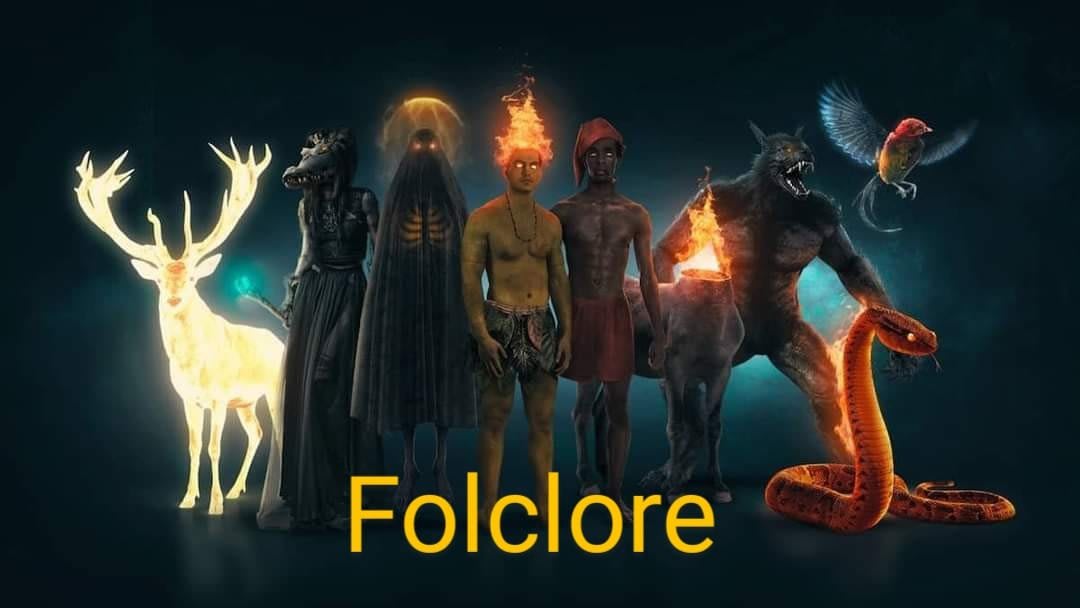
Folklore
Folklore refers to the collection of traditions, beliefs, myths, legends, customs, dances, music, and cultural expressions passed down from generation to generation within a community or society.
Article Index
Folklore refers to the collection of traditions, beliefs, myths, legends, customs, dances, music, and cultural expressions passed down from generation to generation within a community or society.
These cultural expressions usually have their origins in ancient times and are preserved through oral tradition, but they can also be recorded in texts, music, and other forms of art.
Elements of Folklore
Myths and Legends:
- Myths and Legends: Stories that explain the origin of the world, natural phenomena, or the existence of supernatural beings.
Beliefs and Superstitions:
- Beliefs and Superstitions: A collection of practices and thoughts that express the worldview of a community, often linked to the supernatural.
Festivals and Rituals:
- Festivals and Rituals: Traditional celebrations that may include dances, music, and traditional foods.
Music and Dance:
- Music and Dance: Traditional music and dances that reflect the culture of a region.
Proverbs and Sayings:
- Proverbs and Sayings: Popular expressions that convey wisdom and moral teachings in a simple and direct way.
Importance of Folklore
Folklore is a vital part of a people's cultural identity, helping to preserve and transmit knowledge, values, and stories that shape a sense of community.
It also serves as a form of cultural resistance, preserving traditions in the face of social change and external influences.
Folklore in Brazil
Folklore in Brazil is a rich blend of indigenous, African, and European traditions, reflecting the country's cultural diversity.
This combination has resulted in a vast array of myths, legends, dances, music, festivals, and popular beliefs that vary from region to region, but together form a unique cultural identity.
Main Elements of Brazilian Folklore
MYTHS AND LEGENDS
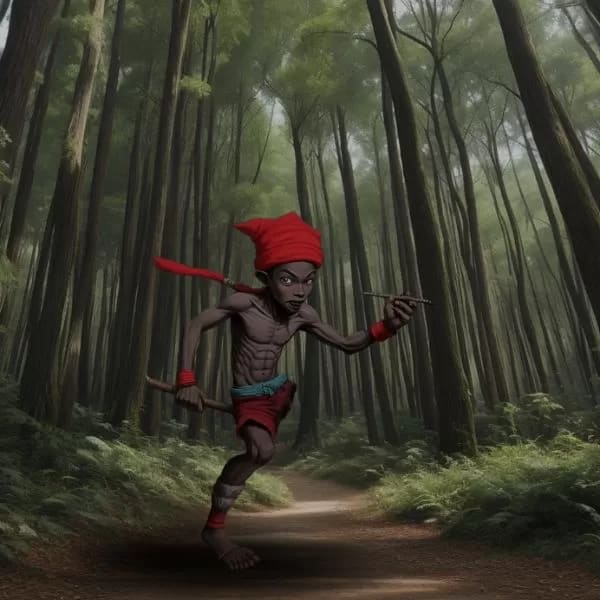
Saci-Pererê: One of the most well-known figures in Brazilian folklore, Saci is a black boy with one leg, wearing a red hat and smoking a pipe.
He is known for his mischief, such as hiding objects and playing pranks on people.
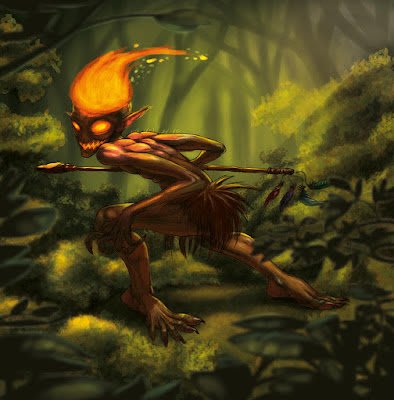
Curupira: Guardian of the forests, Curupira is a mythical figure with hair on fire and feet turned backwards, who confuses hunters and protects animals and plants.
Iara: Also known as 'Mãe d'Água', Iara is a siren who inhabits the Amazonian rivers.
Her beauty and enchanting song lure men to the river's depths.

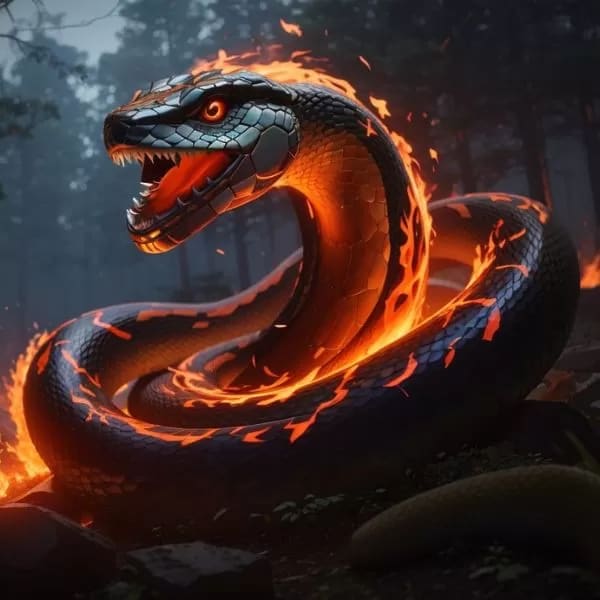
Boitatá: Represented as a fire snake, Boitatá is a protective spirit of the forests and fields, who punishes those who disrespect nature.
FESTIVALS AND RITUALS
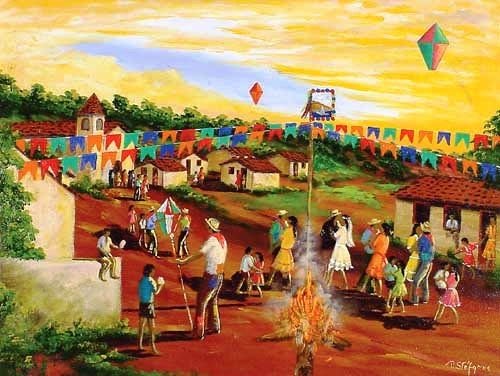
Junina Festival: One of the most popular festivals in Brazil, especially in the Northeast, the Junina Festival celebrates popular saints, such as Saint John, Saint Peter, and Saint Anthony.
The festival includes traditional dances like the quadrilha, traditional foods, bonfires, and fireworks.
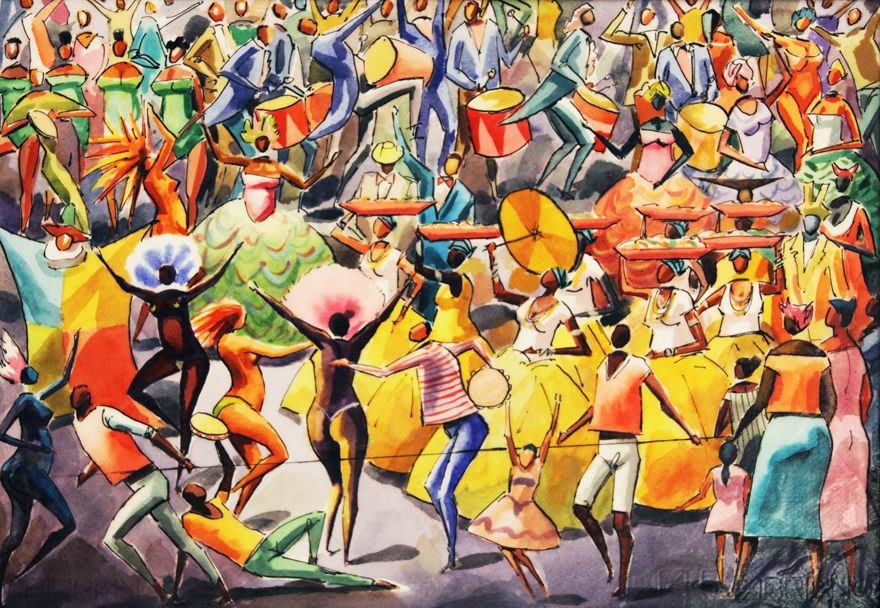
Carnival: Although it has evolved over time, Carnival has roots in folkloric and religious traditions, including elements of African and indigenous cultures.
It is characterized by parades of samba schools, street blocks, and dances.
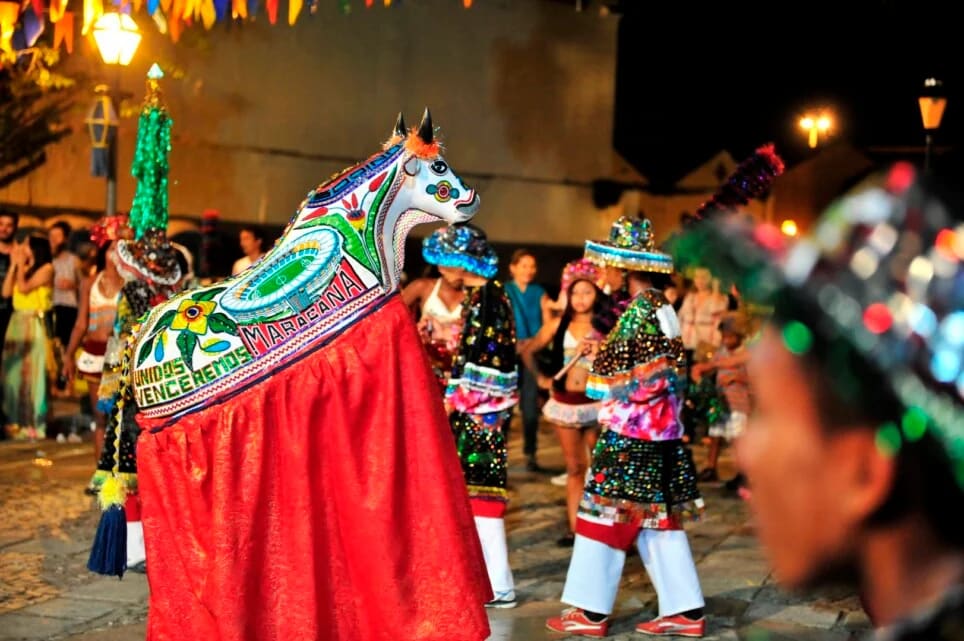
Bumba Meu Boi: A popular festival that takes place mainly in the North and Northeast of Brazil, it combines elements of theater, dance, music, and narrative, telling the story of the death and resurrection of a bull.
It is a cultural expression that reflects the indigenous, African, and European heritage.
MUSIC AND DANCE
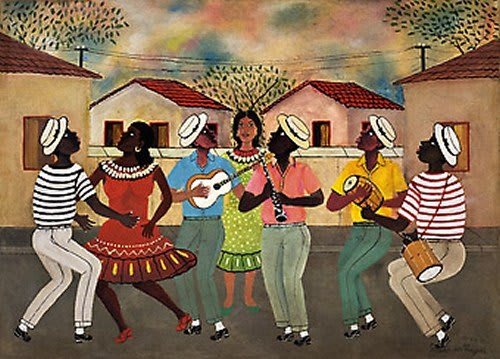
Samba: Originating in Rio de Janeiro, samba is one of the main musical expressions of Brazil, with African roots.
The rhythm and dance of samba are central to Carnival culture.
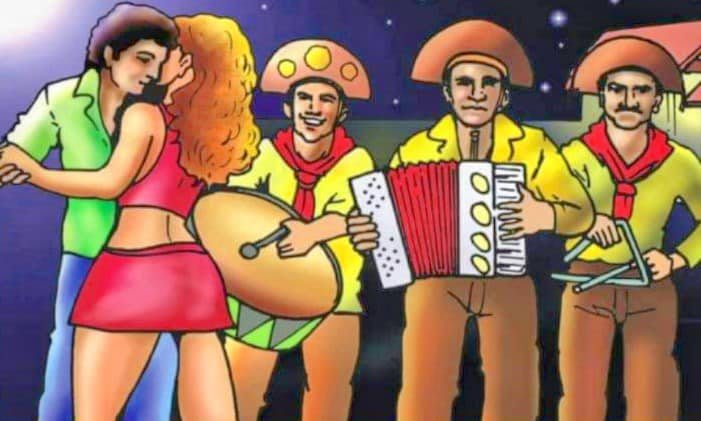
Forró: Originating in the Northeast of Brazil, forró is a musical style and a popular dance, especially during Junina Festivals.
The typical instruments include the accordion, the triangle, and the zabumba.
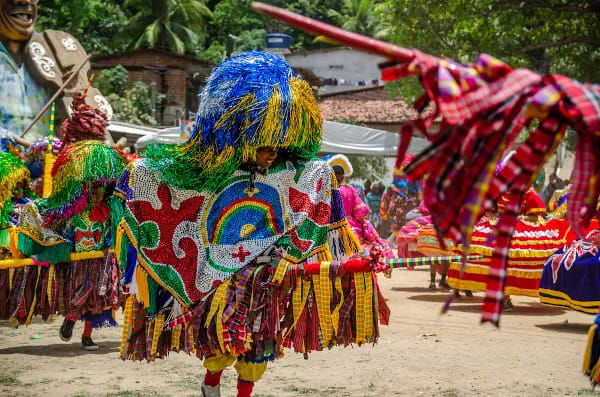
Maracatu: A cultural manifestation of African origin, maracatu combines dance, music, and processions, and is traditionally associated with religious celebrations such as Carnival in Pernambuco.
BELIEFS AND SUPERSTITIONS
Good Luck Charms: Popular practices that involve simple rituals, often related to health, love, or prosperity.
They are passed down from generation to generation and reflect popular wisdom.
Healers: Women who use prayers and natural elements like plants to cure diseases and ward off evil spirits.
The practice is common in various regions of Brazil, especially in rural areas.
Importance of Brazilian Folklore
Folklore in Brazil plays a crucial role in preserving the country's cultural identity, transmitting values, stories, and practices that reflect the rich diversity of its population.
It also serves as a means of cultural resistance, keeping alive traditions that might be forgotten in the face of modernization and globalization.
Through folklore, Brazil maintains a deep connection with its roots, celebrating the diversity and complexity of its cultural influences.


