
The Life and Works of Edward Hopper: Rise, Recognition, and Legacy
A brief overview of the life and works of Edward Hopper, including his rise to fame, recognition, and lasting legacy.
Edward Hopper is considered one of the greatest painters in American art history.
In 1923, he met Josephine Nivison, who was also an artist.
They were seen by many as exact opposites of each other.
A year later, they got married.
His wife always prioritized her husband's career over her own.
She organized interviews and provided all the assistance he needed.
She even served as a model for many of his portraits.
In fact, it was with her help that Hopper's work flourished.
Artistic Career
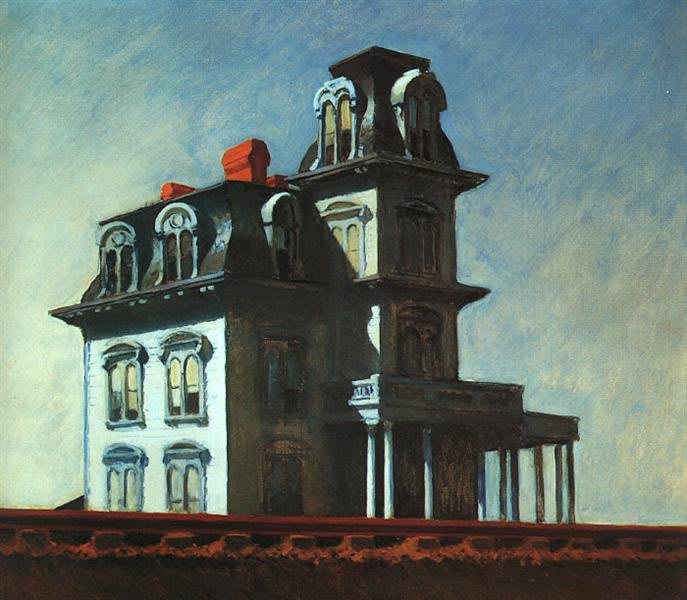
In 1930, the painting Casa perto da Ferrovia, became the first work to enter the permanent collection of the newly founded Museum of Modern Art.
This period was indeed a great success for him, with sales to major museums including a retrospective at the Museum of Modern Art in 1933.
During the 1940s, the artist's work accumulated a significant level of recognition.
His popularity reached new heights when he began to exhibit in various museums across the country.
Hopper continued to be productive during the war years and was not deterred by the potential threats after the attack on Pearl Harbor.
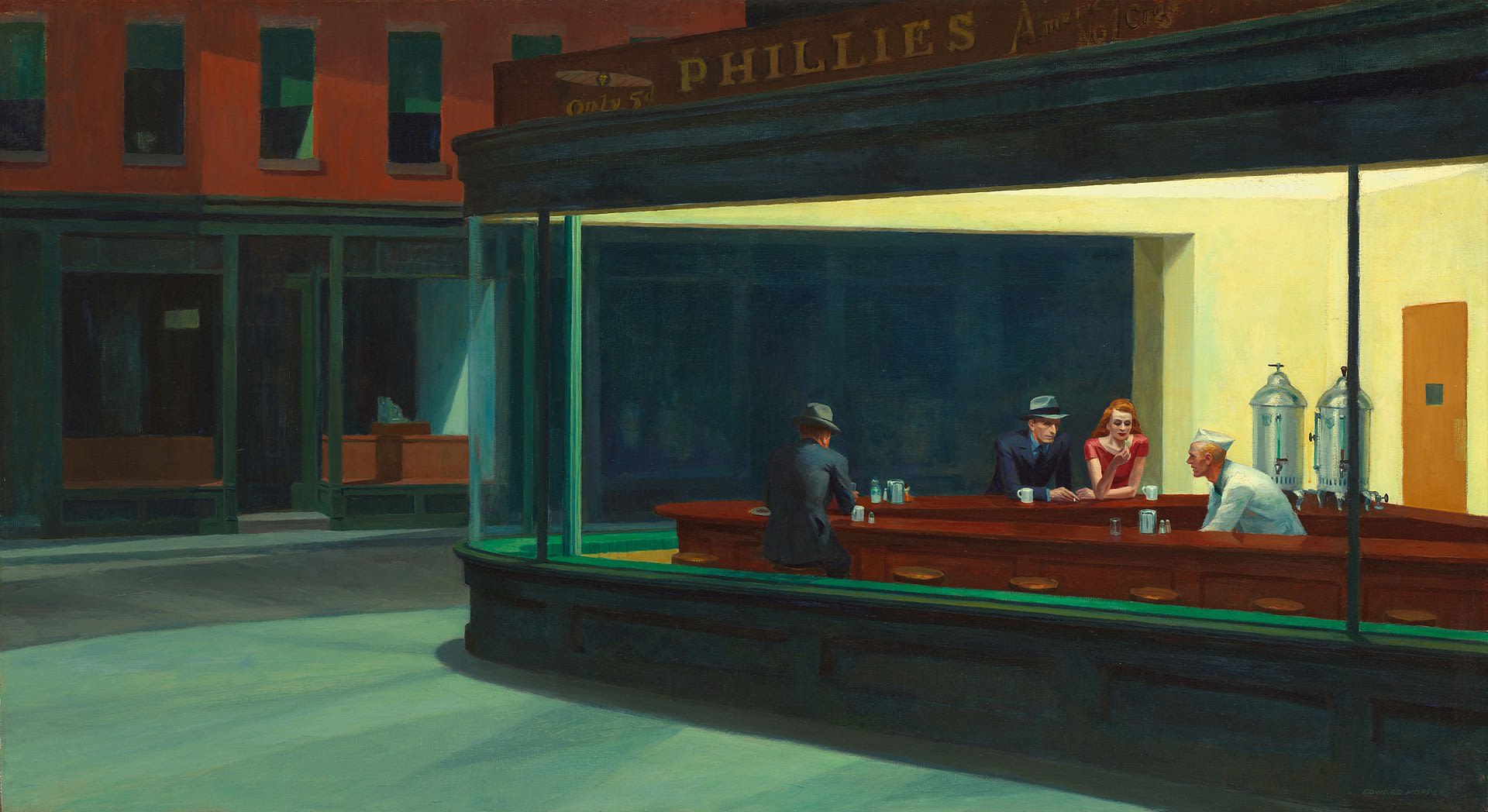
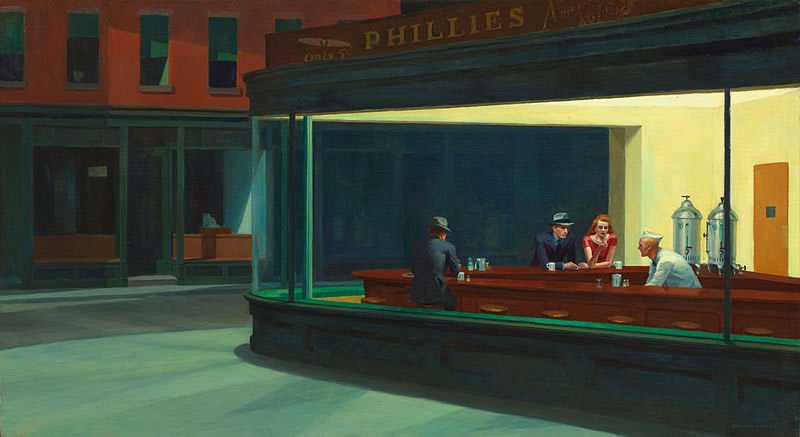
It is precisely in this period that he creates his most famous painting, Nighthawks .
During the 1950s and early 1960s, he continued to be acclaimed, despite the arrival of abstract expressionism, pop art, and minimalism on the New York art scene.
Even though he was not a prolific painter, he found it difficult to define a subject to paint and spent a lot of time working on the details of the composition through various studies.
At the end of his life, he sold an average of only two paintings per year.
Edward Hopper passed away on May 15, 1967, in New York City.
His wife Jo Hopper died ten months later, leaving her artistic legacy to the Whitney Museum of American Art.
Hopper was buried, along with Jo, his sister, and his parents, in the Oak Hill Cemetery in Nyack, New York.
Legacy
Hopper inspired countless painters, photographers, filmmakers, set designers, dancers, writers, and musicians.
The term Hopperesque is widely used to connote images that evoke the moods of his works.
Generations of filmmakers were inspired by Hopper's dramatic viewpoints, lighting, and overall atmosphere, including Orson Welles, Wim Wenders, and Billy Wilder.
His painting, Casa perto da Ferrovia inspired Alfred Hitchcock's house in Psycho, released in 1960
The open narratives in Hopper's works also attracted writers and musicians.
Singer Madonna named a tour after meeting the painting Girls at the Window of 1941.
Writer Joyce Carol Oates directly refers to Hopper in her poem Nighthawks of 1942.
Many others created entire collections of stories or poems using Hopper's paintings as starting points.
To understand the rest of this journey, continue to our next article: The Life and Works of Edward Hopper: Detailed Analysis of His Famous Works.


