Antoni Gaudí: Biography and Work: The Masterpieces that Shaped Barcelona and the World
Discover the life and work of Antoni Gaudí, the renowned Catalan architect who left an indelible mark on Barcelona and the world.
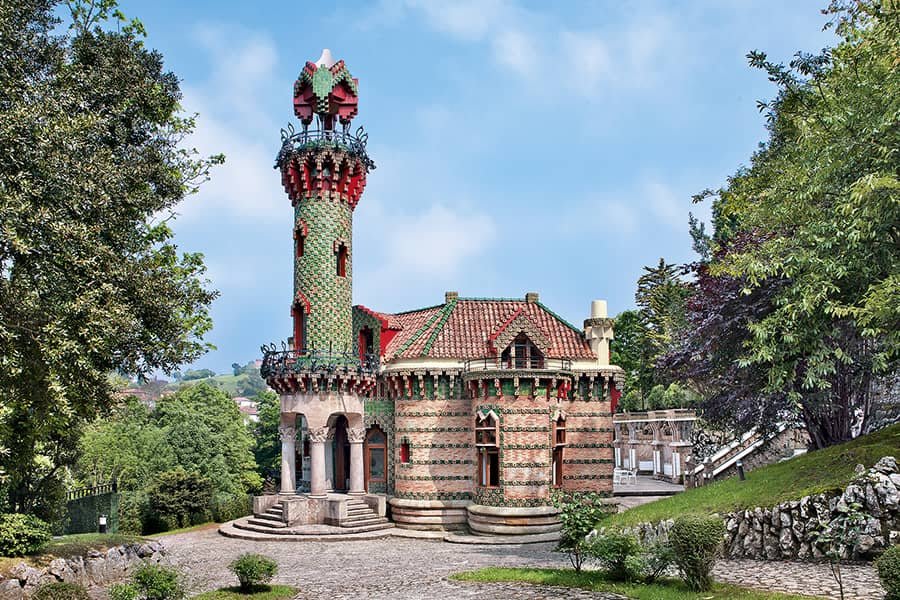
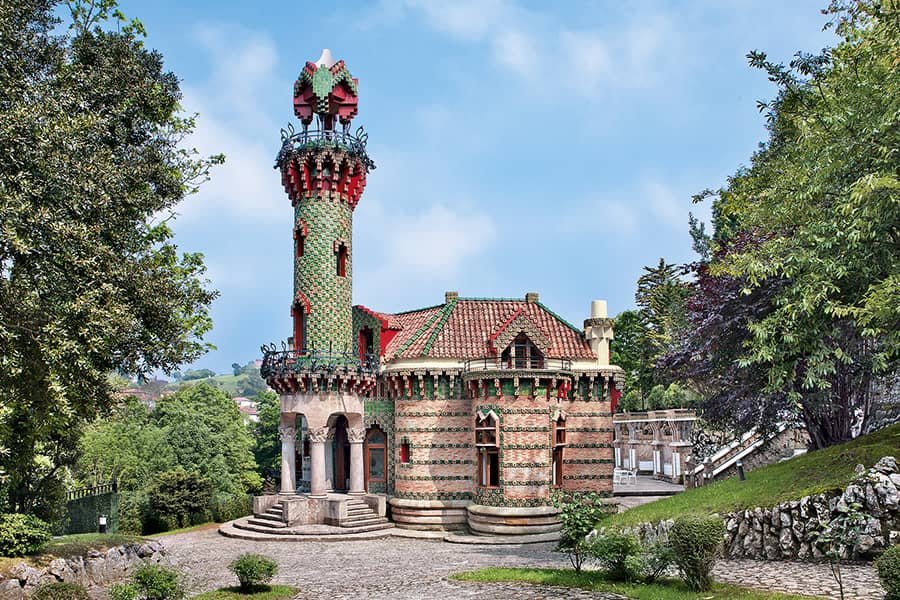
The building “El Capricho, is considered one of his earliest works.
From the project and construction period, Gaudí had the accompaniment and direction of the architect Cascante Colom.
It is located in Comillas, Cantábria (Spain).
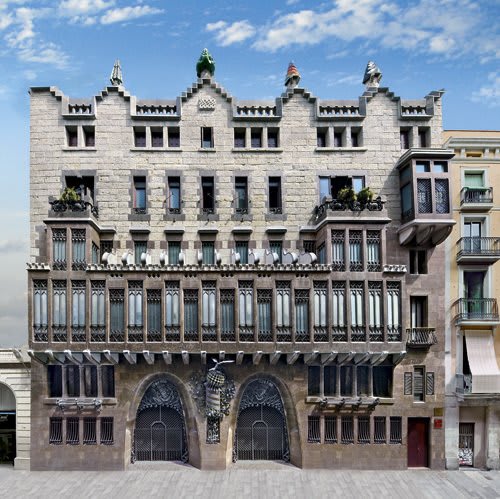
The Palácio Güell was the first commission made by the Count of Barcelona, Eusebi Güell to Gaudí.
It was built in the period of 1886-1890. The grand and imposing palace, served as a residence for his family, where the Count could also gather all his collection of artworks and antiques.
The Catalan Antoni Gaudí created strange, audacious, and beautiful structures and buildings that gave the city of Barcelona a unique identity.
Among his most famous works is the Park Guell. Above and beyond his relationship with the Count, Eusebi Güell, Gaudí received many commissions from him and proposed numerous projects, with his great patron being his main patron. Many of these, happily, were transformed into reality, but some never left the drawing board.
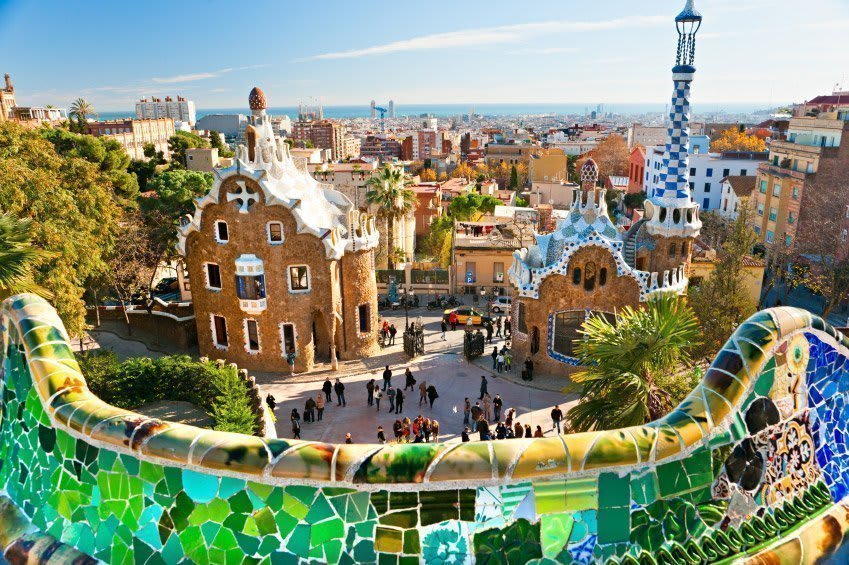
Arte and Architecture in Barcelona
“Gaudí unites the work of the builder, who defines the structures, that of the sculptor, who models the masses, and that of the painter, who delimits the surfaces with color; in addition, he converges various specialties of craftsmanship: the mosaic, ceramics, wrought iron, etc.”(ARGAN, Giulio Carlo)
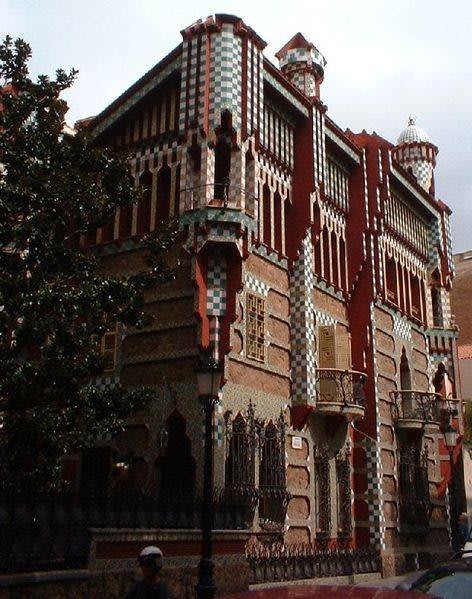
Other Notable Works
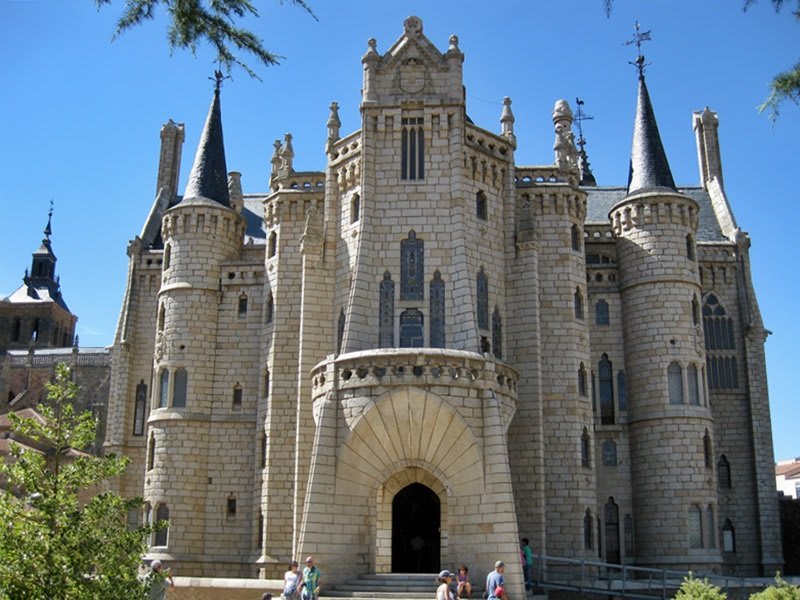
The Palácio de Astorga was commissioned to Antoni Gaudí, by the bishop Juan Bautista Grau i Vallespinós, in 1889.
This was one of the few works he did outside of Catalonia.
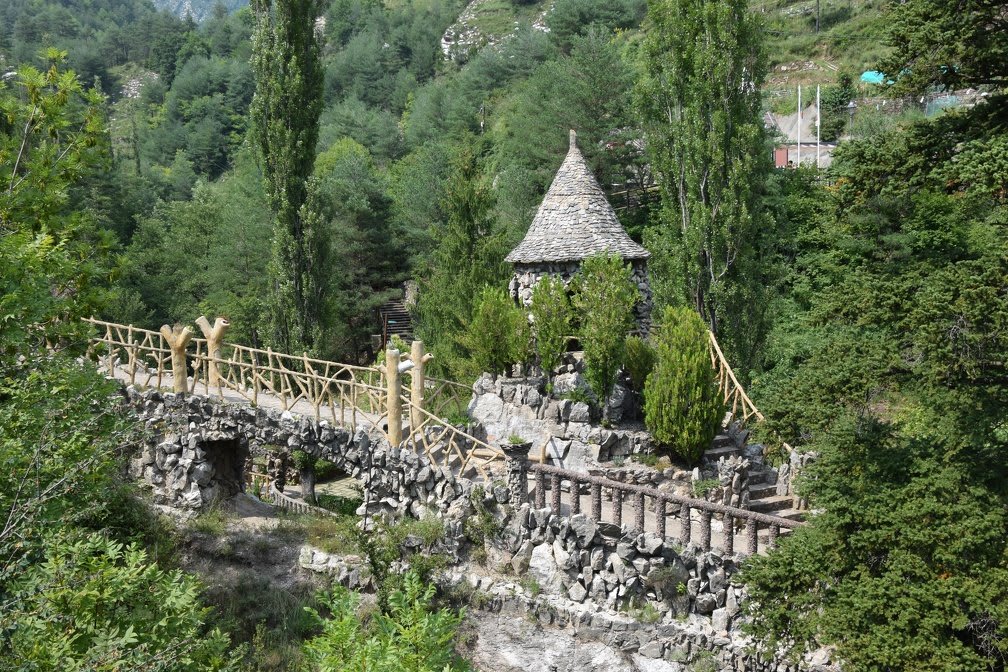
The Jardins Artigas is a small paradise of peace that belongs to the municipality of Pobla de Lillet, in the province of Barcelona, Catalonia.
It was designed by Antoni Gaudí for the industrialist Joan Artigas i Alart as a thank you and built between 1903 and 1910. The latter housed the architect while he worked in the vicinity on the construction of a country house for another industrialist, Eusebi Güell, the main patron of Gaudí.
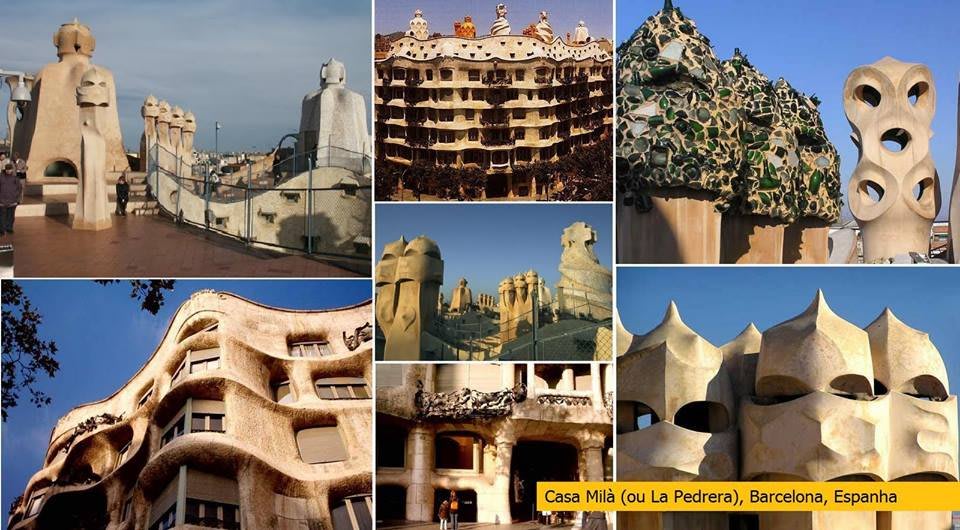
The Casa Milla or La Pedrera was built between 1905 and 1912.
It was designed by Antoni Gaudí for the Milla family.
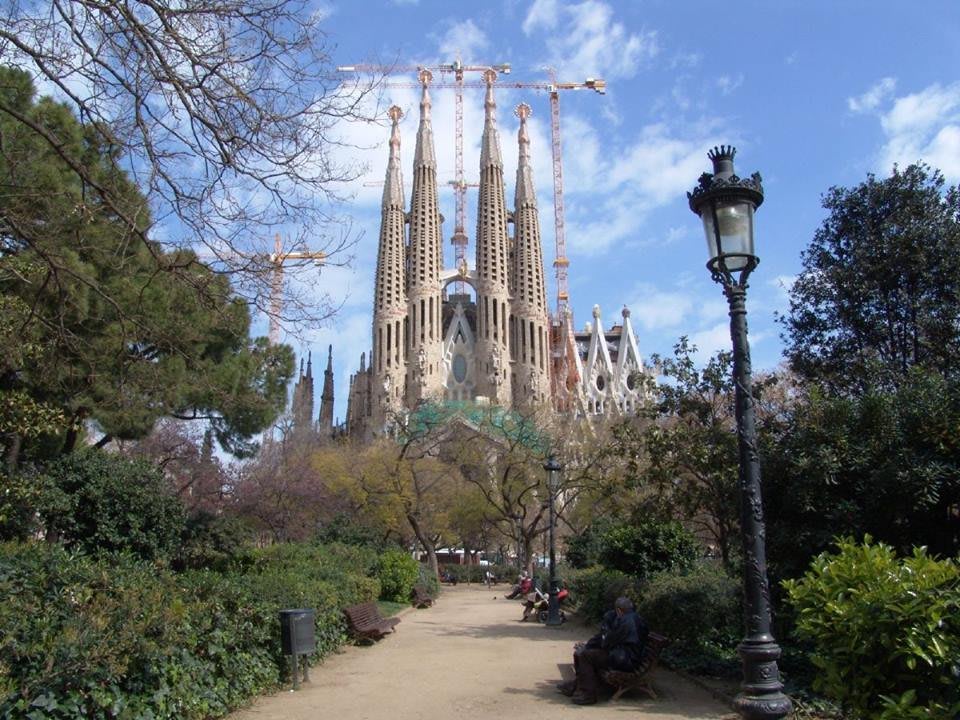
The Templo Expiatório da Sagrada Família
It was designed by Antoni Gaudí in 1882.
It is considered one of the main works of the architect.