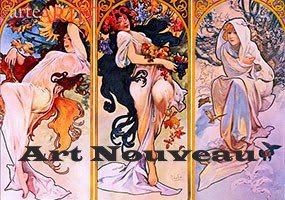
Art Nouveau
Art Nouveau: A Style of Ornamental Art
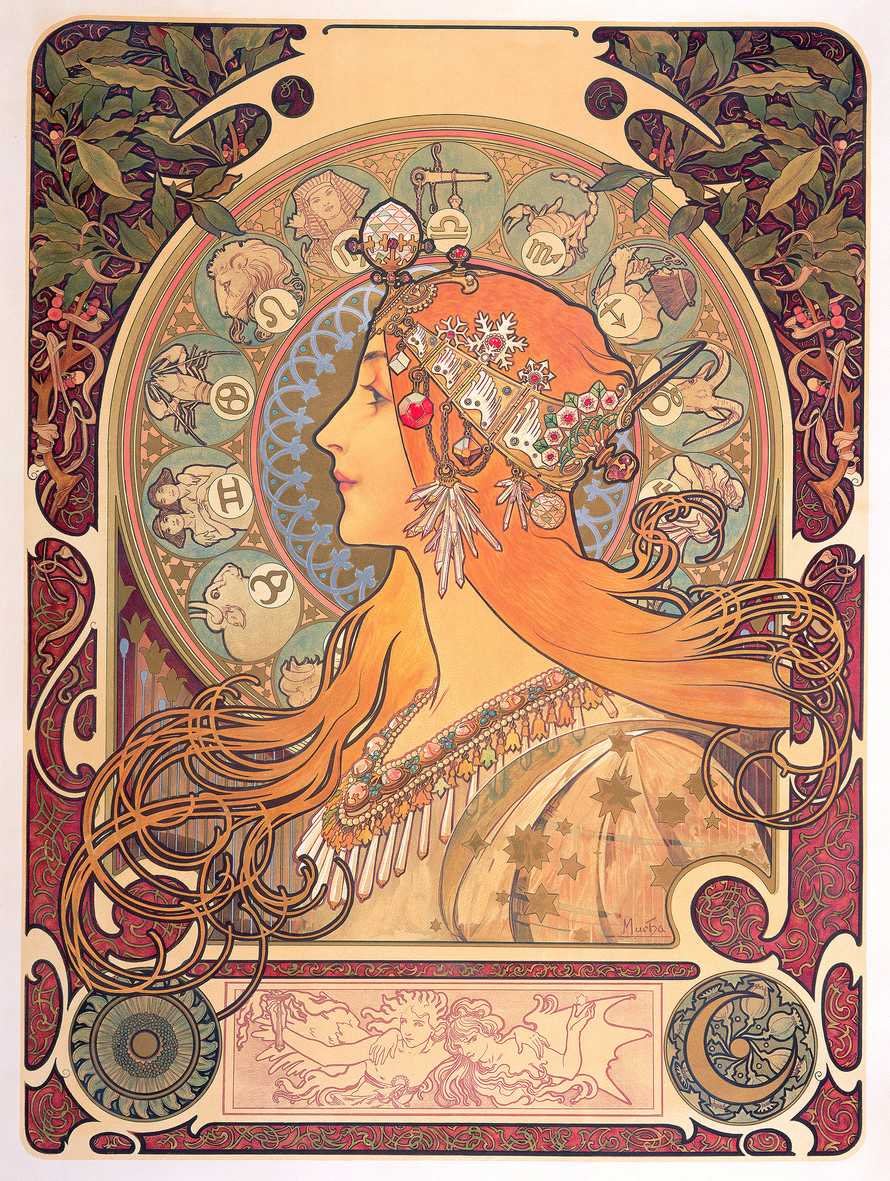
The end of the 19th Century was heavily influenced by the Czech artist Alphonse Mucha when he produced a lithographed poster in 1895 in Paris.
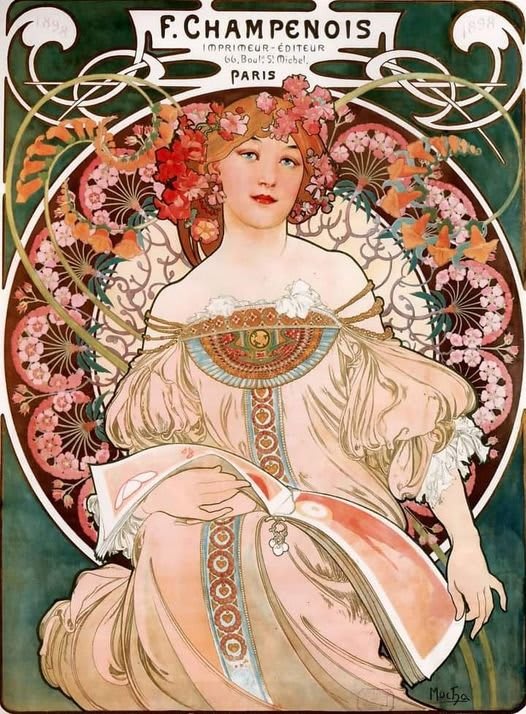
Initially known as Style Mucha, his style soon became known as Art Nouveau.
Art Nouveau was an ornamental art style that flourished between 1890 and 1910 across Europe and the United States.
The term 'Art Nouveau' was coined in Belgium, where the movement initially emerged.
It is characterized by the use of a long, sinuous, and organic line and was employed more frequently in architecture, interior design, jewelry design, glass, posters, and illustrations.
The movement was committed to abolishing the traditional hierarchy of the arts, which saw the so-called liberal arts, such as painting and sculpture, as superior to decorative arts.
It was a deliberate attempt to create a new style, free from the imitative historicism that dominated much of the art and design of the 19th Century.
The desire to abandon the historical styles of the 19th century was a major driving force behind Art Nouveau and established the modernism of the movement.
Industrial production was widespread at the time, yet the decorative arts were increasingly dominated by poorly made objects that imitated earlier periods.
Practitioners of this movement sought to revive good craftsmanship, elevate the status of craftsmanship, and produce genuinely modern design that reflected the functionality of the items they were creating.
In England, the immediate precursors to the style were the aesthetic of illustrator Aubrey Beardsley, which heavily relied on the expressive quality of the organic line, and the Arts and Crafts movement of William Morris, which established the importance of a vital style in applied arts.
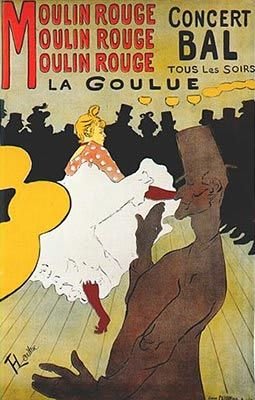
On the European continent, Art Nouveau was influenced by expressive line experiments by painters Paul Gauguin and Henri de Toulouse-Lautrec.
The movement was also partially inspired by a fashion for the linear patterns of Japanese prints used in the ukiyo-e style.
The defining feature of Art Nouveau is its distinctive, asymmetrical, and sinuous ornamental line, often taking the form of flower stems and buds, grapevine tendrils, insect wings, and other delicate and sinuous natural objects;
it can be elegant and gracious or infused with powerful rhythmic force.
In graphic arts, the line subordinates all other pictorial elements – form, texture, space, and color – to its own decorative effect.
In visual arts, the entire three-dimensional form becomes involved in the organic and linear rhythm, creating a fusion of structure and ornament.
Architecture shows this synthesis of ornament and structure particularly well;
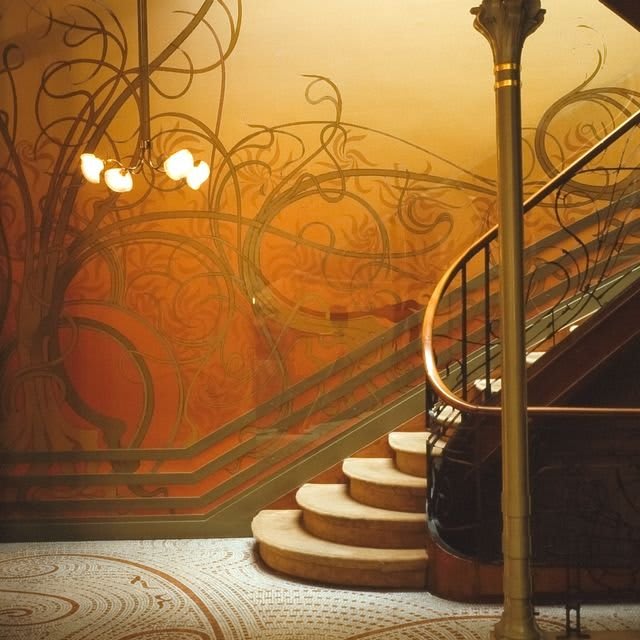
a liberal combination of materials – ironwork, glass, ceramics, and brickwork – was employed, for example, in the creation of unified interiors in which columns and beams became thick, sprawling vines with scattered tendrils and windows became openings for light and air and membranous protuberances of the entire organic whole.
This approach directly opposed traditional architectural values of reason and clarity of structure.
There is a large number of artists and designers who worked in the Art Nouveau style.
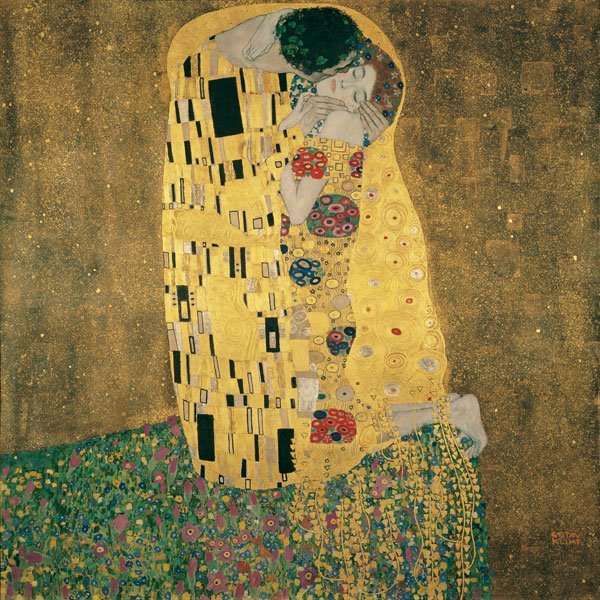
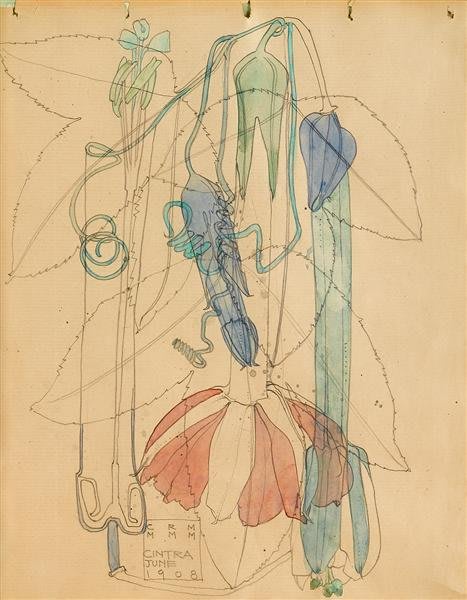
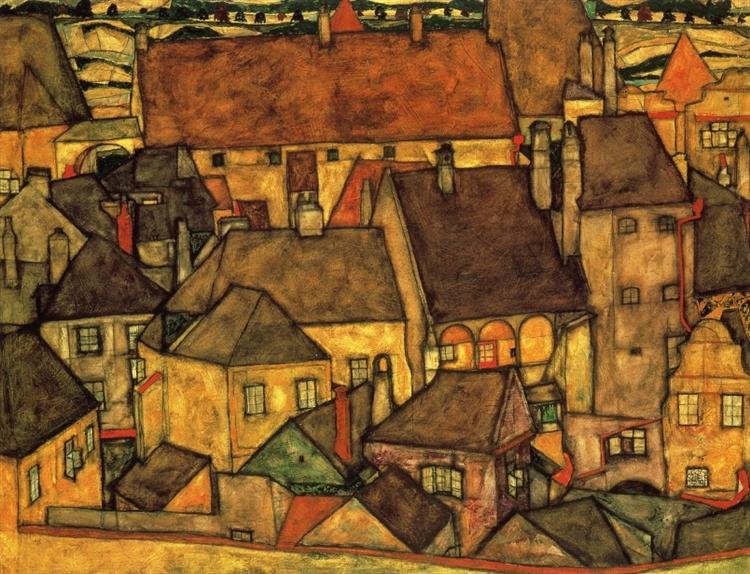
Some of the most prominent were the Scottish architect and designer Charles Rennie Mackintosh, who specialized in a predominantly geometric line and influenced the Secessions of Vienna, particularly the style of Gustav Klimt, Egon Schiele and others.
The Belgian architects Henry van de Velde and Victor Horta, whose extremely sinuous and delicate structures influenced the French architect Hector Guimard.
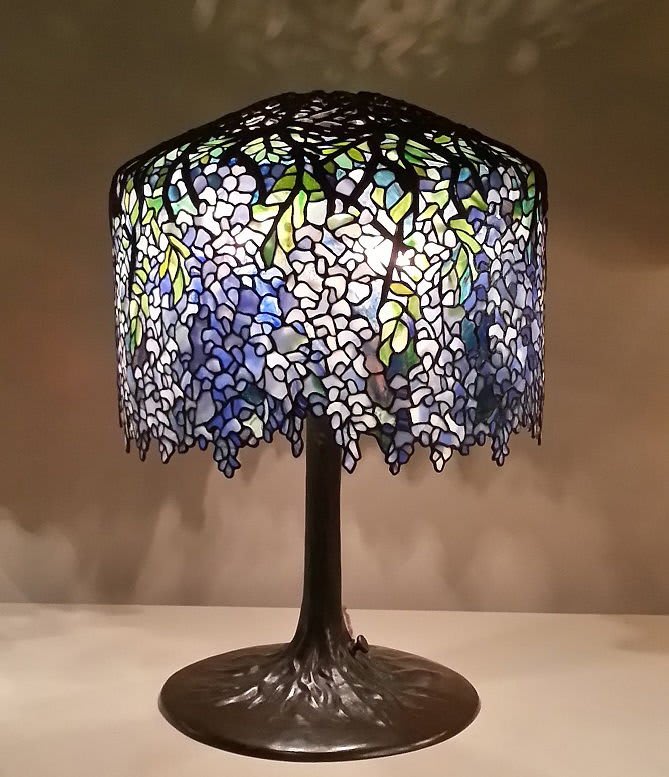
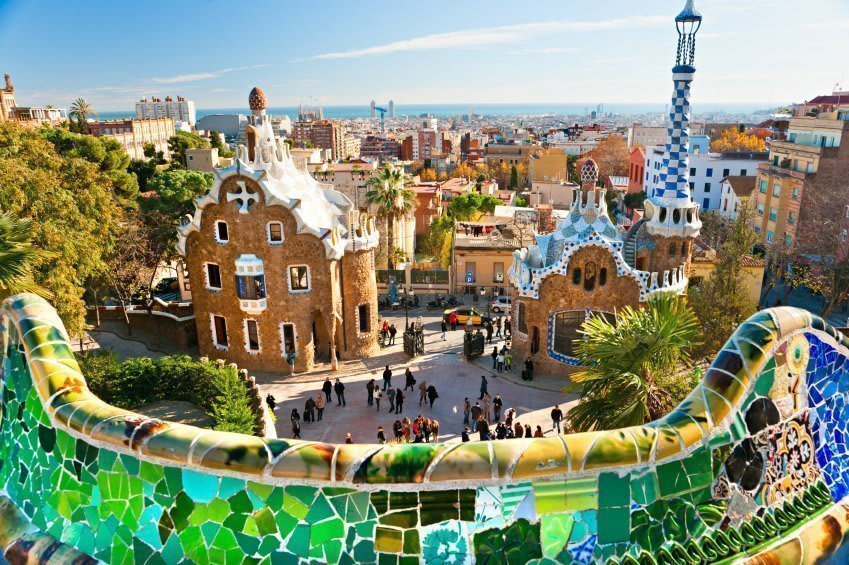
We can also highlight other important figures, such as the American interior designer and entrepreneur Louis Comfort Tiffany; the French furniture and metalwork designer Louis Majorelle; the Czechoslovakian painter, illustrator, and graphic designer Alphonse Mucha; the French jeweler, designer, and goldsmith René Lalique; and the famous Catalan architect and sculptor Antoni Gaudí, who is considered the most original artist of the movement, who went beyond dependence on the line to transform buildings into organic, curved, bulbous, and brightly colored constructions.
After the 1910s, Art Nouveau appeared outdated and limited and was generally abandoned as a distinct decorative style.
It went out of fashion long before the First World War, making way for the development of Art Deco in the 1920s.
Later, in the 1960s, however, the style experienced a resurgence, in part, due to large exhibitions organized at the Museum of Modern Art in New York and the National Museum of Modern Art, and also in a major retrospective held at the Museum Victoria & Albert in London in 1966.
The exhibitions elevated the status of the movement, which was often seen by critics as a fleeting trend, to the level of other major modern art movements of the late 19th century.
The currents of the movement were then revitalized in Pop Art and Op Art.
In popular culture, the organic, flowing lines of Art Nouveau were revived as a new psychedelic style in fashion and typography used on rock album covers and commercial advertising.
GALLERY