Biography of Marc Chagall: In-Depth Analysis of Works and the Impact of His Unique Style
Explore the life and art of Marc Chagall, a master of modern art who left an indelible legacy.
Chagall was a master artist who left an unforgettable legacy.
He was born in a small village in Belarus and grew up in a Jewish family.
Chagall's childhood was marked by a significant cultural and religious influence.
He was expelled from school for non-payment, but this did not prevent him from pursuing his passion for art.
Chagall began working as an apprentice to a glass artisan and later moved to Paris to study art.
There, he became friends with artists such as Picasso and Matisse.
Chagall was known for his colorful and expressive paintings that reflected his Jewish faith and his passion for life.
He was also a skilled glass artist and created many masterpieces for churches and synagogues.
GALLERY - COMMENTED ART
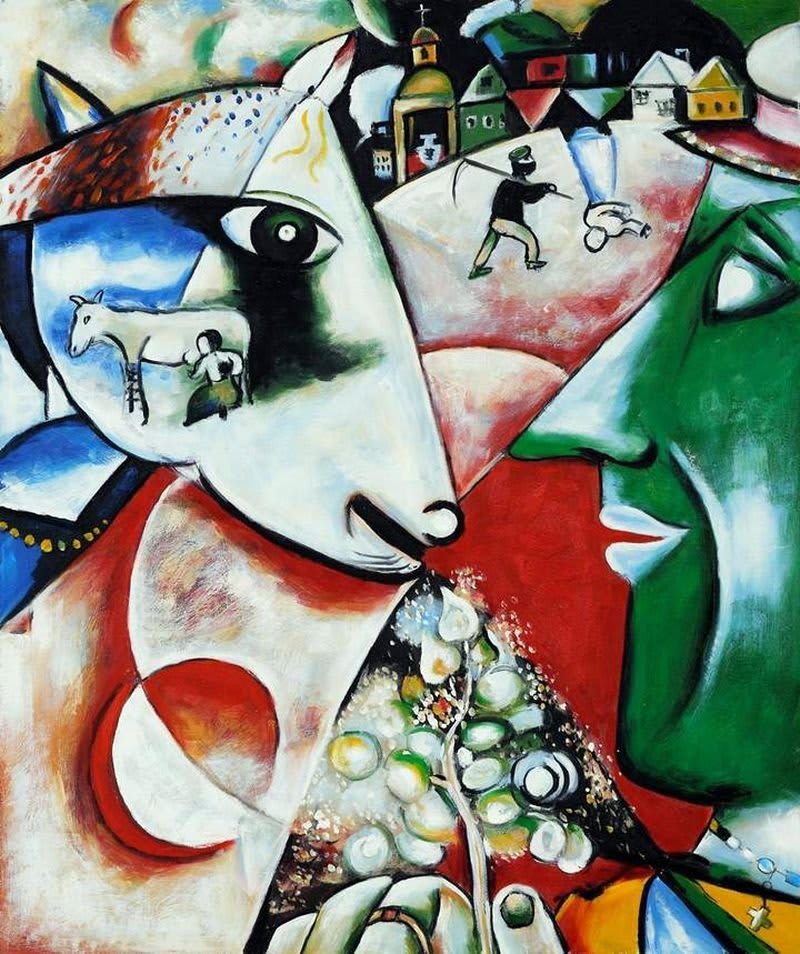
I and the Village - This is one of his early paintings that clearly shows the influences of Cubism and Fauvism, but unlike the works of Picasso or Matisse, Chagall is much more playful and liberal with decorative elements, creating a pastoral paradise outside the Russian countryside.
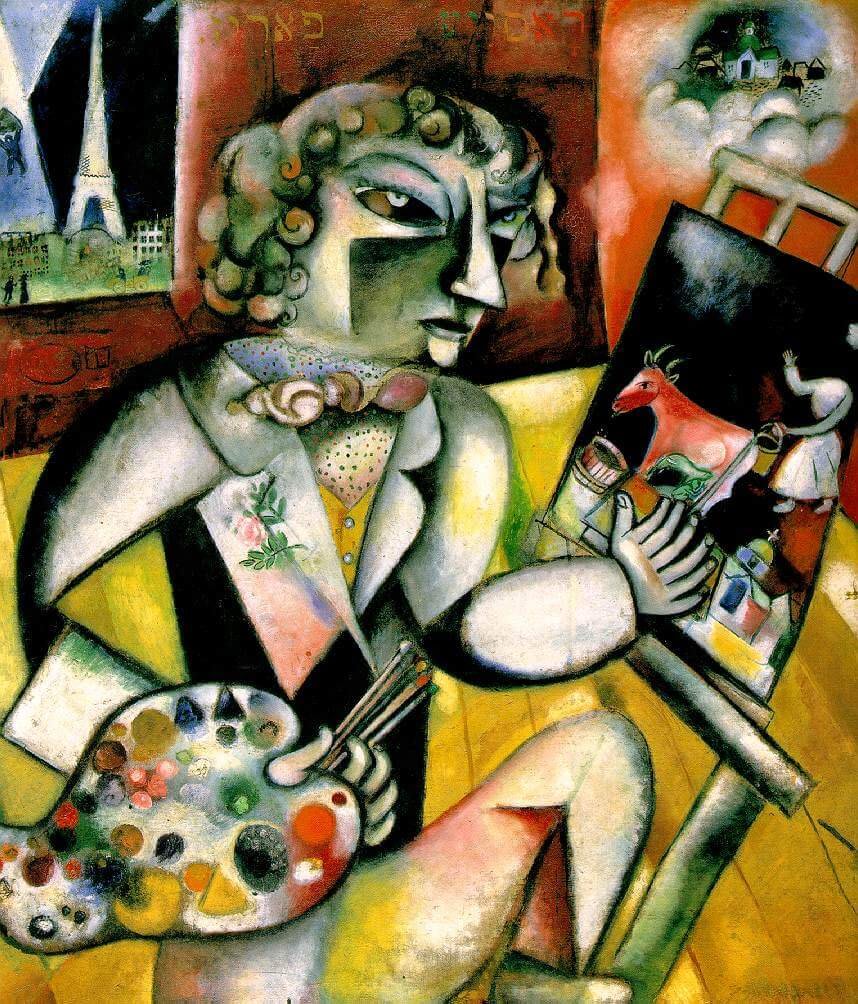
Self-Portrait with Seven Fingers - Two landscapes hover above the painter in this self-portrait: his new home in Paris and the memories of his childhood village in Belarus.
Chagall was able to convey impressive images using only two or three colors.
Blue was undoubtedly the dominant color in his paintings.
Window of Peace
After the sudden death of the Secretary-General of the United Nations (UN), Dag Hammarskjold, who died in a plane crash in 1961, a team of the United Nations created a Committee and a Foundation to provide a "living memorial" for Hammarskjold and all those who died in the cause of world peace.
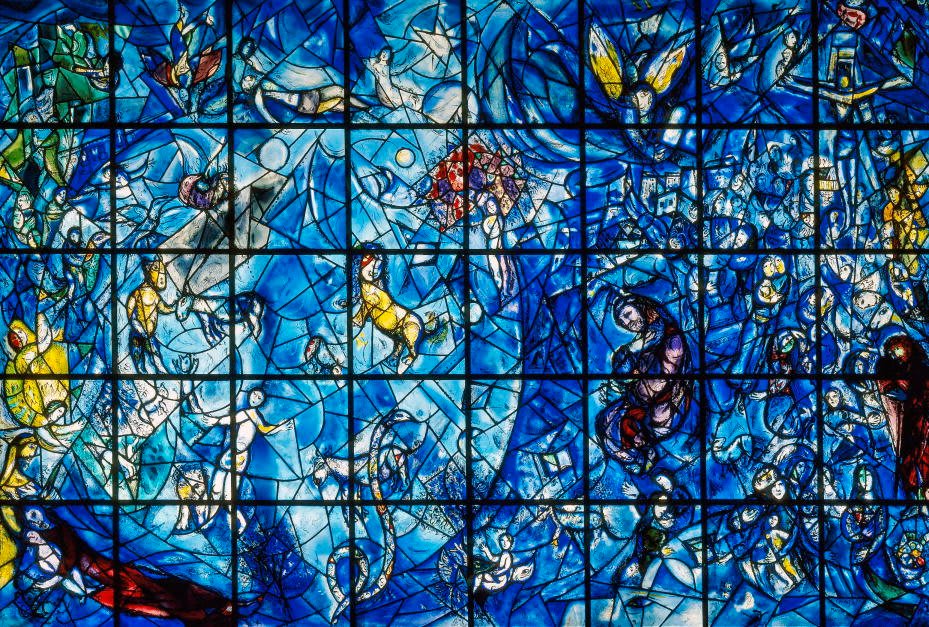
The width and details of the window are impressive, composed of floating figures and symbols based on faith, coexisting happily in a scene between heaven and earth.
The artist considered this window, now known as "Chagall's Window", not only a memorial to a man, but a kind of thank-you note to the country that gave him asylum during his time of need in World War II.
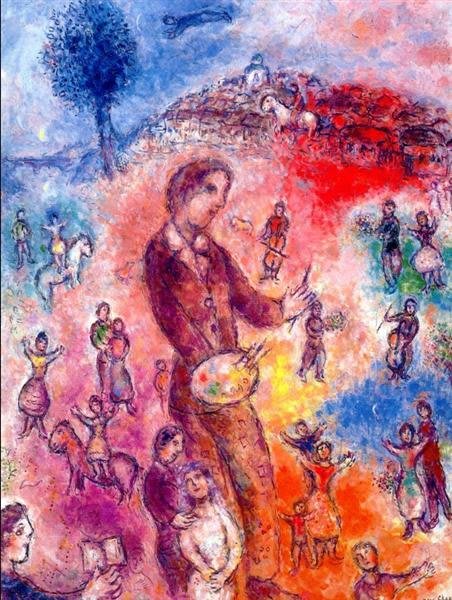
Artist at a Festival
Chagall's work was highly controversial and criticized.
Some believed that the turmoil he endured in his life should have impacted his paintings and made his images more realistic and striking.
Others thought he was disconnecting from his true Jewish roots and Russian education.
Regardless of the spectators' opinions, Chagall chose to express optimism and passion for life through his art, using bright and contrasting colors and distinct lighting.