Caravaggio: Biography and Major Works: Dramatic Works, Sacred Themes and Lasting Visual Impact
Explore the dramatic and sacred works of Caravaggio, including 'Judith Beheading Holofernes' and 'The Death of the Virgin', and understand his lasting visual impact on art history.
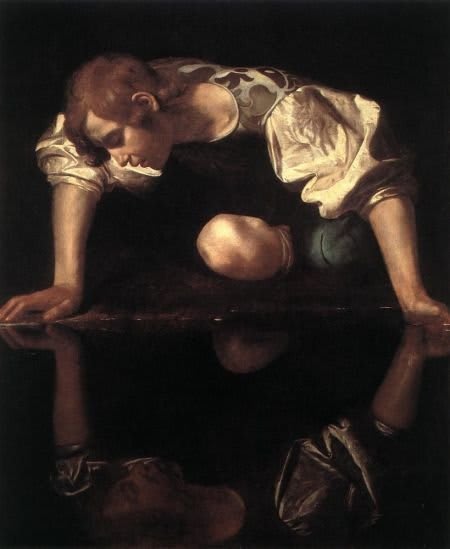
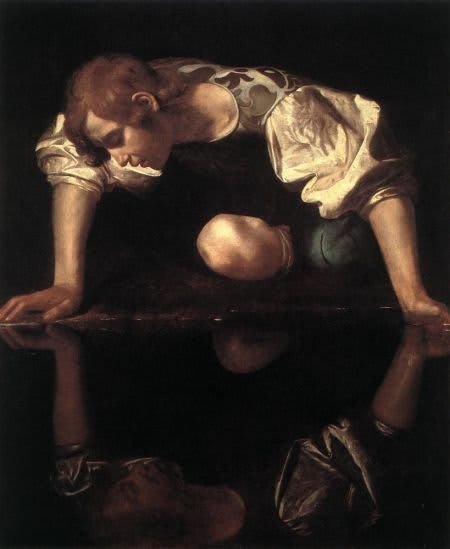
Narcissus - Read the artwork by clicking here and learn more
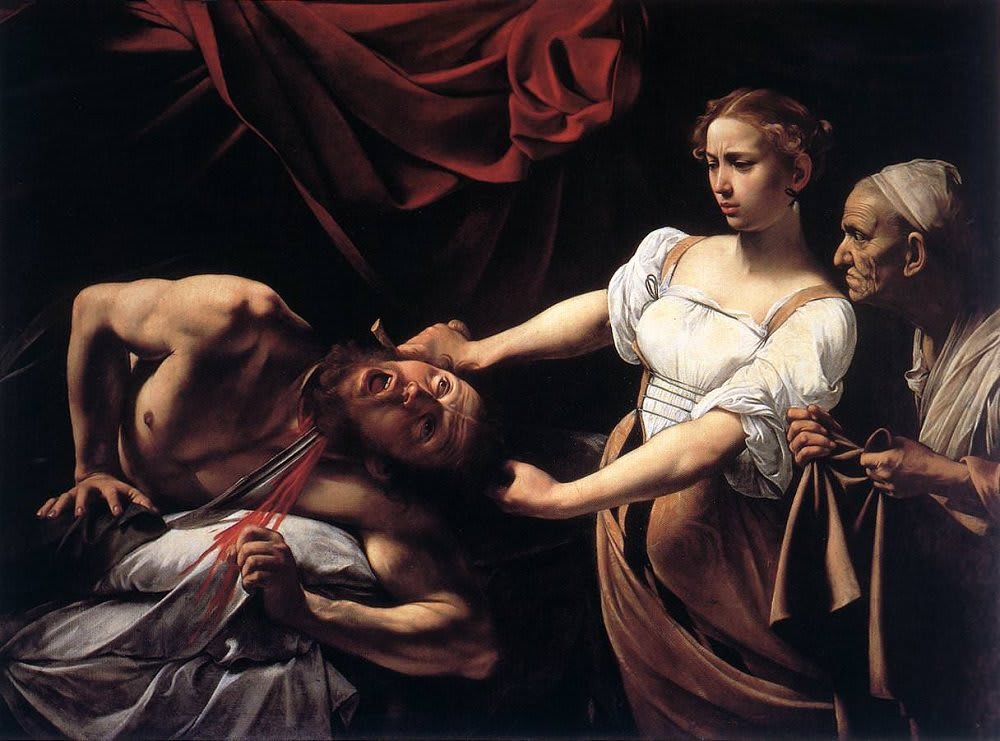
Judith Beheading Holofernes is Caravaggio's captivating depiction of a story from the Deuterocanonical Book of Judith, which describes the events that led a young woman to assassinate the powerful General Holofernes.
The background of the painting is extremely dark, except for the red curtain of the bed, which creates a powerful contrast and amplifies the assassins' atmosphere of the scene.
This was Caravaggio's first intensely dramatic painting, which accurately details the physiology of the figures and captures magnificently this violent passage from life to death.
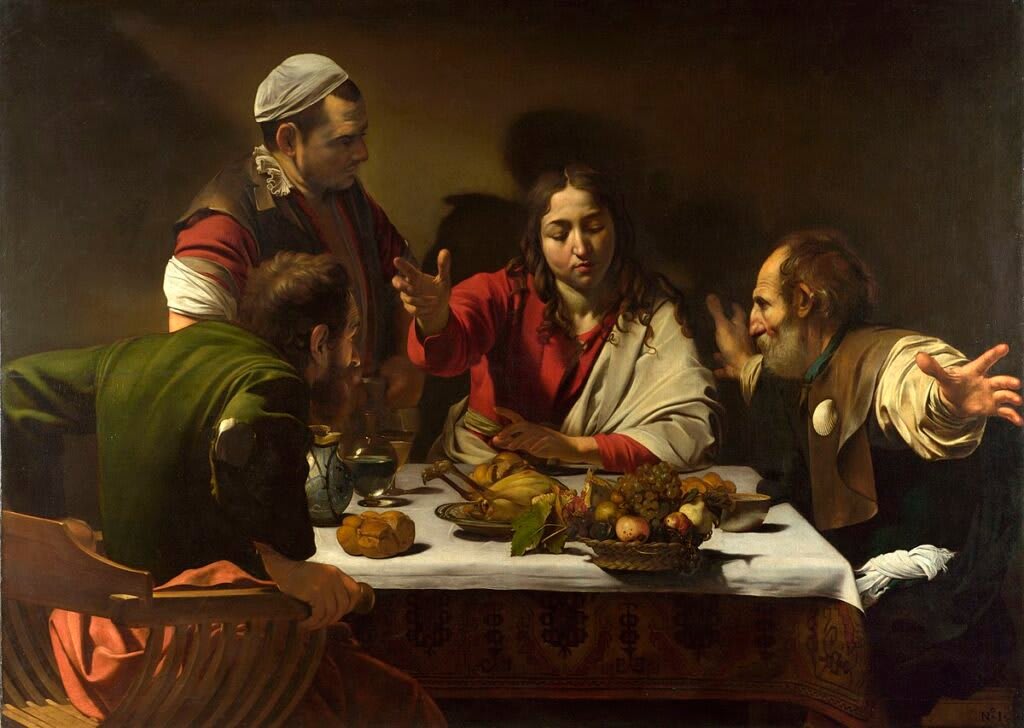
The Last Supper - Christ is shown at the moment of blessing the bread and revealing his true identity to the two disciples. Caravaggio's innovative treatment of the subject makes this one of his most powerful works. The representation of Christ is unusual, as he does not have a beard, and the great emphasis is given to the still life on the table. The intensity of the emotions of Christ's disciples is conveyed by their gestures and expressions. The viewer is also forced to feel like a participant in the event.
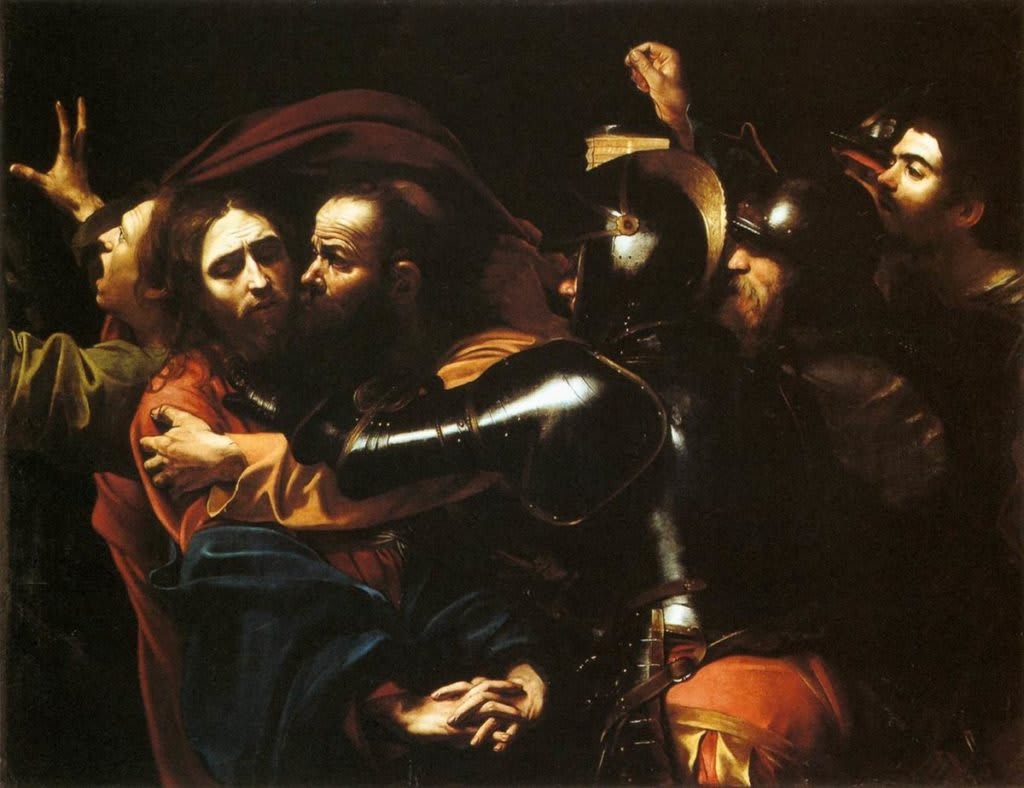
The Arrest of Christ - This painting depicts the moment when Jesus Christ is arrested to be crucified. There are seven figures in total in the painting, one of which is his self-portrait. Caravaggio places himself to the right, holding the lamp.
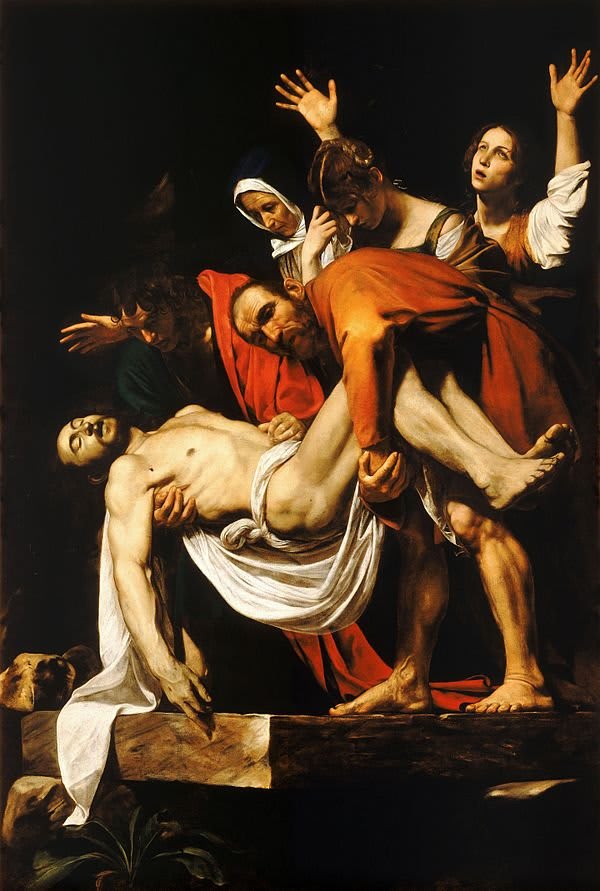
The Burial of Christ - Caravaggio did not depict the burial or deposition in the traditional way, as Christ is not shown at the moment when he is laid in the tomb, but rather when he is placed by Nicodemus and John on the Stone of Anointing, at the location where the sepulcher will be closed. Around Christ's body are the Virgin Mary, Mary Magdalene, John, Nicodemus, and Mary of Cleophas, who raise their arms and eyes to the sky in a gesture of high dramatic tension.
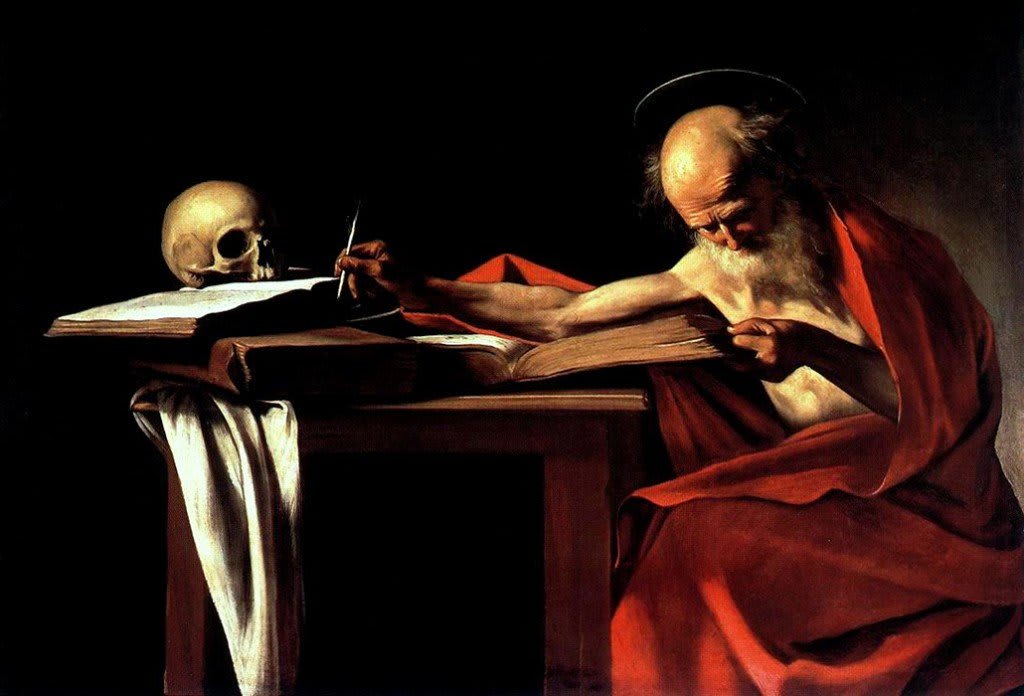
Saint Jerome - This painting reveals the saint in a austere environment and in the process of writing. He is stretching his thin and muscular arm to gather ink on the quill, concentrating on what he is doing. The skull on the table is a reminder of our mortality.
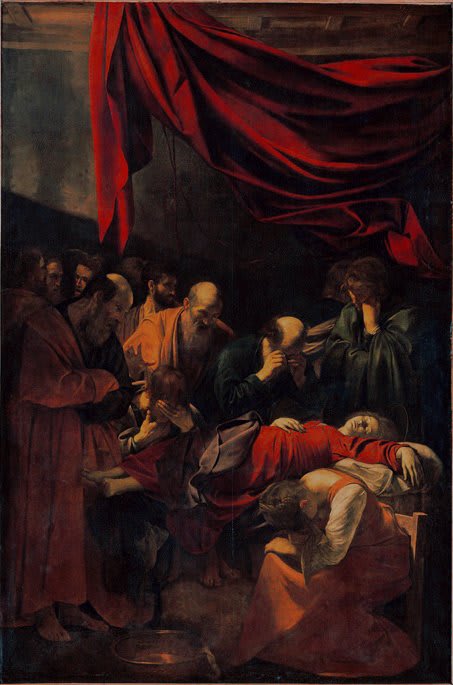
The Death of the Virgin - This is not a simplified composition, limited to three or four people. Nor is it marked by any degree of movement. At least eight people are gathered around the body - arranged in a way to guide the viewer's gaze to the deceased Virgin - and the whole atmosphere of the image is one of intense and silent sorrow. The mourning clothes and the bedclothes seem to absorb and muffle all sound, thus intensifying the sorrow.
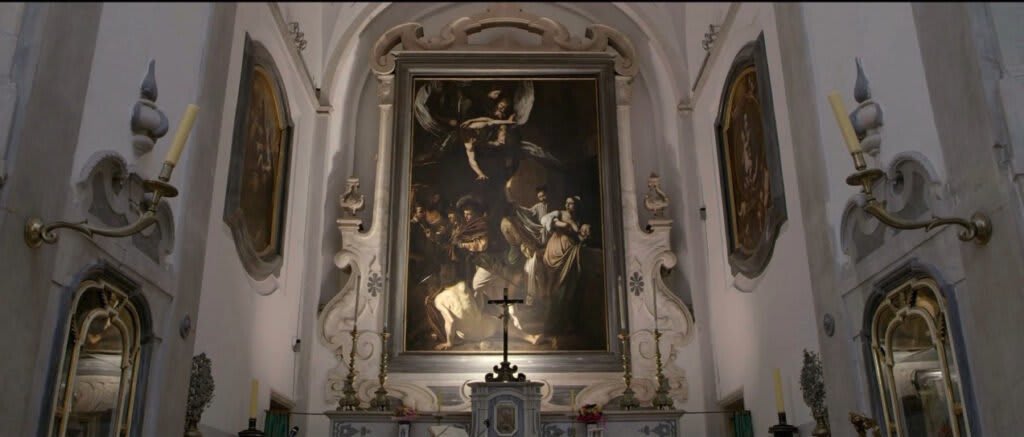
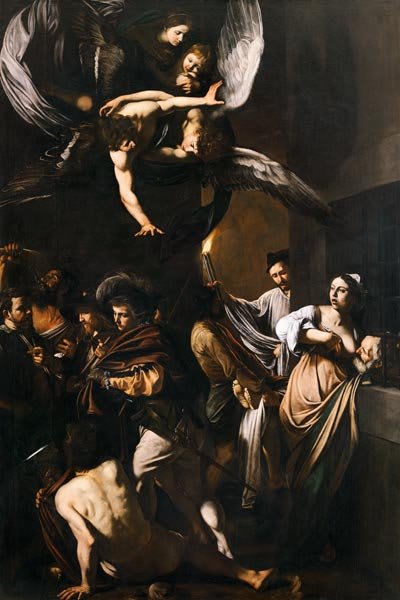
The Seven Works of Mercy was commissioned by seven young Neapolitan aristocrats who founded the Church of Pio Monte della Misericordia in 1601.
The painting depicts the Catholic belief in the seven works of mercy: burying the dead, visiting the imprisoned, feeding the hungry, protecting the homeless, clothing the naked, visiting the sick, and quenching the thirsty. In his majestic work, Caravaggio managed to include all of them in a single composition full of symbolism and drama. The upper part of the painting is dedicated to the Virgin Mary, who, together with a young Jesus and supported by two angels, represents mercy and compassion.