
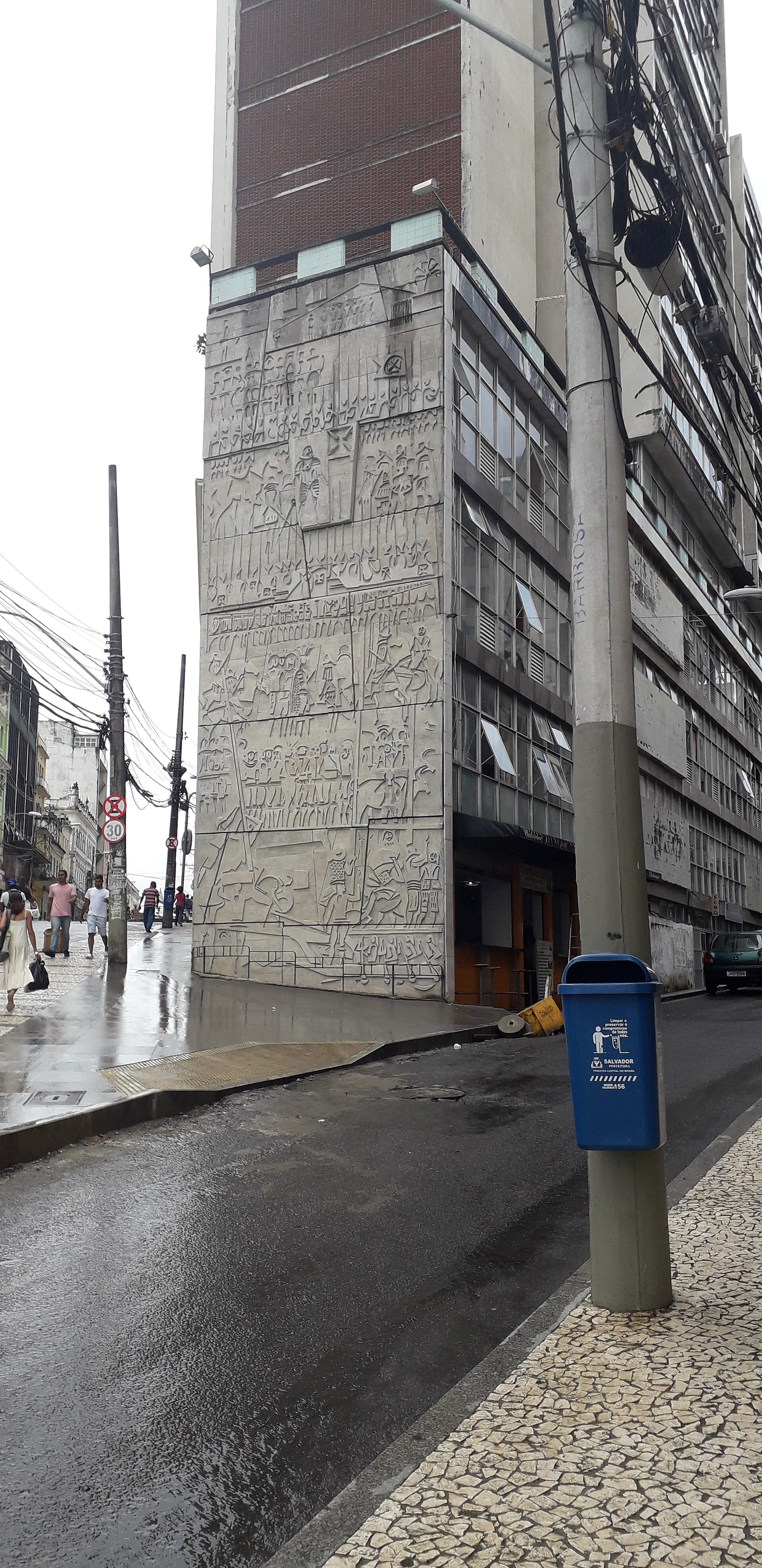
Carybé: Biography and Work: The Formative Years and the Beginning of His Artistic Journey
Carybé: Biography and Work: The Formative Years and the Beginning of His Artistic Journey
Hector Julio Páride Bernabó, better known as Carybé, is considered one of the most important Brazilian painters - the name Carybé comes from a Brazilian fish.
He was a painter, sculptor, engraver, draftsman, potter, muralist, researcher, historian, and journalist.
Carybé naturalized as a Brazilian in 1957, becoming famous for his characterizations, using different painting techniques with themes of black and mulatto women from Bahia, colonial times, and African culture in Brazil.
Carybé: BIOGRAPHY
Carybé was born in the city of Lanús, Argentina on February 7, 1911.
He was the youngest of five children of the couple Enea Bernabó and Constantina González de Bernabó.
When Hector was six months old, his family moved to Italy, where they stayed until 1919, when his father decided to return to the American continent, this time to Brazil, where they settled in Rio de Janeiro.
In 1929, the family left Brazil and returned to Argentina, with Carybé having his 18th birthday when he got to know his native land.
Although residing in Brazil for only two years, Hector attended two years of the Escola de Belas Artes in Rio de Janeiro.
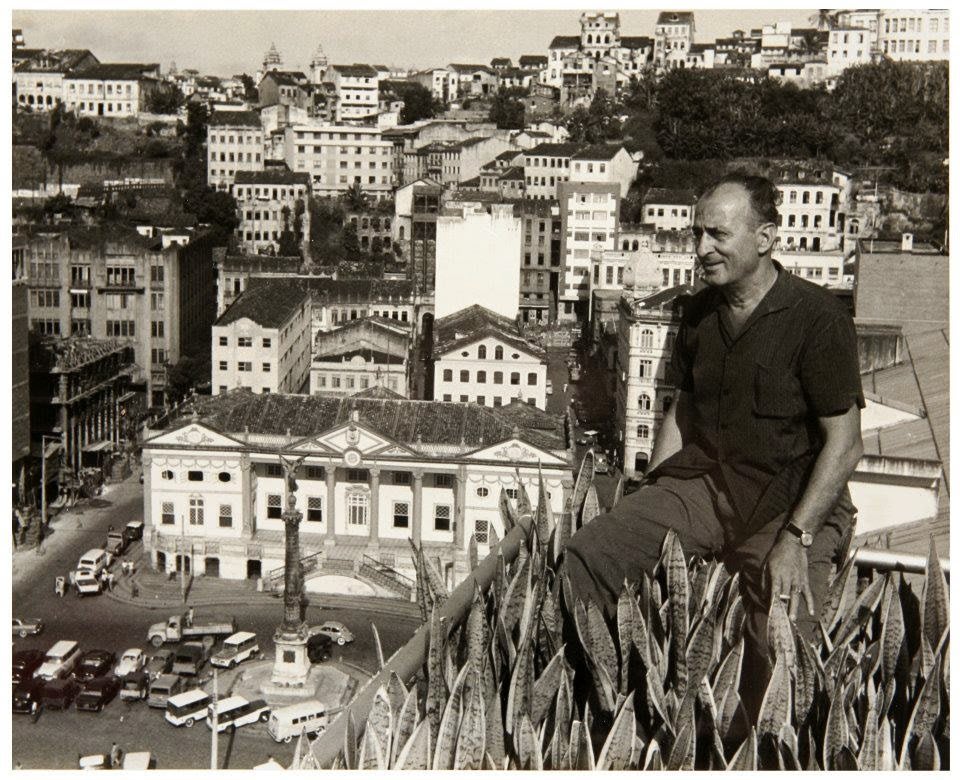
In the 1930s, in Argentina, Carybé and his brothers Bernabó were hired for a new newspaper, “El Pregón”, each in a different function.
Demonstrating his skills and artistic knowledge, Carybé was hired as a draftsman, thus having the opportunity to travel to different countries with the responsibility of sending drawings and a brief report on the places he visited.
It was during this period that the artist met his beloved Salvador da Bahia.
The 1940s were a productive decade for the artist, both personally and professionally.
Carybé held different exhibitions between Argentina and Brazil.
In 1946, he married Nancy Colina Bailey in Argentina, and in 1947, their first son, Ramiro, was born in Buenos Aires.
In late 1949, Carybé left Argentina and moved to Brazil to work on a grant in Bahia.
To understand the rest of this journey, continue to our next article: Carybé: Biography and Work: Consolidation in Bahia and the Legacy of a Master.


