Complete Biography of Roy Lichtenstein: Iconic Works of Pop Art
Complete Biography of Roy Lichtenstein: Iconic Works of Pop Art
His first fully realized paintings were based on comic book and advertisement images reproduced in a style that imitates the coarse printing processes of newspaper reproduction.
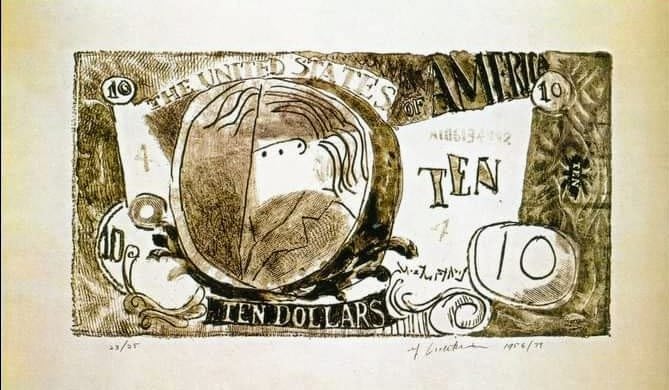
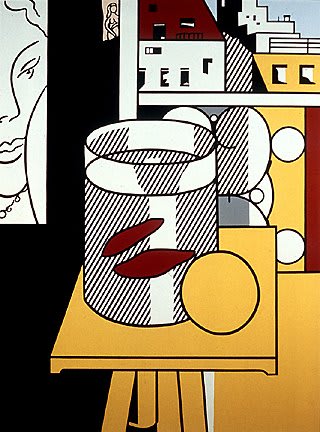
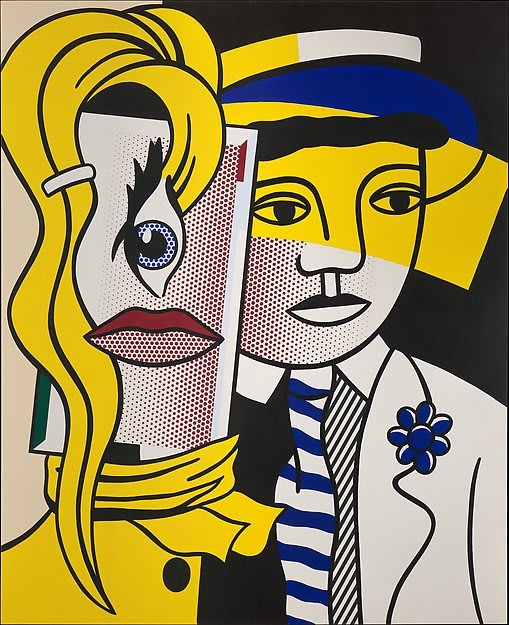
This is a lithograph in which the artist applies a combination of American art and cubism. It is part of the beginning of his work related to pop art.
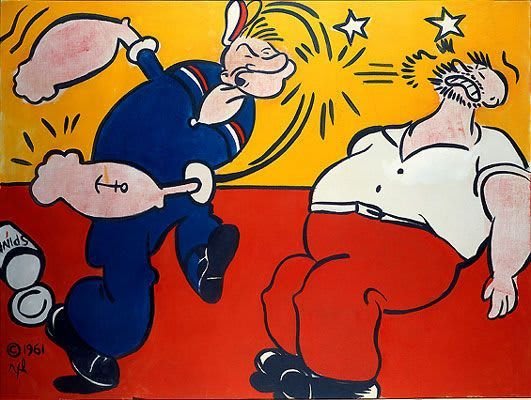
Popeye - In this period, he chose immediately recognizable characters such as Mickey Mouse and Popeye, which was one of the first pop-style paintings Lichtenstein created. In this painting, Popeye appears with his rival Bluto. The work also stands out as one of the last in which Lichtenstein actually signed his name on the surface of the image. Some suggested that Popeye's punch was a clever response to one of the reigning ideas in contemporary art criticism that the design of an image should cause an immediate visual impact.
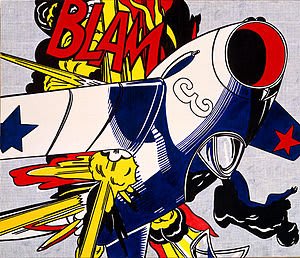
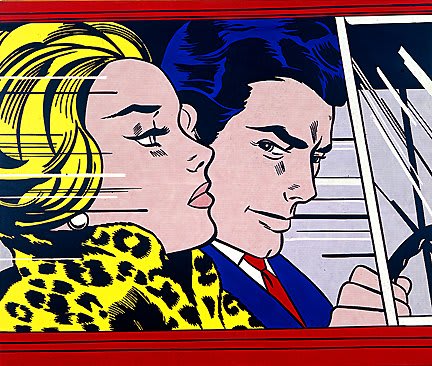
Kiss V - This work is just one of several images based on animated cartoons created during Lichtenstein's peak popularity. It is uncertain what the background story may be between these two characters. Perhaps they are separating, enveloped in a painful hug as they say goodbye to each other with a final kiss. Or perhaps we are witnessing a happier moment, with tears of joy caused by a reunion after a long and anguished separation.

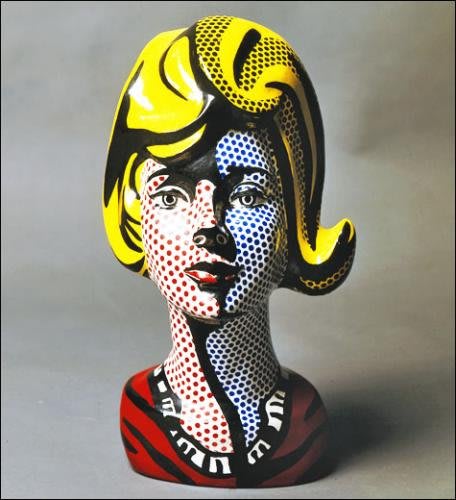
Blonde - In 1965, his interest in shadow and light led him to sculpt ceramic heads. He was interested in bringing two-dimensional symbols to a three-dimensional object
About this piece, Lichtenstein declared:
"I always wanted to characterize someone as a comic book story. I was going to put makeup on a model with black lines around the lips, dots on the face, and a yellow and black wig".
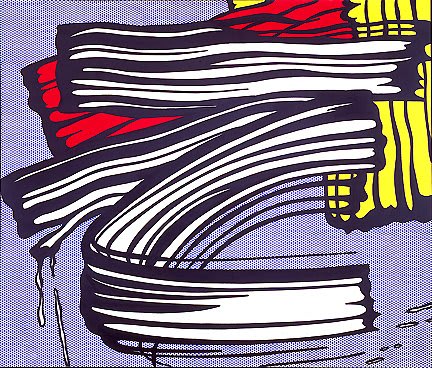
Little Big Painting - This is an example of a work aimed at abstract expressionism that the artist employed at the end of the 1960s.
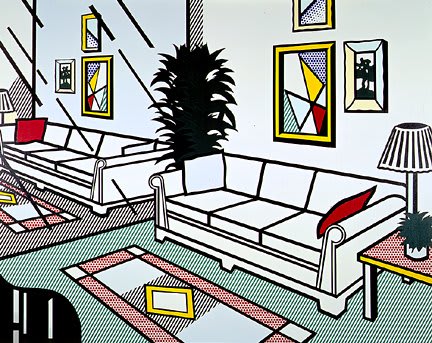
Mirror - Vapor, reflections, and shadows were signs for themselves that would be immediately recognized as such by any viewer.
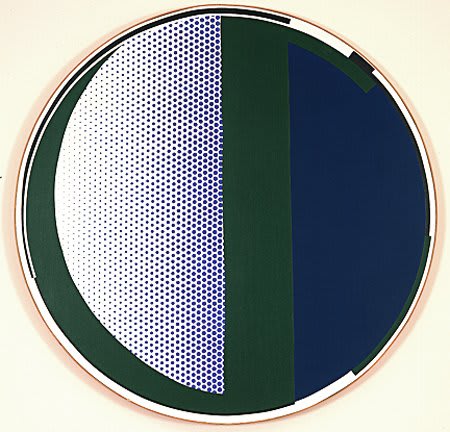
During the 1970s, Lichtenstein expanded his palette beyond primary colors. He created forms in his composition by juxtaposing, overlapping, fragmenting, and reassembling these images.
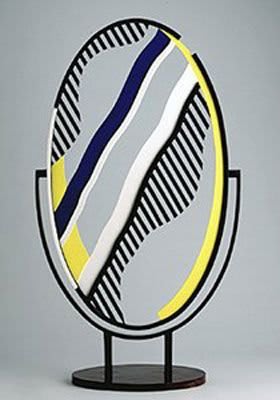
Mirror I - Roy Lichtenstein was particularly fascinated by the abstract way cartoonists drew mirrors, using diagonal lines to denote a reflective surface. He once commented: "Now, you see these lines and know it means 'mirror,' although, of course, such lines do not exist in reality. It's a convention we accept unconsciously." Although the series may have been inspired by the appearance of mirrors in animated cartoons, the artist clearly also wanted to engage with themes of reproduction and reflection, which interested artists at least since the Renaissance.
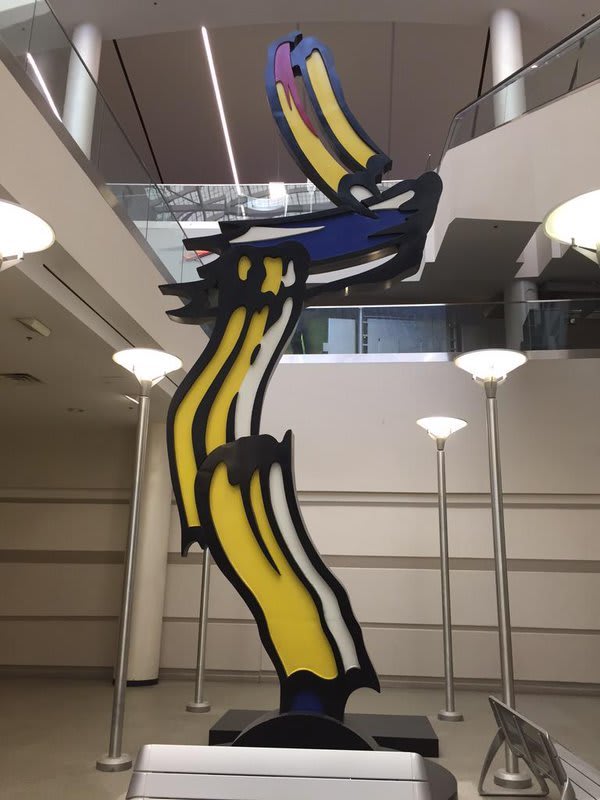
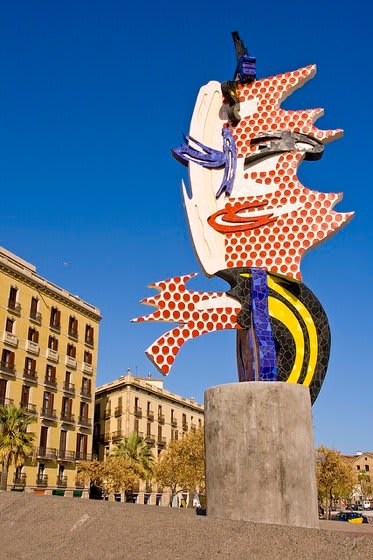
Lichtenstein carried out large public sculpture commissions in Miami Beach, Columbus, Minneapolis, Paris, Singapore, and Barcelona.
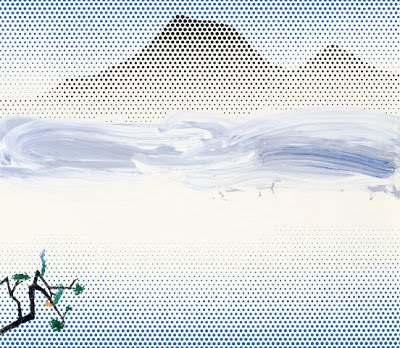
Misty Landscape - Following the Chinese tradition of the Song Dynasty, Lichtenstein created some lithographs, following his own style by creating the composition in which he also uses abstraction, as we can observe in this landscape...