Contemporary Art: Expressions, Languages, and Pioneering Artists
Discover the diversity of contemporary art through its main languages, such as Conceptual Art, Op Art, and Installations, and the masters who define it.
CONCEPTUAL ART - From the Series 'Bastidores'. Rosana Paulino. 1994
Rosana Paulino, a Brazilian visual artist, questions the prejudice that still prevails in society in this series titled 'Bastidores'. She presents images of black women, overlaying an aggressive stitching on their mouths, eyes, or throats, highlighting the silence of enduring in silence.
The evolution of Brazilian contemporary art is marked by figures who broke with traditional forms to explore new social and sensory dimensions. Hélio Oiticica and His Main Works
We highlight here some of the languages: Op Art, Installation, Interference, Performance, Happening, Minimalism, Conceptual Art, Urban Art, Video Art, Hyperrealism, Land Art, Internet Art, among others...
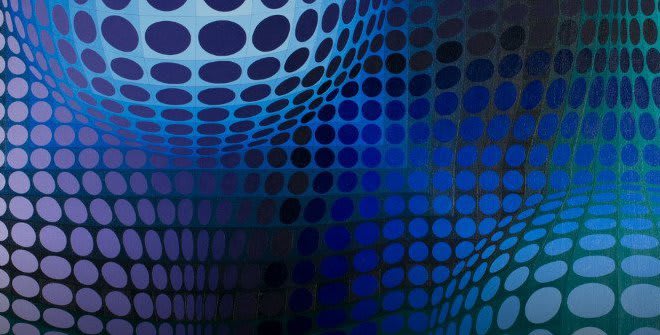
This is one of the most iconic works by Tunga (1952-2016). True Rouge is born from the poem by Simon Lane that gives it its title, describing the occupation of space by red, using puns between French and English. The suspended objects on the ceiling, connected by interdependent structures, allude to a large puppet theater: a sculpture of manipulation using gravity without, however, touching the ground.
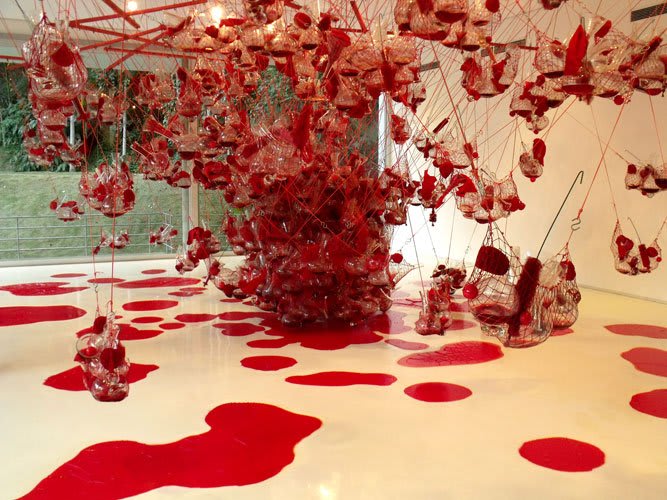
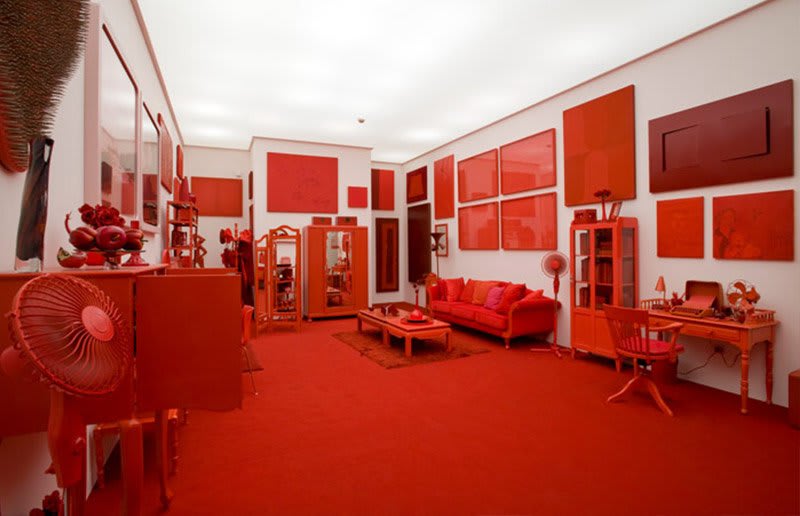
Cildo Meireles is one of the most important contemporary Brazilian artists. His work presents political and philosophical proposals, using conceptual art as one of the most influential influences in the scope of his artistic production. His installations bring clear political denunciations, such as in Desvio para o Vermelho, presented for the first time in 1967 at the Museu da Arte Moderna do Rio de Janeiro (MAM/RJ). Today it is one of the most iconic works at the Inhotim. The title of the work refers to the physical phenomenon 'desvio para o vermelho', a particular case of the Doppler Effect, which indicates the red color as the frequency of light perceived by the observer when celestial bodies move away.
The use of space and color as political or emotional statements is a recurring theme among the most influential modern masters of the region. Manabu Mabe - Life and Work
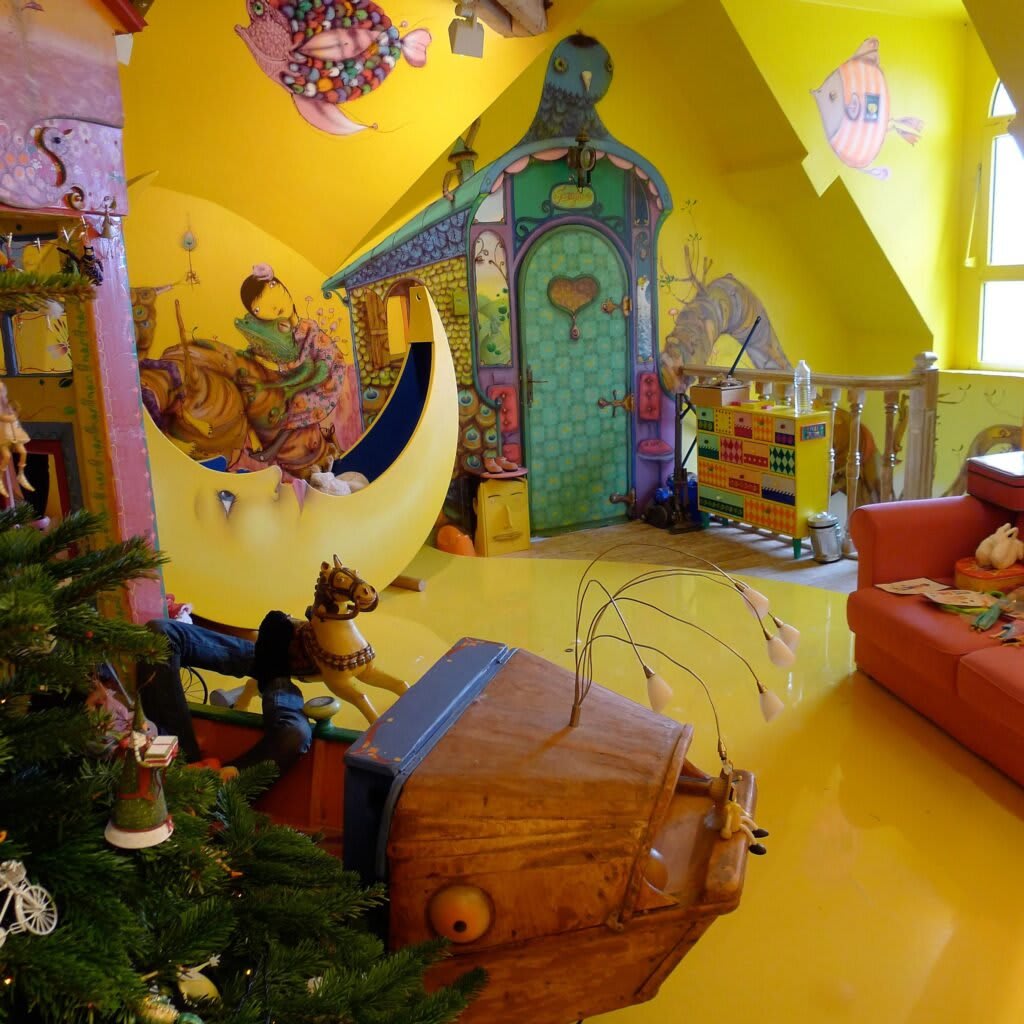
To learn more about OSGEMEOS, click here
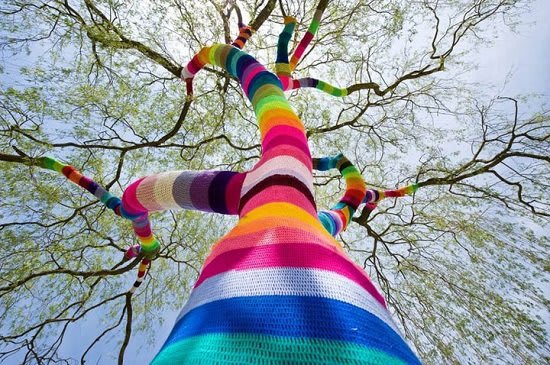
Art that Warns
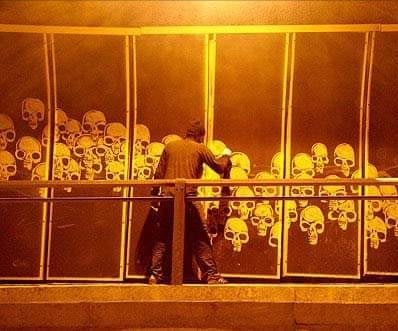
In 2006, the visual artist Alexandre Órion, transformed the pollution of São Paulo's tunnels into urban art. Over 13 intense morning shifts with dozens of pieces of fabric, he drew skulls cleaning the inner walls of the Nine of July Tunnel. It was 250 meters long.
This spirit of physical intervention and unconventional methods traces back to the pioneers of action and movement in modern art history. Biography of Jackson Pollock: From Childhood to Artistic Legacy
To understand the rest of this journey, continue with our next article: Contemporary Art: The Diversity of Techniques and Current Themes.


