
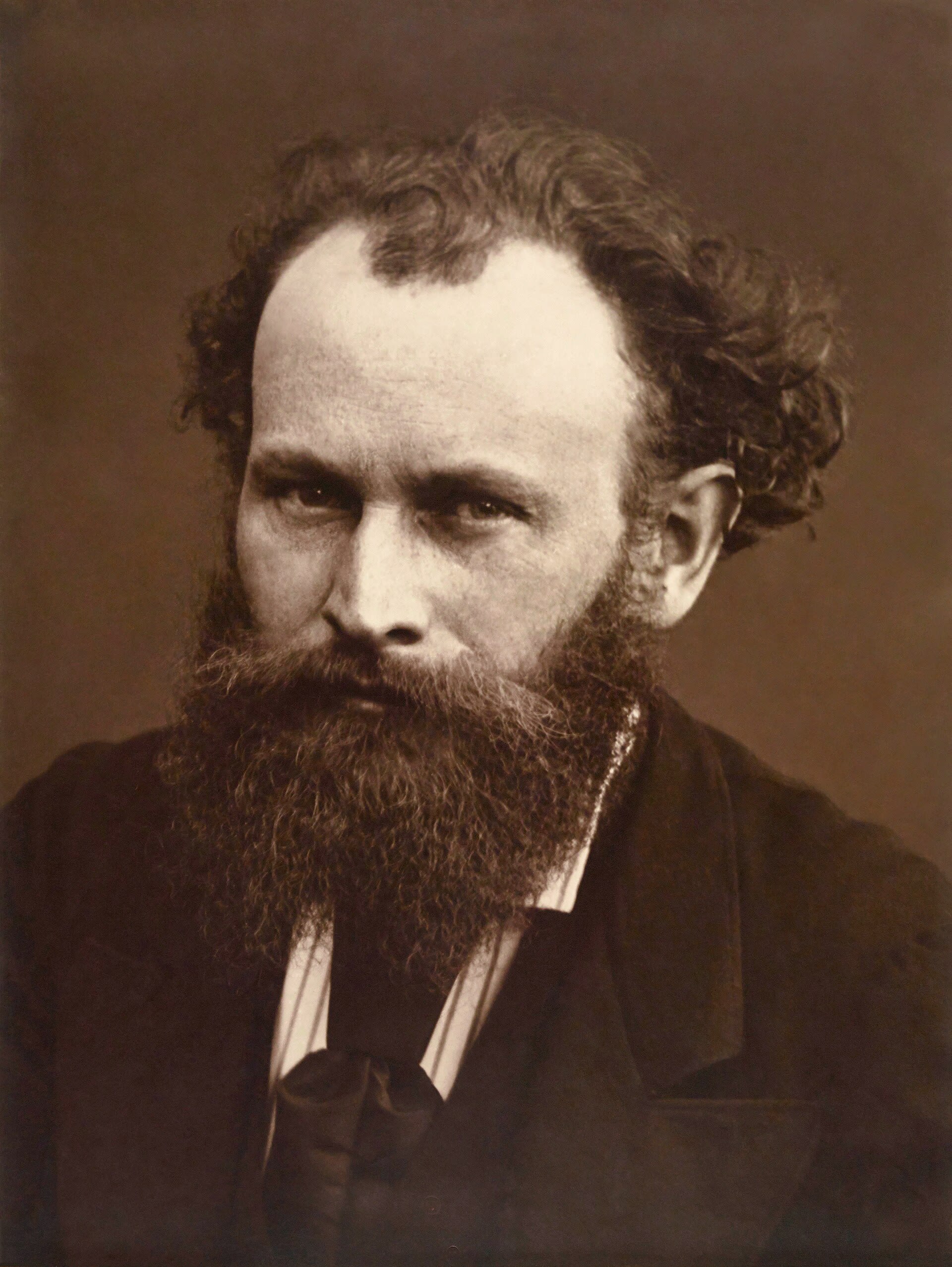
Édouard Manet: Biography and Works: The Life of the Father of Modern Art
(Sem Penalidade CLS)
Édouard Manet was an important French painter, one of the first artists of the 19th century to depict modern life. He was also a central figure in the transition from realism to impressionism.
Édouard Manet was one of the first artists to paint modern life, and his work had a profound impact on the art and society of his time.
(Sem Penalidade CLS)
Édouard Manet: BIOGRAPHY
Édouard Manet was born in Paris on January 23, 1832, into an upper-middle-class family. His father, August, was a dedicated, high-ranking civil servant, and his mother, Eugenie, was the daughter of a diplomat.
Manet was passionate about art from an early age, attending drawing courses at the École Rollin and the Naval Academy.
In 1849, Manet had an affair with his family's piano teacher, Suzanne Leenhoff. This affair resulted in a boy born in 1852, Leon, who was raised by Suzanne's family and, to avoid scandal for Manet's aristocratic family, was presented to society as Suzanne's younger brother and Édouard Manet's godson.
In 1850, Manet traveled to Italy, both for art and social diversion.
In January 1850, true to his rebellious nature, instead of attending the École des Beaux-Arts to learn what he considered outdated methods, Manet entered the studio of Thomas Couture.
In 1856, he left Couture studio and opened his own atelier on Rue Lavoisier.
His ability to set up his own space was entirely due to his financial security, which also allowed him to live his life and create art on his own terms.
Manet was passionate about art from an early age, attending drawing courses at the École Rollin and the Naval Academy.
In 1849, Manet had an affair with his family's piano teacher, Suzanne Leenhoff. This affair resulted in a boy born in 1852, Leon, who was raised by Suzanne's family and, to avoid scandal for Manet's aristocratic family, was presented to society as Suzanne's younger brother and Édouard Manet's godson.
In 1850, Manet traveled to Italy, both for art and social diversion.
In January 1850, true to his rebellious nature, instead of attending the École des Beaux-Arts to learn what he considered outdated methods, Manet entered the studio of Thomas Couture.
In 1856, he left Couture studio and opened his own atelier on Rue Lavoisier.
His ability to set up his own space was entirely due to his financial security, which also allowed him to live his life and create art on his own terms.
Manet was passionate about art from an early age, attending drawing courses at the École Rollin and the Naval Academy.
In 1849, Manet had an affair with his family's piano teacher, Suzanne Leenhoff. This affair resulted in a boy born in 1852, Leon, who was raised by Suzanne's family and, to avoid scandal for Manet's aristocratic family, was presented to society as Suzanne's younger brother and Édouard Manet's godson.
In 1850, Manet traveled to Italy, both for art and social diversion.
In January 1850, true to his rebellious nature, instead of attending the École des Beaux-Arts to learn what he considered outdated methods, Manet entered the studio of Thomas Couture.
In 1856, he left Couture studio and opened his own atelier on Rue Lavoisier.
His ability to set up his own space was entirely due to his financial security, which also allowed him to live his life and create art on his own terms.
Manet was passionate about art from an early age, attending drawing courses at the École Rollin and the Naval Academy.
In 1849, Manet had an affair with his family's piano teacher, Suzanne Leenhoff. This affair resulted in a boy born in 1852, Leon, who was raised by Suzanne's family and, to avoid scandal for Manet's aristocratic family, was presented to society as Suzanne's younger brother and Édouard Manet's godson.
In 1850, Manet traveled to Italy, both for art and social diversion.
In January 1850, true to his rebellious nature, instead of attending the École des Beaux-Arts to learn what he considered outdated methods, Manet entered the studio of Thomas Couture.
In 1856, he left Couture studio and opened his own atelier on Rue Lavoisier.
His ability to set up his own space was entirely due to his financial security, which also allowed him to live his life and create art on his own terms.
Manet was passionate about art from an early age, attending drawing courses at the École Rollin and the Naval Academy.
In 1849, Manet had an affair with his family's piano teacher, Suzanne Leenhoff. This affair resulted in a boy born in 1852, Leon, who was raised by Suzanne's family and, to avoid scandal for Manet's aristocratic family, was presented to society as Suzanne's younger brother and Édouard Manet's godson.
In 1850, Manet traveled to Italy, both for art and social diversion.
In January 1850, true to his rebellious nature, instead of attending the École des Beaux-Arts to learn what he considered outdated methods, Manet entered the studio of Thomas Couture.
In 1856, he left Couture studio and opened his own atelier on Rue Lavoisier.
His ability to set up his own space was entirely due to his financial security, which also allowed him to live his life and create art on his own terms.
Manet was passionate about art from an early age, attending drawing courses at the École Rollin and the Naval Academy.
In 1849, Manet had an affair with his family's piano teacher, Suzanne Leenhoff. This affair resulted in a boy born in 1852, Leon, who was raised by Suzanne's family and, to avoid scandal for Manet's aristocratic family, was presented to society as Suzanne's younger brother and Édouard Manet's godson.
In 1850, Manet traveled to Italy, both for art and social diversion.
In January 1850, true to his rebellious nature, instead of attending the École des Beaux-Arts to learn what he considered outdated methods, Manet entered the studio of Thomas Couture.
In 1856, he left Couture studio and opened his own atelier on Rue Lavoisier.
His ability to set up his own space was entirely due to his financial security, which also allowed him to live his life and create art on his own terms.
Manet was passionate about art from an early age, attending drawing courses at the École Rollin and the Naval Academy.
In 1849, Manet had an affair with his family's piano teacher, Suzanne Leenhoff. This affair resulted in a boy born in 1852, Leon, who was raised by Suzanne's family and, to avoid scandal for Manet's aristocratic family, was presented to society as Suzanne's younger brother and Édouard Manet's godson.
In 1850, Manet traveled to Italy, both for art and social diversion.
In January 1850, true to his rebellious nature, instead of attending the École des Beaux-Arts to learn what he considered outdated methods, Manet entered the studio of Thomas Couture.
In 1856, he left Couture studio and opened his own atelier on Rue Lavoisier.
His ability to set up his own space was entirely due to his financial security, which also allowed him to live his life and create art on his own terms.
Manet was passionate about art from an early age, attending drawing courses at the École Rollin and the Naval Academy.
In 1849, Manet had an affair with his family's piano teacher, Suzanne Leenhoff. This affair resulted in a boy born in 1852, Leon, who was raised by Suzanne's family and, to avoid scandal for Manet's aristocratic family, was presented to society as Suzanne's younger brother and Édouard Manet's godson.
In 1850, Manet traveled to Italy, both for art and social diversion.
In January 1850, true to his rebellious nature, instead of attending the École des Beaux-Arts to learn what he considered outdated methods, Manet entered the studio of Thomas Couture.
In 1856, he left Couture studio and opened his own atelier on Rue Lavoisier.
His ability to set up his own space was entirely due to his financial security, which also allowed him to live his life and create art on his own terms.
Manet was passionate about art from an early age, attending drawing courses at the École Rollin and the Naval Academy.
In 1849, Manet had an affair with his family's piano teacher, Suzanne Leenhoff. This affair resulted in a boy born in 1852, Leon, who was raised by Suzanne's family and, to avoid scandal for Manet's aristocratic family, was presented to society as Suzanne's younger brother and Édouard Manet's godson.
In 1850, Manet traveled to Italy, both for art and social diversion.
In January 1850, true to his rebellious nature, instead of attending the École des Beaux-Arts to learn what he considered outdated methods, Manet entered the studio of Thomas Couture.
In 1856, he left Couture studio and opened his own atelier on Rue Lavoisier.
His ability to set up his own space was entirely due to his financial security, which also allowed him to live his life and create art on his own terms.
Manet was passionate about art from an early age, attending drawing courses at the École Rollin and the Naval Academy.
In 1849, Manet had an affair with his family's piano teacher, Suzanne Leenhoff. This affair resulted in a boy born in 1852, Leon, who was raised by Suzanne's family and, to avoid scandals from the fam
(Sem Penalidade CLS)


