Florbela Espanca: Life, Passion, and the First Verses of a Pioneering Poet
Discover the captivating life of Florbela Espanca, from her childhood in Vila Viçosa to the impact of her first poems and marriages. A precursor to feminism in Portuguese poetry.
(Sem Penalidade CLS)
Índice do Artigo
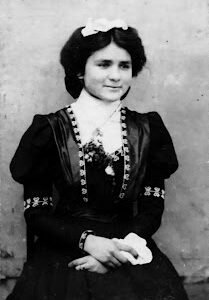
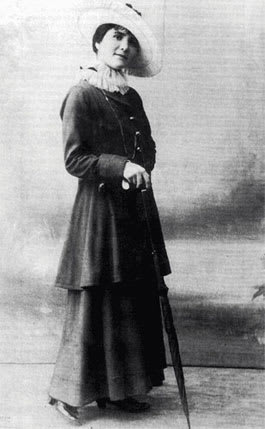
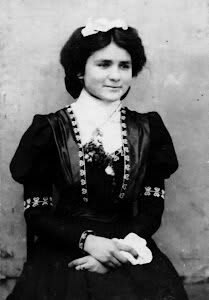
Florbela Espanca was an important Portuguese poet, a precursor to the feminist movement in Portugal, with a tumultuous and eventful life that shaped her erotic and feminine writings.
Known for her refined artistic sensitivity, which we find in her sonnets full of painful intimacy and emotional feminine eroticism, unprecedented in her country's literature.
(Sem Penalidade CLS)

Flor Bela de Alma da Conceição, also adopted the name of Flor Bela Lobo, was born on December 8, 1894, in Vila Viçosa (Alentejo)
Born out of wedlock in the provincial town of Vila Viçosa, in the province of Alto Alentejo, Portugal, Florbela Espanca lived a life with an intensity that many of her contemporaries considered flagrantly imprudent.
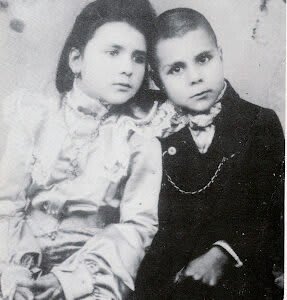
In 1899, she began primary school in Vila Viçosa. Her first poems were written between 1903 and 1904 'Life and Death', which is a sonnet dedicated to her brother Apeles.
In 1908, she lost her mother Antónia, who died at just twenty-nine years old. Florbela had foreseen the loss, when the previous year her mother's death, she wrote her first short story titled 'Mamã'.
In 1913, she married in Évora with Alberto de Jesus Silva Moutinho, her schoolmate. The couple first lived in Redondo and two years later, they settled in the Espanca house in Évora, due to financial difficulties.
In 1916, back in Redondo, the poetess gathered a selection of her poetic production since 1915, thus inaugurating the project 'Trocando Olhares'.
Already divorced from her first of three husbands, at 18, Espanca poured her emotions into lyrical verses and strongly influenced short stories by decadent symbolism popular at the time; these first works would be published posthumously in 1931.
"My world is not like others, I want too much, I demand too much, there is in me a thirst for infinity, a constant anguish that I do not even understand, for I am far from being a pessimist; I am rather an exalted one, with an intense, violent, tormented soul, a soul that does not feel well where it is, that has longings...I don't know what!" - Florbela Espanca
In 1917, she was in Lisbon, where she studied law at the University of Lisbon and married for the second time. For her entry into the faculty, she was classified among fourteen women with 347 students enrolled. The following year, Florbela suffered a spontaneous abortion, which brought her consequences with ovarian and pulmonary infections.
In 1919, she wrote her first book of poems, Livro de mágoas, but it was little noticed by critics. Although they revealed Espanca's considerable talent, these poems also showed the influence of her mentor, Antonio Nobre.
To understand the rest of this journey, continue to our next article: Florbela Espanca: Legacy, Works, and the Power of Her Timeless Poetry.
BIOGRAPHY
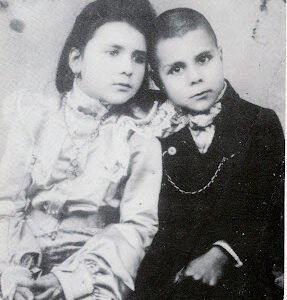
Florbela Espanca was an important Portuguese poet, a precursor to the feminist movement in Portugal, with a tumultuous and eventful life that shaped her erotic and feminine writings.
Known for her refined artistic sensitivity, which we find in her sonnets full of painful intimacy and emotional feminine eroticism, unprecedented in her country's literature.

Flor Bela de Alma da Conceição, also adopted the name of Flor Bela Lobo, was born on December 8, 1894, in Vila Viçosa (Alentejo)
"My world is not like others, I want too much, I demand too much, there is in me a thirst for infinity, a constant anguish that I do not even understand, for I am far from being a pessimist; I am rather an exalted one, with an intense, violent, tormented soul, a soul that does not feel well where it is, that has longings...I don't know what!" - Florbela Espanca

In 1899, she began primary school in Vila Viçosa. Her first poems were written between 1903 and 1904 'Life and Death', which is a sonnet dedicated to her brother Apeles.
"My world is not like others, I want too much, I demand too much, there is in me a thirst for infinity, a constant anguish that I do not even understand, for I am far from being a pessimist; I am rather an exalted one, with an intense, violent, tormented soul, a soul that does not feel well where it is, that has longings...I don't know what!" - Florbela Espanca
In 1908, she lost her mother Antónia, who died at just twenty-nine years old. Florbela had foreseen the loss, when the previous year her mother's death, she wrote her first short story titled 'Mamã'.
In 1913, she married in Évora with Alberto de Jesus Silva Moutinho, her schoolmate. The couple first lived in Redondo and two years later, they settled in the Espanca house in Évora, due to financial difficulties.
In 1916, back in Redondo, the poetess gathered a selection of her poetic production since 1915, thus inaugurating the project 'Trocando Olhares'.
Already divorced from her first of three husbands, at 18, Espanca poured her emotions into lyrical verses and strongly influenced short stories by decadent symbolism popular at the time; these first works would be published posthumously in 1931.
"My world is not like others, I want too much, I demand too much, there is in me a thirst for infinity, a constant anguish that I do not even understand, for I am far from being a pessimist; I am rather an exalted one, with an intense, violent, tormented soul, a soul that does not feel well where it is, that has longings...I don't know what!" - Florbela Espanca
In 1917, she was in Lisbon, where she studied law at the University of Lisbon and married for the second time. For her entry into the faculty, she was classified among fourteen women with 347 students enrolled. The following year, Florbela suffered a spontaneous abortion, which brought her consequences with ovarian and pulmonary infections.
In 1919, she wrote her first book of poems, Livro de mágoas, but it was little noticed by critics. Although they revealed Espanca's considerable talent, these poems also showed the influence of her mentor, Antonio Nobre.
"My world is not like others, I want too much, I demand too much, there is in me a thirst for infinity, a constant anguish that I do not even understand, for I am far from being a pessimist; I am rather an exalted one, with an intense, violent, tormented soul, a soul that does not feel well where it is, that has longings...I don't know what!" - Florbela Espanca
To understand the rest of this journey, continue to our next article: Florbela Espanca: Legacy, Works, and the Power of Her Timeless Poetry.
(Sem Penalidade CLS)