
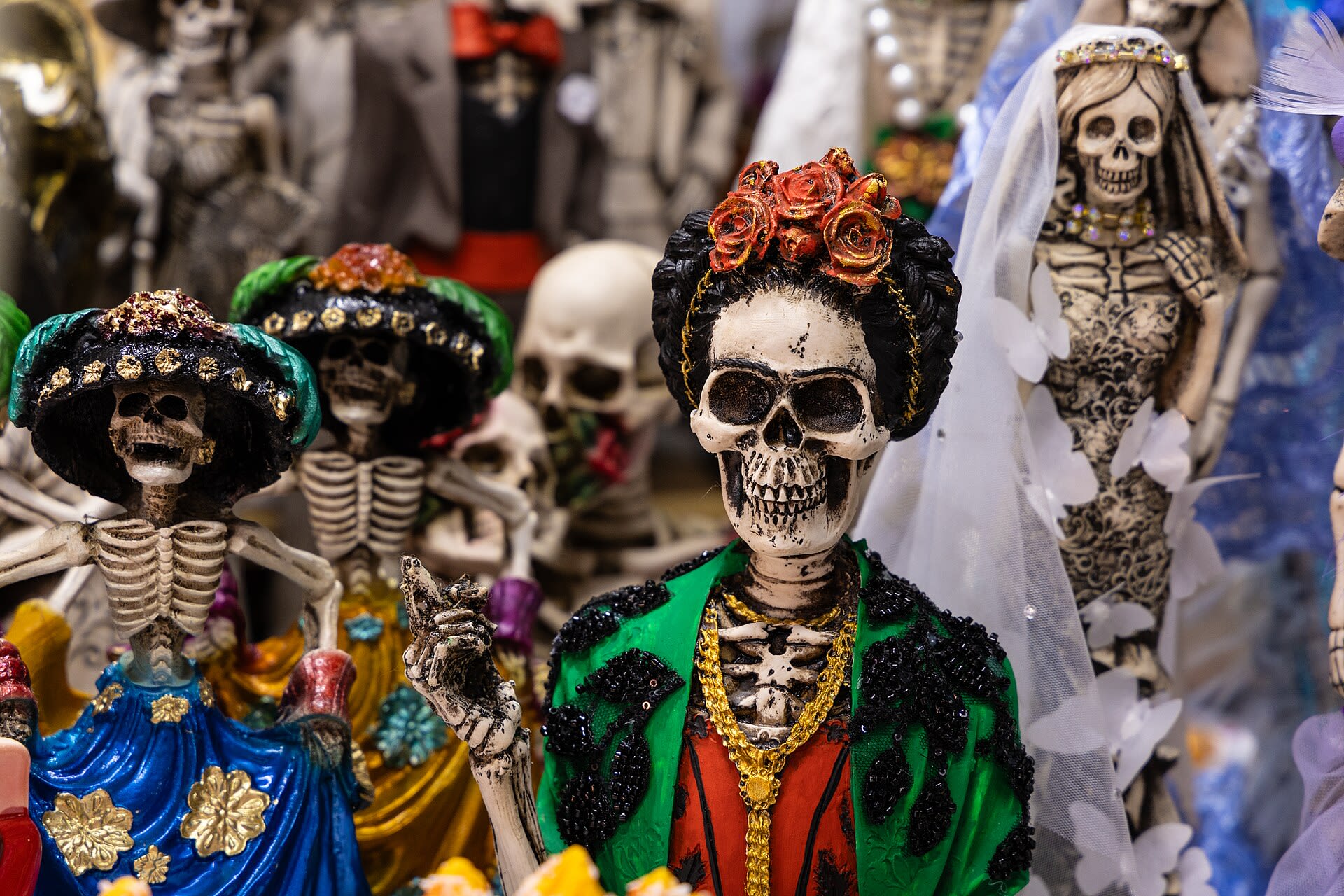
Frida Kahlo: Biography and Work: A Journey Through a Life Marked by Art and Resilience (Part 1)
Frida Kahlo: Biography and Work: A Journey Through a Life Marked by Art and Resilience (Part 1)
Article Index
Frida Kahlo was one of the most significant artists of the 20th century, renowned for her intense and emotive paintings, as well as a life shaped by challenges and passions.
Born in Mexico in 1907, Kahlo faced numerous hardships throughout her life, including a severe accident that left her with permanent health issues.
Her art, often autobiographical, depicts her physical and emotional pain, as well as her Mexican identity and her political and social struggles.
Kahlo is especially known for her self-portraits, in which she portrays herself with frankness and honesty, often surrounded by surrealist symbols and imagery.
Her work is celebrated for its originality, passion, and its ability to transcend cultural and temporal boundaries.
FRIDA KAHLO: BIOGRAPHY
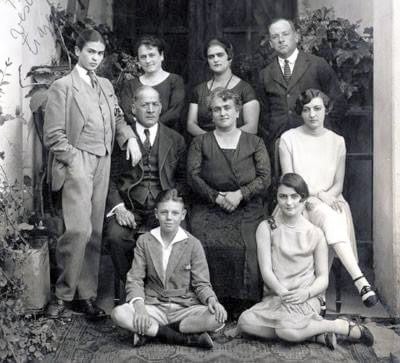
Frida Kahlo was baptized with the name Magdalena Carmen Frieda Kahlo y Calderón. She was born in Coyoacán on July 6, 1907. Her father, Guillermo Kahlo, was German. He arrived in Mexico in 1891 at the age of 19 and soon changed his German name, Wilhelm, to its Spanish equivalent, "Guillermo."
Her mother, Matilde Gonzalez y Calderón, was of Indigenous and Spanish descent.
When she was 18, she became interested in engraving and took classes with Fernando Fernandez. Around this time, at age 18, she suffered a severe accident.
On her way to art school, a streetcar she was riding collided with a train.
It was very serious: the bumper of the vehicle involved in the accident perforated her back, passing through her pelvis and exiting through her vagina, causing severe hemorrhage.
Hospitalized for a long period, she underwent several surgeries to reconstruct her body, which was entirely perforated.
She remained debilitated for 18 months, bedridden, wearing a plaster cast.
Her favorite pastime during this time was drawing images on her cast.
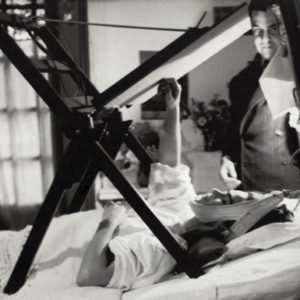
Eventually, the space on her cast became too small, so her father bought her an easel adapted for her bed.
With this, Frida officially began to paint.
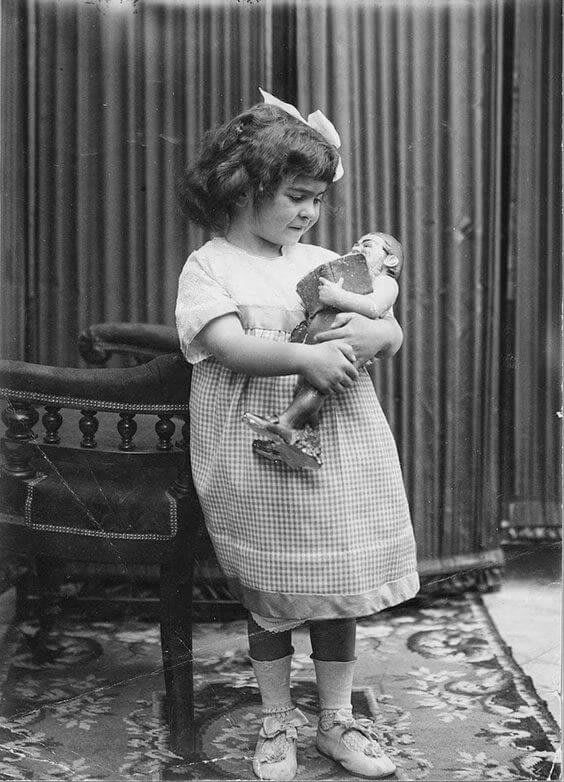
After the accident, Frida Kahlo was forced to wear orthopedic corsets made of various materials.
Her first work, The Broken Column, is a self-portrait in which she appears wearing one of these corsets.
To understand the rest of this journey, continue with our next article: Frida Kahlo: Biography and Work: Between Passions, Politics, and the Power of Painting (Part 2).
"I paint myself because I am so often alone and because I am the subject I know best."
Frida painted about 200 works directly related to her life experience, more than half of which are self-portraits , of one type or another, which she justified thus:
In 1913, at the age of six, Frida contracted polio, the first in a series of illnesses, accidents, injuries, and operations she endured throughout her life.
The injury to her right foot (which was shorter) led her to start wearing long pants.
This was during her adolescence and youth.
Over time, she replaced them with long, patterned skirts, which became her personal trademark.
Frida Kahlo was an important Mexican painter whose life was marked by the physical and emotional pain she endured over the years. An admirable woman, ahead of her time, she is recognized as one of the greatest names in the Universal History of Art.


