
Mary Cassatt: Life, Education, and the Path to Impressionism
Discover the fascinating life of Mary Cassatt, from her academic formation in the US and Europe to her rise in the Impressionist movement, detailing her artistic journey and challenges.
Mary Cassatt was a prominent American painter and printmaker, known for her association with the French Impressionist movement and her intimate portraits of women and children.
She was the daughter of a comfortable middle-class family. Her father, Robert S. Cassatt, was a successful stockbroker, and her mother, Katherine Johnston, came from a prosperous banking family.
In the early 1850s, they lived in France and Germany, providing their young daughter with an early exposure to the arts and European culture, including the learning of French and German, which would prove useful in her later career abroad.
In 1860, at the age of 16, she began two years of studies at the Pennsylvania Academy of the Fine Arts. In 1865, she asked her parents to let her continue her artistic training in Europe.
Despite initial doubts, they agreed, and she moved to Paris, where she began her studies with Jean-Léon Gérôme.
In the early 1870s, she traveled to Spain, Italy, and the Netherlands, where she became familiar with the work of artists such as Diego Velázquez, Peter Paul Rubens, and Antonio Correggio.
In 1874, Cassatt established a studio in Paris. Three years later, her parents and sister Lydia joined her in France.
Her family often served as models for her work in the late 1870s and 1880s, which included many images of contemporary women in theater, opera, gardens, and salons.
Always determined and self-sufficient, she had the opportunity to focus on her art in a city where, as she later said, 'women didn't have to fight for recognition if they did serious work'.
Cassatt had a painting accepted and praised at the Paris Salon of 1872, and she exhibited her work at the Salons in the following years.
However, when one of her submissions was rejected in 1875, and none of her submissions were accepted, she became disillusioned with the traditional art world of Paris.
When the artist Edgar Degas invited her, in 1877, to join the group of independent artists known as the Impressionists, she was delighted.
They often worked side by side, encouraging and advising each other. She also socialized with other fellow artists in this circle.
In 1879, she exhibited her work with the Impressionists in Paris, and in 1886, she was included in the first major Impressionist art exhibition in the United States, held at the Durand-Ruel Galleries in New York.
In 1904, Cassatt was recognized for her cultural contributions by the French government, which awarded her the Legion of Honor.
In 1916, due to her increasing blindness, Cassatt could no longer work, although she continued to exhibit her paintings.
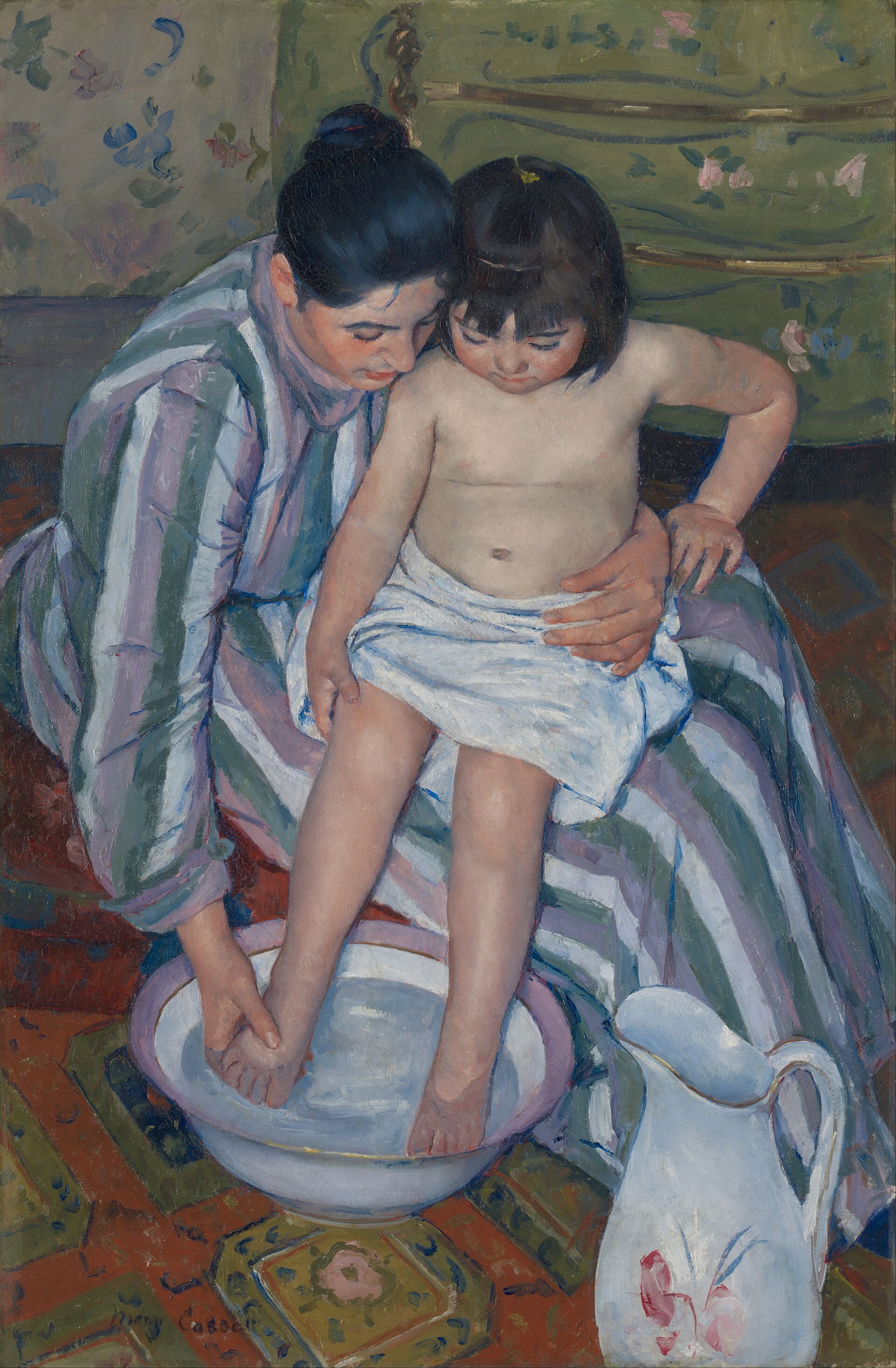
In the 1880s, the artist was particularly known for her sensitive representations of mothers and children.
These works, like all her representations of women, may have achieved such popular success for a specific reason: they filled a social need to idealize the domestic roles of women at a time when many were, in fact, beginning to take an interest in voting rights, fashion reform, higher education, and social equality.
Cassatt's status in the history of art was significant and influential in the late 20th and 21st centuries.
To understand the rest of this journey, continue to our next article: Mary Cassatt: Legacy, Influence, and Analysis of Essential Works.
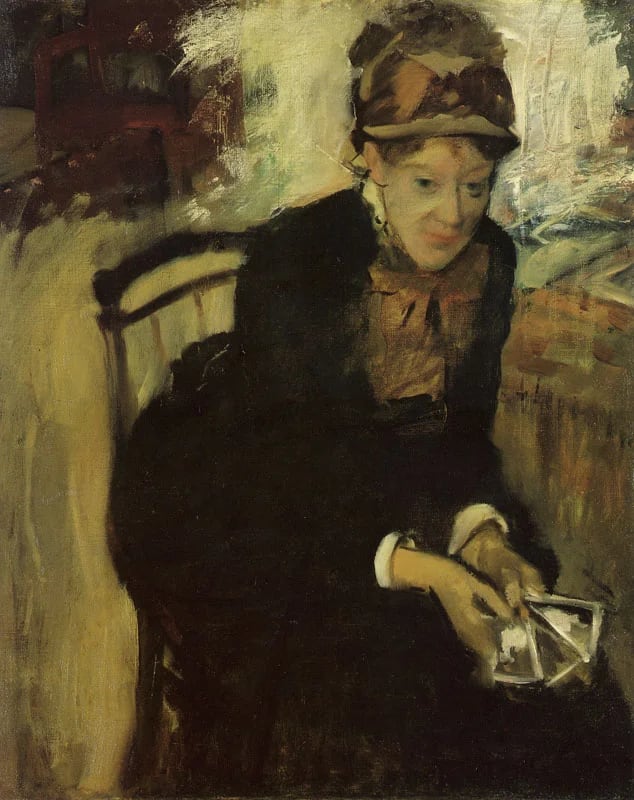
From 1900, Cassatt suffered from health problems and vision deterioration.
However, she maintained close friendships with other artists and important figures in the art world in France, from Pierre-Auguste Renoir to American collectors.
In 1926, due to her total blindness, Mary Cassatt lived miserably, having been deprived of her greatest source of pleasure, painting.
LEGACY
They often worked side by side, encouraging and advising each other.


