
Mona Lisa - Leonardo da Vinci
Mona Lisa - Leonardo da Vinci
Article Index
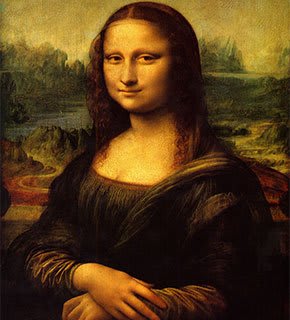
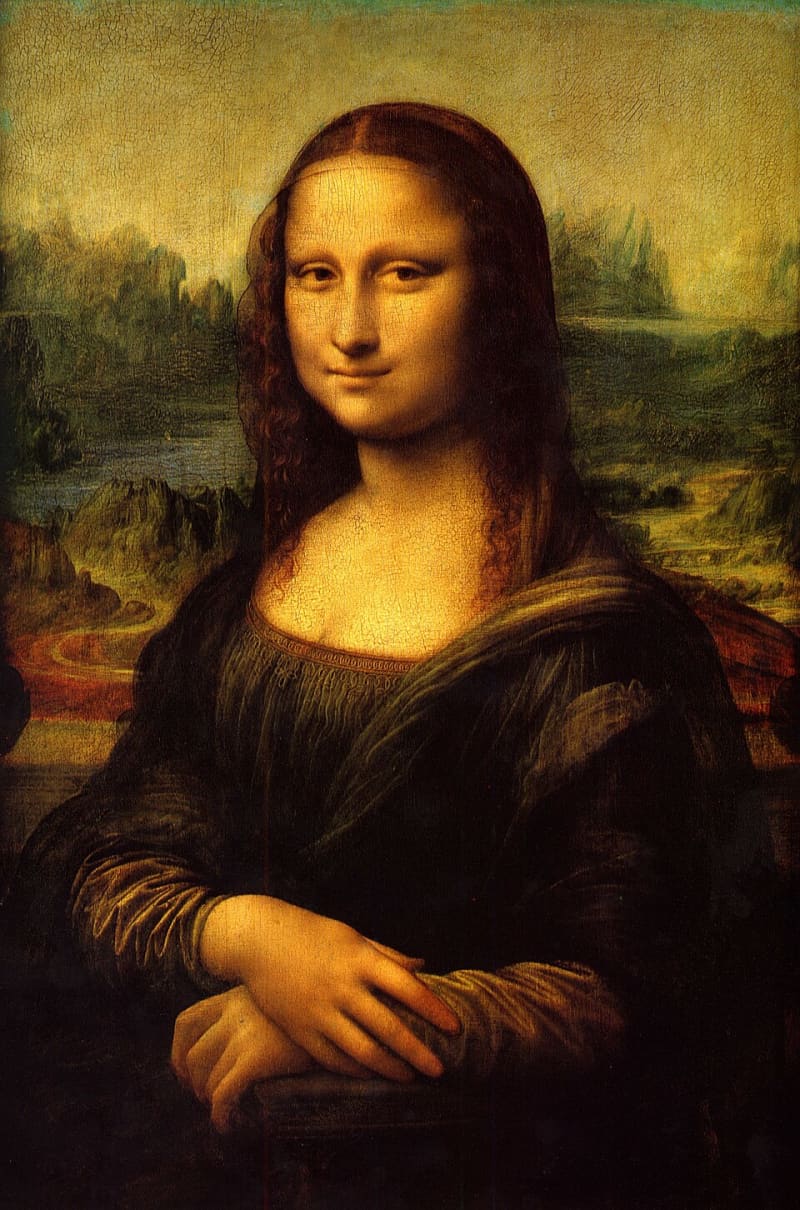
The Mona Lisa is one of the most famous and enigmatic works of Leonardo da Vinci, painted between 1503 and 1506.
Also known as La Gioconda, the painting depicts a woman with a subtle smile, looking directly at the viewer.
Da Vinci's sfumato technique, which creates soft transitions between colors and tones, contributes to the mysterious and captivating appearance of the figure.
The identity of the woman in the painting is still a subject of debate among art historians, fueling the mystery surrounding the work.
The Mona Lisa is a masterful example of Da Vinci's talent as a painter and his ability to portray the complexity of human condition with subtlety and depth.
The Most Famous Painting in the World
Leonardo da Vinci was one of the greatest artists in human history, and the Mona Lisa is his most famous work.
The painting was created between 1503 and 1506 and is considered one of the greatest works of art of the Renaissance.
The Mona Lisa is a work of art that continues to fascinate people to this day.
The Sfumato Technique
The sfumato technique was developed by Leonardo da Vinci and is characterized by creating soft transitions between colors and tones.
The technique is used to create a sense of depth and volume in the painting.
The Mona Lisa is a perfect example of the sfumato technique.
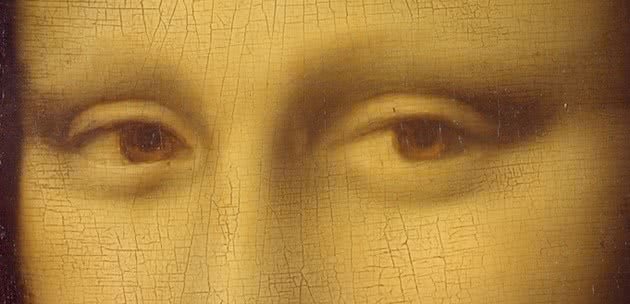
Detail of the face, showing the subtle effect of sfumato, particularly in the shadows around the eyes.
Her piercing gaze is charged with expression, producing an optical effect, whereever the observer is, she follows us from all angles.
The Landscape
The landscape background of the Mona Lisa is one of the most interesting features of the painting.
The landscape is created using the sfumato technique and is characterized by a sense of depth and volume.
The landscape is a perfect example of Leonardo da Vinci's ability to create a sense of space and depth in the painting.
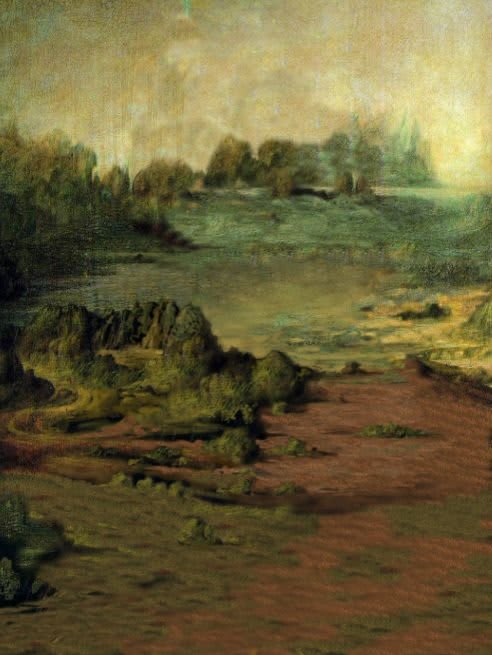
Sfumato is a technique very applied in drawing and painting, which was perfected by Leonardo.
It offers different nuances of shadow and light in the tonalities of colors, as we can observe in the landscape background.
The Smile
The mysterious and controversial smile is, without a doubt, the element of the painting that has captured the most attention from those who observe it.
From it, many researches were carried out to discover its meaning, occasioning various readings and re-readings not only in the painting, but also in music, films, among others.
After intense studies on the real feeling hidden behind that smile, specialists indicate that the probable feeling is happiness.
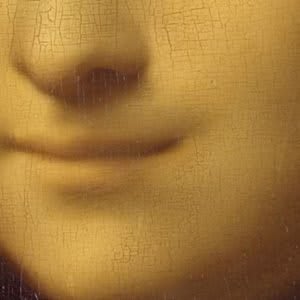
The numerous comments it has sparked in the five centuries since its creation have not exhausted the enchantment that this painting still provokes in people, it is undoubtedly the most subtle tribute made by the genius to a living face.
This masterpiece is much more than all this: it is the moment when a genius artist reaches the supreme moment of grace and manages to create a work that will be almost impossible to see immediately as a painting.
Reinterpretations of the Mona Lisa
There are several reinterpretations of the Mona Lisa over the years.
One of them is the work of Marcel Duchamp, who created a version of the Mona Lisa with a mustache and a beard in pencil.
The other reinterpretation is the work of Fernando Botero, who created a version of the Mona Lisa with a more realistic style.
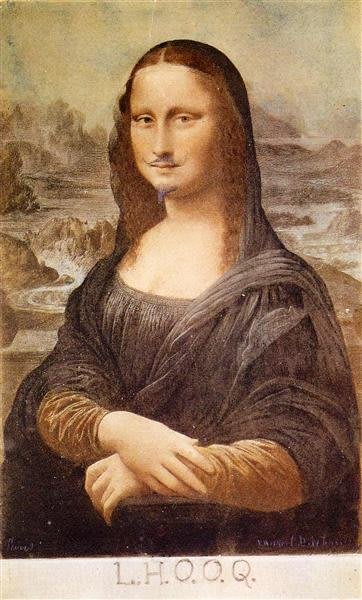
Another reinterpretation is the work of Maurício de Sousa, who created a version of the Mona Lisa with a more humorous style.
Maurício de Sousa's reinterpretation is one of the most well-known and is considered one of the best reinterpretations of the Mona Lisa.


