
Paul Klee: Biography and Work: The Great Abstractions and the Final Vision
Paul Klee: Biography and Work: The Great Abstractions and the Final Vision
When the First World War began, Paul Klee was initially somewhat detached, writing ironically: I have had this war with me for a long time. That is why, internally, it is no concern of mine.
Soon, however, it began to affect him. His friends Macke and Marc died in battle.
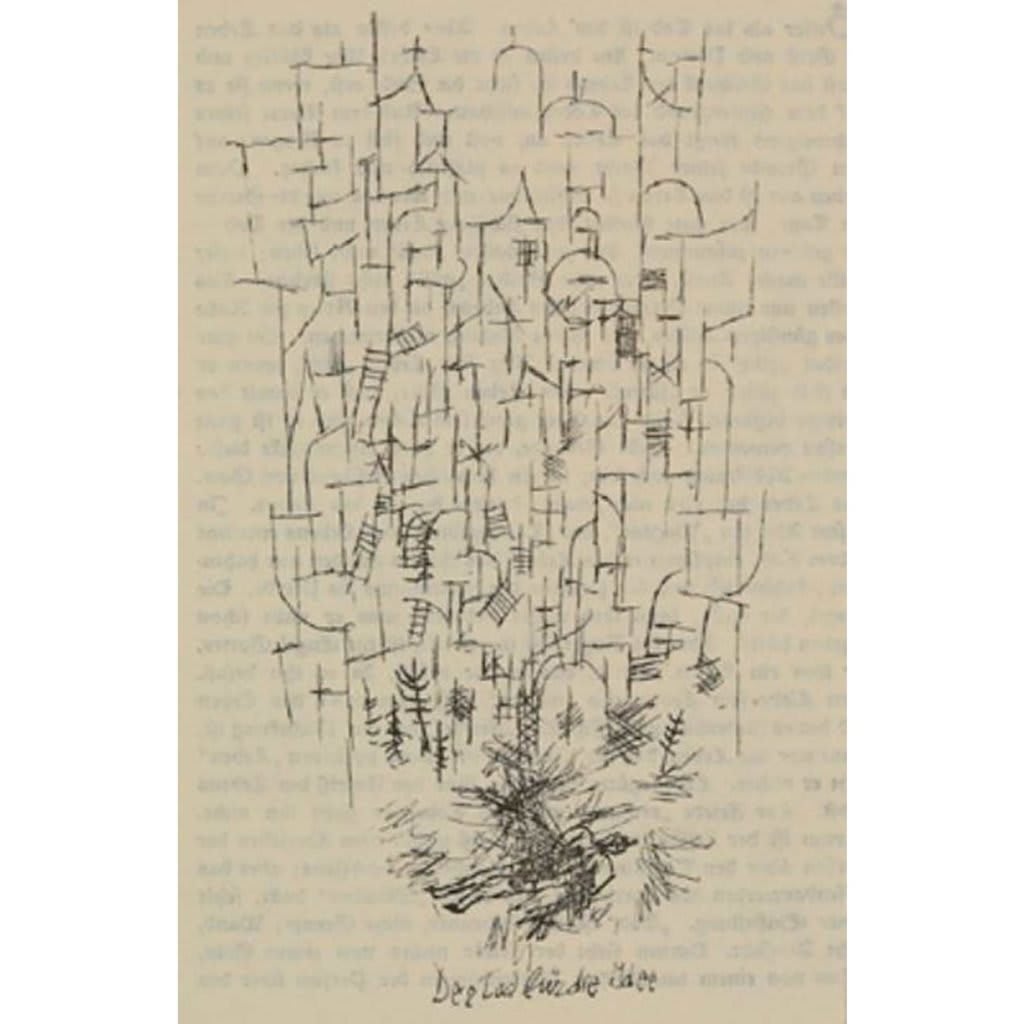
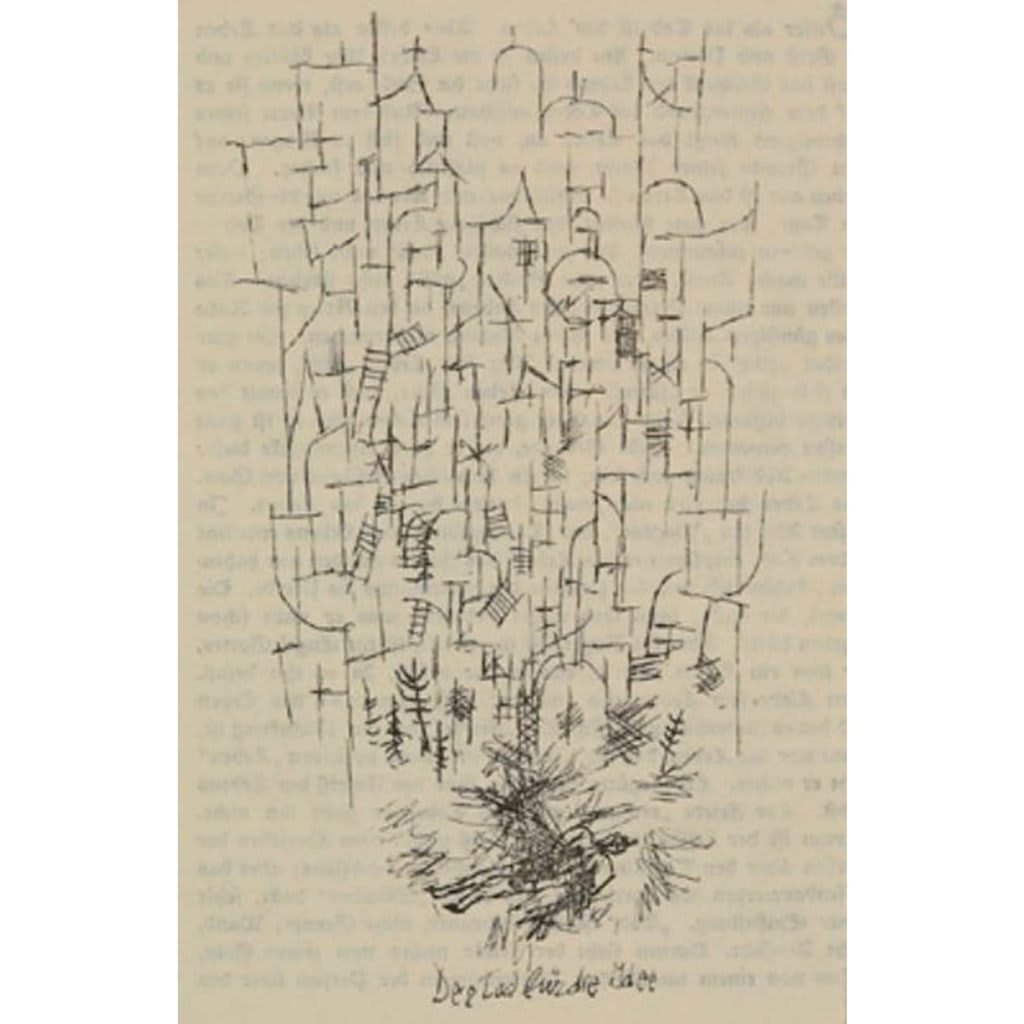
Venting his affliction, he created several pen and ink lithographs with war themes, including Death for the Idea..
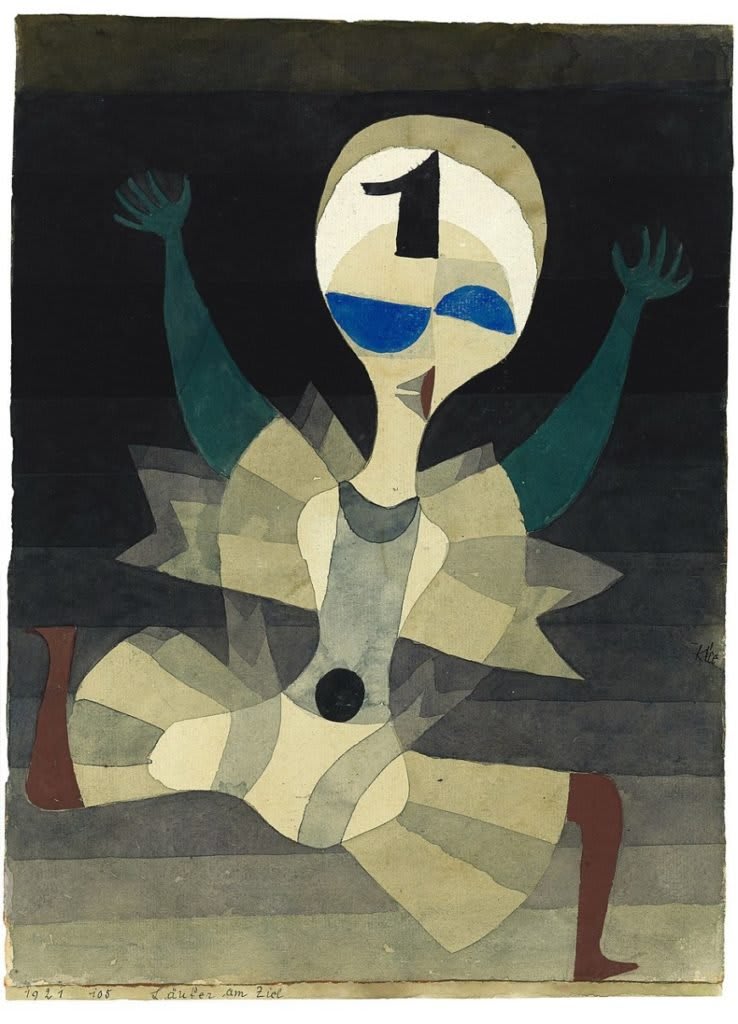
Runner at the Goal is an essay in simultaneity; superimposed and partially translucent color bars illustrate the consecutive gestures of a moving figure.
The agitated arms and legs add a comical touch to this figure, whose forehead bears the number one, promising victory.
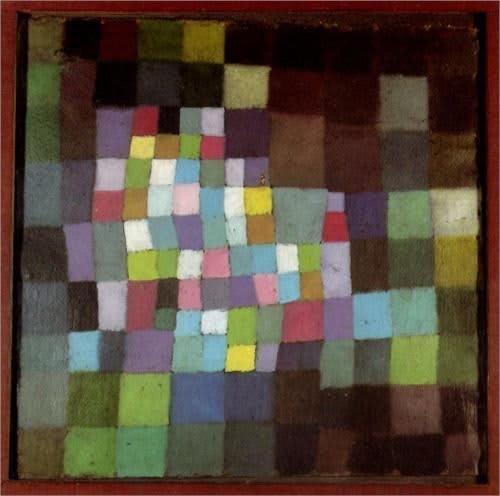
Paul Klee's greatest leap into abstraction occurred when he discovered he could compose a painting much like a musical piece. By attributing emotional value to individual colors and arranging them into fields of rectangles, Klee would produce a series of what he often called harmonies.
The immediate impression upon seeing these colorful rectangle compositions is not one of geometric rigidity, as in the works of Piet Mondrian and the De Stijl Movement, but of an expressive and personal vision of abstraction. The artist's undulating lines lend fragility and dynamism to the compositions, visible in a painting like “Flowering,” with its shimmering color palette.
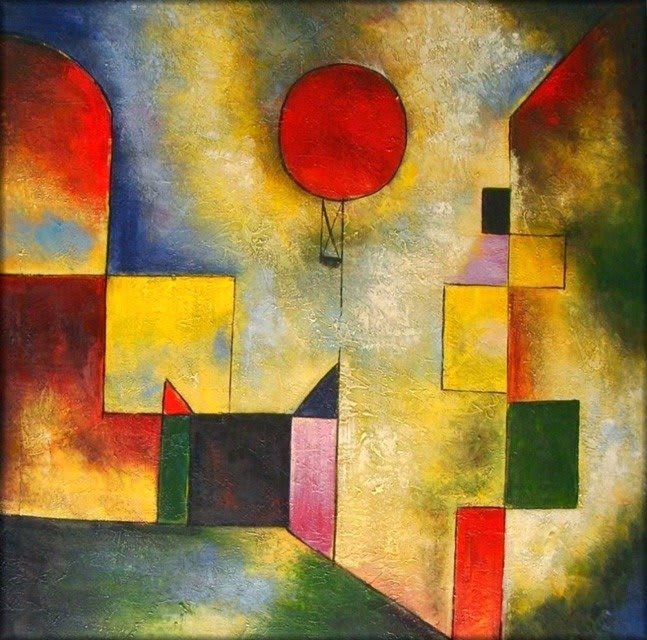
Red Balloon is a cluster of delicately colored floating geometric shapes and a charming urban landscape.
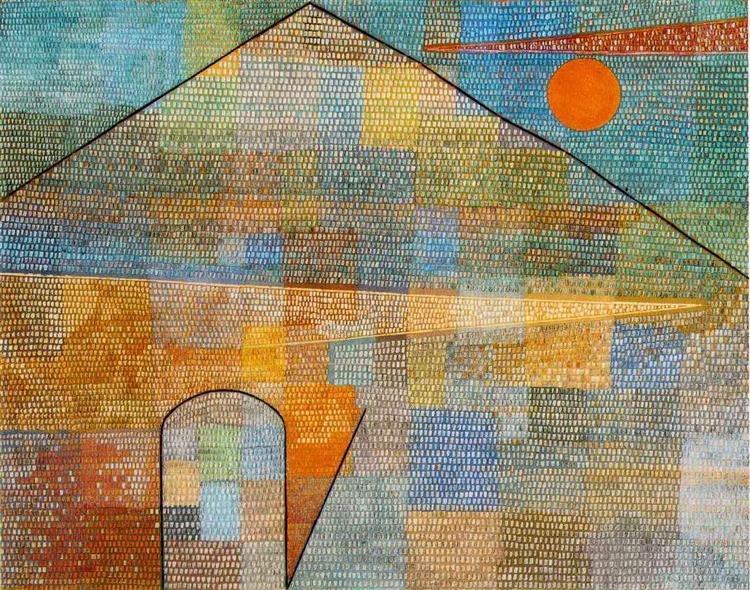
In the 1930s, Klee was at the peak of his creative output. Ad Parnassum is considered his masterpiece and a distinctive example of the pointillist style.
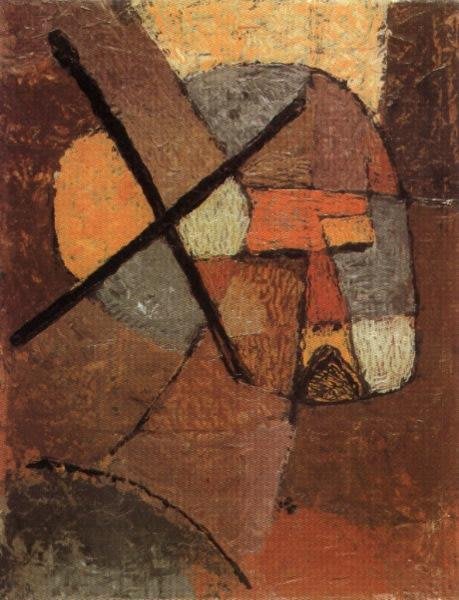
Struck from the List is a self-portrait that reveals the pain and revolt of the sad occasion when the Gestapo raided his home and he was dismissed from his teaching position at the Düsseldorf Academy, in Germany.
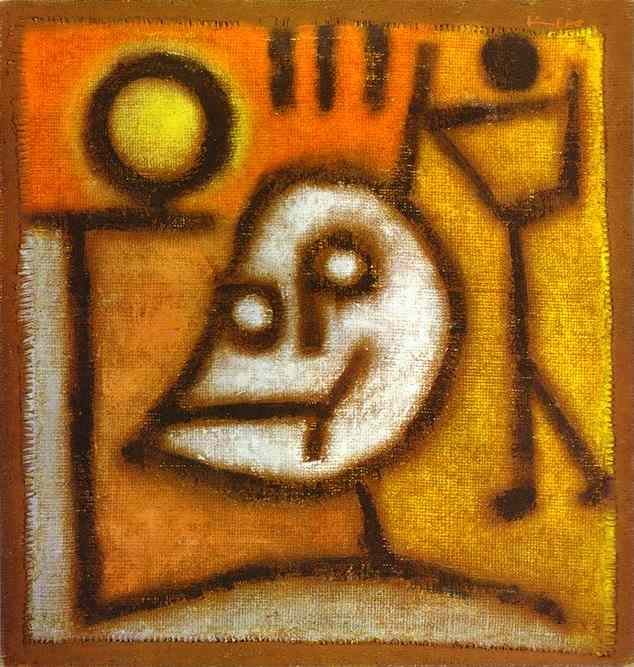
One of his last paintings, Death and Fire, features a skull in the center with the German word for death, "Tod", appearing on its face.
Discover other works by the artist by clicking on: Senecio, Cat and Bird, Fish Magic, and Democrart.


