
Rembrandt van Rijn: Biography and Works: Origins and Rise in Amsterdam
Rembrandt van Rijn: Biography and Works: Origins and Rise in Amsterdam
Rembrandt van Rijn was one of the most important Dutch painters and etchers of the 17th century, renowned for his masterpieces in the Baroque style.
Born in 1606, in Leiden, the Netherlands, Rembrandt is known for his unique ability to portray light and shadow, his vibrant painting technique, and his talent for capturing human emotion in a realistic and emotionally intense manner.
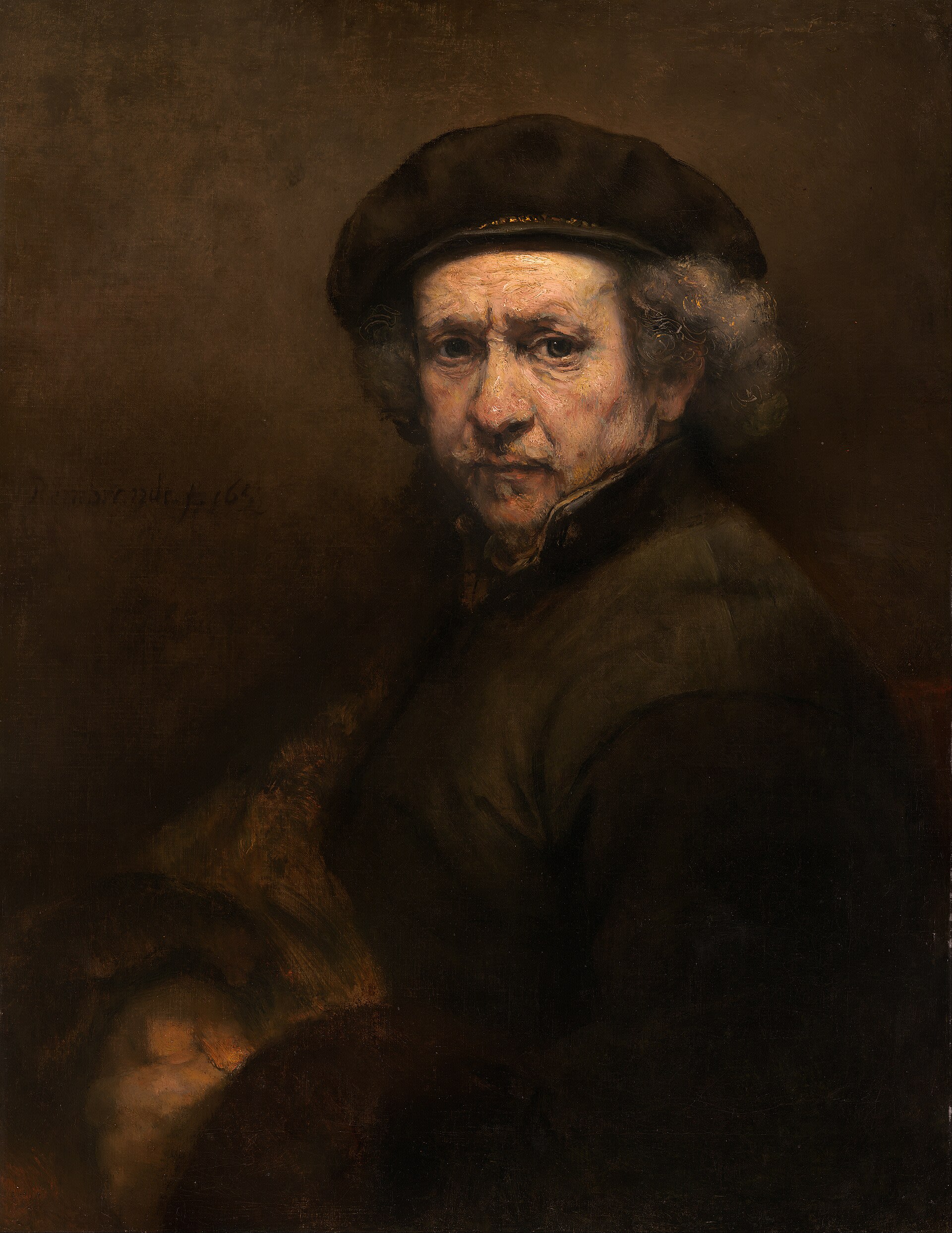
Rembrandt was a 17th-century painter and etcher, whose work came to dominate what was called the Dutch Golden Age, one of the most revered artists of all time.
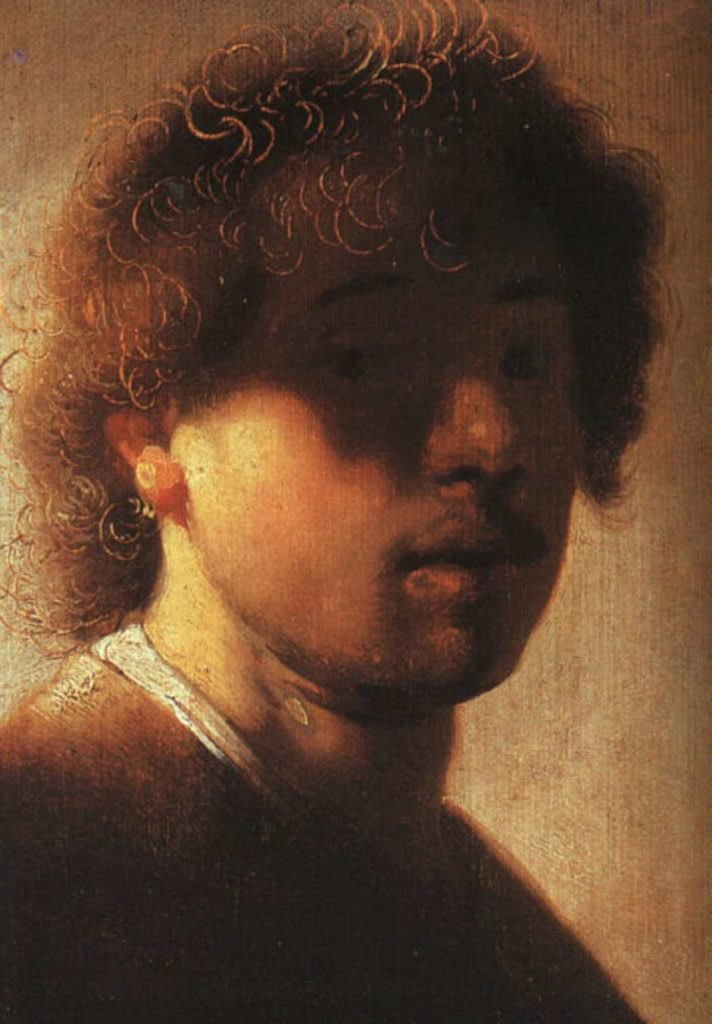
Rembrandt's greatest creative triumphs are seen in portraits of his contemporaries, illustrations of biblical scenes, as well as his innovative engravings and use of shadow and light. He created a large series of self-portraits, which he used as the most frequent theme in his studies.
Rembrandt van Rijn: Biography
Rembrandt Harmenszoon van Rijn was born on July 15, 1606, in Leiden, the Netherlands. He was the eighth of nine children of the couple Harmen van Rijn and Cornelia van Zuijtbrouck. The prosperous family lived near the Rhine River, originally called Rio Van Rijn, in the same city.
Rembrandt's parents recognized his talents as a child, so they sent him to the Latin School in Leiden from the age of 7 to 14 for a classical education. He received the best education that a Dutch academic city could provide to a child with a deep interest in literature and religious writings.
After several months, Rembrandt had mastered the techniques of chiaroscuro, as well as the use of bright and vivid colors and the representation of figures with theatrical gestures. Lastman also influenced him to focus on historical and religious scenes, although local art buyers preferred scenes from their daily lives.
At 18 or 19 years old, the young artist returned to Leiden to set up his own studio. He seemed more refined and worked closely with a six-year-younger student, Jan Lievens, a young man who had also studied with Lastman.
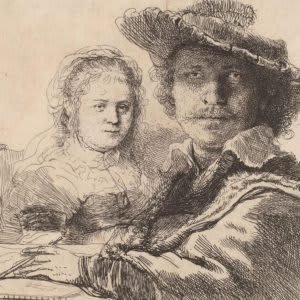
In 1632, Rembrandt returned to the rich metropolis of Amsterdam. There, he found great satisfaction as a professional portrait painter for successful merchants, intellectuals, and religious leaders, who were all appreciating his social and artistic status.
Rembrandt and the Family
In 1634, Rembrandt met an art dealer named Hendrick van Uylenburgh. It was there that the artist met Hendrick's cousin, Saskia van Uylenburgh. The two got married in 1634.
In the same year, Rembrandt painted one of his most important works, The Anatomy Lesson of Dr. Tulp, which earned him immense professional recognition.
In 1635, Rembrandt and Saskia rented a house while waiting for a new one to be renovated in a sophisticated area that was rapidly becoming known as the Jewish quarter. The heavy mortgage on the new house was what caused the biggest financial problem for the couple.
Only their fourth child, Titus, born in 1641, survived to adulthood. Saskia died in 1642 shortly after the birth of Titus, probably due to a long struggle with tuberculosis.
To understand the rest of this journey, continue to our next article: Rembrandt van Rijn: Biography and Works: Challenges, Decline, and Artistic Legacy.


