
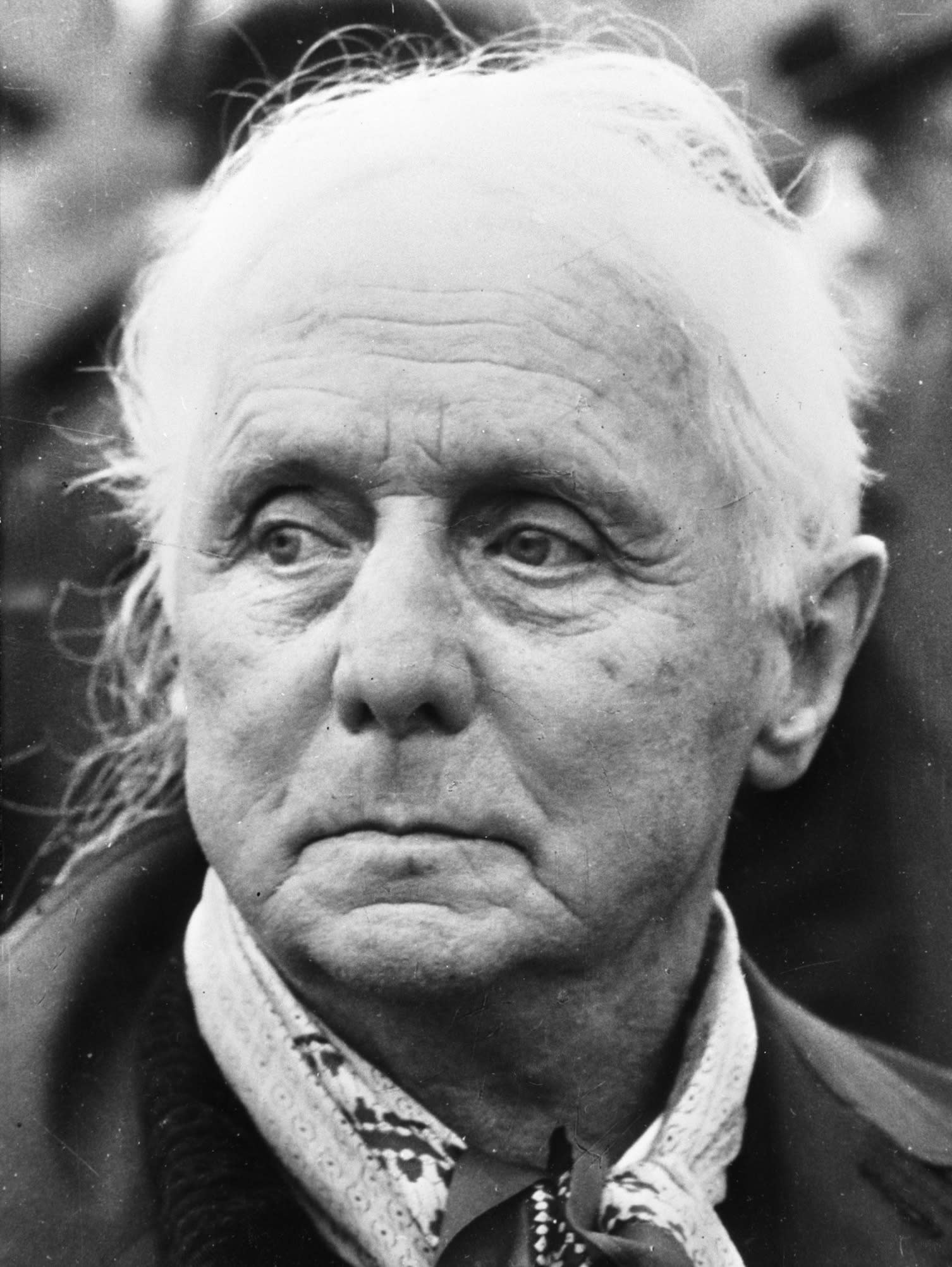
The Life and Legacy of Max Ernst: Surrealism, Exile, and Innovation
Discover the fascinating story of Max Ernst, a pioneer of surrealist art and a master of innovative techniques.
Article Index
Max Ernst was one of the leading artists of the European avant-garde in the 20th century, known for his innovations in graphic art and painting techniques.
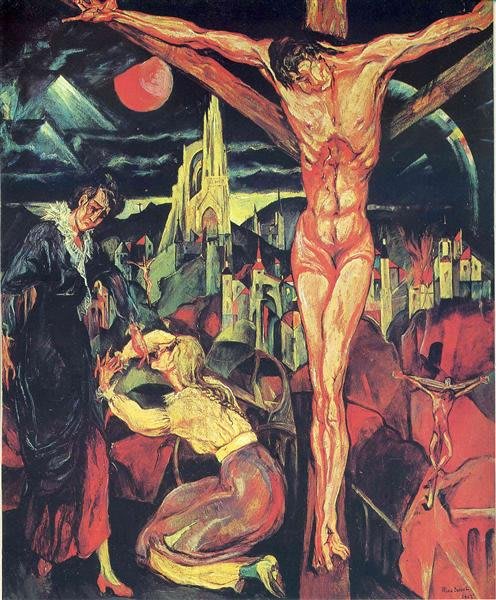
He was one of the first to explore the technique of frottage, which involves rubbing objects with a pencil to create images.
Max Ernst was also a pioneer in the technique of grattage, which involves scraping paint off a canvas to reveal the impressions of objects placed underneath.
In 1926, he collaborated with Joan Miró on projects for Sergei Diaghilev, and with Miró's help, Ernst was a pioneer in grattage.
In 1927, Ernst married Marie-Berthe Aurenche, and it is believed that his relationship with her may have inspired the erotic theme of The Kiss and other works produced that year.
Max Ernst and his work...
Ernst began painting in an expressionist style, but later developed a more surrealist approach, exploring the world of dreams and the unconscious.
He was one of the first to explore the technique of collage, in which different materials and images are combined to create a new composition.
Ernst also worked with techniques such as frottage, in which a sheet of paper is rubbed over a textured surface, producing random patterns and shapes that can be incorporated.
GALLERY OF SOME WORKS
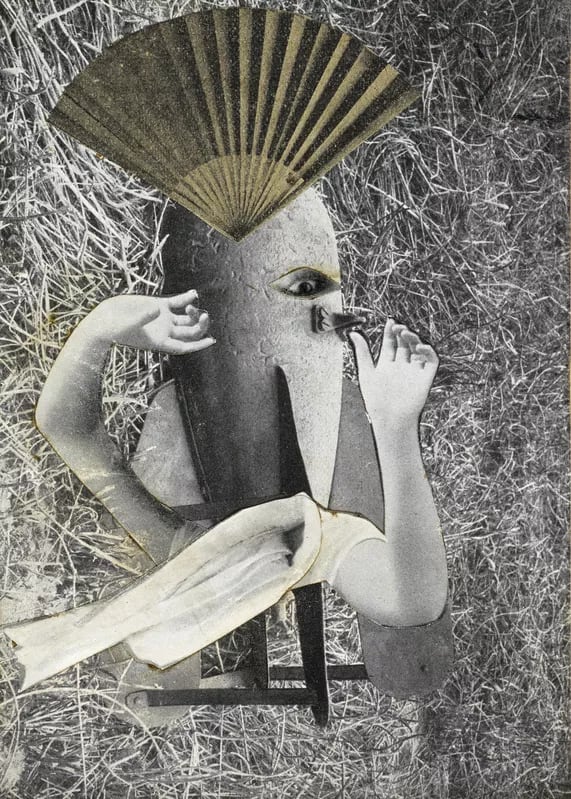
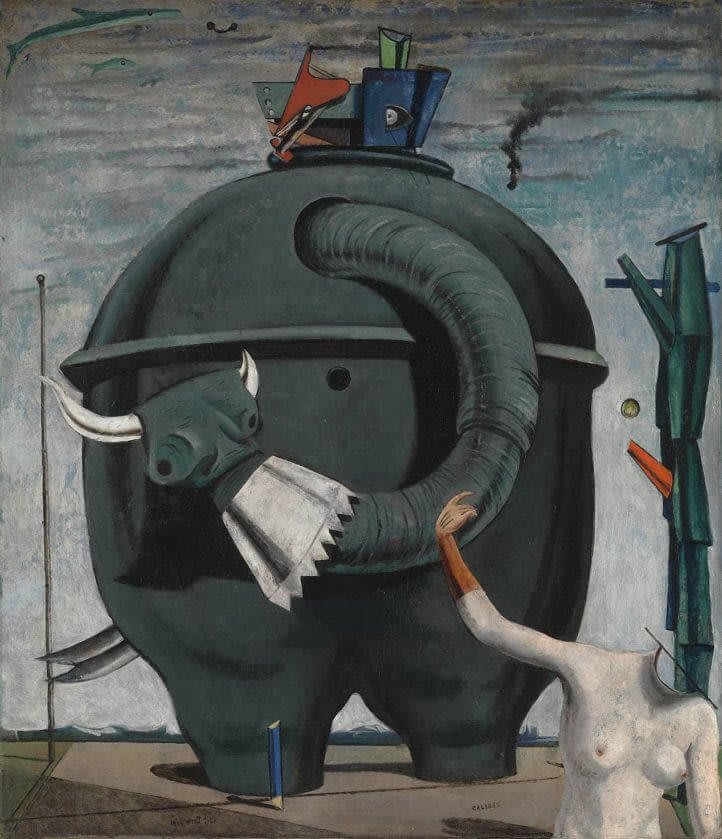
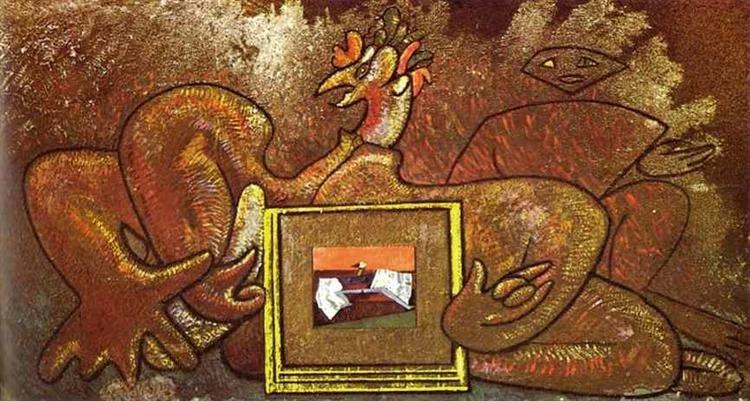
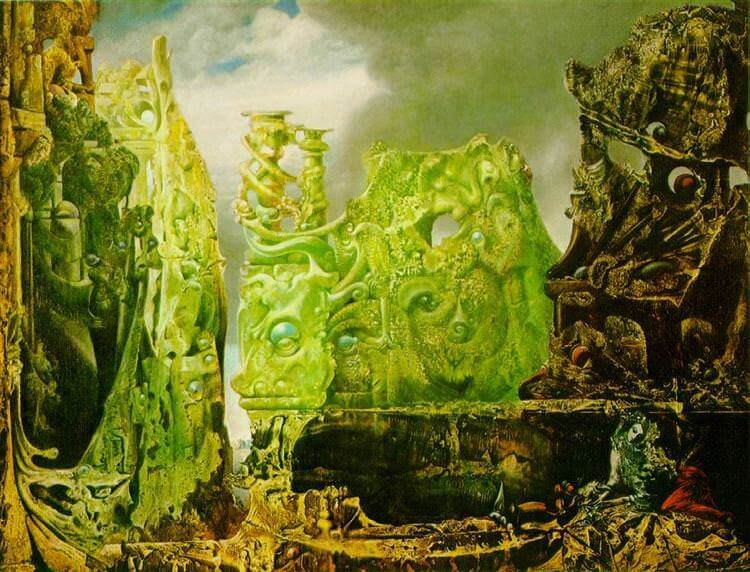
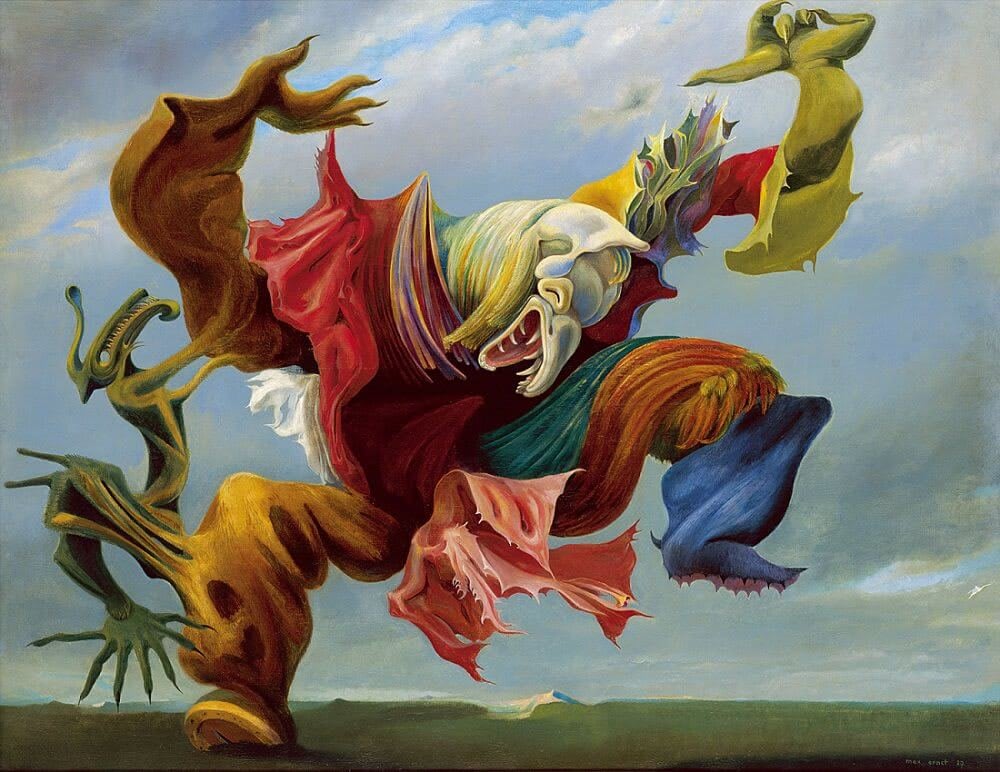
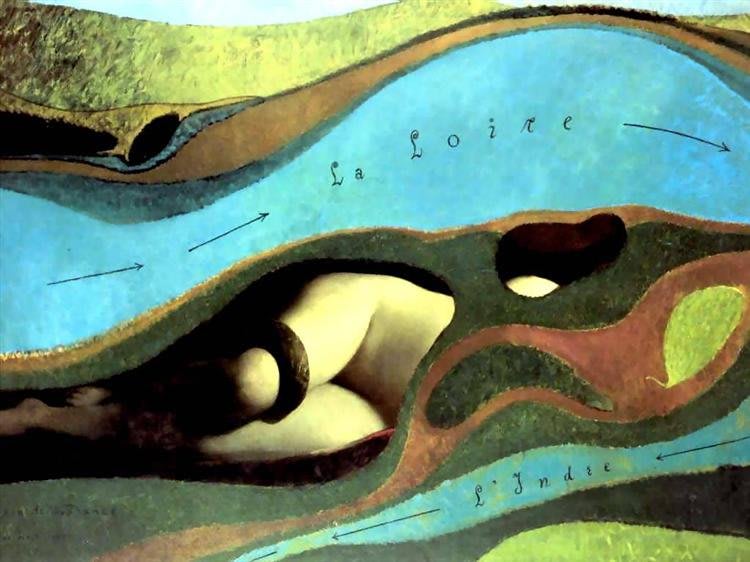
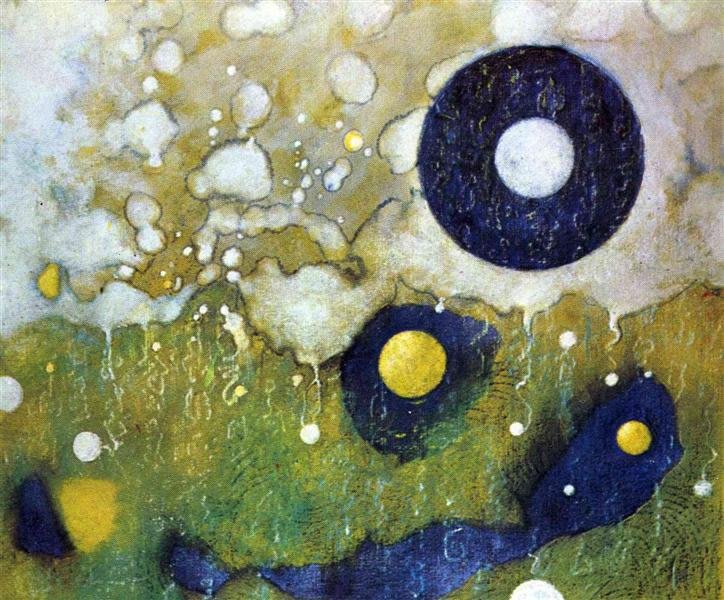
Ernst died at the age of 84, on April 1, 1976, in Paris. He was buried in the Père Lachaise, one of the most famous cemeteries in the world.
"Painting is not for me a decorative diversion or the plastic invention of felt reality; it must always be: invention, discovery, revelation." - Max Ernst


