
Vincent van Gogh: Masterpieces and Artistic Legacy in Post-Impressionism
Vincent van Gogh: Masterpieces and Artistic Legacy in Post-Impressionism
Article Index
- The Potato Eaters: A Portrait of Rustic Life
- Le Moulin de La Galette: A Refuge in Paris
- Sunflowers: Van Gogh's Explosion of Color
- Portrait of Père Tanguy: Influences and Friendships
- Vincent's Chair and Gauguin's Chair: Mirrors of Two Souls
- The Siesta: Van Gogh's Homage to Millet
- The Langlois Bridge: Japan in Southern France
- Almond Blossoms: A Gift of Hope
- The Postman Roulin: Friendship in Arles
- Wheat Field with Cypresses: The Symbols of Arles
- Iris Garden: Nature at the Asylum
- The Raising of Lazarus: Rembrandt's Inspiration and Personal Struggle
- Road with Cypresses and Star: Swirling Night Rhythms
- Van Gogh's Moon: Between Twilight and Mystique
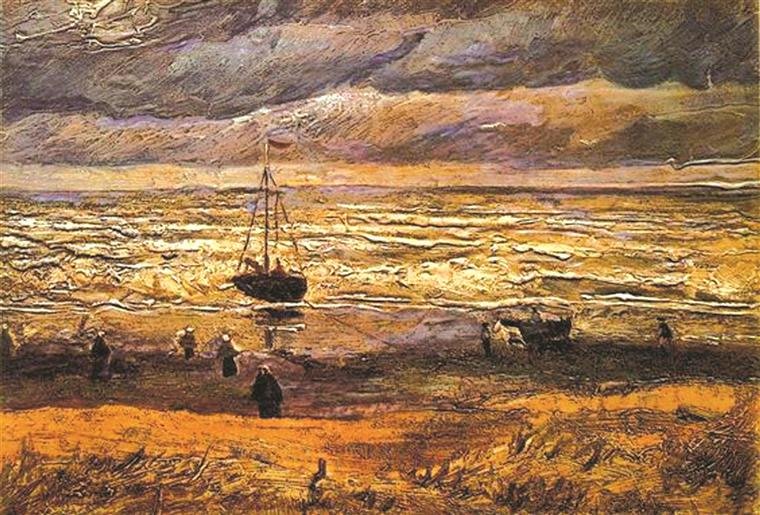
View of Scheveningen Beach in a Storm
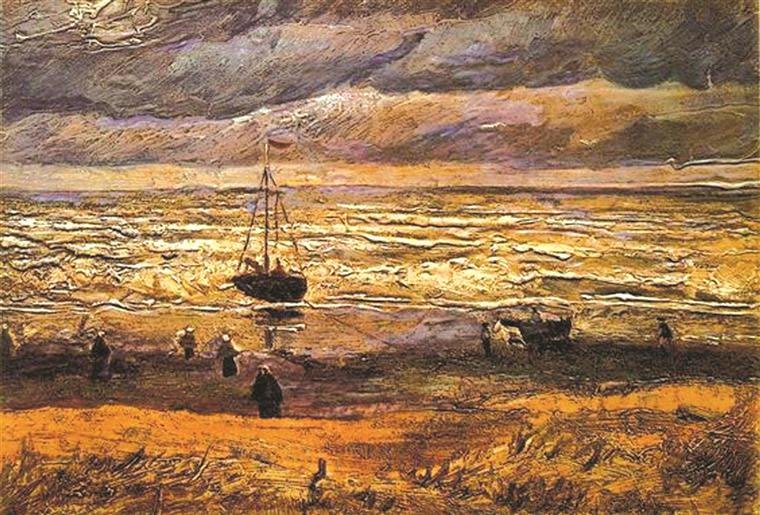
Van Gogh's early works were often sad and somber.
This changed when he discovered the bold colors of Japanese prints and the vibrancy of Impressionism.
This work, View of Scheveningen Beach in a Storm, belongs to the artist's early period.
In it, his predilection for yellow, a color that would become iconic in his journey, is already noticeable.
But the story behind this painting holds a bizarre detail:
The canvas was stolen by the Italian mafia and remained missing for a staggering 16 years.
Fortunately, it was recovered, meticulously restored, and finally returned home to the prestigious Van Gogh Museum in Amsterdam.
The Potato Eaters: A Portrait of Rustic Life
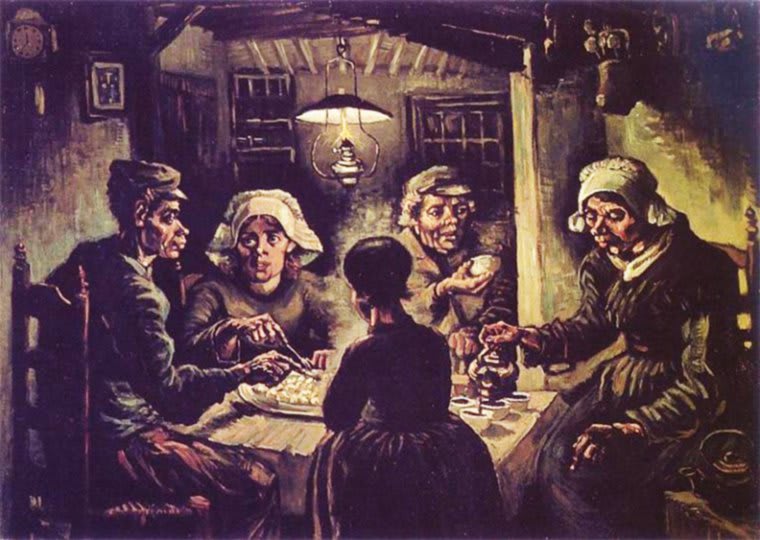
In this poignant composition, Van Gogh expresses his deep love for the land and rural workers.
To portray this vivid scene, he employs a palette of dark and somber colors.
These colors are masterfully brightened by the soft, warm glow of a central oil lamp.
Other drawing and painting techniques help the artist reveal the challenging situation of coal miners.
Through this work, the artist sought to critique social inequality, focusing on the problems faced by the most humble.
This perspective stemmed from his own experience, lived during a period when he worked as a miner in coal mines.
Le Moulin de La Galette: A Refuge in Paris

While working on this painting, Van Gogh maintained daily contact with his Impressionist and Divisionist friends.
Despite this, their conceptions did not influence his instinctive and visceral way of expressing emotion on canvas.
In fact, the vigor and density of his brushstrokes differed greatly from the predominant styles of the period.
Van Gogh's favorite neighborhood in Paris was Montmartre, with its windmills that brought him sweet memories of youth.
He painted different versions of this windmill, often discussing and comparing them with those of his friends Toulouse Lautrec and Paul Signac.
While Vincent navigated the artistic circles of Paris, other masters were defining the Impressionist style through light and movement. Woman with Parasol (The Passeio) – Claude Monet
Sunflowers: Van Gogh's Explosion of Color
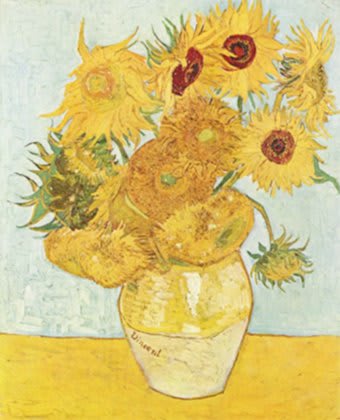
This painting is widely considered one of Van Gogh's finest and most famous works.
When he arrived in Southern France and settled in Arles, the painter rediscovered the vital importance of color and light.
He placed particular emphasis on yellow, a color so intense that it culminated in the well-known "explosion of colors" in his painting.
This effect can be considered the pinnacle of his work, a true high point.
To learn more about Sunflowers, click here and delve into the universe of this iconic series.
Portrait of Père Tanguy: Influences and Friendships
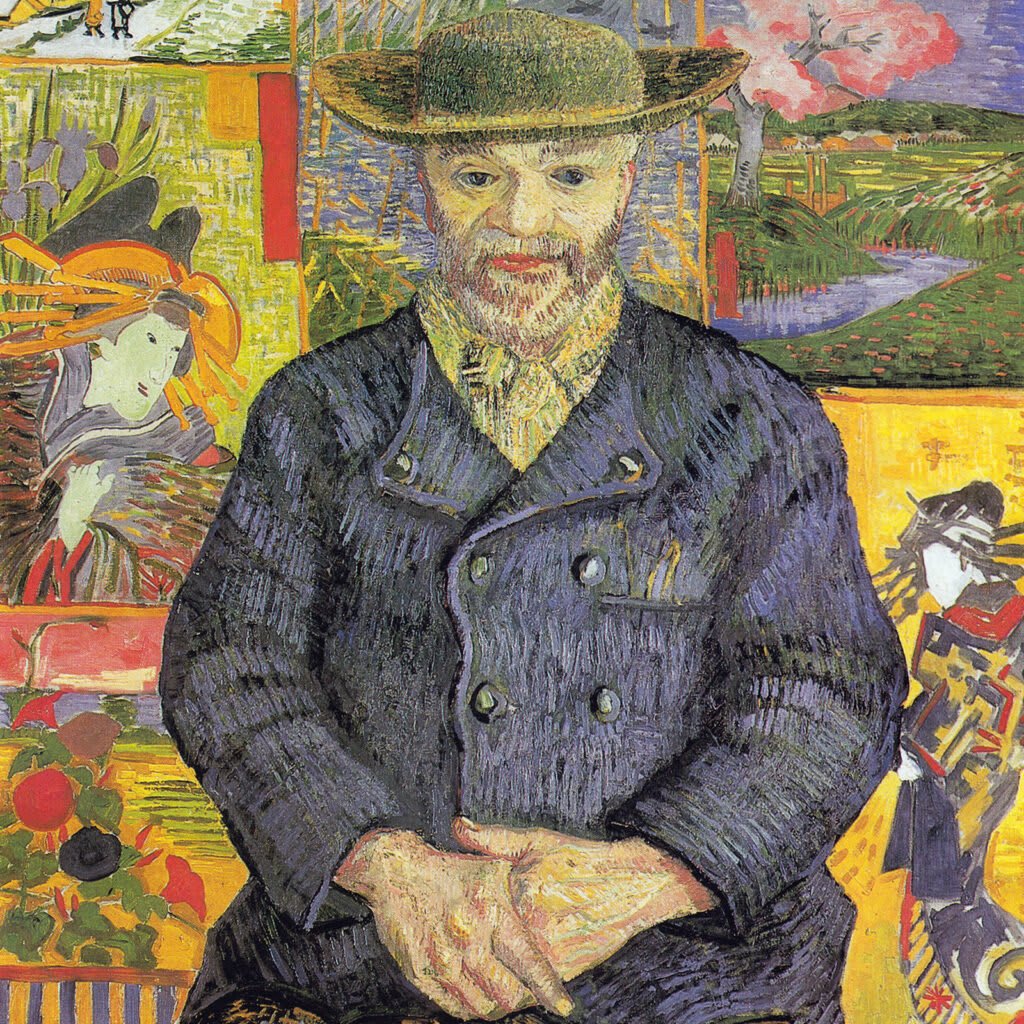
Van Gogh was deeply influenced by masters such as Frans Hals, Jean-François Millet, Rembrandt, and, above all, by Japonism.
Julien Tanguy, the model for this work, was an art supply dealer, friend, and admirer of Van Gogh.
He was portrayed by many painters of his time, given his importance in the art scene.
Vincent's version serves as a striking introduction to his Arles period.
This is notable for the expressive quality of his brushstrokes and the vibrant intensity of the colors employed.
It is interesting to observe the six Japanese prints – known as ukiyo-e – visible in the background of the canvas.
They highlight the painter's, and many other Impressionists', obsession with Japanese prints.
Julien Tanguy was a kind and generous man, which is why he received the affectionate nickname “Père” (Father, in French).
He dedicated himself to welcoming young artists and supporting new forms of expression, techniques, and styles in the painting of the era.
Vincent's Chair and Gauguin's Chair: Mirrors of Two Souls
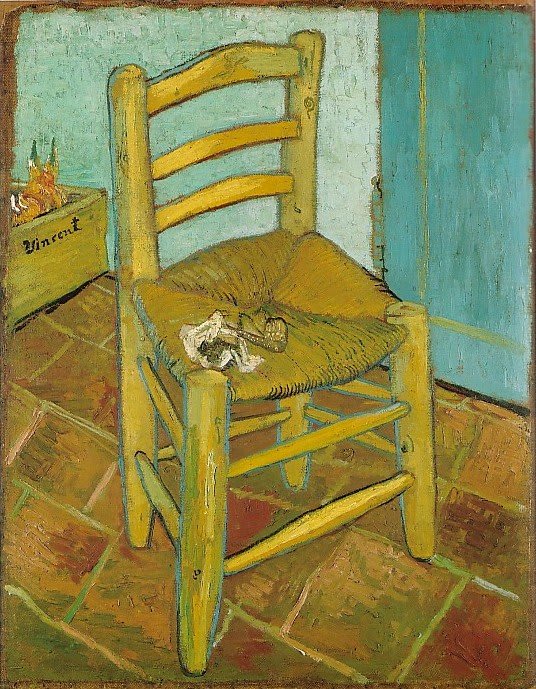
The two chairs Vincent painted in December 1888 are among the most frequently analyzed works of his output.
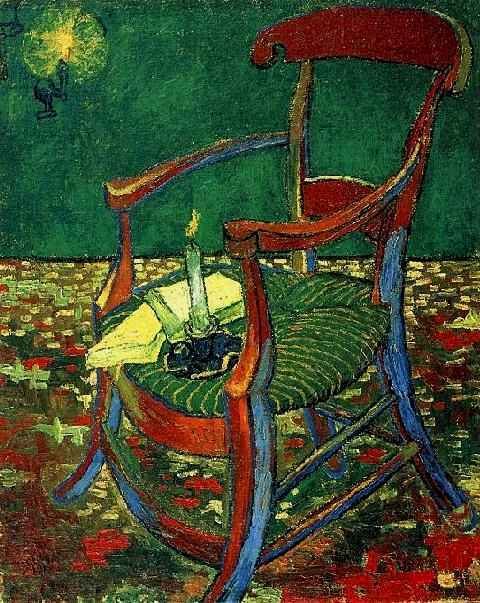
The color scheme of the two chairs is, to use a phrase, as different as night and day, creating a symbolic contrast.
Van Gogh's chair is executed with lighter colors, suggesting daylight and simplicity.
Gauguin's chair, on the other hand, is presented with darker and more somber tones, carrying a different atmosphere.
The symbolic interpretations of the chair paintings also seem quite straightforward and revealing.
Van Gogh's own chair is depicted as a simple and unpretentious object, made of straw on a red-tiled floor.
Gauguin's chair, however, more closely resembles an armchair, being much more ornate in its form and in the vibrant colors used in the composition.
The Siesta: Van Gogh's Homage to Millet
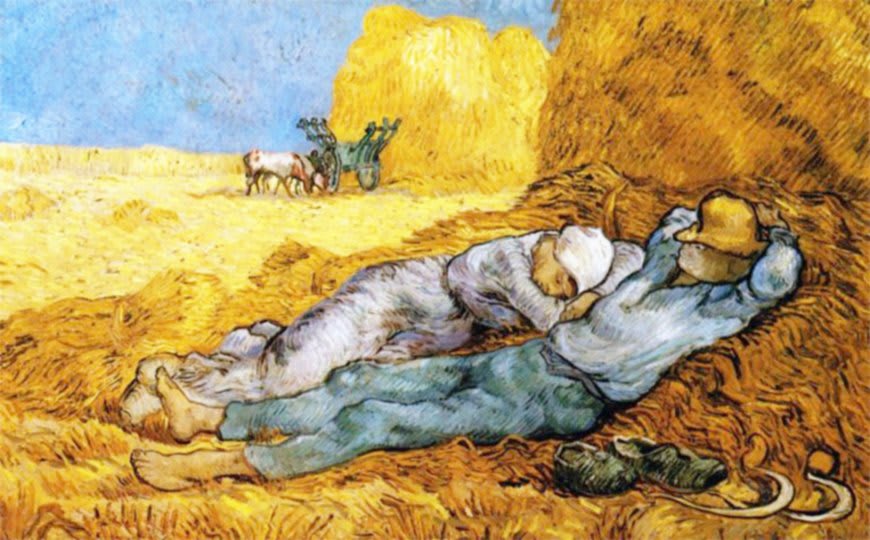
Vincent van Gogh bequeathed to us around 800 paintings, in addition to several hundred drawings and sketches.
Despite having sketched his first drawings in childhood, he only began to dedicate himself fully to painting at the age of 27.
In Brussels, Belgium, the artist began his career producing drawings and studies, many of them copied from Jean-François Millet.
Millet was a renowned French painter, known for portraying rural life with great sensitivity.
Vincent van Gogh became acquainted with Millet's work at the age of 22, shortly after the master's passing.
Throughout his life, Van Gogh expressed profound admiration for Millet and created dozens of reinterpretations of his paintings.
The Langlois Bridge: Japan in Southern France
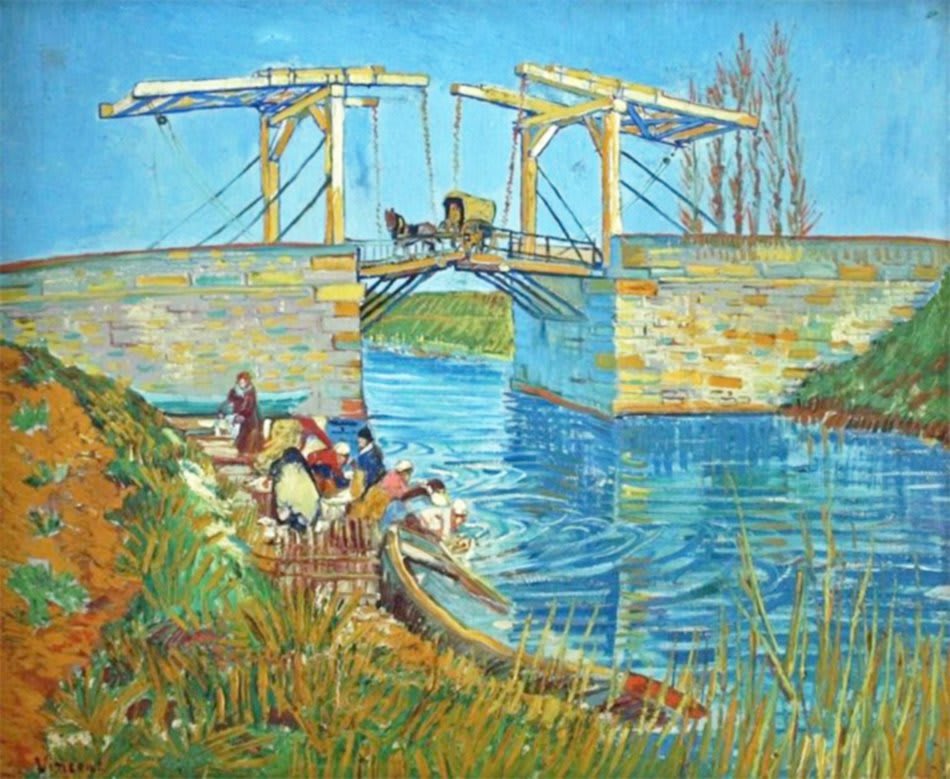
Vincent discovered the Langlois Bridge while exploring the picturesque surroundings of Arles.
He was immediately captivated by its delicate wooden structure and the marvelous chromatic context surrounding it.
The scene reminded the artist of the work by the Japanese artist Utagawa Hiroshige, titled The Bridge Over the Takagi River, which was part of his private collection.
Van Gogh held immense admiration for Japanese painting, and this is evident in his reinterpretations and appropriations.
He produced four paintings and four drawings of this same scene, seeking to reproduce it from different angles.
The characters portrayed also differ among the various versions of the work.
Almond Blossoms: A Gift of Hope
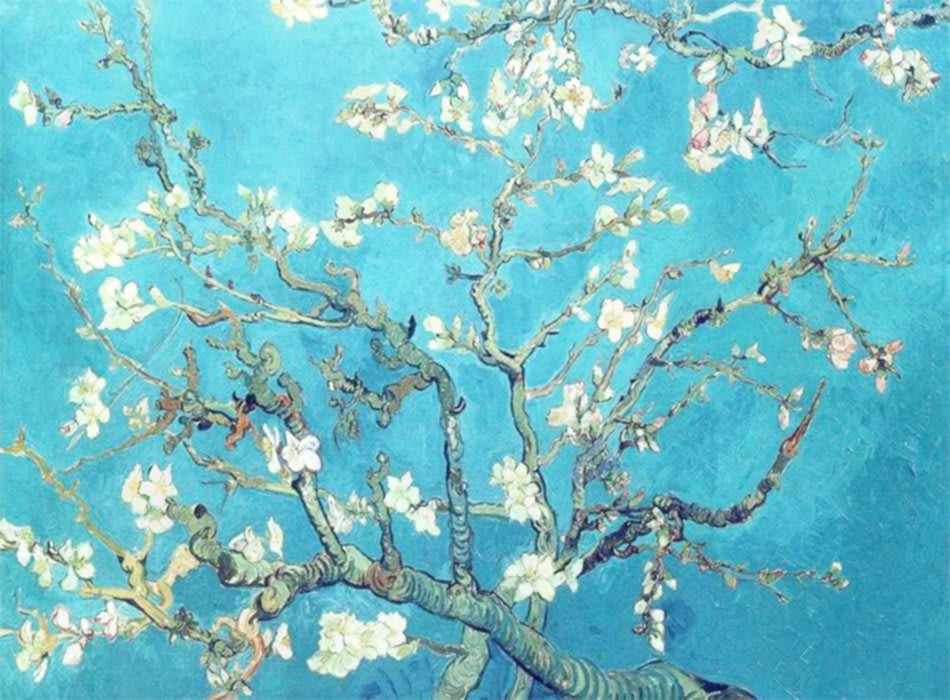
This painting, Almond Blossoms, represents a gift with profound meaning.
It was painted by Van Gogh to offer to his newborn nephew, the son of his beloved brother Théo.
In this painting, the artist sought to express the immense hope he placed in the new family member.
The baby was beginning life, with all the world's beauty awaiting him, a vision of the future.
The painter wished for his nephew to have a life full of inner peace, a feeling the work conveys with delicacy.
This contrasts with the turmoil Van Gogh likely felt, even while intensely experiencing the beauty that surrounded him and that he tirelessly sought in his art.
The Postman Roulin: Friendship in Arles
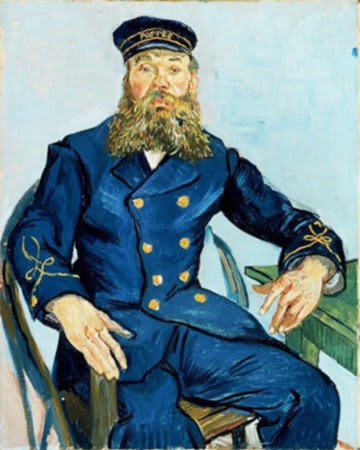
Since his arrival in Arles, Van Gogh relied on the invaluable support and friendship of the Roulin family.
The painter, who frequently used Arles' postal services for his regular correspondence with his brother Théo, was introduced to the family circle by Joseph Roulin (1841-1903), the postman.
The two quickly developed a strong friendship, which would prove crucial for the artist.
Joseph Roulin became the character Van Gogh painted most during his stay in Arles, second only to the artist himself.
Joseph Roulin's loyalty went beyond friendship:
It was Joseph who rescued Vincent from the brothel where he lived with Rachel, to whom he gave his earlobe after his first psychotic episode.
The painter would portray the postman on six different occasions, over an intense nine-month period.
Although they were the most requested models by the painter during his Arles period, they never charged for posing sessions.
The Roulin family was among the people for whom he held a deep friendship, and Van Gogh painted all its members with dedication.
In total, there were 22 portraits of this typical family, representing French working-class families of the second half of the 19th century.
Wheat Field with Cypresses: The Symbols of Arles
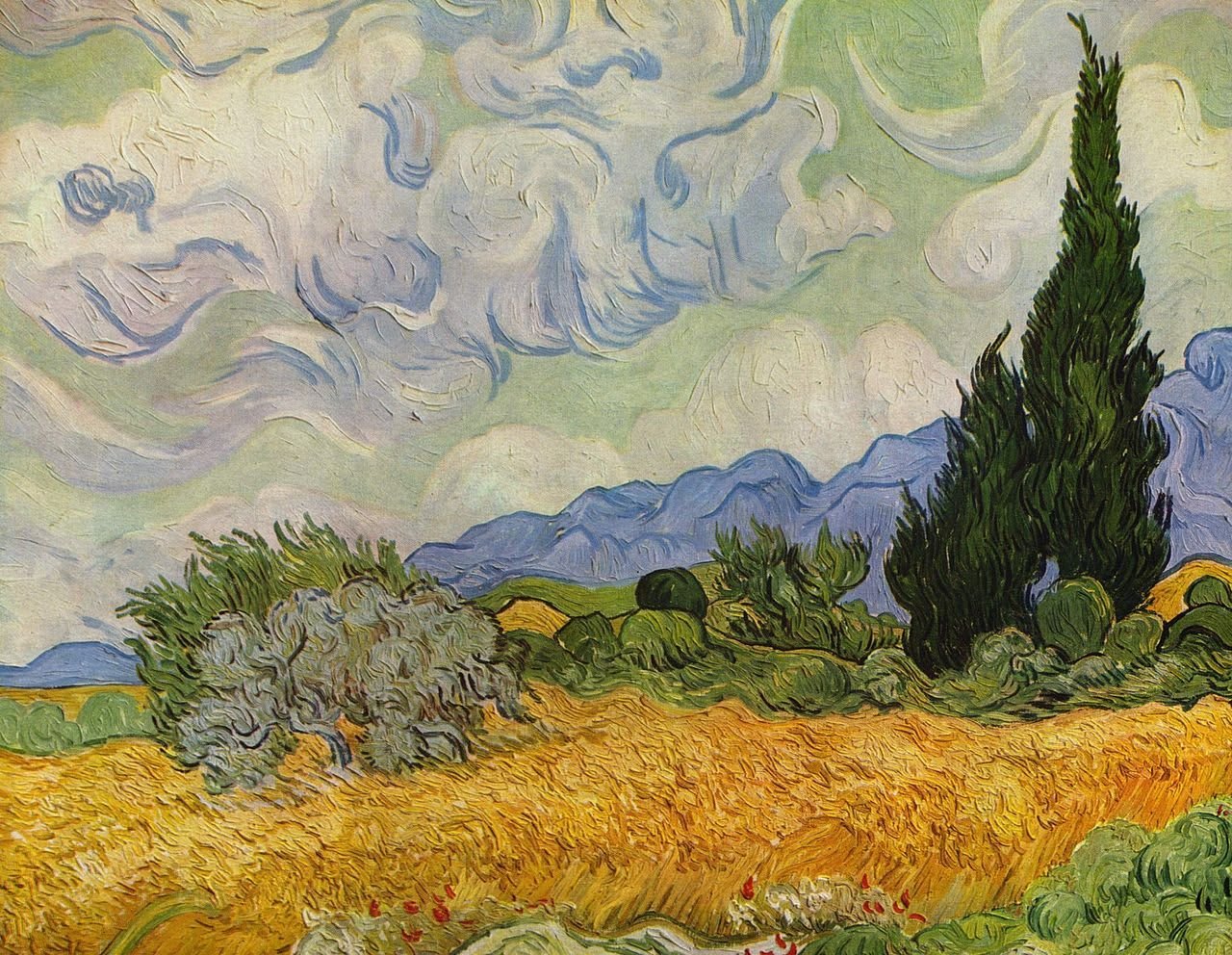
Vincent arrived in Arles, Southern France, in 1888, establishing his home and studio there.
In this region, cypresses became one of the most intensely explored themes in his vast pictorial output, a true symbol of his art.
The dramatic use of color and atmosphere in Van Gogh's landscapes often mirrors the revolutionary techniques used by earlier pioneers of light. William Turner, the Precursor of Impressionism: Notable Works and Style Analysis (Part 2)
Iris Garden: Nature at the Asylum
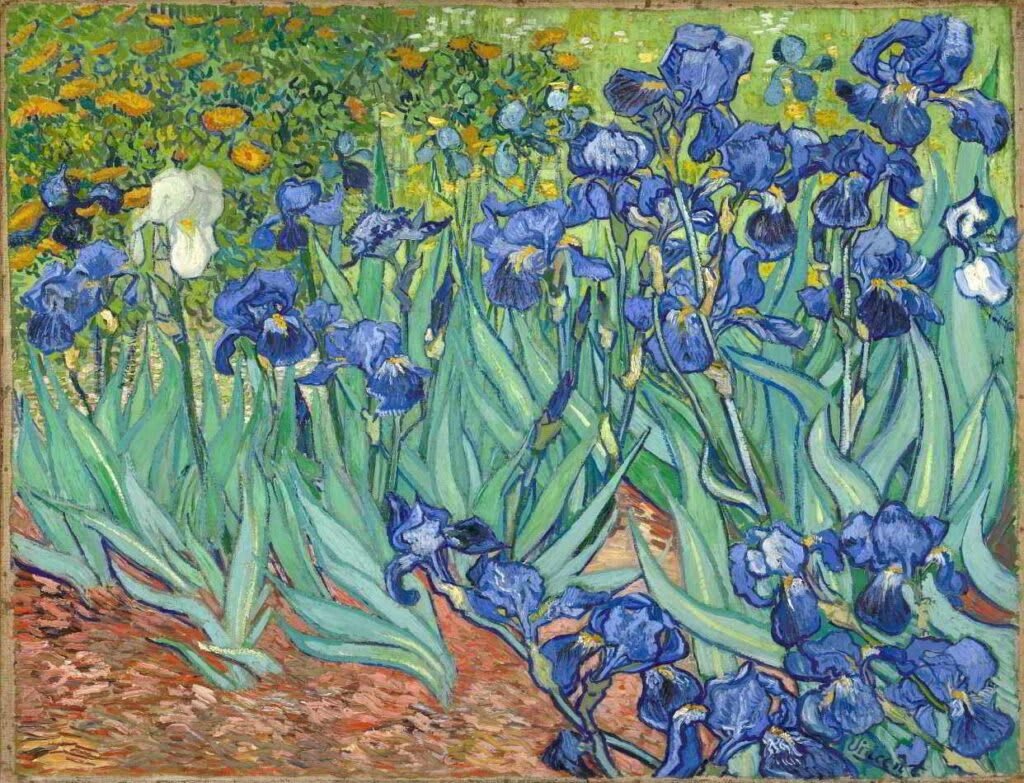
During his period of confinement in the asylum in Saint-Rémy, Van Gogh produced nearly 130 paintings.
Right in the first week, he began his work directly from nature, in the lush garden of the institution.
Each of his portrayed Irises is unique, showcasing the artist's keen and detailed eye.
He carefully studied the movements of the flowers to create a rich variety of forms.
These forms were defined by undulating and twisted lines, giving them a life of their own.
How profound was Van Gogh's understanding of the exquisite nature of flowers!
The Raising of Lazarus: Rembrandt's Inspiration and Personal Struggle
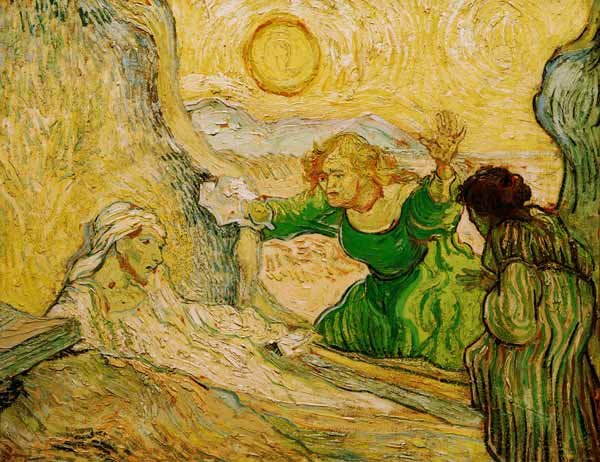
This painting is another one of the notable works created by the artist during his hospitalization in Saint-Rémy.
In this canvas, Van Gogh sought inspiration from engravings by other renowned masters of art history.
The work is, in fact, a partial copy of an engraving by Rembrandt, which depicts the well-known biblical story.
In it, Van Gogh portrays the red-haired character with a particular intensity, laden with symbolism.
We can glimpse a Van Gogh who, while struggling for recovery from his mental illness, identified with the figure of Lazarus.
Lazarus, in the biblical narrative, was brought back to life by Jesus, a longing for renewal for the artist.
Van Gogh’s deep respect for his predecessors led him to reinterpret classical works, a tradition shared by those who study the precision of the Dutch masters. The Anatomy Lesson of Dr. Tulp by Rembrandt
Road with Cypresses and Star: Swirling Night Rhythms
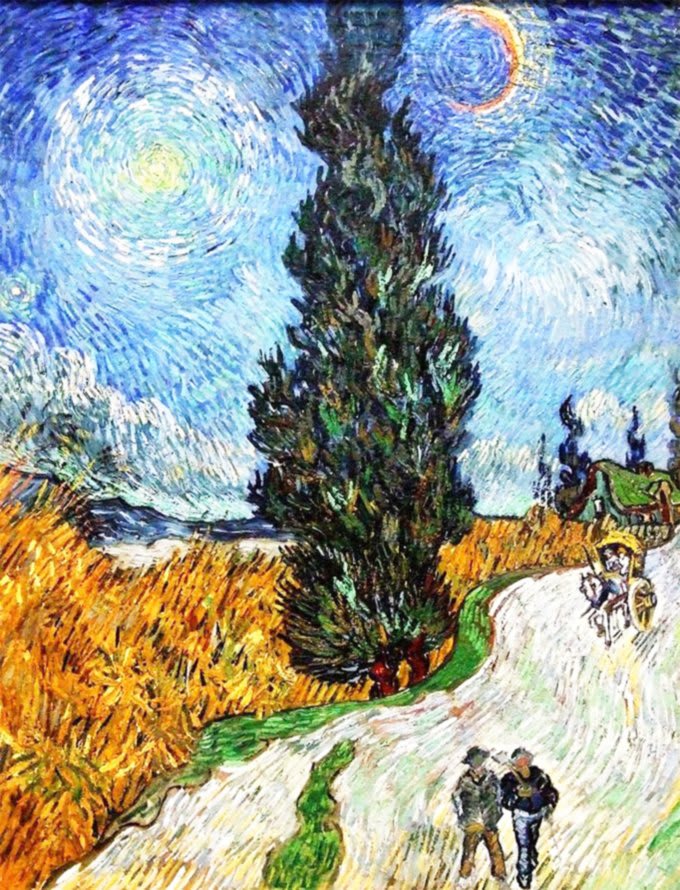
In this night landscape, dated May 1890, we find an unprecedented unity of inspiration in the artist's work.
It is a level that had not been reached in other works produced during Van Gogh's stay in Saint-Rémy.
The importance of details is intentionally diminished, allowing the swirling rhythms that envelop the composition to stand out.
To delve deeper into this fascinating work, click HERE and discover more nuances.
Van Gogh's Moon: Between Twilight and Mystique
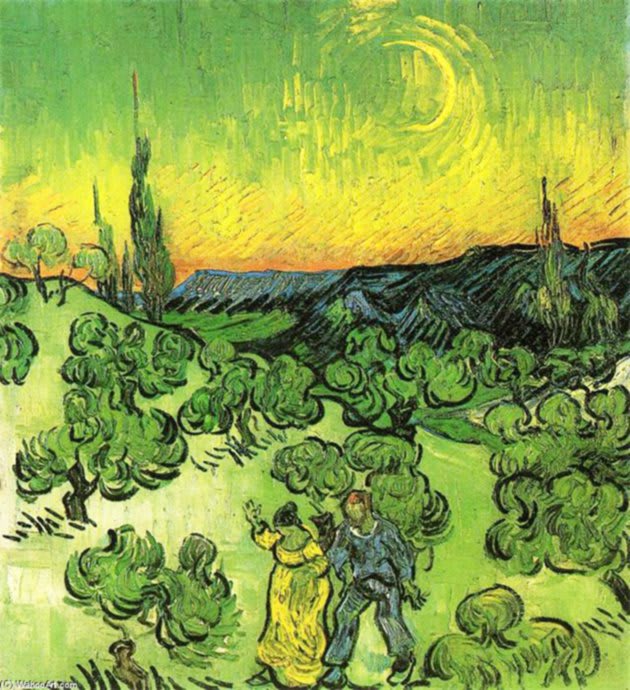
One of Vincent van Gogh's most easily recognizable themes is the striking presence of the crescent moon in his paintings.
In these works, the moon is depicted as a radiant gem, shining intensely in his night skies.
This recurring motif appears in several of his most emblematic paintings, leaving its mark.
The work Landscape with couple walking and crescent moon was created in May 1890, during his stay at the Saint-Rémy Asylum.
Van Gogh's cypresses are world-famous, but in this painting, they appear in the distance, almost as an afterthought.
They lack the majesty and turbulence that frequently characterize cypresses in his other more well-known works.
The "attenuated" quality of the trees is likely intentional, aiming not to divert attention from the couple in the foreground.
The painting is also unusual for depicting twilight, a specific and transitional moment of the day.
The vast majority of Van Gogh's works in Arles and Saint-Rémy explore full daylight, under a scorching Provençal sun.
Twilight landscapes were more common in the early years of his artistic career.
However, Van Gogh undoubtedly took a wonderful stylistic license with his skies.
He presented bright and lustrous moons in broad daylight, although direct depictions of dawn and dusk were rare in the later years of his career.
This painting of remarkable beauty belongs to the prestigious collection of the MASP (São Paulo Museum of Art), in Brazil.


