
Viva La Vida, Coldplay Song Analysis
An in-depth analysis of Coldplay's iconic song 'Viva La Vida,' exploring its profound lyrics, music, and the artistic inspirations behind it.
Viva La Vida is a song by the British band Coldplay, released as a single in 2008 and also featured on the album of the same name.
The track stood out for its unique and emotional style, achieving significant commercial and critical success.
It's a complex song that invites listeners to reflect on the meaning of power, success, and the choices we make throughout life.
Here, we offer an analysis of its lyrics, music, and meaning, highlighting the paintings the band used as inspiration.
It's worth noting that song interpretations can vary from person to person.
TITLE: refers to the last painting by Mexican artist Frida Kahlo, also titled Viva La Vida. It is considered the artist's final work, created just eight days before her passing.
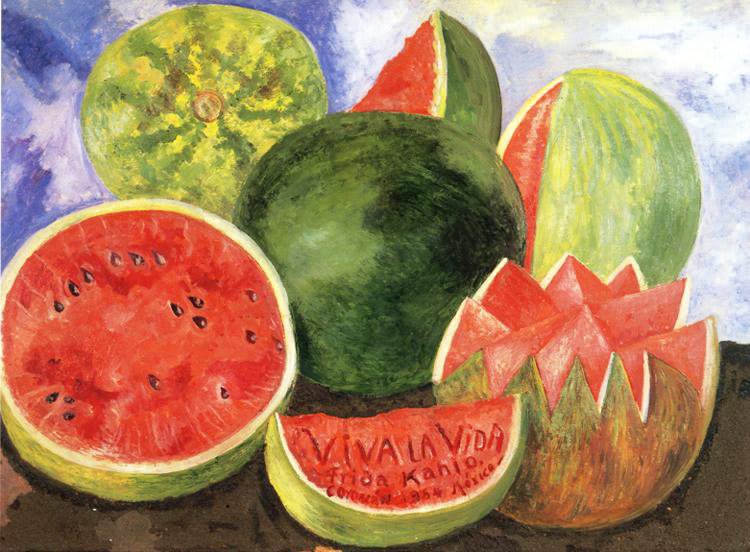
The band's vocalist, Chris Martin, during a trip to Mexico, had the opportunity to see the painting and was deeply moved by the work's story and Frida's resilience.
Thus, he decided to use the phrase in his next work as a tribute to the artist who fought to live, finding in art the best way to overcome her pain.
The title itself, Viva La Vida, which in Spanish means 'Long Live Life,' is a paradox, as the song explores the idea of how power and success can be ephemeral.
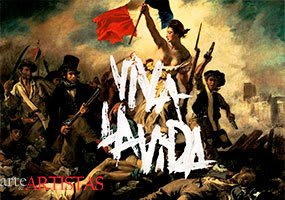
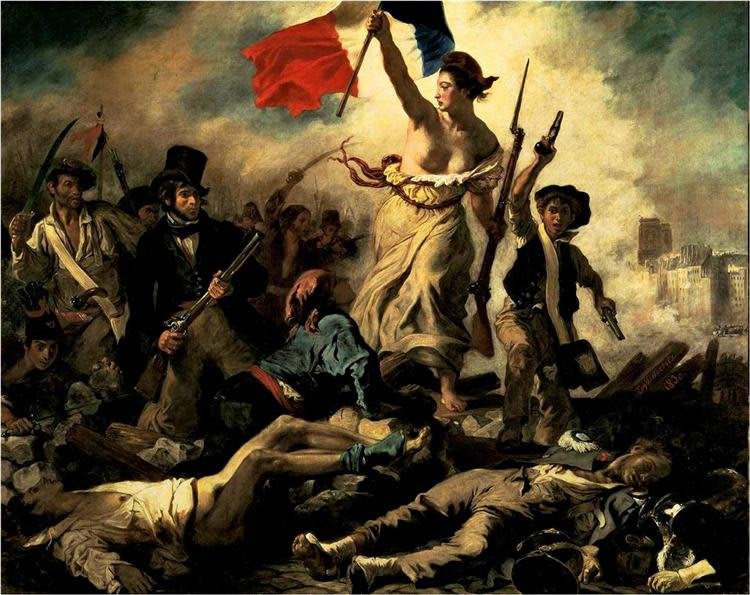
ALBUM COVER: The image references the French Revolution, specifically Liberty Leading the People, by Eugène Delacroix.
The painting is considered a powerful icon of the revolutions that took place during the late 18th century and the first half of the 19th century and the popular classes' struggles for the long-sought equality, one of the most important works representing Romanticism.
LYRICS: The song's lyrics address themes such as power, decadence, redemption, and reflections on life and success.
The narrative appears to center on a leader, possibly a monarch or a powerful figure, who has fallen from their position of power and finds themselves questioning their journey and past actions.
Viva La Vida
I used to rule the world
Seas would rise when I gave the word
Now in the morning I sleep alone
Sweep the streets I used to own
I used to roll the dice
Feel the fear in my enemy's eyes
Listen as the crowd would sing
Now the old king is dead!
Long live the king!
One minute I held the key
Next the walls were closed on me
And I discovered that my castles stand
Upon pillars of salt and pillars of sand
I hear the bells of Jerusalem ringing
Roman cavalry choirs are singing
Be my mirror, my sword and shield
My missionaries in a foreign field
For some reason I can't explain
Once you'd gone there was never, never an honest word
And that was when I ruled the world
It was the cruel and wild wind that
Swept the doors right out of my way
Shattered windows and the sound of drums
People couldn't believe what I'd become
Revolutionaries wait
For my head on a silver plate
Just a puppet on a lonely string
Oh, who would ever want to be king?
I hear the bells of Jerusalem ringing
Roman cavalry choirs are singing
Be my mirror, my sword and shield
My missionaries in a foreign field
For some reason I can't explain
I know St Peter won't call my name
Never an honest word
But that was when I ruled the world
Ooh, ooh, ooh, ooh
MEANING AND INTERPRETATION: considered a classic, the song can be interpreted in various ways, but many critics and listeners agree that it addresses the ambiguity of power and success.
The narrator appears to be someone who ascended to power and subsequently fell from grace or questioned the morality of their actions while at the pinnacle.
The line "I used to rule the world" suggests that the narrator was once a dominant figure, but that position has been lost.
The song explores the loneliness and emptiness that can accompany power, in addition to reflecting on the consequences of ambitious choices.
The reference to Jerusalem and Pillars of salt may relate to biblical themes, such as the story of Lot and his wife, who turned into pillars of salt after looking back while fleeing from Sodom and Gomorrah.
These references might represent the downfall of someone who disobeyed a warning or who was lost due to pride and ambition.
MUSIC: Musically, Viva La Vida is known for its rich and atmospheric instrumentation, combining pop rock elements with orchestral influences.
The song begins with a distinctive guitar and piano melody, followed by a dramatic string section.
The orchestral arrangement adds a sense of grandeur to the music, amplifying the emotional depth of the lyrics.
The use of classical and modern instruments creates an interesting contrast that helps convey the complexity of the themes explored in the song.
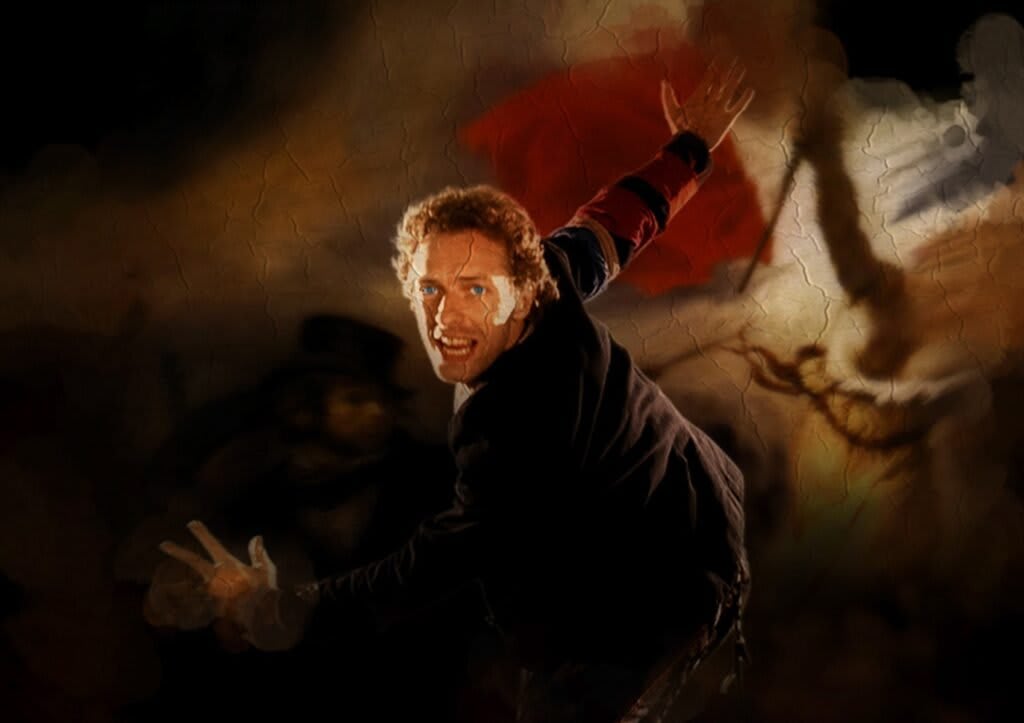
(Credits Coldplay Official Video)


