Yayoi Kusama: Life and Work: The Universe of Pumpkins and Artistic Diversity
Delve into the symbolism of Yayoi Kusama's iconic pumpkins and explore the vast array of artistic mediums that have cemented her status as a global icon.
The fascination of Yayoi Kusama with pumpkins...
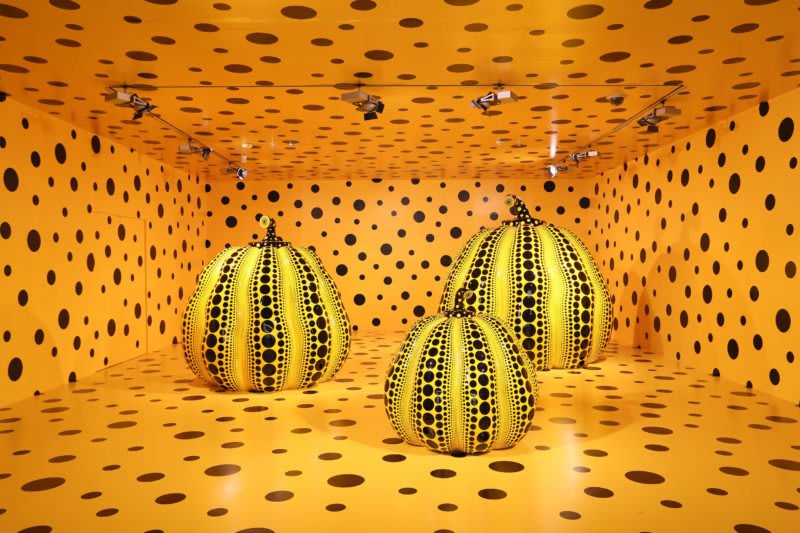
Pumpkins, known in Japan as Kabocha, are positive images for Kusama because they evoke a joyful aspect of her tumultuous childhood in Matsumoto. Therefore, it can be said that the inclusion of pumpkins in her work is due to the childhood memories that the vegetable stirs.
In her work, they first appeared in 1946 in an itinerant exhibition in Matsumoto.
From this show, Kusama did not return to present pumpkins in her art until they reappeared in the 1970s.
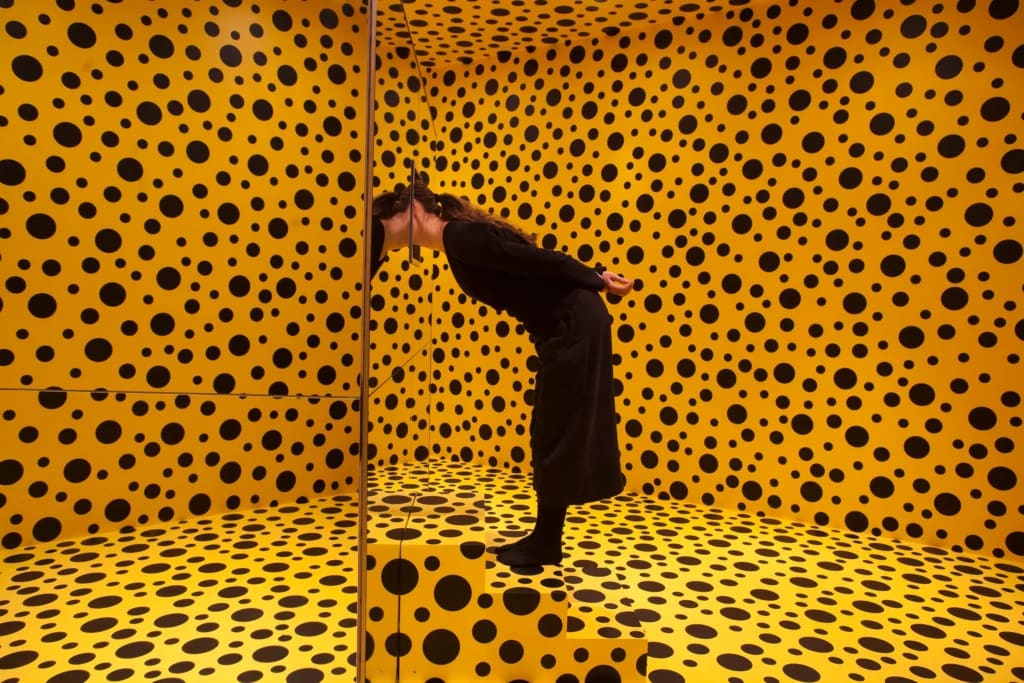
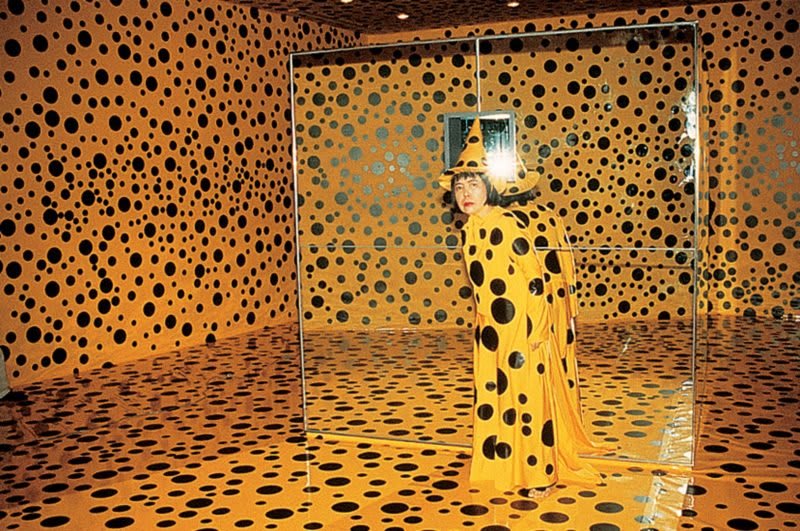
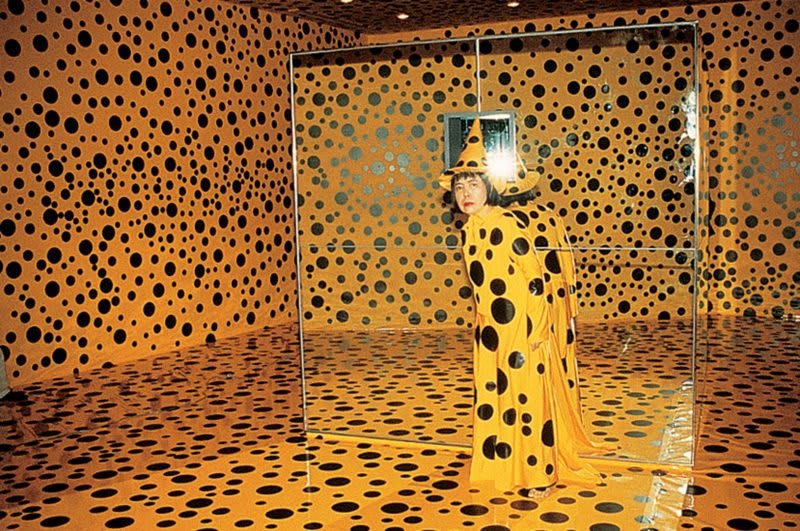
In the 1980s, Kusama began to incorporate them into her drawings and paintings with dotted motifs, as well as in prints and in her Mirror Room installation, which she created in 1991.
Later, the same was also exhibited at the Japanese Pavilion of the 1993 Venice Biennale, where the artist distributed small pumpkins for visitors to take.
The trajectory of Japanese artists who reshaped modern aesthetics is also beautifully illustrated in the life of another visionary. Tomie Ohtake - Biography and Art: A Journey from Immigration to Abstraction
Her distinct motif and use of pumpkins allowed Kusama to make an easily recognizable artistic statement that helped her become a legend and one of the best artists in the History of Art.
At over 90 years old, she continues to be active, with no signs of slowing down, which is a testament to her influence and brilliance.
This profound link between personal psychology and visual expression is a theme shared by several legendary figures in art history. Van Gogh's Self-Portraits
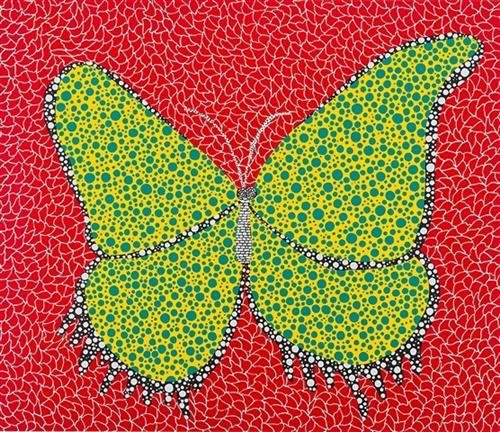
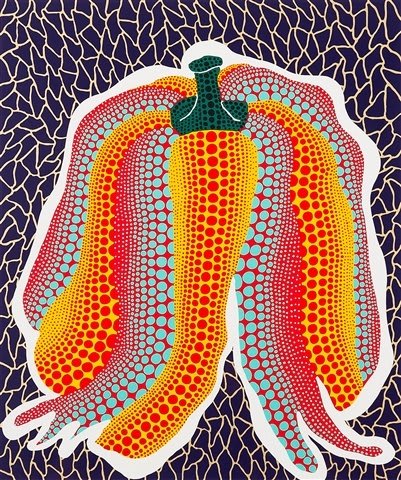
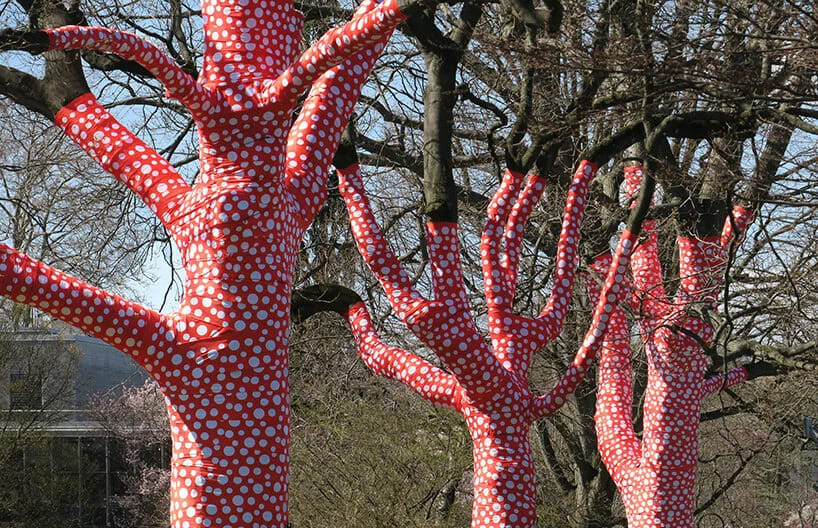
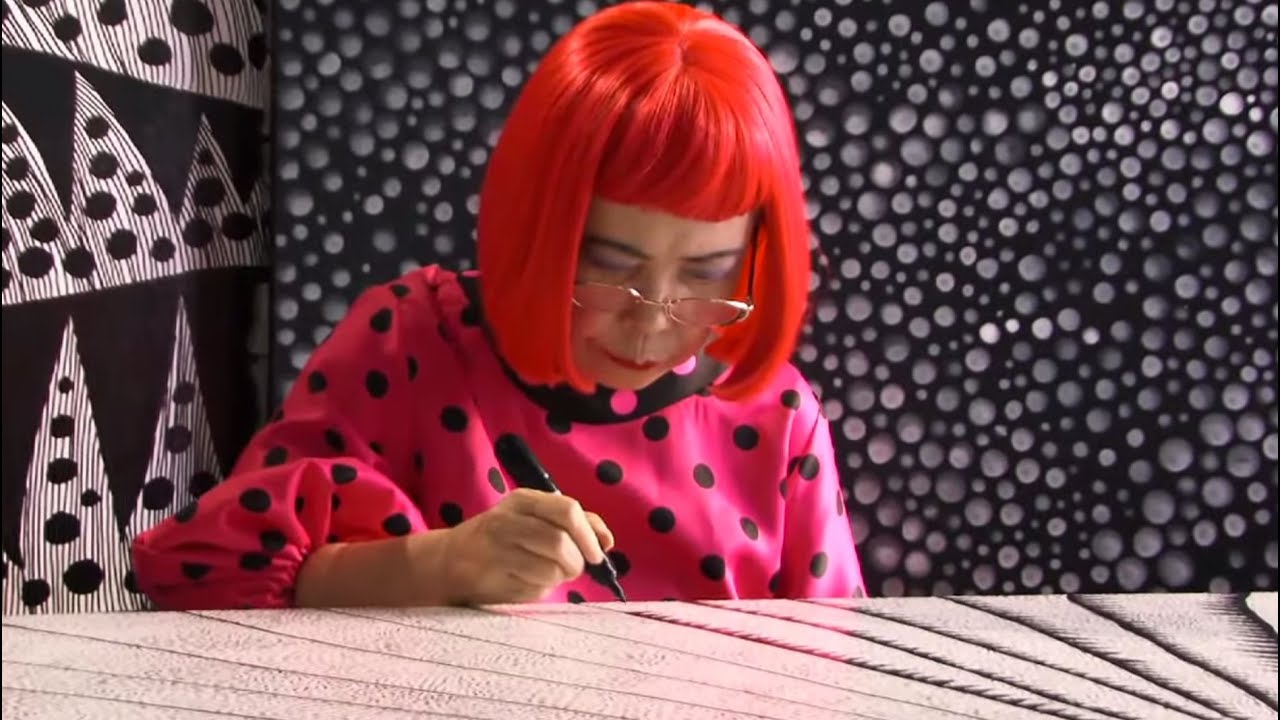
Kusama works with numerous artistic mediums, such as painting, collage, sculpture, video, performance, installation, fashion, literature, and music.
She uses patterns filled with dots that cover the surfaces with incessant repetition, aiming to overload the senses.
The mirrors create vertiginous spaces that duplicate our gaze.