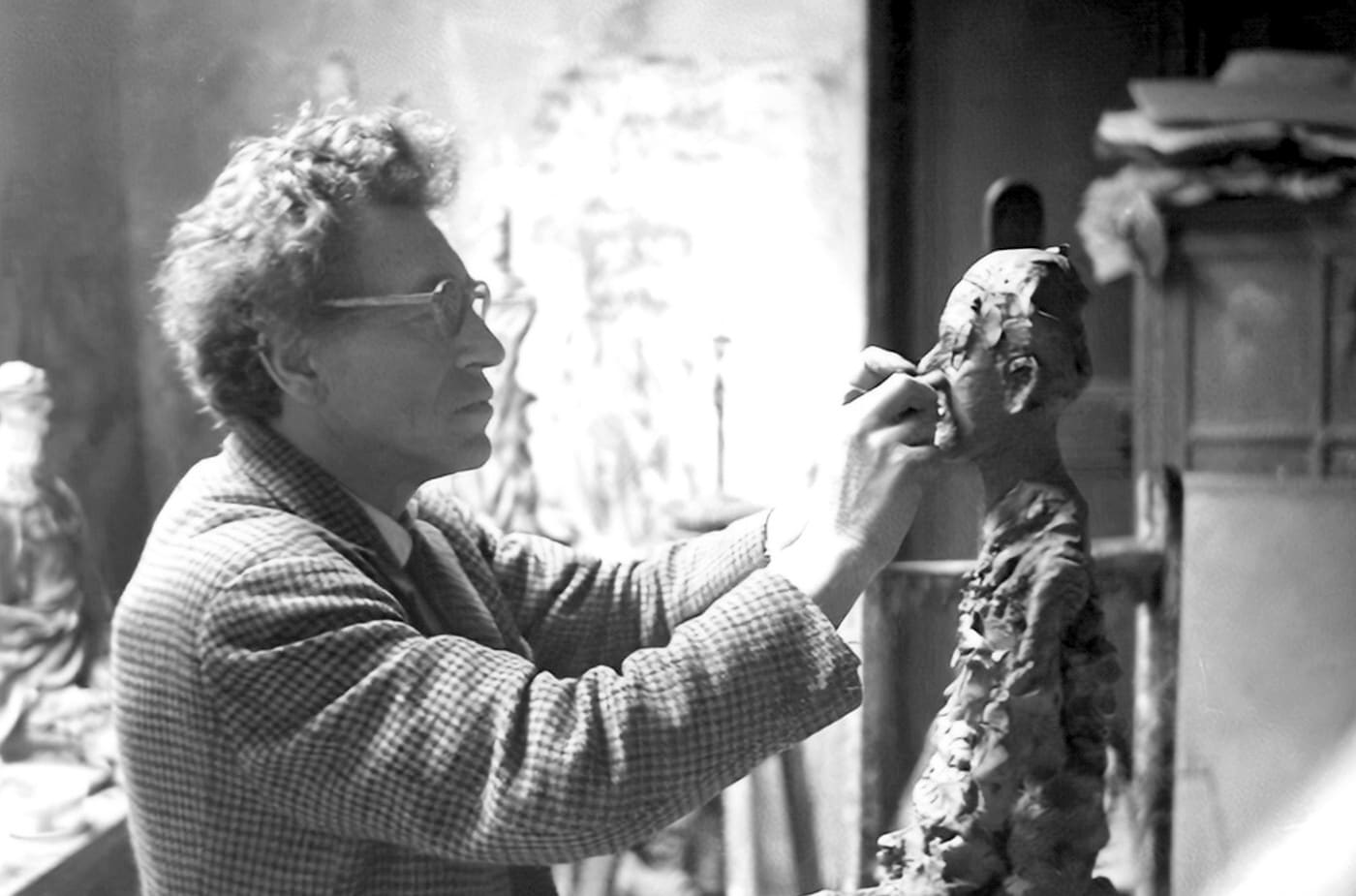
Alberto Giacometti: Biography and Works: From Post-War Solitude to Universal Sculptural Legacy
Explore the mature phase of Alberto Giacometti, his iconic sculptures, global recognition, and the lasting impact of his art in the 20th century.
Article Index
After returning to Paris after the end of the war, he soon discovered that his previous works and the existentialist philosophies behind them were already quite popular in the French capital.
His new pieces awakened the general feelings of desperation and solitude of the post-war era.
The radical shifts in the 20th-century art scene were often driven by artists who challenged established norms, much like the pioneers of the Dadaist movement. Max Ernst: Early Years and the Dadaist Revolution
Highly sought after by museums and collectors, his work earned him solo exhibitions in the city of New York in 1948 and 1950.
Throughout the 1950s, his work continued to evolve constantly as his sculptures became larger, finer, and more complex in design.
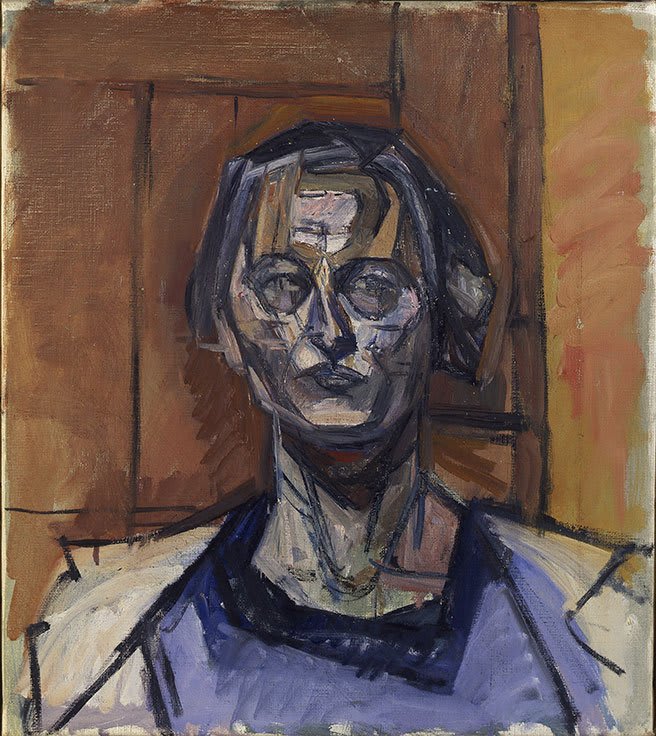
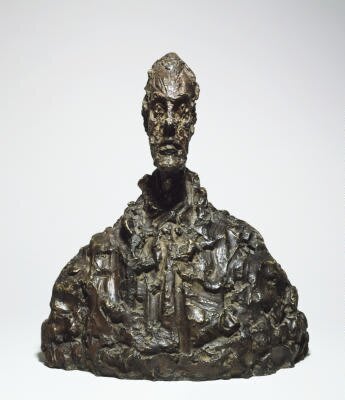
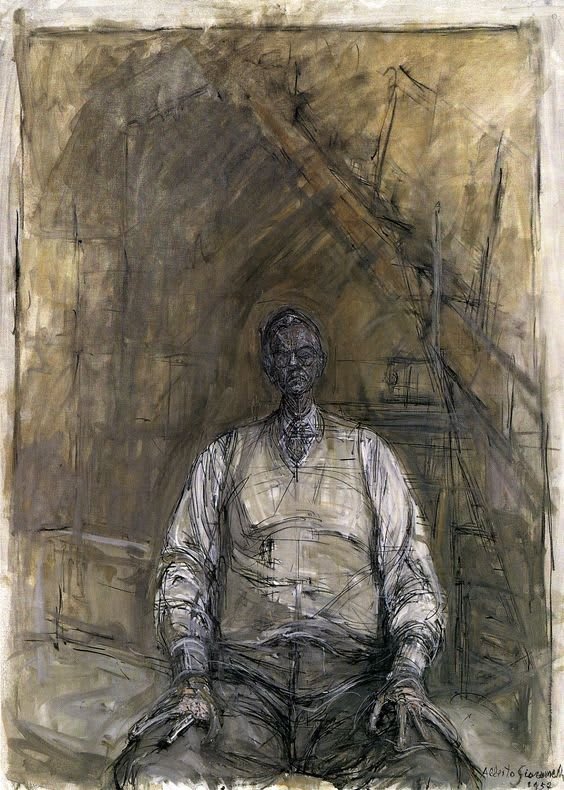
He also created a series of dark and intense portraits of family members, particularly his wife, Annette, whom he married in 1949, and his brother Diego.
He also portrayed some of his well-known friends, such as Jean Genet, Henri Matisse, and Igor Stravinsky.
While Giacometti focused on form and existential depth, his contemporary Matisse had earlier redefined art through a revolutionary use of color. Fauvism
In 1965, already internationally famous, Giacometti had many opportunities during this mature period of his life.
He began a series of illustrated works for contemporary authors, such as Paul Éluard and revered writers of the past, such as Cervantes and Balzac.
In 1962, he was awarded the Grand Prize for Sculpture at the Venice Biennale.
This was a major milestone in his career, as the artist revered participating in this biennial, since the time his father took him to the festival.
Two years later, he received the Guggenheim International Prize for Painting, followed by retrospectives of his work at the Tate Gallery in London and the Museum of Modern Art in New York.
Unfortunately, by this time, his health was already very poor.
Alberto Giacometti died of cardiac exhaustion on January 11, 1966, in Chur, Switzerland.
WORKS CITED
GALLERY

The Man Who Points – The work was created in bronze, measuring 177.5 cm in height.
It is part of a series of six pieces, with it being the only one hand-painted by the artist.
The famous sculpture is a sculptural representation of the philosophy of existentialism.
This focus on the raw, often tormented human condition is a theme shared with the expressive and intense works of Egon Schiele. Egon Schiele: Maturity, Conflicts, and Lasting Expressionist Legacy
In May 2015, Christie's in New York established a relationship of the 10 most expensive works of art sold at auction, including three sculptures by Giacometti.
Among works by Pablo Picasso, Edvard Munch, and Andy Warhol, The Man Who Points was ranked third, sold for $141.28 million.
It was considered the most expensive sculpture ever auctioned at the time.

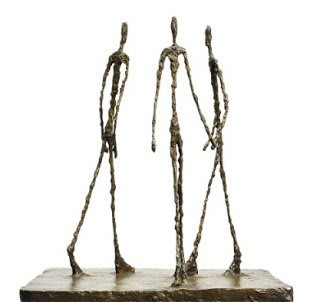
“I began working from memory... Many times the figures became so small that with a touch they disappeared in dust.”
THE LAST PORTRAIT
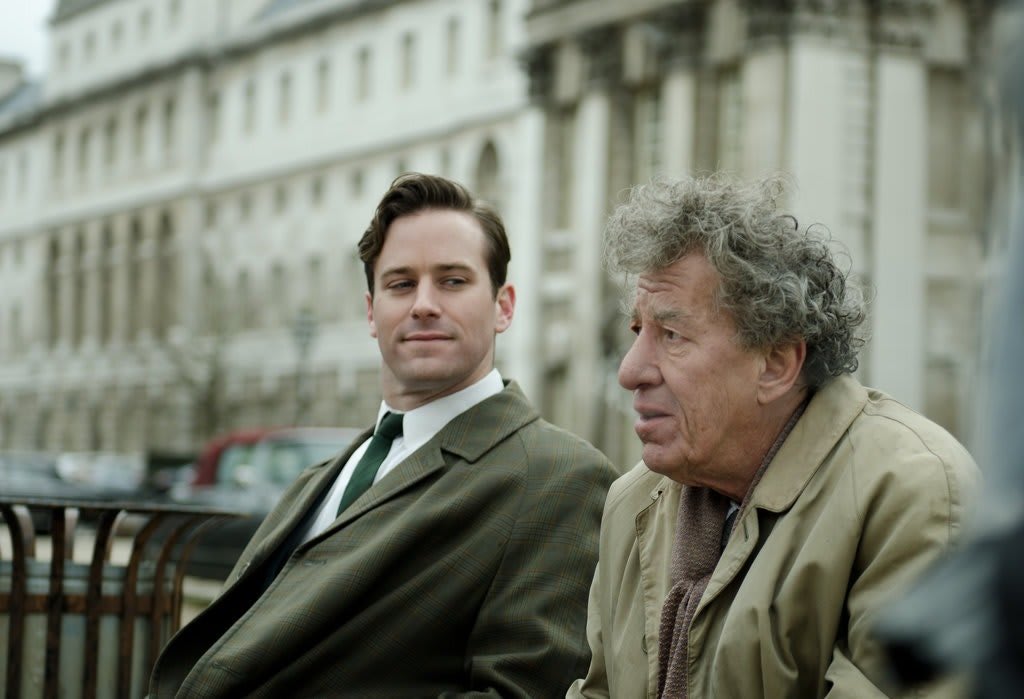
The writer James Lord was a 20th-century art critic who often befriended the artists he wrote about. In 1964, in Paris, the sculptor and painter Alberto Giacometti asked Lord to pose for a portrait. What the artist originally proposed as a one-day job ended up taking almost three weeks. Not an eternity with the effort of imagination, but an inconvenience and a substantial experience, of which Lord wrote a memoir called “A Portrait of Giacometti”.
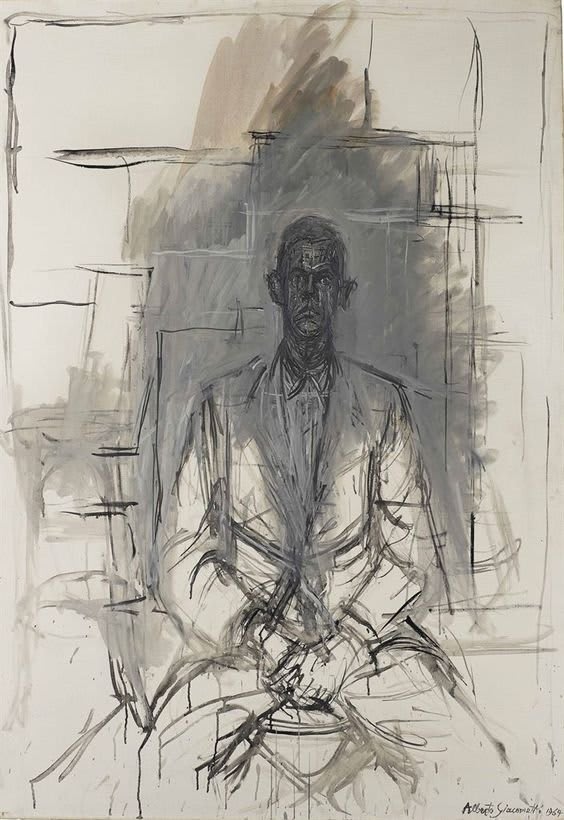
The feature film is an adaptation of James Lord's memoir A Portrait of Giacometti – Directed by Stanley Tucci.