
Biography of Candido Portinari: From Academia to Historic Mural Paintings
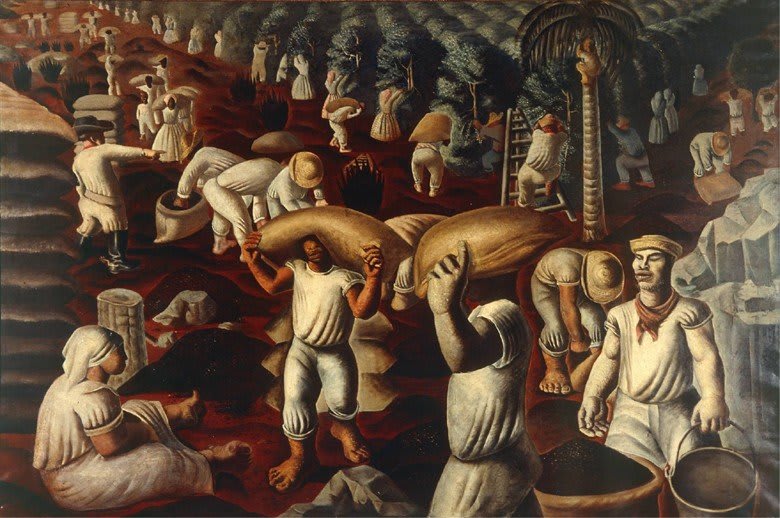
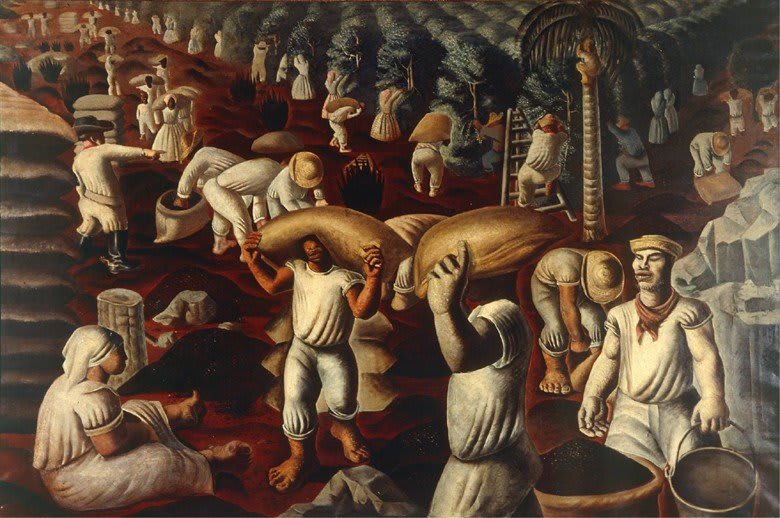
Follow the ascent of Candido Portinari, from his studies in Rio de Janeiro to the creation of iconic works such as 'Café' and the grandiose murals 'First Mass in Brazil' and 'Tiradentes', which marked the history of Brazilian art.
At the age of 15, he moved to Rio de Janeiro to study, encouraged by his family, who recognized his great talent for painting.
He worked and studied extensively.
Some time later, he won a study trip to Europe.
He met Maria Martinelli in 1930, a 19-year-old Uruguayan woman, who was living with her family in Paris, got married to her and lived for the rest of his life.
Interested in exploring more contemporary Brazilian artists? Romero Britto and His Work
In France, Portinari felt homesick for Brodósqui and, upon returning to Brazil, created several works painting his land and people.
Portinari painted his first mural in 1936, for the Rio/São Paulo highway monument, measuring 1m x 8m.
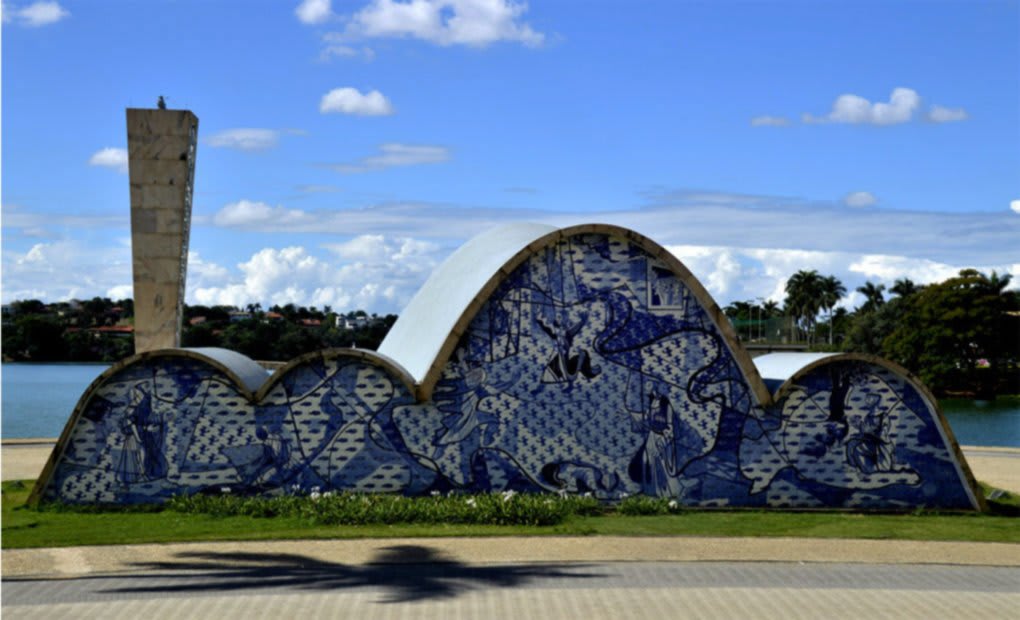
From then on, he executed numerous murals throughout Brazil and the series 'Via Sacra', at the Pampulha Church in Belo Horizonte, enormous and wonderful murals.
In 1951, he participated in the 1st São Paulo Art Biennial.
CAPELA DA NONNA
Built in 1941 in a room in the gardens of the residence in Brodowski, Portinari gifted his grandmother, who could no longer move to attend mass and pray in the city church.
In the Capela da Nonna, Portinari represented the saints preferred by his grandmother, where his relatives were used as models.
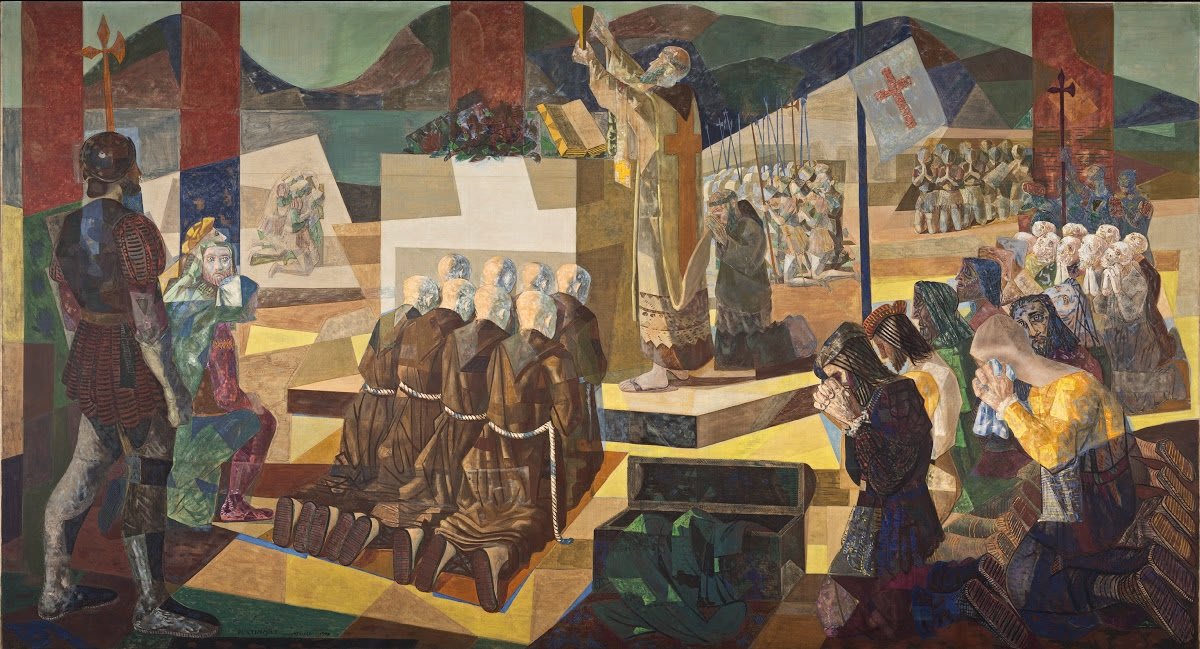
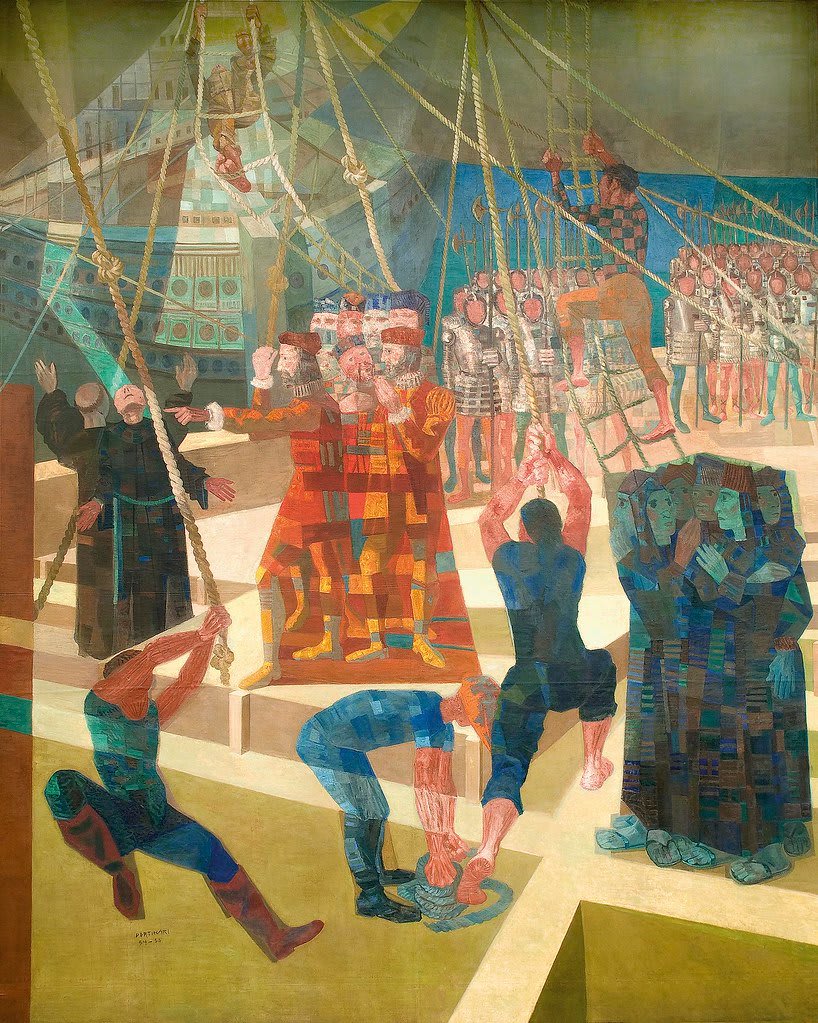
First Mass in Brazil - The Portinari mural representing the first mass in Brazil, was made through a commission to the artist by Thomaz Oscar Pinto da Cunha, the third Baron of Saavedra to compose the building that had just been completed and designed by Oscar Niemeyer in 1946, to serve as the headquarters of the Banco Boavista in Rio de Janeiro.
The mass celebrated on April 26, 1500, four days after the Discovery of Brazil, was interpreted as a re-creation of the celebrated work of the academic artist Vitor Meireles, painted in 1859, almost a century later.
With Portinari's cubist vision.
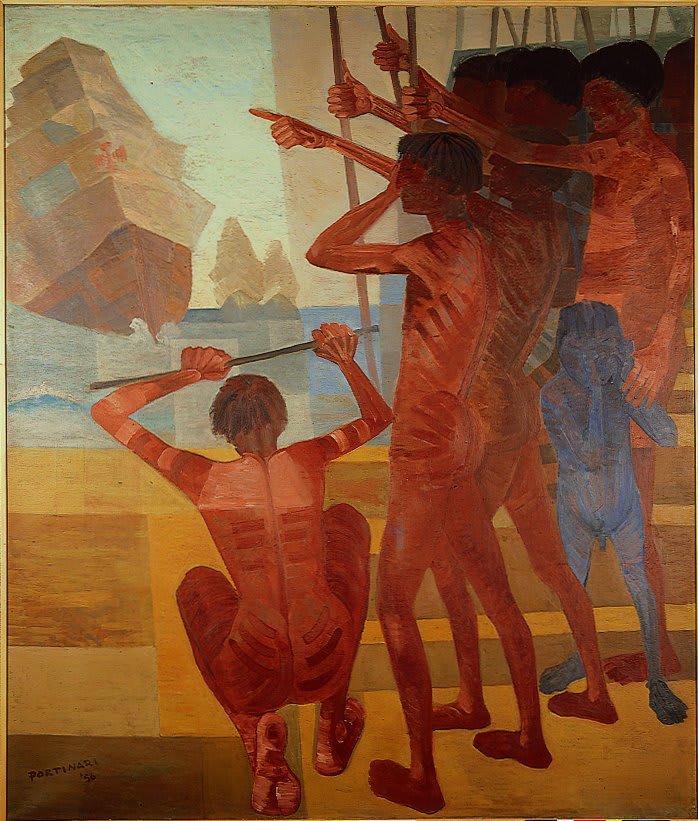
Discovery of Brazil - These works are part of a series of murals created by Portinari in the 1950s titled "Brazilian Scenes". It was a commission from Assis Chateaubriand to the artist.
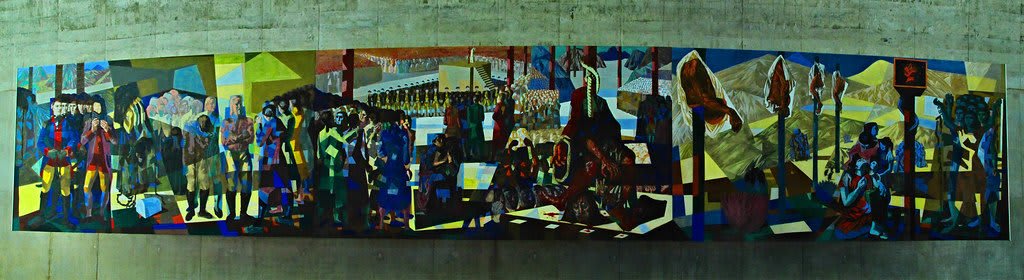
One of his most important works is a massive mural dedicated to the martyr Tiradentes.
It is composed of three juxtaposed panels and measures 17.70 by 3.09 meters.
It was completed in 1949 and is located in the Memorial da América Latina in the Assembly Hall, in São Paulo.
Beyond Portinari's compelling narrative, consider exploring the diverse artistic expressions of other influential creators. Yayoi Kusama: Life and Work: The Universe of Pumpkins and the Diversity of Her Artistic Expressions
Biography of Candido Portinari: How it all began
BIOGRAPHY OF CANDIDO PORTINARI: HISTORIC PAINTINGS
Biography of Candido Portinari: Immortal Legacy and the Universe of Childhood.


