
Biography of Pablo Picasso and His Work: In-Depth Analysis of Masterpieces
A comprehensive overview of Pablo Picasso's life and art, including in-depth analysis of his most iconic works.
The genius dedicated his soul to painting the ceiling of the world's most famous chapel.
Surprisingly, he spent more than 4 years working in almost suffocating conditions.
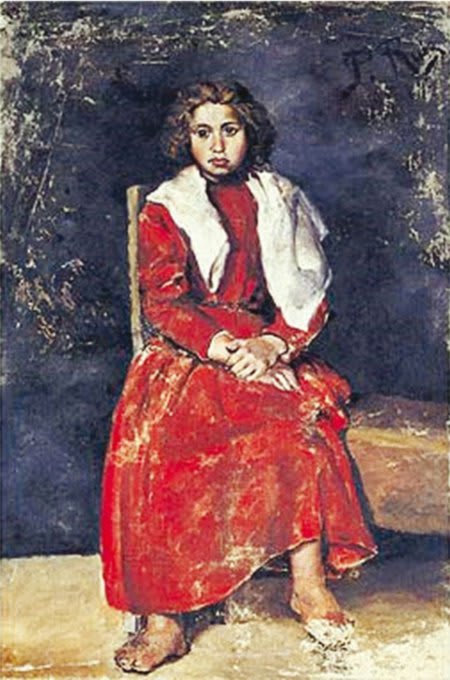
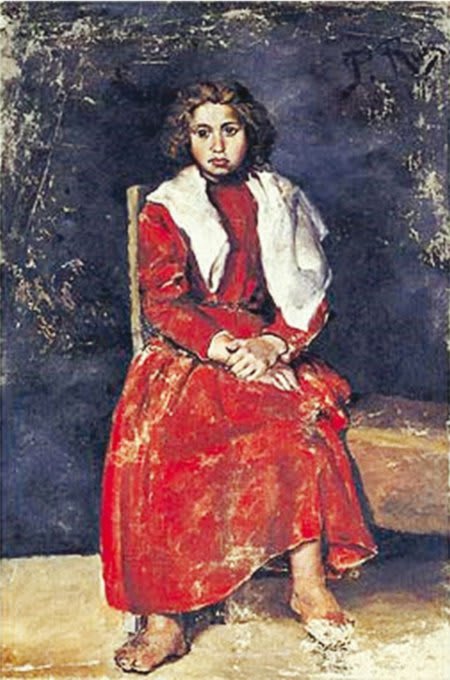
Unlike what many people think, this is one of the first paintings created by Picasso, at the age of 14.
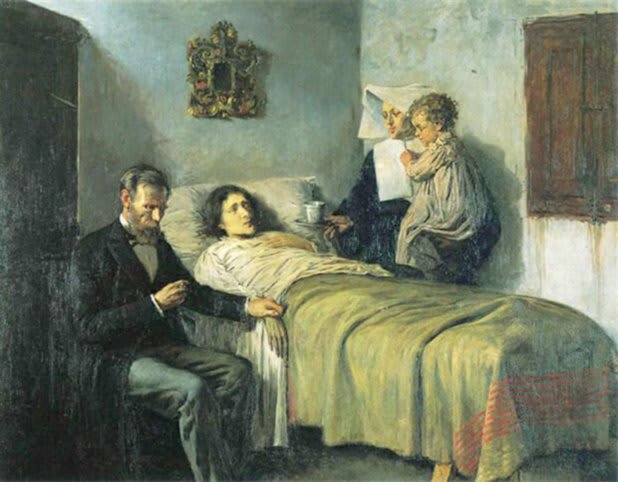
Picasso painted this academic work at 15, receiving an honorable mention at the National Exhibition of Fine Arts in 1897 and a gold medal at a competition in his hometown, Málaga.
In 1900, he moved to London and then settled in Paris.
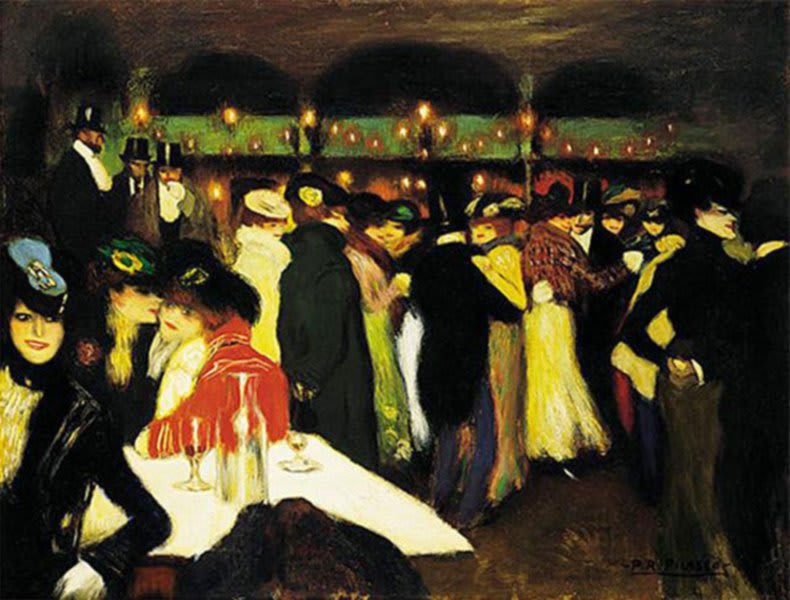
It's no coincidence that his first painting in the art capital was Le Moulin de la Galette, a meeting point for artists that Picasso had heard so much about.
While Picasso was beginning to redefine his style in Paris, another radical movement was breaking traditional rules through the use of vibrant, non-naturalistic color. Fauvism
At the beginning of the 20th century, the cubists Pablo Picasso and Georges Braque transformed collage, traditionally used in scrapbooks, into a form of art.
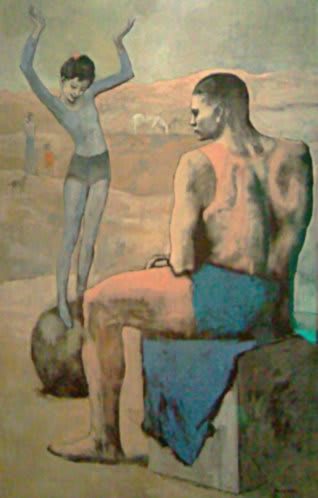
The work Acrobat in a Ball integrates the paintings of the transition between the "blue" and "pink" periods.
Even being one of the founders of Cubism, Picasso did not get stuck in this movement, followed on and applied his knowledge and involvement with other movements.
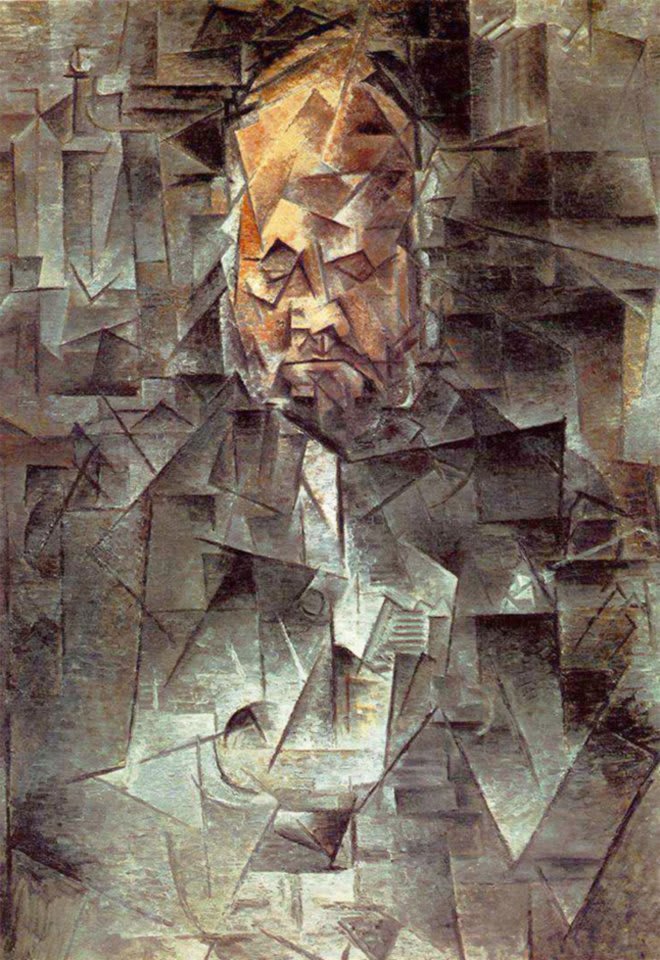
In this portrait, we have an example of analytical cubism that developed with more in-depth works by Picasso and Braque from research initiated with Cézanne's cubism.
The spirit of artistic rebellion that fueled Cubism also laid the groundwork for other creators to challenge the status quo through new and provocative forms of expression. Max Ernst: Early Years and the Dadaist Revolution
Between 1925 and 1938, after his classical period, most of Picasso's work is associated with surrealism.
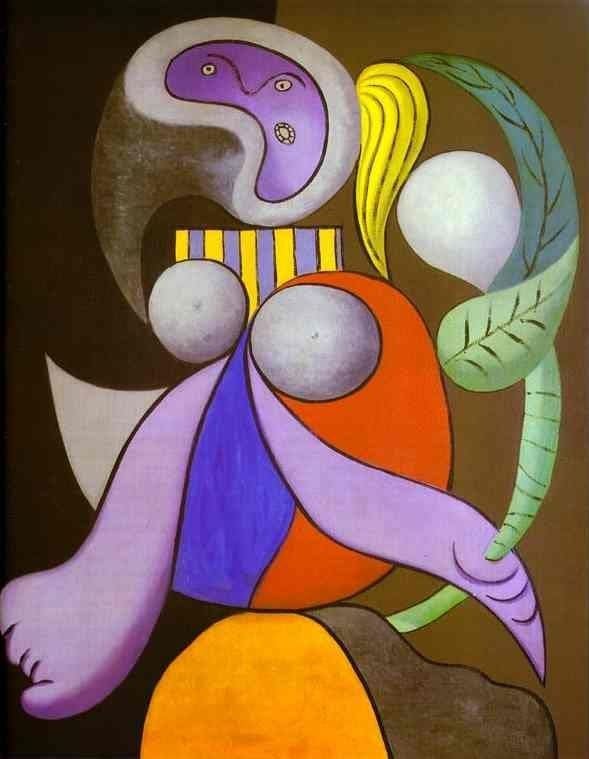
In Woman with a Flower, Picasso represented a portrait of Marie-Thérèse, distorted and deformed in the manner of surrealism.
This fascination with distorted features and psychological depth in portraiture serves as a compelling parallel to other legendary artists who used the self as a canvas for emotional struggle. Van Gogh's Self-Portraits
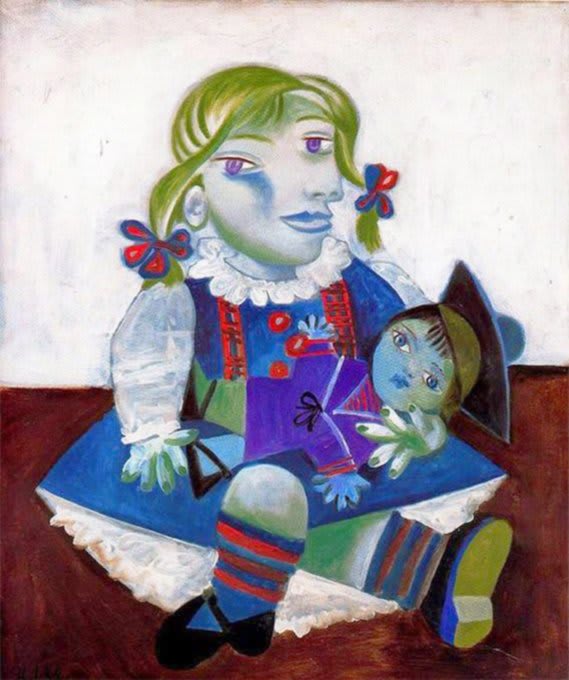
This portrait of his three-year-old daughter Maya seems almost sinister.


