Biography of Pedro Américo: Illustrated Gallery of Iconic Works
A comprehensive overview of Pedro Américo's life and art
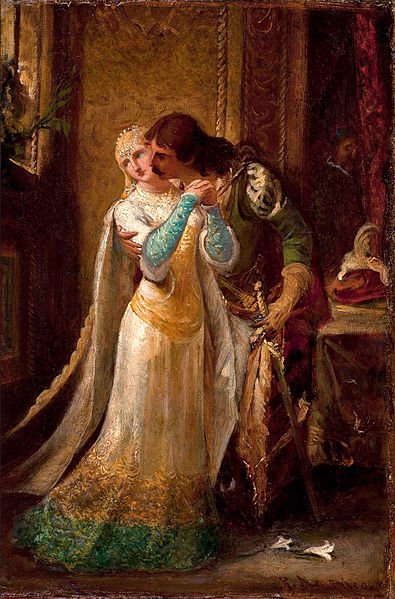
Faust and Margarida - This painting, inspired by Goethe's work, has also influenced other writers, painters, and musicians.
Pedro Américo highlights the character of Mephistopheles, who observes the scene in the background, to the right.
The Carioca - This is the second version of the painting with the same title.
The first one was completed around 1863, depicting a nude woman symbolizing the indigenous Brazilian population.
It is likely that the artist intended to transform the classical theme of a Greek nymph into a Brazilian theme.
The work received a gold medal, and the artist decided to give the painting to Emperor Pedro II, who had agreed to finance his education in Europe.
However, the painting was not well received by the palace staff, who were shocked by the frontal nudity and considered it extremely immoral and inappropriate for the palace walls.
It was therefore returned to the artist, who had already moved to Florence.
The painting was eventually sold to Emperor William of Prussia.
In 1882, twenty years after the first version, Pedro Américo painted this second version of the painting, which is now on display at the National Museum of Fine Arts in Rio de Janeiro.
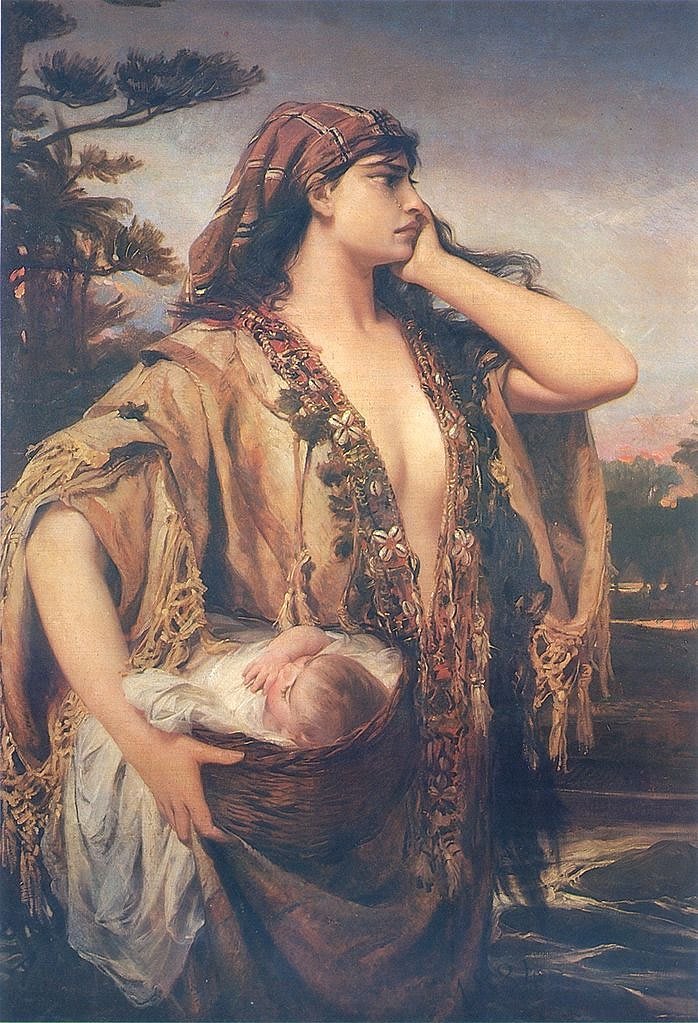
Moisés and Joquebede - This painting tells the story of the Old Testament that presents the portrait of Joquebede and her dilemma regarding the news that the Egyptian pharaoh had ordered the killing of all male Hebrew babies.
She had just given birth to a son, Moisés, whom she believed would be assassinated, and then put the baby in a basket and covered the bottom with pitch to make it waterproof.
Then she placed the baby in the basket on the bank of the Nile River.
The story goes that the pharaoh's daughter was bathing in the river and one of her servants spotted the basket and brought it to her.
In the painting, we see the mother standing by the river with her baby, agonizing over the decision she made, sad and worried about the future of her child.
Tiradentes Esquartejado - The painting that portrays the tragic fate of Tiradentes, makes an analogy with the death of Christ on the cross, as we can see a crucifix next to his severed head, referring to the religious values that Tiradentes may have had in life.
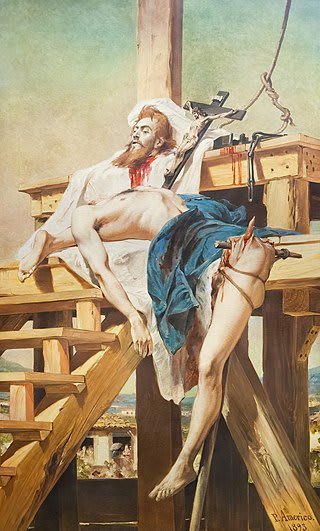
Location: Museu Mariano Procópio, Juiz de Fora (MG)
GALLERY - COMMENTED ART