
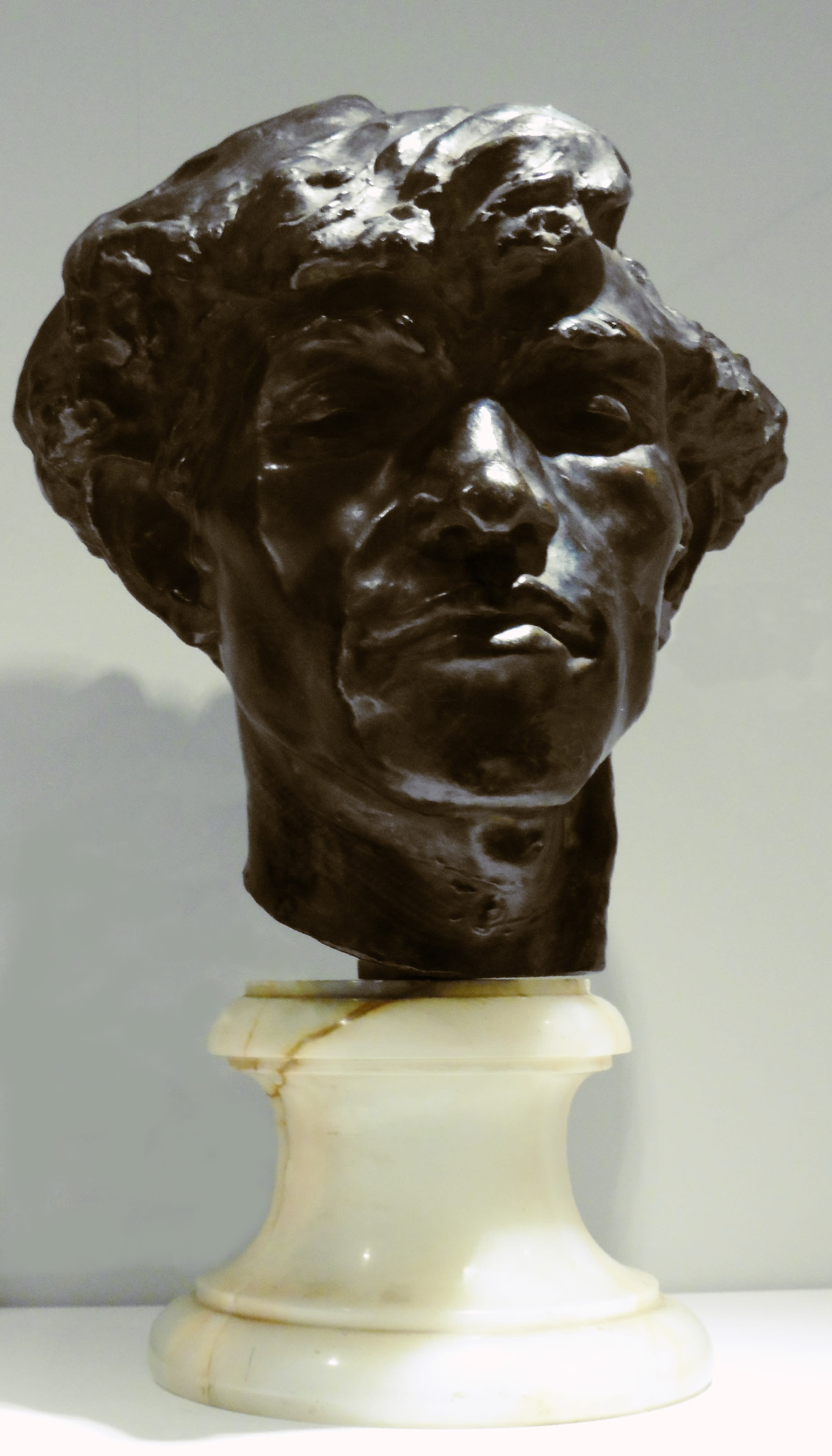
Camille Claudel: Biography and Work: Life, Artistic Formation and the Relationship with Rodin
Discover the fascinating biography of Camille Claudel, her childhood and precocious talent, her artistic formation in Paris and the complex relationship with Auguste Rodin that shaped her work and personal life.
I invite you to discover the life and work of Camille Claudel, one of the most talented and tragic sculptors in the history of art.
Born in 1864, in France, Claudel showed an exceptional talent from a young age, studying under the guidance of Auguste Rodin, with whom she had an intense and tumultuous relationship.
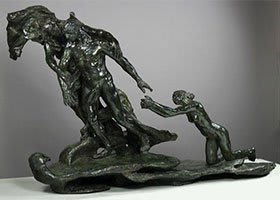
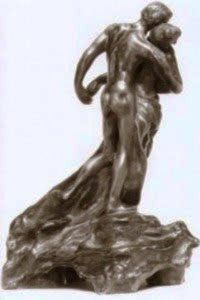
Her sculptures, such as "The Mature Age" and "The Waltz," are known for their expressiveness, detail, and deep emotional charge.
Claudel's career was marked by personal and professional challenges, leading her to forced isolation in the last years of her life.
By exploring Camille Claudel's biography and works, you will be touched by the genius and struggle of an artist whose passion and skill transcended adversity.
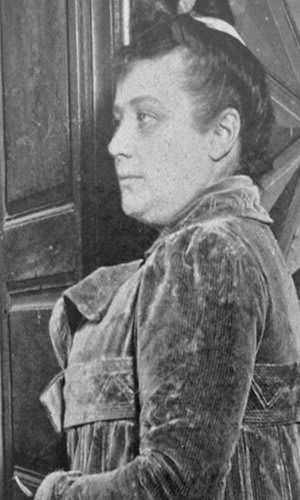
Camille Claudel (artistic name of Camille Athanaïse Cécile Cerveaux Prosper ) was born in Fère-en-Tardenois, in a region in the north of France, on December 8, 1864.
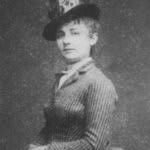
Daughter of a family of farmers and nobles. Her father, Louis Prosper, negotiated mortgages and banking transactions. Her mother, Louise Athanaïse Cécile Cerveaux, came from a family of Catholic farmers and priests from Champagne. The family moved to Villeneuve-sur-Fère while Camille was still a baby. Camille had two brothers, Louise, her mother's favorite, and Paul, the younger brother, who later became the famous poet and playwright Paul Claudel.
Camille was fascinated by stones and rocks as a child and showed talent in modeling clay from an early age.
Her father sought to give her an opportunity to study art, and he sent her to study at the Académie Colarossi, one of the few art academies open to women. Camille, thus, moved with her mother, brother, and younger sister to Montparnasse, in Paris in 1881.
Camille Claudel: Creative Period
At the Académie Colarossi, Camille Claudel studied with the sculptor Alfred Boucher. In 1882, she rented a workshop with other young women, mainly English, including Jessie Lipscomb. In 1883, she met Auguste Rodin, who taught her sculpture and her friends.
By around 1884, she began working in Rodin's workshop, where she initially influenced her to move away from the classical towards a more natural style of sculpture.
Thus Camille became his source of inspiration, his model, his confidante, and his lover. Her work became simpler and clearer, with an elegance never presented before, while her work became increasingly sensual, as the relationship intensified. They sometimes separated, and her sculptures acquired an even more intense quality.
In 1892, perhaps after this unwanted abortion, Camille ended the intimate aspect of her relationship with Rodin, although they continued to meet regularly until 1898.
After the breakup with Rodin, she began to produce her most personal and revolutionary works. From 1903, Camille exhibited her works at the Salon des Artistes Français and the Salon d'Automne. She proved to be a brilliant sculptor without being Rodin's shadow.
Camille knew many of the other artists working in Paris at the time, and she was even engaged to the musician Claude Debussy for a time. In the early years of the 20th century, Claudel had patrons, distributors, and commercial success. However, this support began to dwindle, as she found little acceptance after her breakup with Rodin and suffered from increasing isolation and poverty.
Although she continued to be tormented by a strong depression, her mental illness did not affect her genius. Her masterpiece, L'Age Mûr ("The Mature Age"), is considered by some to be a representation of Claudel's pain, representing Camille, nude, begging Rodin to stay with her as he walks away, surrounded by the arms of an old woman with the features of a vulture.
This figure can be referred to as Rose, Rodin's wife. This scene, which actually occurred, summarizes the atmosphere of their relationship and the tragedy lived by Camille, who could never surpass Rose. However, in another interpretation, this sculpture represents the change from youth to old age as an allegory of time passing, hence the title, The Mature Age, with life being the man walking away from "youth," the young woman to the old woman meaning "old age".
In both cases, this sculpture reveals her unique understanding of movement, also captured in La Valse ("The Waltz"). This shows her powerful ability to convey emotions. In this expressive power, her artistic talent is more modern than Rodin's, a more classical sculptor, making her a vanguard sculptor in her time, who remained largely unrecognized until the 20th century.
Camille Claudel: Illness and Confinement
From 1905, Claudel began to act mentally deranged.
She destroyed many of her works, disappeared for long periods of time, acting paranoically, accusing Rodin of stealing her ideas and leading a conspiracy to kill her.
Her father, who approved her choice of career, also tried to help her and financially support her. When he died on March 2, 1913, her mother did not inform Camille. On March 10, at the initiative of her brother, she was admitted to the Ville-Évrard psychiatric hospital in Neuilly-sur-Marne. The admission form said that her admission had been "voluntarily" decided by her, although the same had been signed by a doctor and her brother.
Camille Claudel died on October 19, 1943, after having lived 30 years in the asylum in Montfavet, without ever having received a visit from her mother or sister. Her body was buried in the Montfavet cemetery.
Camille Claudel - a crushed artist by the society of her time - left her mark on the history of art, impressed at the cost of immense personal sacrifice, her intuition foresaw an unhappy and uncertain future...
"Only art and poetry count in life. All the conventions of family, society, and religion are nothing but deceptions"
(Camille Claudel, at 18 years old)
To understand the rest of this journey, continue to our next article: Camille Claudel: Biography and Work: Illness, Confinement, and Analysis of Masterpieces.


