Cubism: From Synthesis to Global Influences and in Brazil (Part 2)
Cubism: From Synthesis to Global Influences and in Brazil (Part 2)
Synthetic Cubism (1912-14)
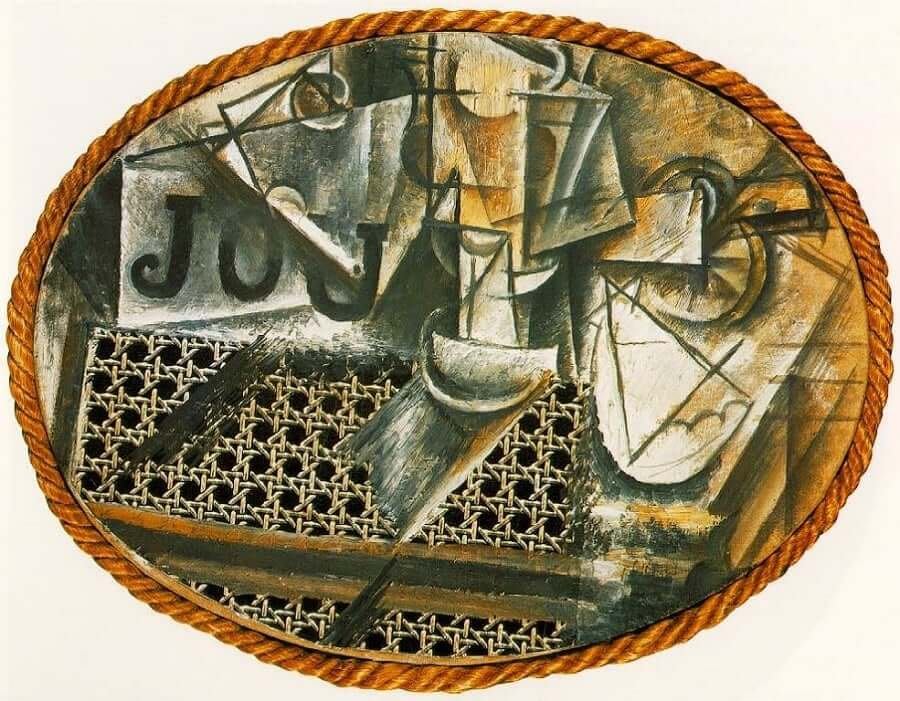
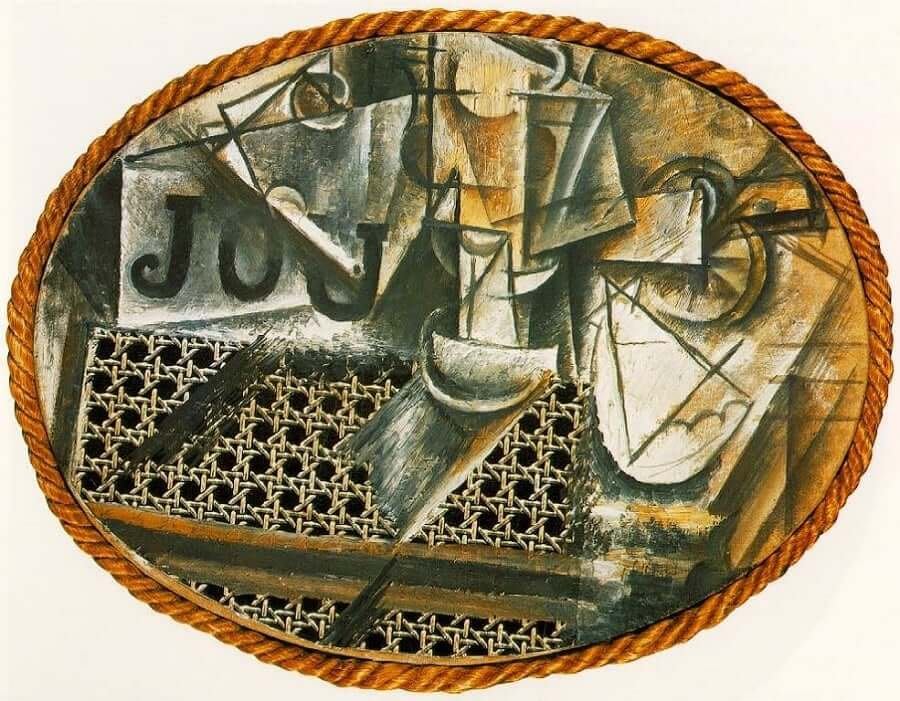
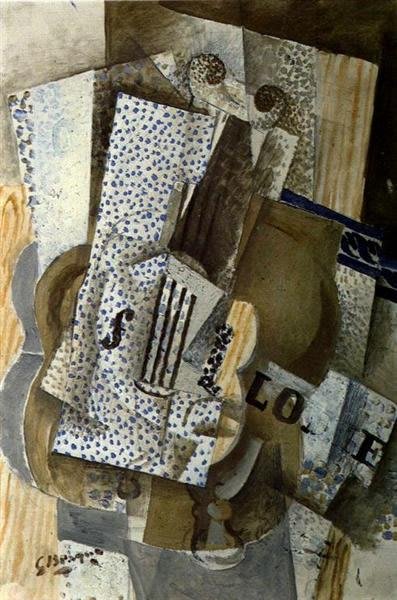
In 1912, Picasso and Braque began introducing different elements into their compositions, continuing their experiments with multiple perspectives.
Picasso incorporated wallpaper that imitated a wicker chair, thus initiating cubist collage, and Braque began gluing newspaper onto his canvases.
Picasso's experiments with sculpture are also included as part of the style, as they employ elements of collage.
Crystal Cubism (1915-22)
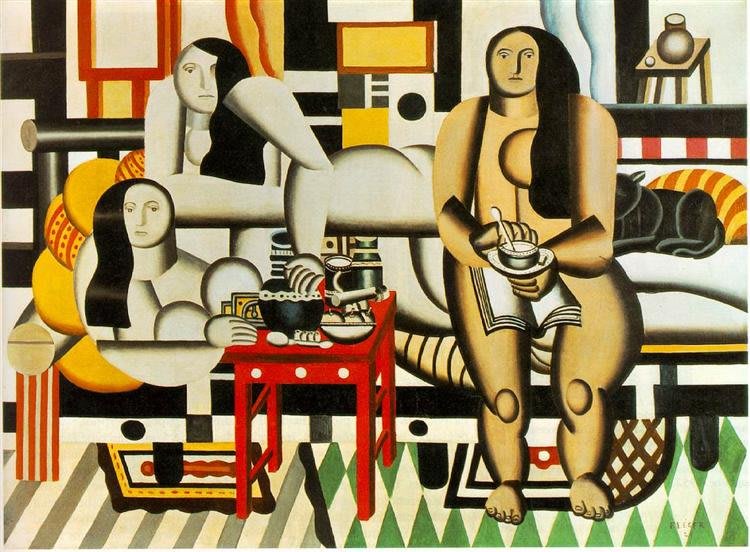
As a response to the chaos of war, there was a tendency among many French artists to experiment radically, not being an exclusive practice of Cubism.
A historian of art described this stage of the movement as the "final product of a progressive closure of possibilities".
The works of this period are associated with artists from the Salon, as well as artists from the School of Paris.
Influences of Cubism
The movement was a generator of a series of styles from the beginning of the 20th century, including Constructivism, Futurism, Surrealism, Orphism and De Stijl.
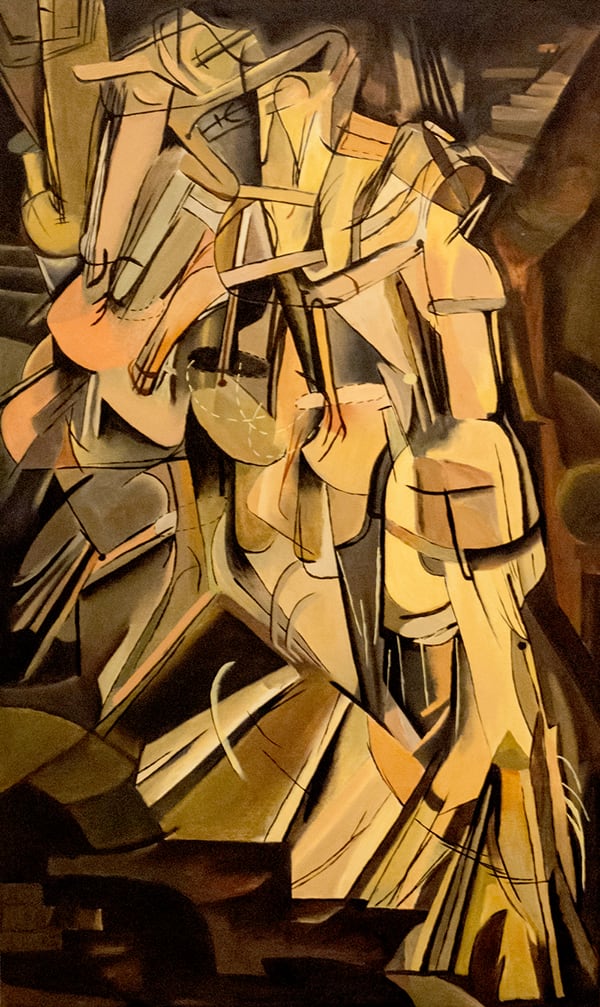
Many important artists passed through a Cubist phase in their development, perhaps the most notable of them being Marcel Duchamp, with his controversial work The Descent of a Nude.
The ideas of the movement also fueled more popular phenomena, such as Art Deco design and architecture.
Movements that followed, such as Minimalism, were also influenced, and it is difficult to imagine the development of non-representational art without the experiments of the Cubists.
Like other paradigm-changing art movements of the 20th century, such as Dadaism and Pop Art, Cubism shook the foundations of traditional art, changing the course of art history that continues to reverberate in the postmodern era.
GALLERY
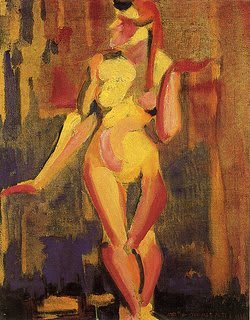
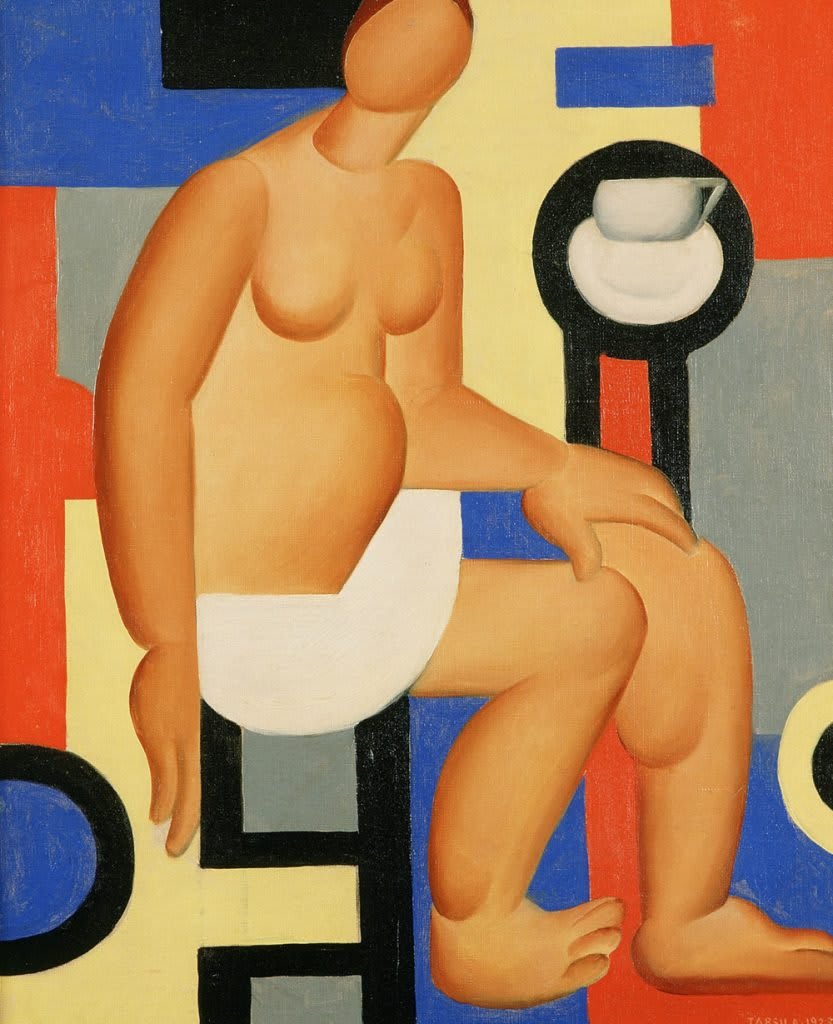
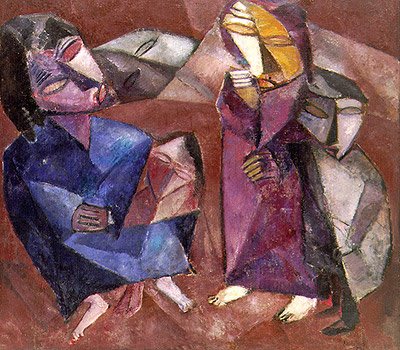
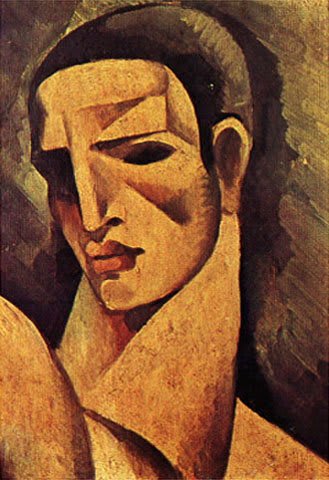
MAIN CUBISM REPRESENTATIVES IN BRAZIL