Futurism: Dynamism, Speed, and the Iconic Works of the Movement
Discover the key characteristics and iconic works of the Futurist movement, which revolutionized the art world with its focus on dynamism and speed.
Article Index
The Italian group took time to develop a distinct style.
In the years preceding the movement's emergence, its members worked using a diverse range of methods inspired by post-impressionism, and continued to do so.
While studying in Rome in 1901, Severini and Boccioni visited Balla's studio, where he introduced them to Divisionism.
Developed from the theory of color and the Pontillism of Georges Seurat, in this movement the image was separated into points and lines of pure color, which interacted optically to create the final work.
Characteristics of Pictorial Works
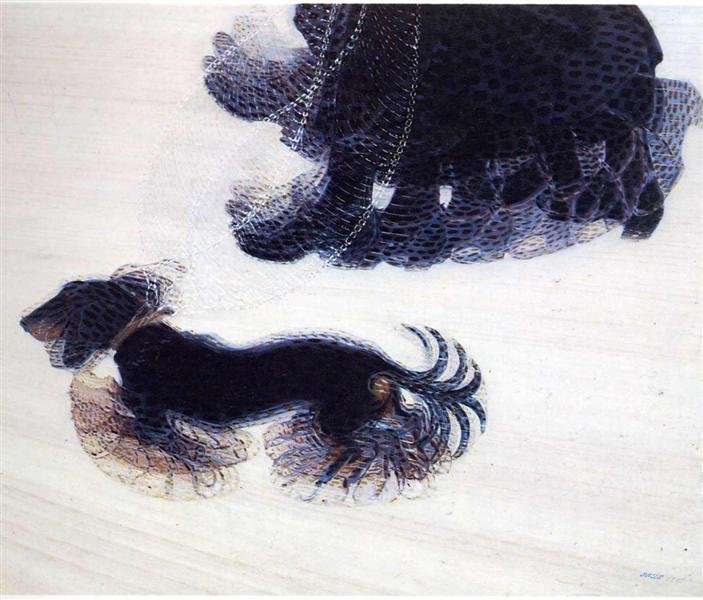
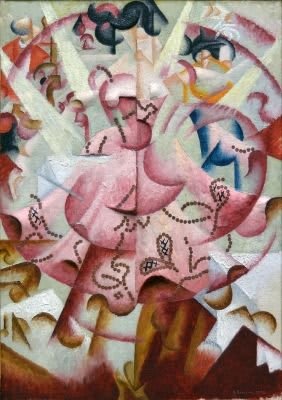
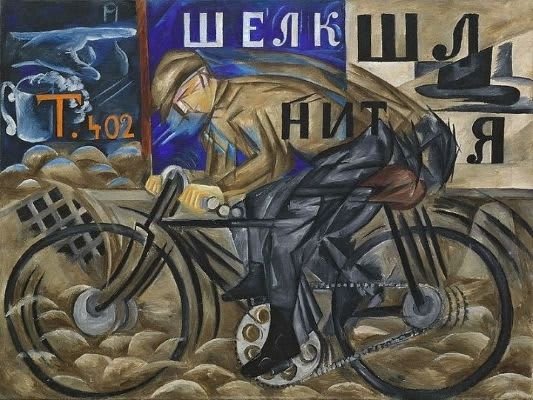
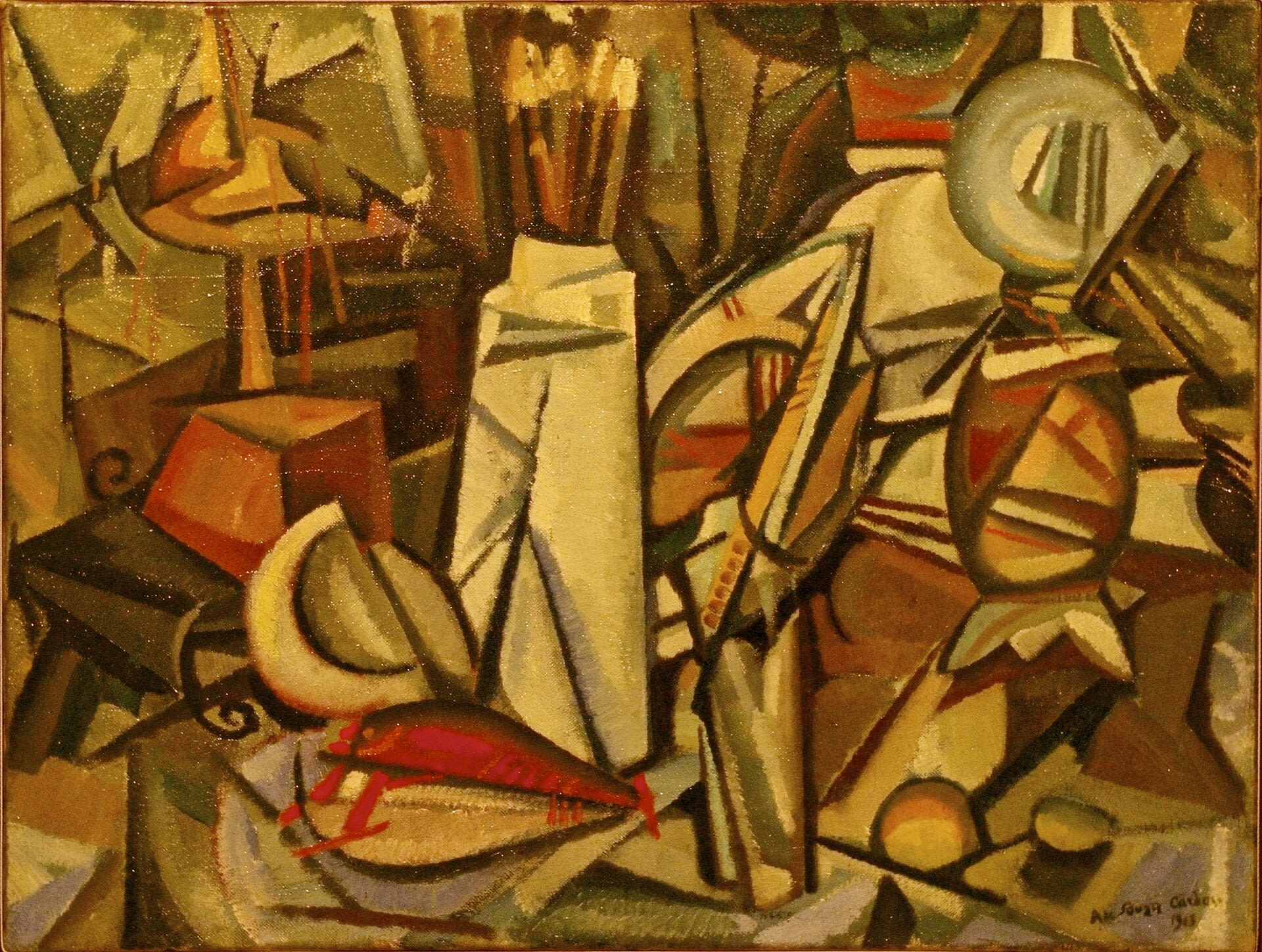
The pictorial works of Futurism are characterized by color and geometric forms, and in their obsession with capturing movement, they conceived a technique that involved painting the same object in different positions, which, with the aid of blur, generated a sense of dynamism in the image.
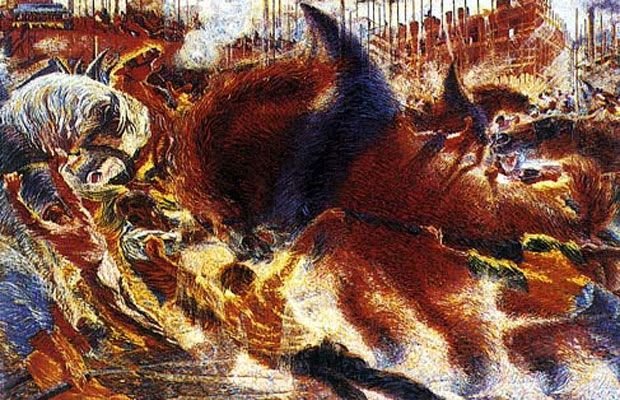
Surprisingly, it took him more than 4 years working in almost suffocating conditions.
Expansion of Futurism in Sculpture, Architecture, and Music
Between 1913 and 1914, the period was marked by an expansion of futurism in sculpture, architecture, and music.
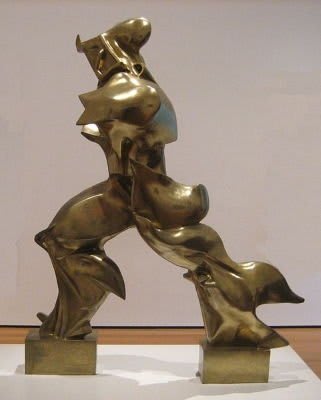
In 1913, Boccioni used sculpture to articulate the futurist dynamism even further with his work Unique Forms of Continuity in Space, which sought to present vigorous actions, as well as ideas of the mechanized body.
Luigi Russolo moved from painting to creating musical instruments, and also in 1913 wrote the manifesto The Art of Noises. In 1914, the innovative Antonio Sant'Elia became the first architect to join the movement.
Division and Fragmentation of the Movement
Despite all this activity, the group began to diverge and fragment, signaling the end of the movement as a unified entity.
Although World War I had erupted in 1914, Italy remained neutral until 1915.
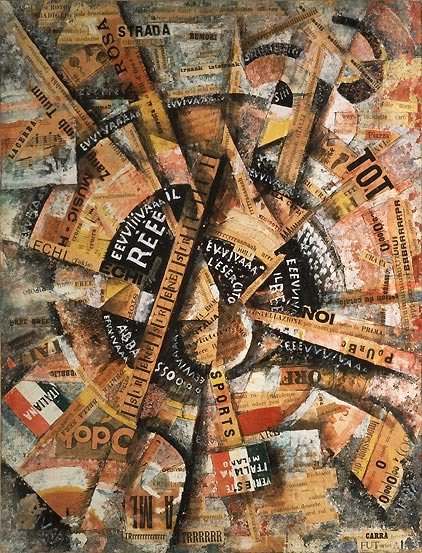
In the interval, the focus shifted from art to war, with futurist artists using their events and performances to inflame crowds with anti-war sentiment and passionate appeals for intervention.
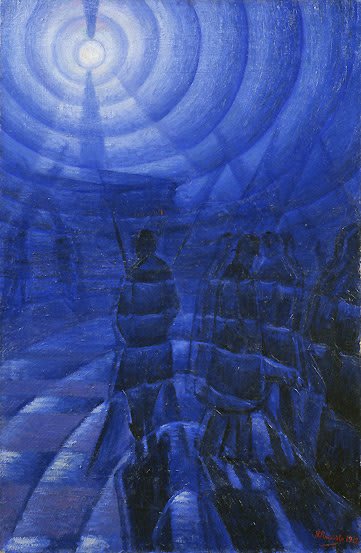
Futurists strove to capture the dynamism of the modern world.
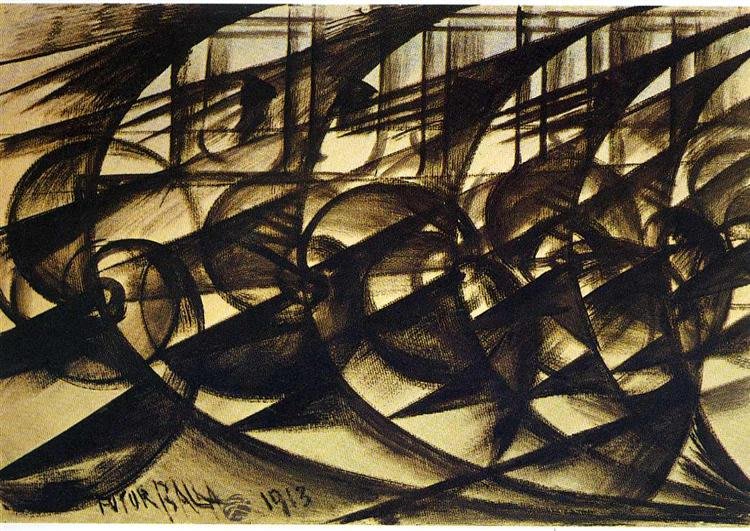
A closer look at this drawing shows that the circular movement to the left visualizes the forward thrust of the vehicle.
The driver is represented seated in the center and is drawn twice, evoking the suggestion of movement.
For years, Balla studied movement, seeking evidence of speed in the world around him, observing accelerating traffic on city streets.