
Gustav Klimt: Biography and Work: His Most Famous Works and Timeless Legacy
Discover the life and art of Gustav Klimt, one of the most influential artists of the 20th century.
Article Index
Gustav Klimt, one of the greatest artists in the history of art, was an Austrian painter who lived at the end of the 19th and beginning of the 20th centuries.
His unique style, which combined elements of Byzantine, Gothic, and modern art, made him famous all over the world.
The Eternal Feminine
The eternal feminine was one of the most recurring themes in Klimt's work, and he explored it in several of his paintings.
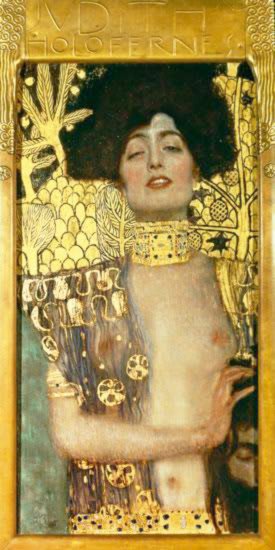
Some of his most famous works, such as 'Judith I' and 'Danae', show the beauty and sensuality of women.
A Pioneer Artist
Klimt was a pioneering artist who stood out for his ability to create works that were both beautiful and profound.
He was one of the first artists to explore modern art, and his work had a significant impact on the evolution of 20th-century art.
The trajectory of modernism continued to shift in bold directions through the experimental techniques of other key figures: Biography of Jackson Pollock: From Childhood to Artistic Legacy
Life and Death
Life and death was a theme that Klimt explored in several of his paintings, including 'Life and Death', a work that shows the inevitability of death.
The work is a reflection on the nature of life and death, and how they are interconnected.
A Famous Portrait
One of Klimt's most famous portraits is 'Portrait of Adele Bloch-Bauer I', a work that shows the beauty and elegance of women.
The work is considered one of the best portraits in the history of art, and is one of Klimt's most famous works.
The focus on the human face as a mirror of the internal journey is a pursuit shared by many iconic painters: Van Gogh's Self-Portraits
The Kiss
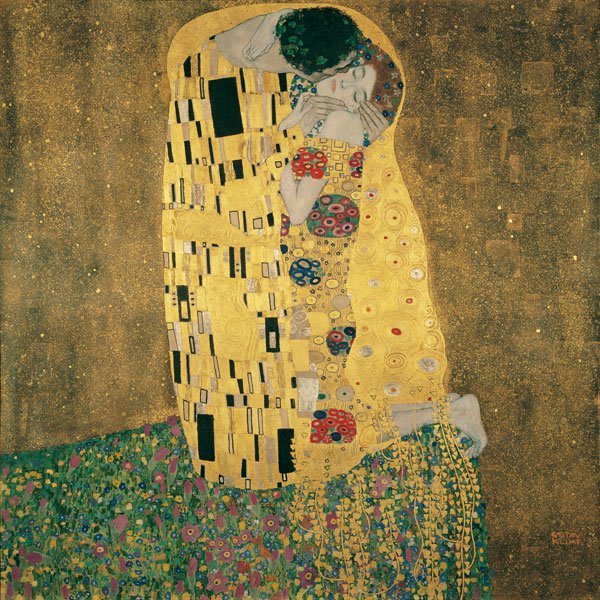
The Kiss is one of Klimt's most famous works, and is considered one of the best examples of modern art.
The work shows the beauty and sensuality of the kiss, and is a reflection on the nature of passion and love.
An Iconic Work
The Kiss is an iconic work that represents modern art and Klimt's innovation.
The work is considered one of the best examples of 20th-century art, and is one of Klimt's most famous works.
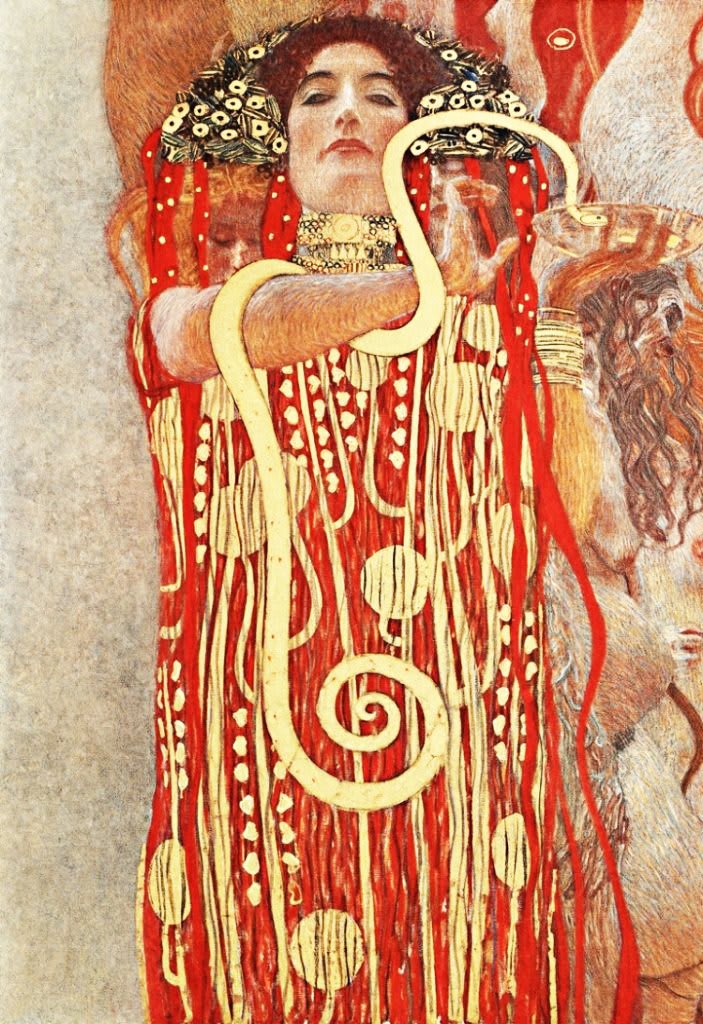
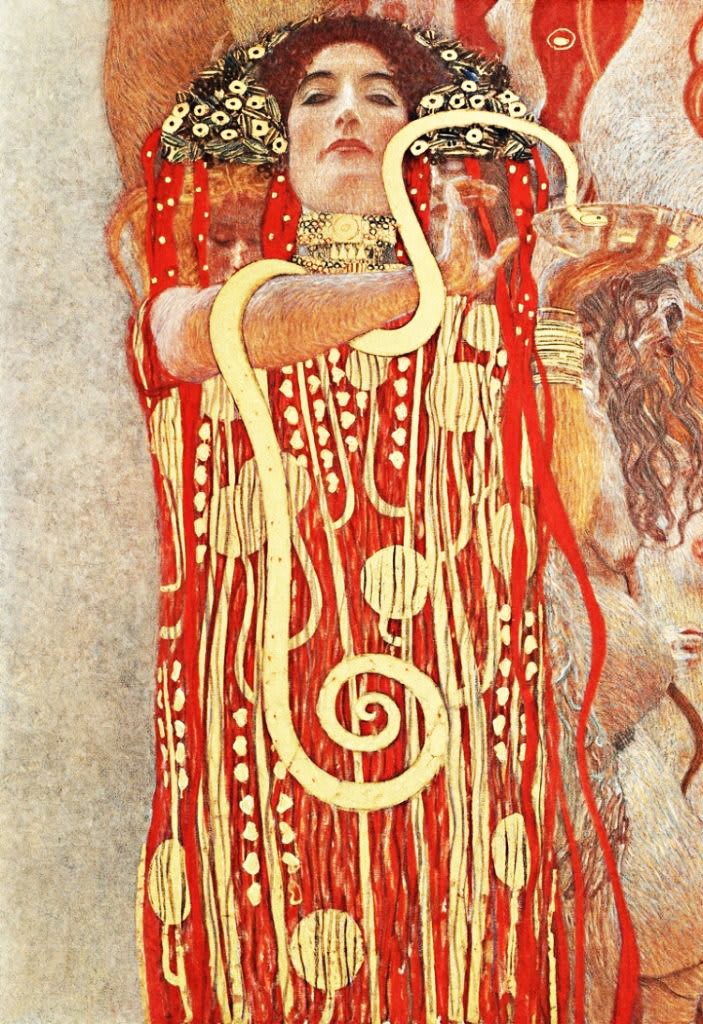
Hygieia, in detail from the work 'Medicine'. Gustav Klimt. (1900-1907) - Work destroyed by fire in 1945. Immendorf Castle (Austria)
Judith I
Judith I. Gustav Klimt. 1901
But history holds a strange detail:
The eternal feminine was his greatest theme, driving portraits and allegories. The sensuality and eroticization of his women provoked Austrian society, revealing the ambiguity of the time, causing attraction and repulsion at the same time.
His way of representing the nude earned him a decade of confrontations with official authorities, the great art patrons of Viennese society.
Danae
Danae. Gustav Klimt. 1907-08 - Oil on canvas (77x83cm) - Private collection
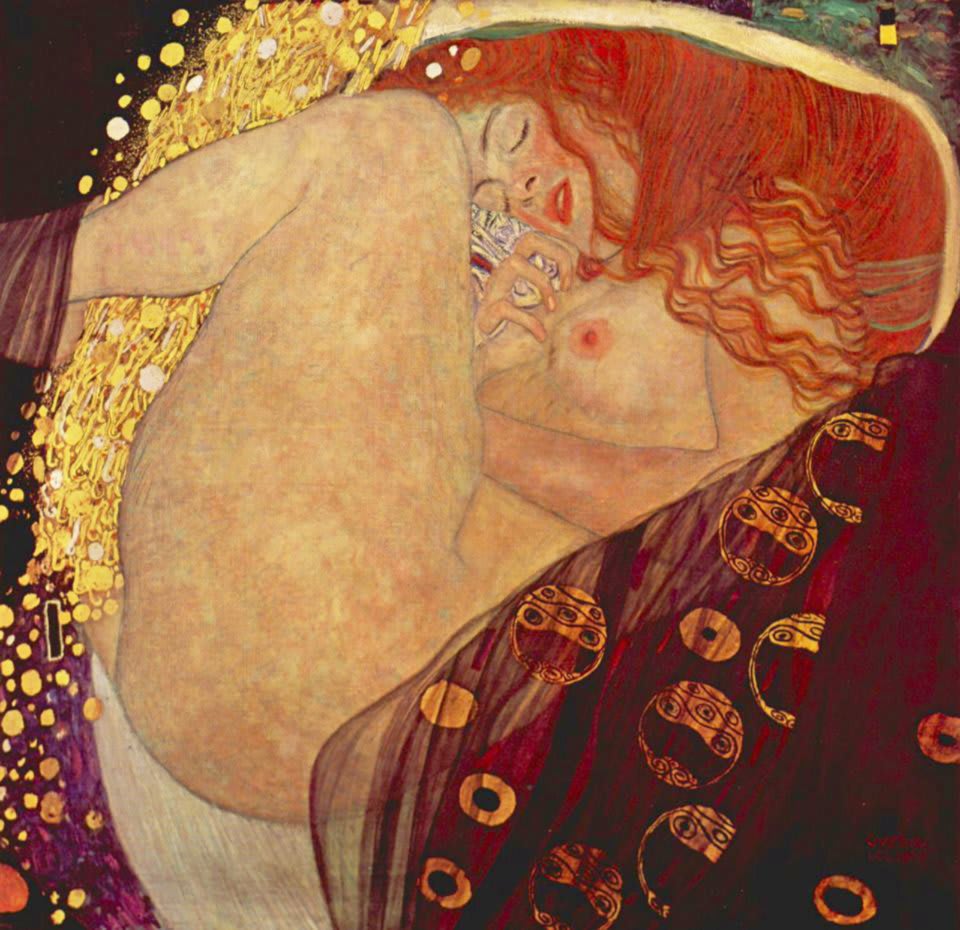
The myth of Danae, the young nymph who Zeus - in the form of golden rain fecundated - Klimt proposed a composition of the mythological scene completely innovative.
He eliminated the superfluous elements of the classical iconography and concentrated the action on the moment of fecundation, transforming it into the description of the moment of ecstasy.
Life and Death
Life and Death. Gustav Klimt. 1910-1915
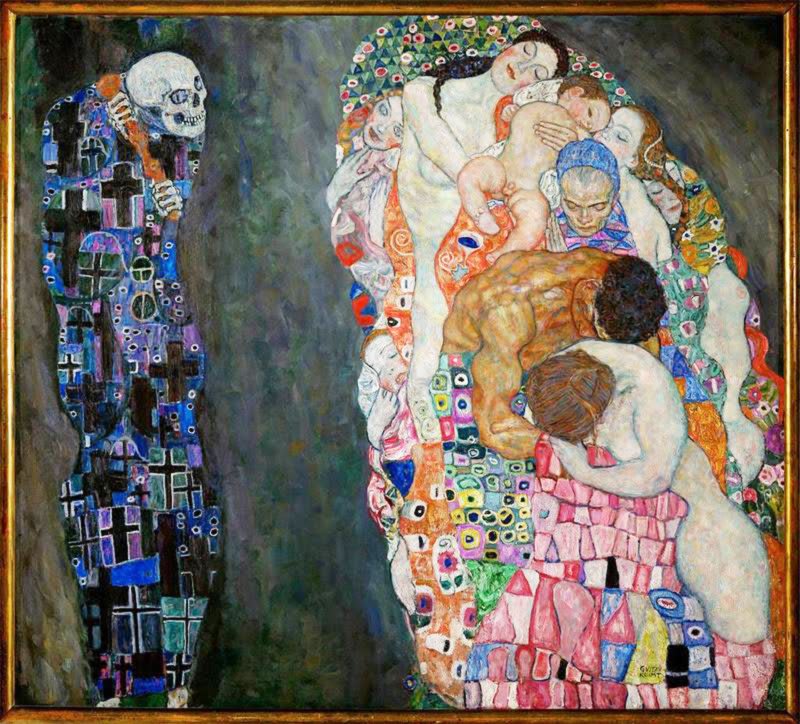
Conflict between life and death, the canvas has an ambiguous sense. The sinuosities to the right of Death's robes complement those on the left contour of Life's column, whose warm colors add drama to the scene.
This is not a confrontation, but an inevitable outcome, as the cycle of life only makes sense with the presence of death.
The exploration of social dynamics and morality has a long history in European art, often depicted through grand symbolic scenes: The Battle between Carnival and Lent - Pieter Bruegel's Masterpiece
Portrait of Adele Bloch-Bauer I
Portrait of Adele Bloch-Bauer I. Gustav Klimt. 1907
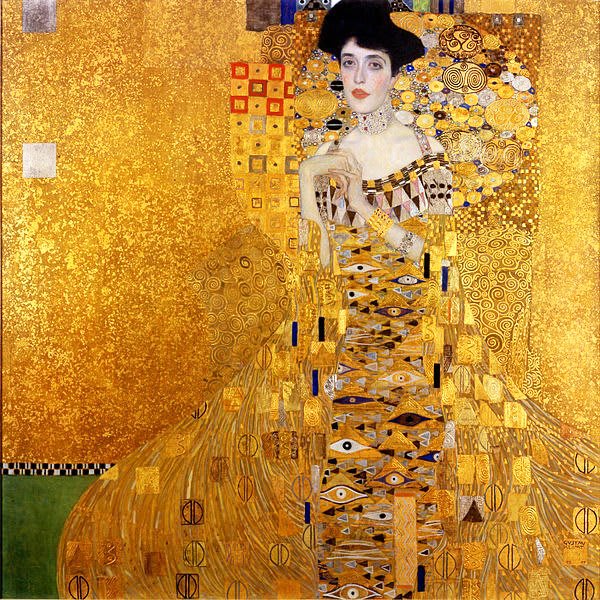
Considered the most famous portrait painted by Klimt and, along with The Kiss, represents the pinnacle of his golden age.
We have the model Adele Blouch-Bauer, who was the wife of Ferdinand Bloch, a prestigious Viennese banker of Jewish origin who commissioned the portrait from the artist.
The Kiss
The Kiss is considered Klimt's most famous work.
To learn more about The Kiss, clickhere


