Ismael Nery: Biography and Work: The Phases and Major Works of Surrealism
(Sem Penalidade CLS)
Índice do Artigo
In the work of Ismael Nery, expression is fundamental to understanding the artist's art and life.
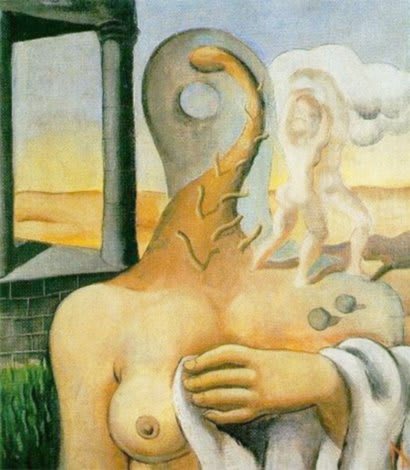
Considered one of the pioneers of Surrealism in Brazil, Ismael Nery developed a unique body of work that reflects his afflictions and thoughts.
(Sem Penalidade CLS)
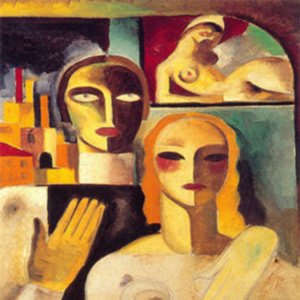
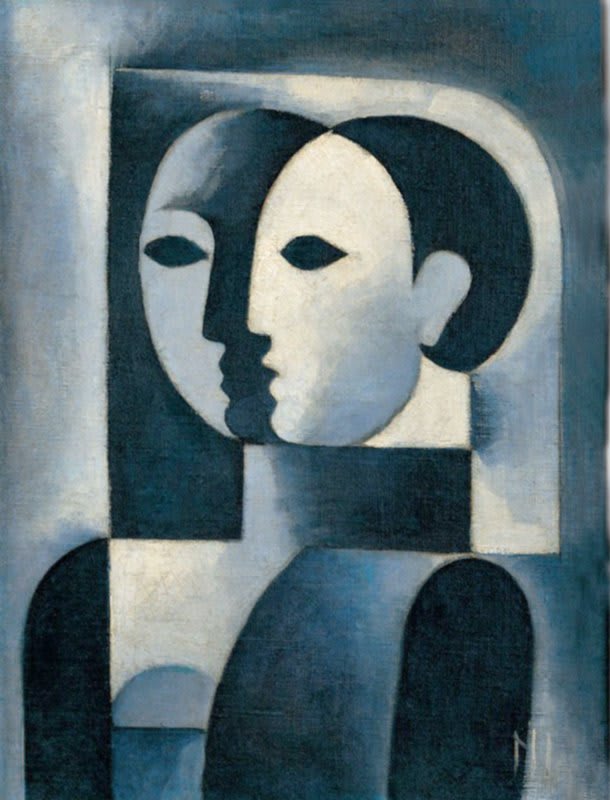
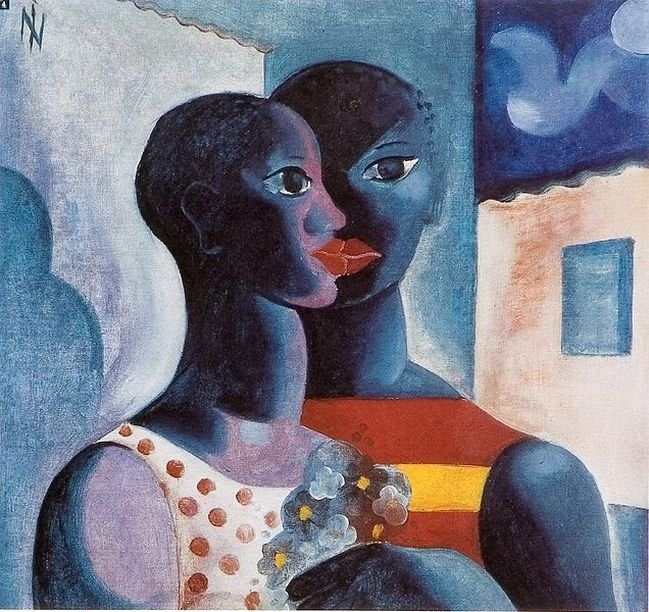
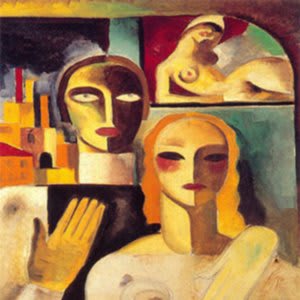
From 1924 onwards, Ismael Nery gave his figures a more geometric treatment, composing his characters with cylinders and oval shapes.
Human figures become more elongated à la Modigliani.
He received Expressionist and Cubist influences.
Considered one of the pioneers of Surrealism in Brazil, Ismael Nery, by pursuing this line of work in which he painted the afflictions of a disease that would eventually claim him, developed a singular body of work.
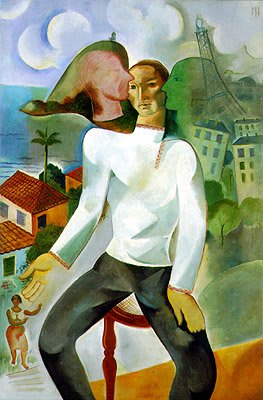
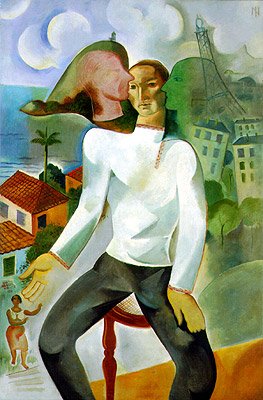
Self-Portrait of 1927 - Pietro Maria Bardi wrote for Revista Manchete in 1972: "This work by Ismael Nery is not a self-portrait, but rather an autobiography."
Let's begin with the painting's dimensions, an exception in the collection due to its generosity.
The artist portrays himself in a Surrealist language, superimposed on icons of his favorite cityscapes; on the left, Rio de Janeiro, represented by the Sugarloaf Mountain, Botafogo Bay, and typical houses, plus a detail: in the lower left corner there is a mulata gesturing as if dancing; on the right, the Eiffel Tower and typical Parisian buildings.
The artist occupies the center of the canvas, seated on a bench, and wears a Russian shirt.
The shading work on the shirt deserves study.
The movement of the shadows accompanies the movement of the Parisian buildings in the background to the right; the Tower leans to the left towards Rio.
Two figures insinuate themselves in shadows near the artist's face; on the left, a female face, possibly Adalgisa; on the right, a male face, one might imagine Murilo Mendes, and the self-portrait would become yet another love triangle among the many painted by Ismael Nery, but when we observe his profile self-portraits, it seems that, in a typical narcissistic investment, he duplicated his own image, showing himself frontally and in profile.
- Catalog Ismael Nery: Feminine and Masculine. Museum of Modern Art of São Paulo. Curated by Paulo Sérgio Duarte, May 2018.


GALLERY - COMMENTED ART
Expressionism (1922-23), Cubism (1924-27) and Surrealism (1927-34).
Oils, drawings, and watercolors of universal character, where Brazilian reality was absent.
The theme revolved around the timeless man who could wear both ancient attire and the simple customs of the modern proletarian.
Despite being a contemporary of Brazilian modernist artists at the turn of the last century, his visual art differed from that of his peers.
He had no interest in nationalist themes.
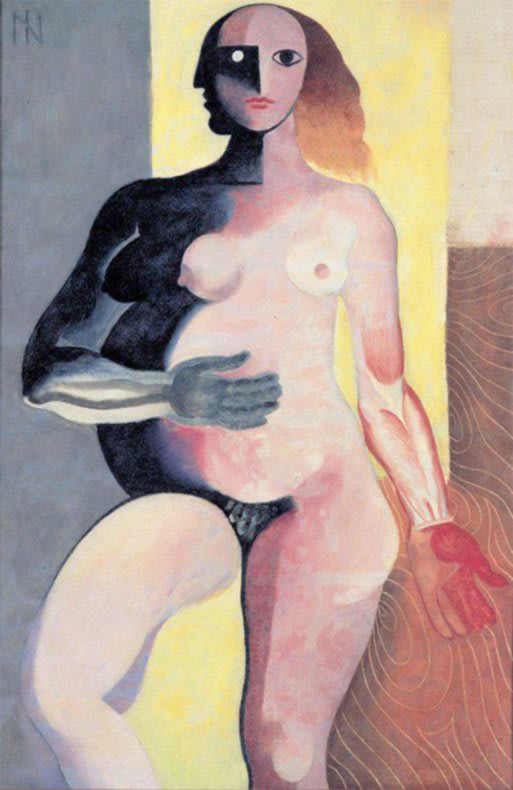
His work revolves around certain philosophical dualities such as the self and the other, body and spirit, good and evil, masculine and feminine.
The "other" is usually represented by his wife, the poetess Adalgisa Ferreira, or his great friend, the poet Murilo Mendes.
His paintings lead to a paradoxical question, like someone looking in a mirror and asking: "Who am I?"
Some of his works evoke Amadeo Modigliani through the elongated forms of the neck and hands.
It's also impossible not to associate them with the work of Frida Kahlo.
Both masterfully expressed their personal tragedies.
From 1924 onwards, Ismael Nery subsequently gave his figures a more geometric treatment, composing his characters with cylinders and oval shapes.
Human figures become more elongated à la Modigliani.
He received Expressionist and Cubist influences.
Considered one of the pioneers of Surrealism in Brazil, Ismael Nery, by pursuing this line of work in which he painted the afflictions of a disease that would eventually claim him, developed a singular body of work.
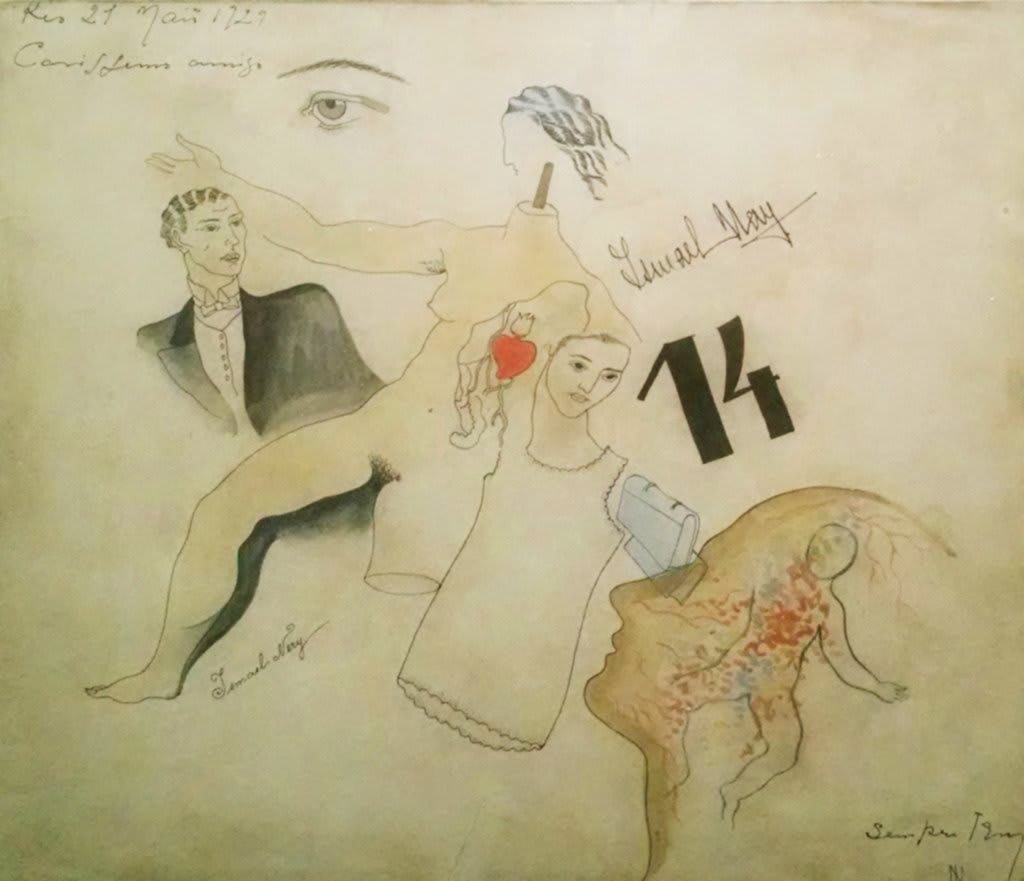
The illustrated letter by the painter Ismael Nery is conventional only in the artist's adherence to the usual manner of opening and closing:
The sheet is dated, "Rio, May 21, 1929," begins with "Dearest friend" and ends with "Always yours" and the initials.
What in an ordinary letter would be text, here is a succession of Surrealist images, floating as if in a dream.
Few illustrated "letters" are as beautiful in Brazilian art as this cryptic missive from Nery, who perhaps wished to present a friend with a drawing in the form of a letter (or was it a letter in the form of a drawing?).
GALLERY - COMMENTED ART
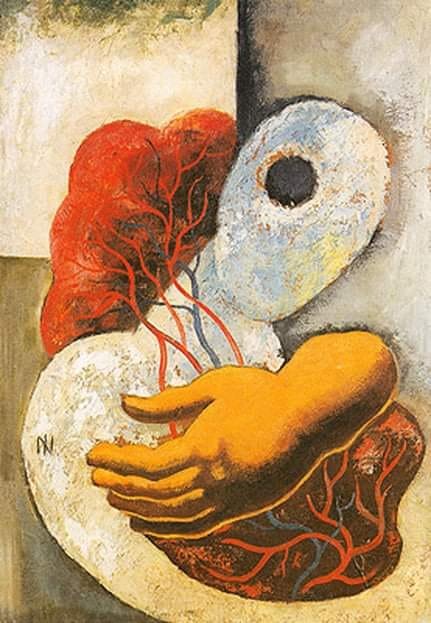
From 1924 onwards, Ismael Nery gave his figures a more geometric treatment, composing his characters with cylinders and oval shapes.
Human figures become more elongated à la Modigliani.
He received Expressionist and Cubist influences.
Considered one of the pioneers of Surrealism in Brazil, Ismael Nery, by pursuing this line of work in which he painted the afflictions of a disease that would eventually claim him, developed a singular body of work.
Self-Portrait of 1927 - Pietro Maria Bardi wrote for Revista Manchete in 1972: "This work by Ismael Nery is not a self-portrait, but rather an autobiography."
Let's begin with the painting's dimensions, an exception in the collection due to its generosity.
The artist portrays himself in a Surrealist language, superimposed on icons of his favorite cityscapes; on the left, Rio de Janeiro, represented by the Sugarloaf Mountain, Botafogo Bay, and typical houses, plus a detail: in the lower left corner there is a mulata gesturing as if dancing; on the right, the Eiffel Tower and typical Parisian buildings.
The artist occupies the center of the canvas, seated on a bench, and wears a Russian shirt.
The shading work on the shirt deserves study.
The movement of the shadows accompanies the movement of the Parisian buildings in the background to the right; the Tower leans to the left towards Rio.
Two figures insinuate themselves in shadows near the artist's face; on the left, a female face, possibly Adalgisa; on the right, a male face, one might imagine Murilo Mendes, and the self-portrait would become yet another love triangle among the many painted by Ismael Nery, but when we observe his profile self-portraits, it seems that, in a typical narcissistic investment, he duplicated his own image, showing himself frontally and in profile.
- Catalog Ismael Nery: Feminine and Masculine. Museum of Modern Art of São Paulo. Curated by Paulo Sérgio Duarte, May 2018.


GALLERY - COMMENTED ART
Expressionism (1922-23), Cubism (1924-27) and Surrealism (1927-34).
Oils, drawings, and watercolors of universal character, where Brazilian reality was absent.
The theme revolved around the timeless man who could wear both ancient attire and the simple customs of the modern proletarian.
Despite being a contemporary of Brazilian modernist artists at the turn of the last century, his visual art differed from that of his peers.
He had no interest in nationalist themes.
His work revolves around certain philosophical dualities such as the self and the other, body and spirit, good and evil, masculine and feminine.
The "other" is usually represented by his wife, the poetess Adalgisa Ferreira, or his great friend, the poet Murilo Mendes.
His paintings lead to a paradoxical question, like someone looking in a mirror and asking: "Who am I?"
Some of his works evoke Amadeo Modigliani through the elongated forms of the neck and hands.
It's also impossible not to associate them with the work of Frida Kahlo.
Both masterfully expressed their personal tragedies.
From 1924 onwards, Ismael Nery subsequently gave his figures a more geometric treatment, composing his characters with cylinders and oval shapes.
Human figures become more elongated à la Modigliani.
He received Expressionist and Cubist influences.
Considered one of the pioneers of Surrealism in Brazil, Ismael Nery, by pursuing this line of work in which he painted the afflictions of a disease that would eventually claim him, developed a singular body of work.
The illustrated letter by the painter Ismael Nery is conventional only in the artist's adherence to the usual manner of opening and closing:
The sheet is dated, "Rio, May 21, 1929," begins with "Dearest friend" and ends with "Always yours" and the initials.
What in an ordinary letter would be text, here is a succession of Surrealist images, floating as if in a dream.
Few illustrated "letters" are as beautiful in Brazilian art as this cryptic missive from Nery, who perhaps wished to present a friend with a drawing in the form of a letter (or was it a letter in the form of a drawing?).

GALLERY - COMMENTED ART
From 1924 onwards, Ismael Nery gave his figures a more geometric treatment, composing his characters with cylinders and oval shapes.
Human figures become more elongated à la Modigliani.
He received Expressionist and Cubist influences.
Considered one of the pioneers of Surrealism in Brazil, Ismael Nery, by pursuing this line of work in which he painted the afflictions of a disease that would eventually claim him, developed a singular body of work.
Self-Portrait of 1927 - Pietro Maria Bardi wrote for Revista Manchete in 1972: "This work by Ismael Nery is not a self-portrait, but rather an autobiography."
Let's begin with the painting's dimensions, an exception in the collection due to its generosity.
The artist portrays himself in a Surrealist language, superimposed on icons of his favorite cityscapes; on the left, Rio de Janeiro, represented by the Sugarloaf Mountain, Botafogo Bay, and typical houses, plus a detail: in the lower left corner there is a mulata gesturing as if dancing; on the right, the Eiffel Tower and typical Parisian buildings.
The artist occupies the center of the canvas, seated on a bench, and wears a Russian shirt.
The shading work on the shirt deserves study.
The movement of the shadows accompanies the movement of the Parisian buildings in the background to the right; the Tower leans to the left towards Rio.
Two figures insinuate themselves in shadows near the artist's face; on the left, a female face, possibly Adalgisa; on the right, a male face, one might imagine Murilo Mendes, and the self-portrait would become yet another love triangle among the many painted by Ismael Nery, but when we observe his profile self-portraits, it seems that, in a typical narcissistic investment, he duplicated his own image, showing himself frontally and in profile.
- Catalog Ismael Nery: Feminine and Masculine. Museum of Modern Art of São Paulo. Curated by Paulo Sérgio Duarte, May 2018.


GALLERY - COMMENTED ART
Expressionism (1922-23), Cubism (1924-27) and Surrealism (1927-34).
Oils, drawings, and watercolors of universal character, where Brazilian reality was absent.
The theme revolved around the timeless man who could wear both ancient attire and the simple customs of the modern proletarian.
Despite being a contemporary of Brazilian modernist artists at the turn of the last century, his visual art differed from that of his peers.
He had no interest in nationalist themes.
His work revolves around certain philosophical dualities such as the self and the other, body and spirit, good and evil, masculine and feminine.
The "other" is usually represented by his wife, the poetess Adalgisa Ferreira, or his great friend, the poet Murilo Mendes.
His paintings lead to a paradoxical question, like someone looking in a mirror and asking: "Who am I?"
Some of his works evoke Amadeo Modigliani through the elongated forms of the neck and hands.
It's also impossible not to associate them with the work of Frida Kahlo.
Both masterfully expressed their personal tragedies.
From 1924 onwards, Ismael Nery subsequently gave his figures a more geometric treatment, composing his characters with cylinders and oval shapes.
Human figures become more elongated à la Modigliani.
He received Expressionist and Cubist influences.
Considered one of the pioneers of Surrealism in Brazil, Ismael Nery, by pursuing this line of work in which he painted the afflictions of a disease that would eventually claim him, developed a singular body of work.
The illustrated letter by the painter Ismael Nery is conventional only in the artist's adherence to the usual manner of opening and closing:
The sheet is dated, "Rio, May 21, 1929," begins with "Dearest friend" and ends with "Always yours" and the initials.
What in an ordinary letter would be text, here is a succession of Surrealist images, floating as if in a dream.
Few illustrated "letters" are as beautiful in Brazilian art as this cryptic missive from Nery, who perhaps wished to present a friend with a drawing in the form of a letter (or was it a letter in the form of a drawing?).

GALLERY - COMMENTED ART
From 1924 onwards, Ismael Nery gave his figures a more geometric treatment, composing his characters with cylinders and oval shapes.
Human figures become more elongated à la Modigliani.
He received Expressionist and Cubist influences.
Considered one of the pioneers of Surrealism in Brazil, Ismael Nery, by pursuing this line of work in which he painted the afflictions of a disease that would eventually claim him, developed a singular body of work.
Self-Portrait of 1927 - Pietro Maria Bardi wrote for Revista Manchete in 1972: "This work by Ismael Nery is not a self-portrait, but rather an autobiography."
Let's begin with the painting's dimensions, an exception in the collection due to its generosity.
The artist portrays himself in a Surrealist language, superimposed on icons of his favorite cityscapes; on the left, Rio de Janeiro, represented by the Sugarloaf Mountain, Botafogo Bay, and typical houses, plus a detail: in the lower left corner there is a mulata gesturing as if dancing; on the right, the Eiffel Tower and typical Parisian buildings.
The artist occupies the center of the canvas, seated on a bench, and wears a Russian shirt.
The shading work on the shirt deserves study.
The movement of the shadows accompanies the movement of the Parisian buildings in the background to the right; the Tower leans to the left towards Rio.
Two figures insinuate themselves in shadows near the artist's face; on the left, a female face, possibly Adalgisa; on the right, a male face, one might imagine Murilo Mendes, and the self-portrait would become yet another love triangle among the many painted by Ismael Nery, but when we observe his profile self-portraits, it seems that, in a typical narcissistic investment, he duplicated his own image, showing himself frontally and in profile.
(Sem Penalidade CLS)