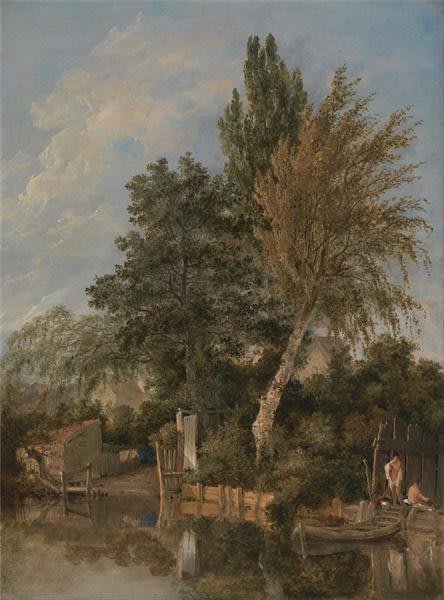
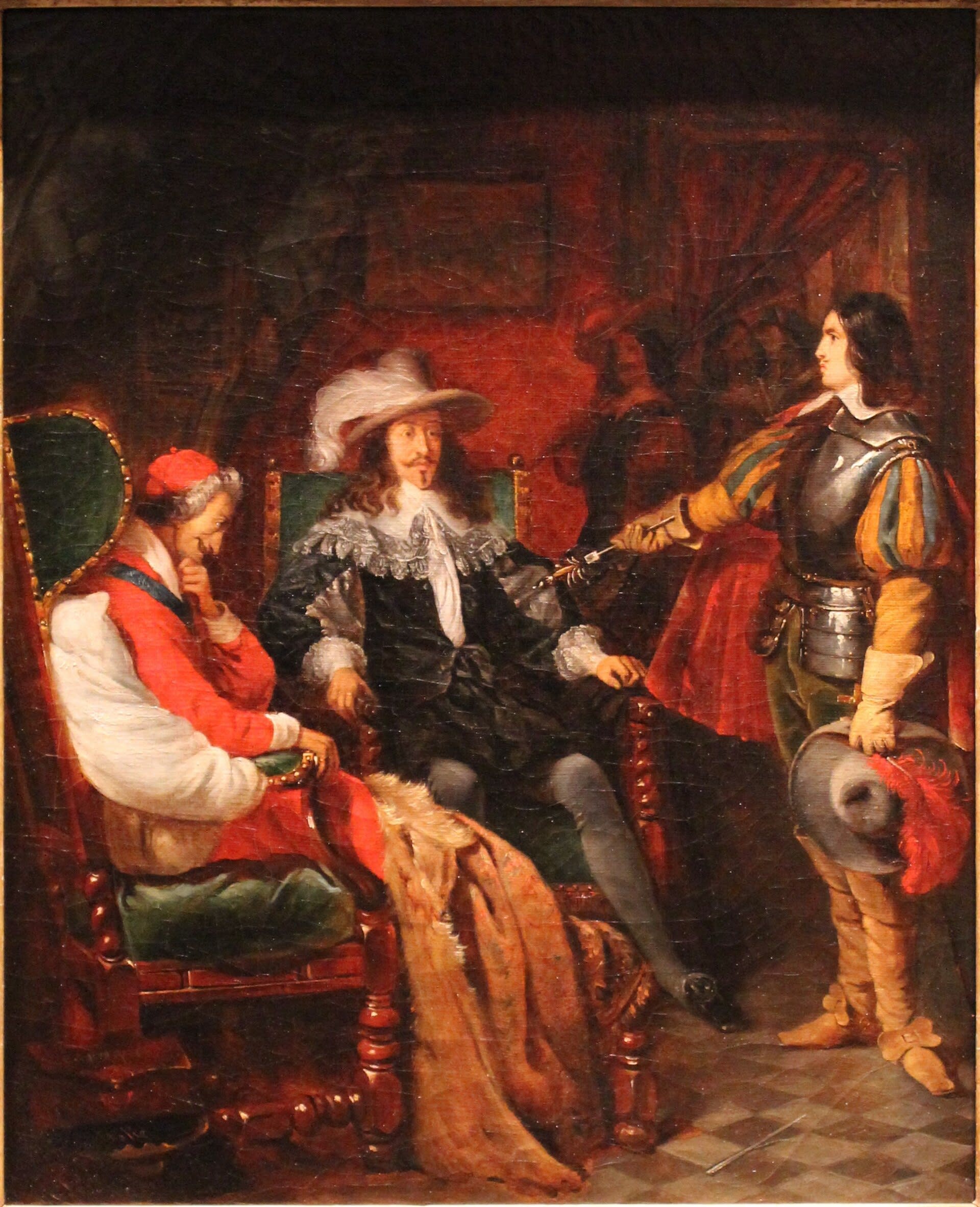
Pintura a óleo em tons sombrios e dramáticos, retratando uma cena de tempestade com luzes intensas e cores vibrantes.
Obras de Arte Arquivo

Romanticism in Visual Arts: Masterpieces that Defined an Era

Discover the iconic works of Romanticism that shaped the era

A

Arthur

Curadoria Histórica

Compartilhar:
Publicidade (Active View 100%)Espaço AdSense em LazyLoad
(Sem Penalidade CLS)

The Witches' Sabbath -  The distinctive silhouette of a midnight-black goat wrapped in a monk's cloak clearly dominates the scene, while offering an explanation for the terrified postures of the women around it.

Goya paints the goat as a representation of Satan, acting as supervisor of the witches' gathering, at the same time equipping the demon with a scribe, adorned in white.

Patrocínio
Publicidade (Active View 100%)Espaço AdSense em LazyLoad
(Sem Penalidade CLS)

Seated to the right of the painting, a young witch agitates in her chair, anticipating the ceremony that follows the presence of the Devil.

But the story holds a bizarre detail:

The work, created in 1823, is one of the most famous in Goya's series The Disasters of War, which depicts the violence and destruction of the Peninsular War.
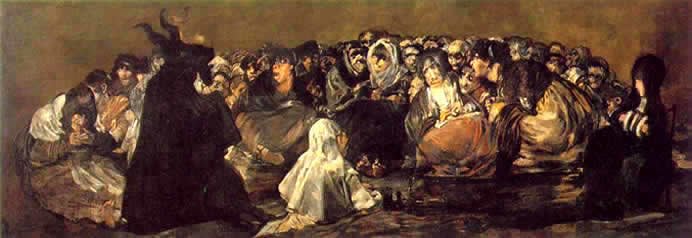
The Witches' Sabbath. Francisco de Goya. 1823 - Oil on canvas (438 x 140 cm) - Location: Museo del Prado, Madrid

Furthermore, the painting is known for its innovative technique, with the use of strong and contrasting colors to create a dramatic effect.

The work is a reflection of Goya's vision of the Peninsular War and the consequences of human violence.
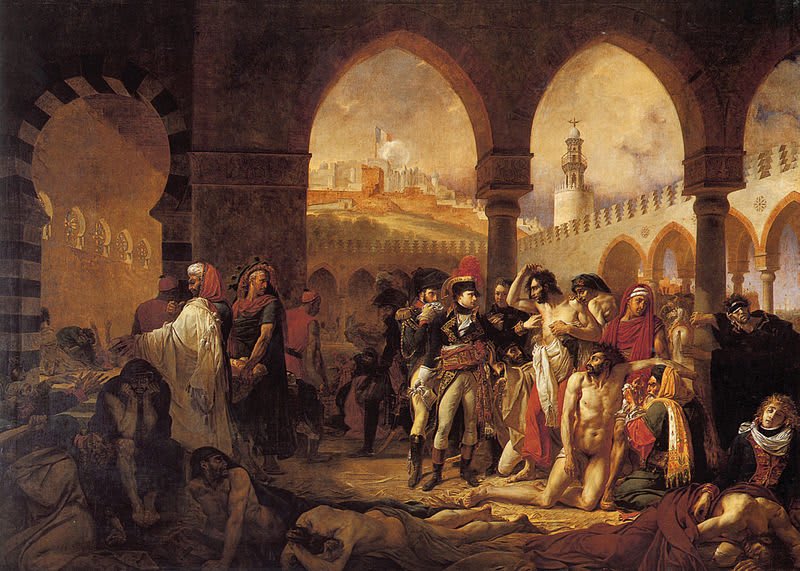
Bonaparte Visits the Plague-Stricken in Jaffa. Antoine-Jean Gros. 1804.  Oil on canvas (532×720cm) - Location: Musée du Louvre, Paris.

With this work, Goya demonstrates his ability to capture the essence of humanity and the complexity of human experience.
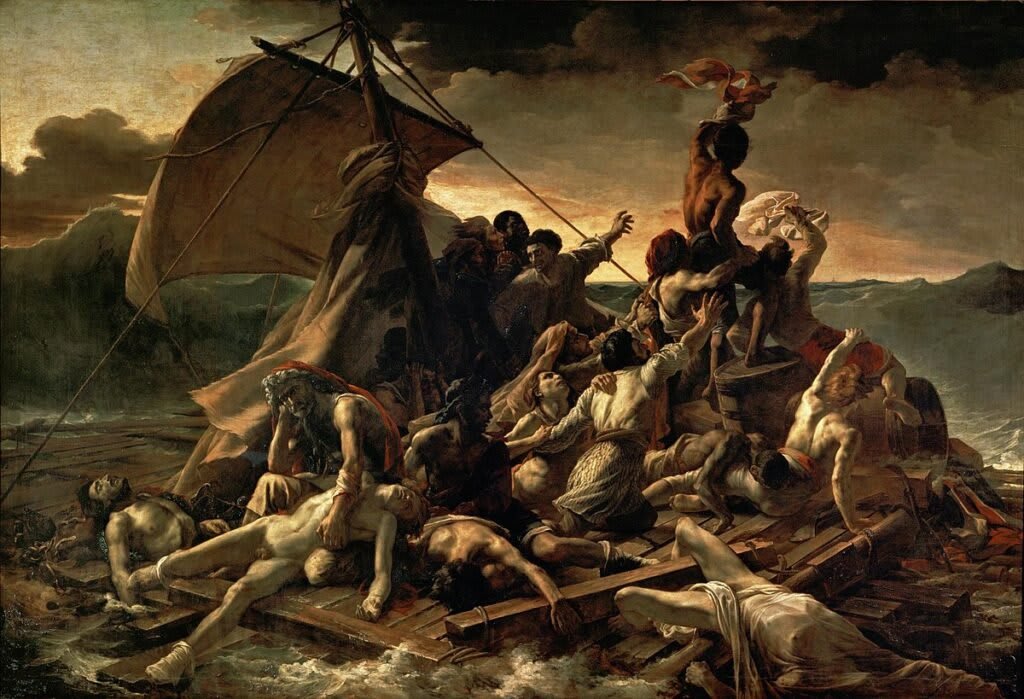
The Raft of the Medusa. Théodore Géricault. 1818 - Oil on canvas (4,91×7,16m) - Location: Musée du Louvre

The work is a testament to the ability of art to capture the essence of humanity and the complexity of human experience.
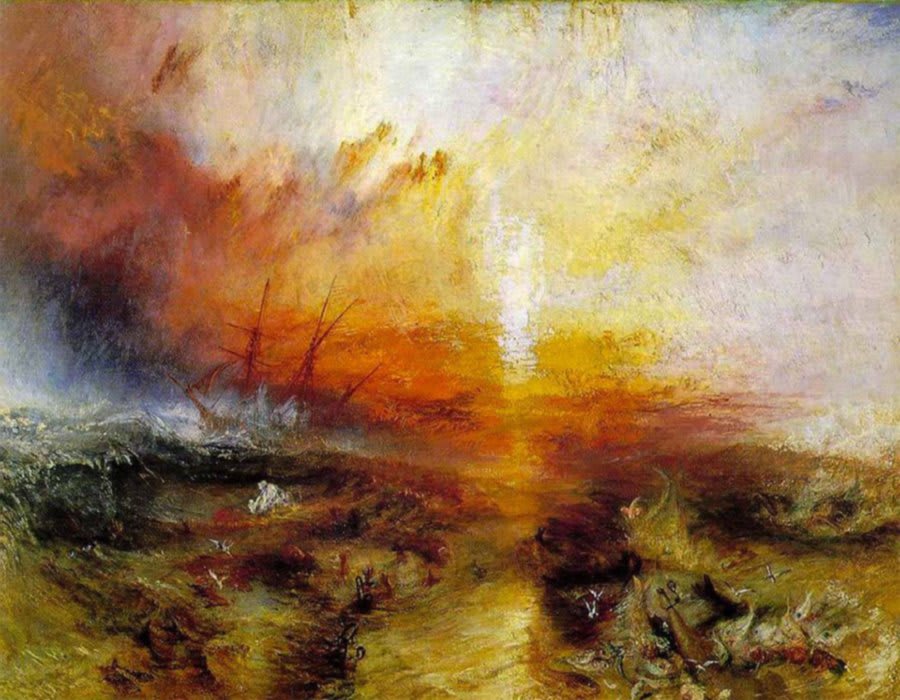
The Slave Ship. William Turner. 1840. Oil on canvas (90X122cm). Museum of Fine Arts, Boston

With this work, Goya demonstrates his ability to capture the essence of humanity and the complexity of human experience.

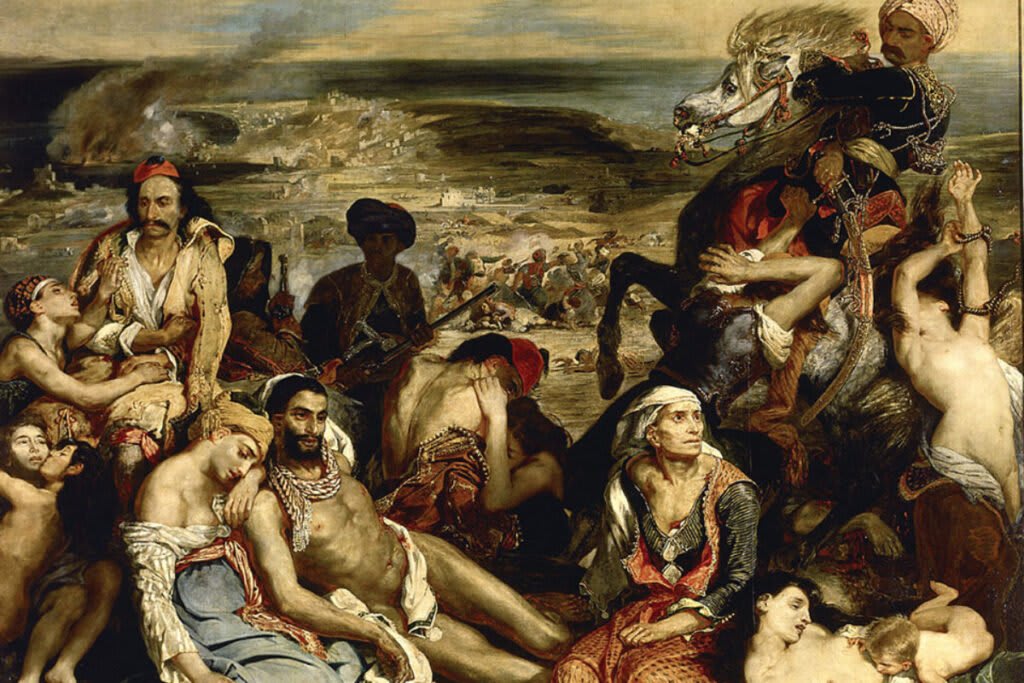
The Massacre at Chios. Eugène Delacroix. 1824 - oil on canvas (419 x 354cm) - Location: Musée du Louvre

The work is a reflection of Goya's vision of the Peninsular War and the consequences of human violence.

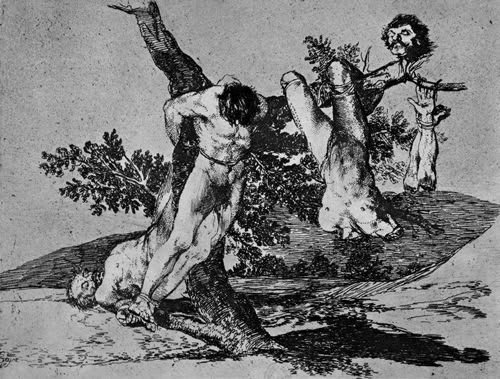
Plate 39 . The Disasters of War. Francisco de Goya.

The work is a testament to the ability of art to capture the essence of humanity and the complexity of human experience.
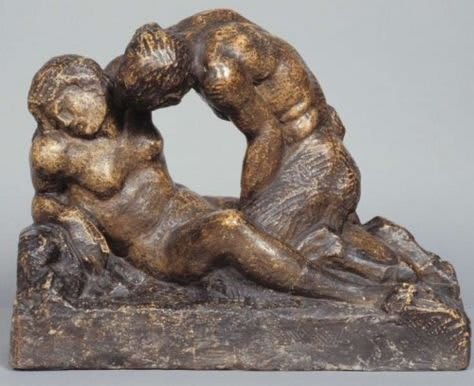
Nymph and Satyr. Theodore Géricault. 1818-1820

The work is a reflection of Goya's vision of the Peninsular War and the consequences of human violence.

Boys bathing in the River Wensum in Norwich . John Crome. 1817

The work is a testament to the ability of art to capture the essence of humanity and the complexity of human experience.
Publicidade
Publicidade (Active View 100%)Espaço AdSense em LazyLoad
(Sem Penalidade CLS)

Follow us on Instagram

@arteeartistas
© 2016 - 2026 Arte e Artistas desenvolvido por Agência WEB Solisyon • Todos os direitos reservados.