
Sebastião Salgado: Biography and Work: Roots, Transition and Great Photographic Projects
Discover the life and work of Sebastião Salgado, from his roots in Brazil, transition from economics to photography, to iconic projects like Genesis and Exodus.
Sebastião Salgado is more than a renowned photographer; he is a masterful storyteller, whose images transcend time and space to capture the essence of humanity and nature.
His work not only documents events and landscapes, but also evokes deep emotions and raises awareness about urgent issues.
Learn more about the life and work of this photography master and discover how his images can change the way we see the world.
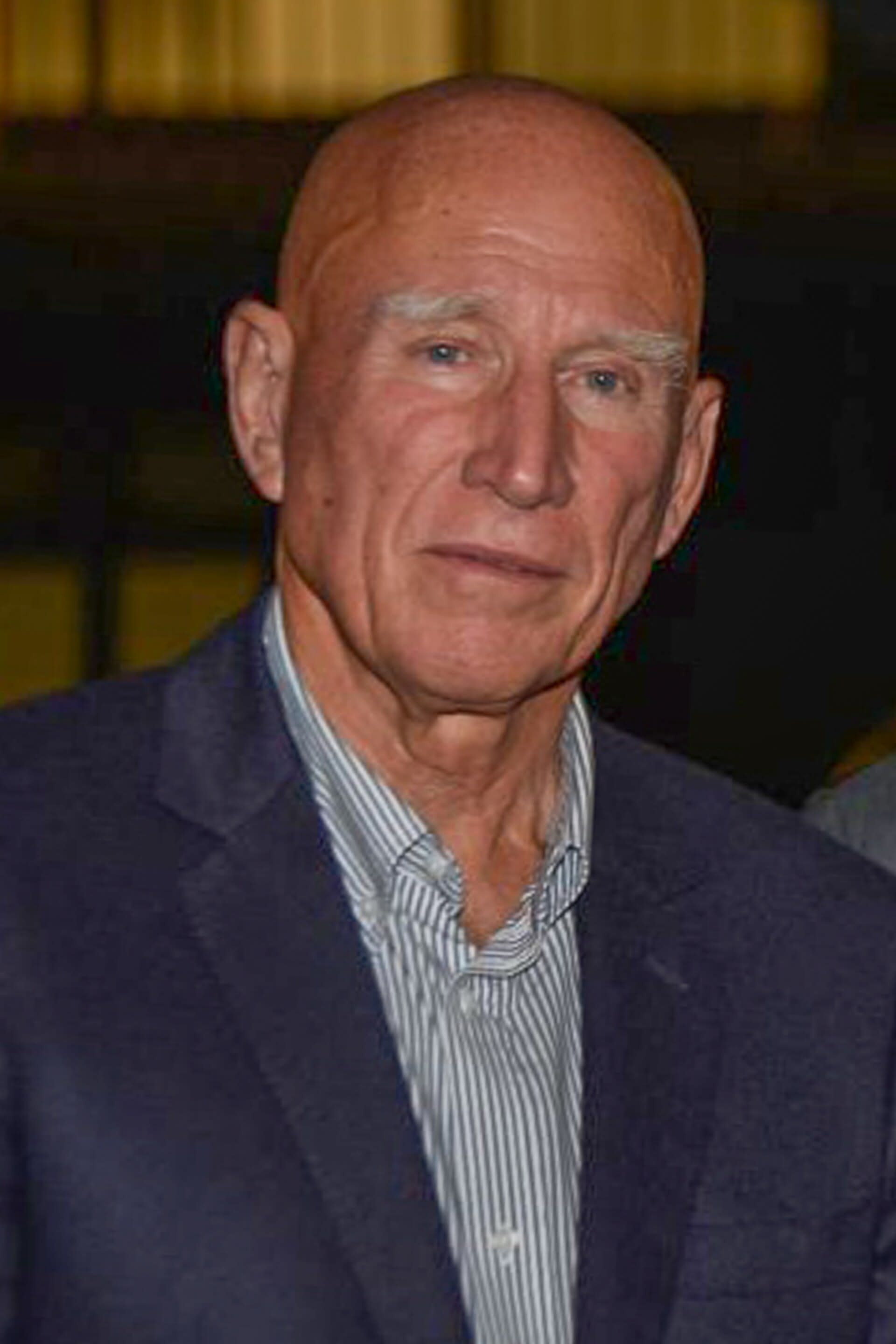
Sebastião Salgado, Brazilian photojournalist, is recognized worldwide for his work with oppressed people and the homeless.
His work powerfully expresses the preservation of nature in all its aspects.
Sebastião Salgado: BIOGRAPHY
Sebastião Ribeiro Salgado Júnior was born on February 8, 1944, in Aimorés, Minas Gerais.
He was the only child of a farmer who wanted him to become a lawyer. Instead, he studied economics at the University of São Paulo.
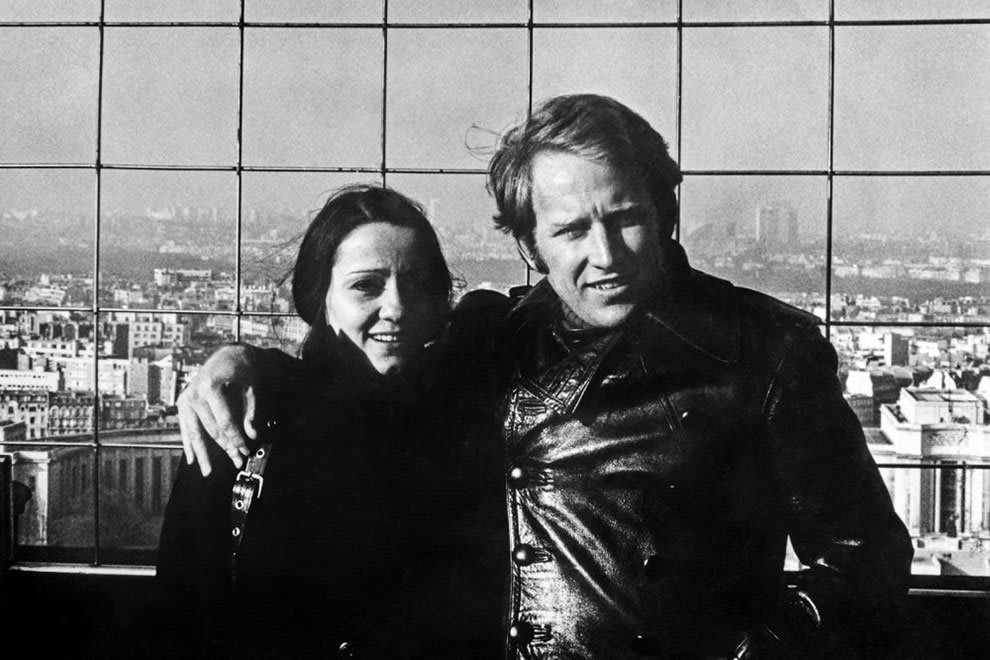
In 1964, he married architect and urban planner Lélia Deluiz Wanick. While working as an economist for the Ministry of Finance in 1968-69, he joined the popular movement against the Brazilian military government. Seen as a radical politician, Salgado was exiled in August 1969.
He and his wife, fled to France, where he gave up his studies at the University of Paris.
In 1971, while on assignment in Rwanda as an economist for the International Coffee Organization, he took his first photographs and soon decided to dedicate himself to this art. He became a freelance photojournalist in 1973.
In 1974, his first son, Juliano, was born, and in 1979, his second son, Rodrigo, was born with Down syndrome.
In 1977, Salgado initiated a project called Other Americas, where he recorded the indigenous peoples of Latin America.
This work was completed after seven years of travel, starting on the northeastern coast of Brazil and then passing through Chile, Bolivia, Peru, Ecuador, Guatemala, and ending in Mexico.
This project brought him the Paris/City-Kodak Award for his first photographic book.
In the tumultuous 1970s, Salgado photographed a wide range of subjects, including famine in Nigeria and the Civil War in Mozambique. In 1979, he joined the prestigious Magnum Photos agency for photojournalists, and two years later he gained recognition in the United States with a controversial photograph when he captured the attempt by John Hinckley to assassinate President Ronald Reagan.
In the mid-1980s, Sebastião Salgado began to devote himself almost entirely to long-term projects that told a story through a series of images. By this time, he had also established his style: passionate photographs based on great formal beauty and strong compositions, which express a sense of nobility related to his subjects dedicated to oppressed people.
In 1986, he launched Man in Danger, a book about famine recorded in the Sahel region, in Africa.
In 1990, he released Serra Pelada, where he recorded the workers covered in mud at the Serra Pelada Gold Mine in Brazil in 1986.
In 1993, Salgado's international reputation was confirmed when his Retrospective Exhibition “Human Effort” was shown at the National Museum of Modern Art in Tokyo. It was the first time in Japanese national museum history that the works of an individual photographer had been exhibited. That same year, he published the book "Workers" , an epic portrait of the working class. Four years later Terra: The Struggle of the Landless received widespread critical acclaim. The collection of black-and-white photographs made between 1980 and 1996 documents the situation of impoverished workers in Brazil; the work includes a preface by Portuguese novelist José Saramago, as well as poems by Brazilian singer and composer Chico Buarque de Holanda.
In the 1990s, Salgado recorded the displacement of people in more than 35 countries, and his photographs from this period were collected in Exodus - Migrations: Humanity in Transition (2000).
In 1998, Salgado and his wife Lélia, helped found the Terra Institute, a project that aimed to restore a degraded part of the tropical forest in the state of Minas Gerais, Brazil.
Many of his African photographs were brought together in the exhibition Africa (2007).
In Genesis (2013) he gathered the results of an eight-year global research project on wildlife, landscapes, and uncorrupted human cultures by modernity and industrialization.
To understand the rest of this journey, continue to our next article: Sebastião Salgado: Biography and Work: The Salt of the Earth, Awards and Impact Gallery.


