
The Garden of Earthly Delights, the Masterpiece of Hieronymus Bosch
The Garden of Earthly Delights, the Masterpiece of Hieronymus Bosch
Article Index
The genius painted the ceiling of the world's most famous chapel.
Surprisingly, he took more than 4 years to work in almost asphyxiating conditions.
The Painting of the Garden of Earthly Delights
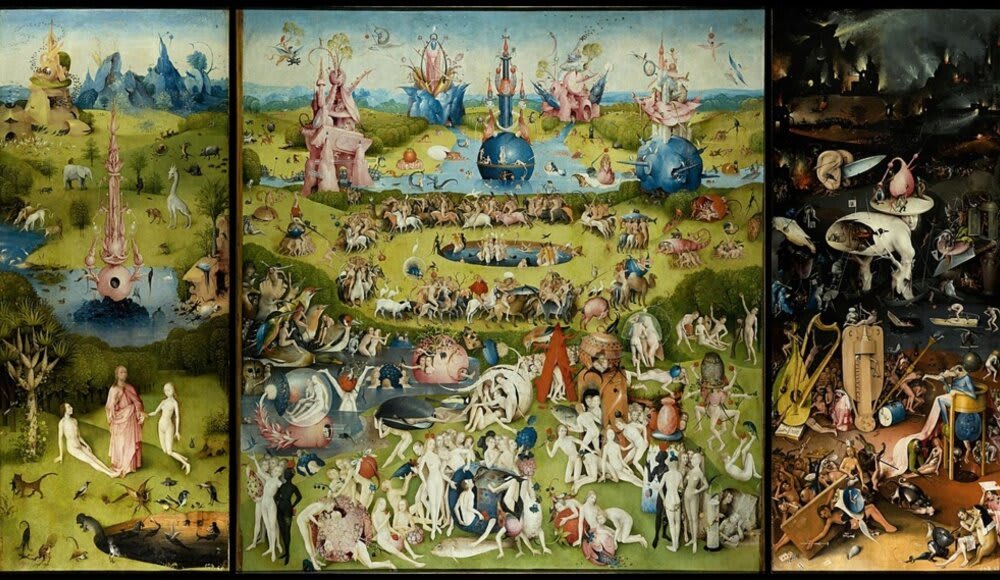
It is one of the most important works of the Renaissance, built through a triptych, very common during this period, which means it is composed of three panels that can be folded to close the painting.
Each panel contains a part of the story or the artist's vision, and it is considered one of the most important works of the Renaissance.
The Commission of the Painting
The painting was made to celebrate the wedding of the daughter of Count Henry II of Nassau, in Brussels.
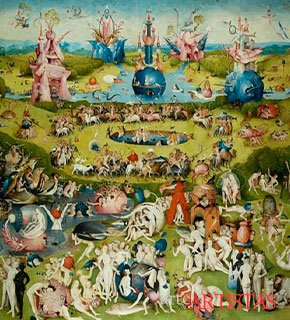
The central panel of the triptych is the most known and mysterious part of the work.
It represents a lush and exuberant garden, inhabited by a variety of strange creatures and human figures.
The Interpretation of the Painting
The exact meaning of the painting is still a subject of debate among art scholars.
Some believe that Bosch was representing a moralistic vision of humanity, warning about the dangers of lust and sin.
Others see the work as a representation of the search for earthly satisfaction and the ephemeral nature of life.
The Importance of the Painting
Regardless of the interpretation, The Garden of Earthly Delights is one of the most intriguing and enigmatic works in the history of art and continues to fascinate spectators and scholars throughout the centuries.
It belongs to the collection of the Museo del Prado, in Madrid (Spain), where visitors can appreciate the richness of details and symbolism contained in the painting.
The Legacy of Bosch
More than 500 years after its creation, The Garden of Earthly Delights, which puts the imagination of Bosch on full display, continues to be a source of intense fascination and entertainment for historians and art lovers.
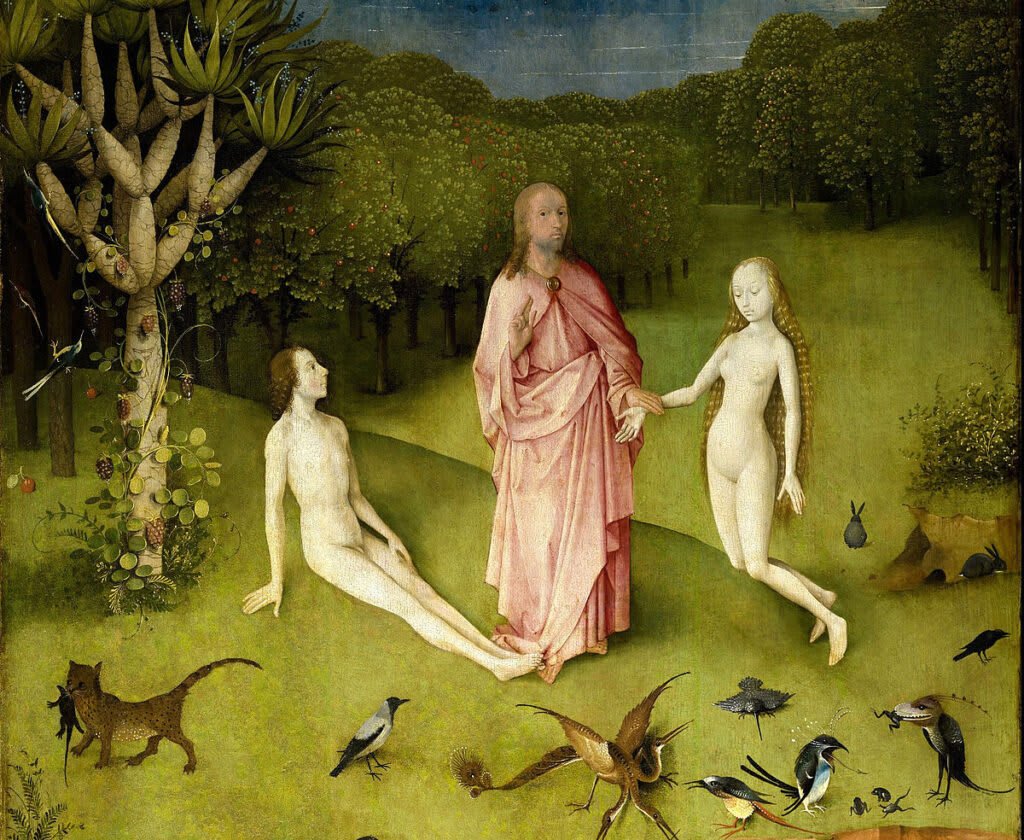
Bosch depicts the nude in this work, in accordance with the gothic style: slender physique and narrow shoulders.
The thin and elongated body without volume, is dematerialized, presented a light expression, as if they were floating.
The Music in Hell
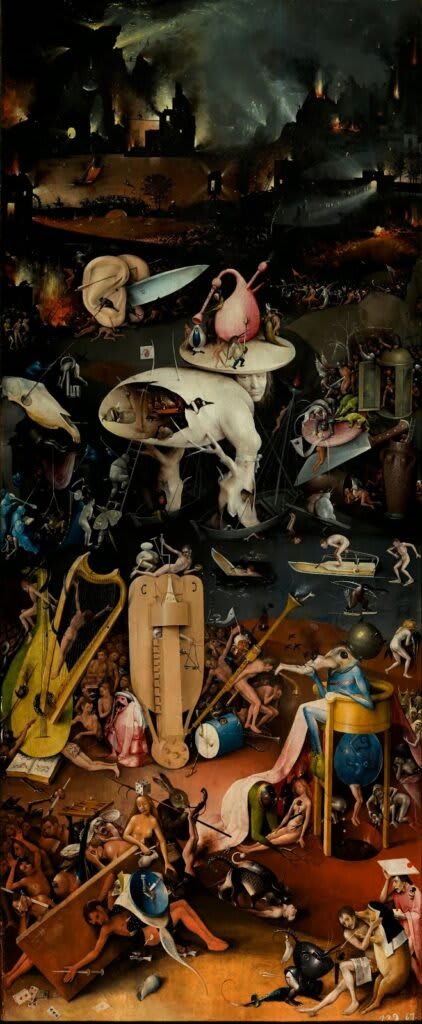
The many musical instruments in the scene probably refer to various forms of sin, such as the bagpipes, which represent lust and the pleasures of the flesh.
At the center of the scene is his iconic man-tree, which indicates that it is a self-portrait, being a mere observer of the world, perhaps to say that everything there came from his imagination, very similar to the artist himself.


