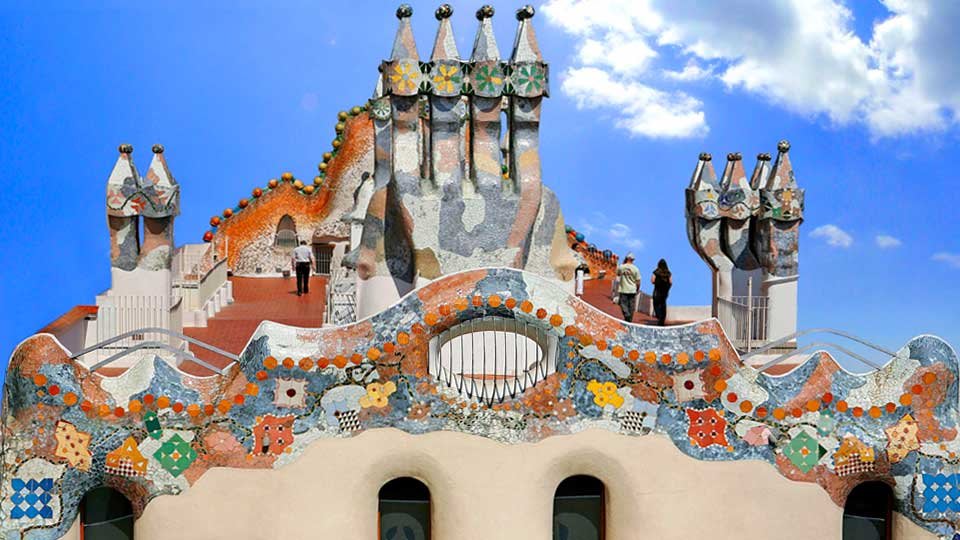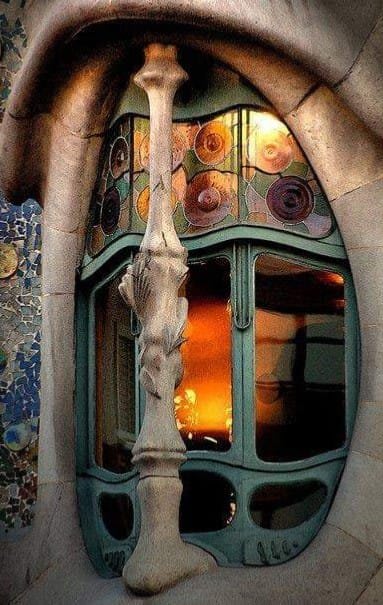
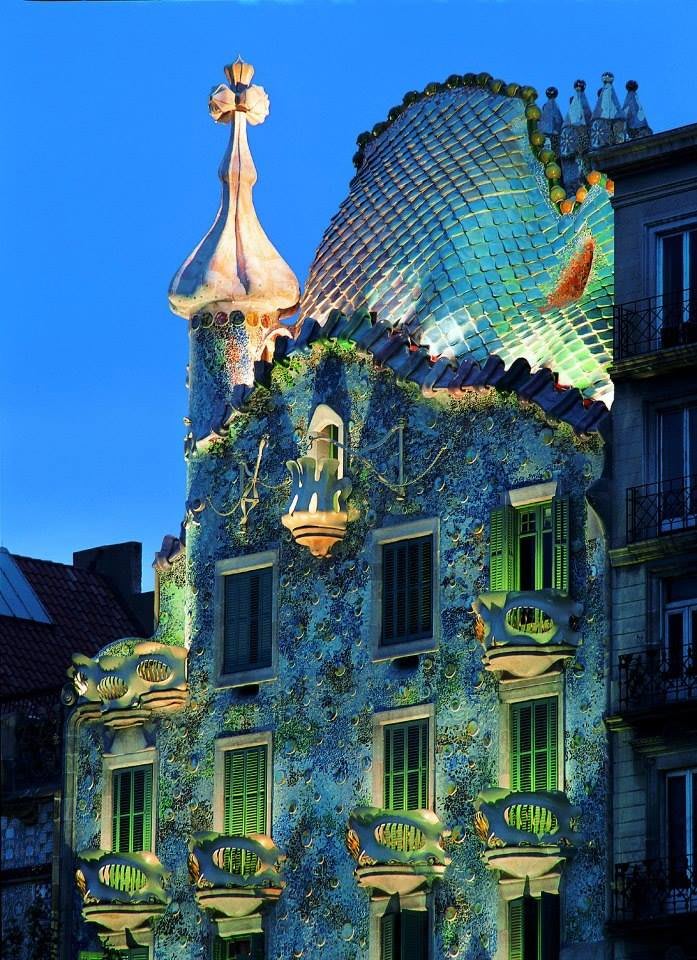
The House of Batlló, by Antoni Gaudí - A Building Transformed into a Work of Art
The House of Batlló, by Antoni Gaudí - A Building Transformed into a Work of Art
Article Index
The House of Batlló is one of the most fascinating works of the Catalan architect Antoni Gaudí, located in Barcelona, Spain.
Built between 1904 and 1906, the House of Batlló is an extraordinary example of Gaudí's unique architectural style, which combines organic forms, vibrant colors, and meticulous attention to detail.
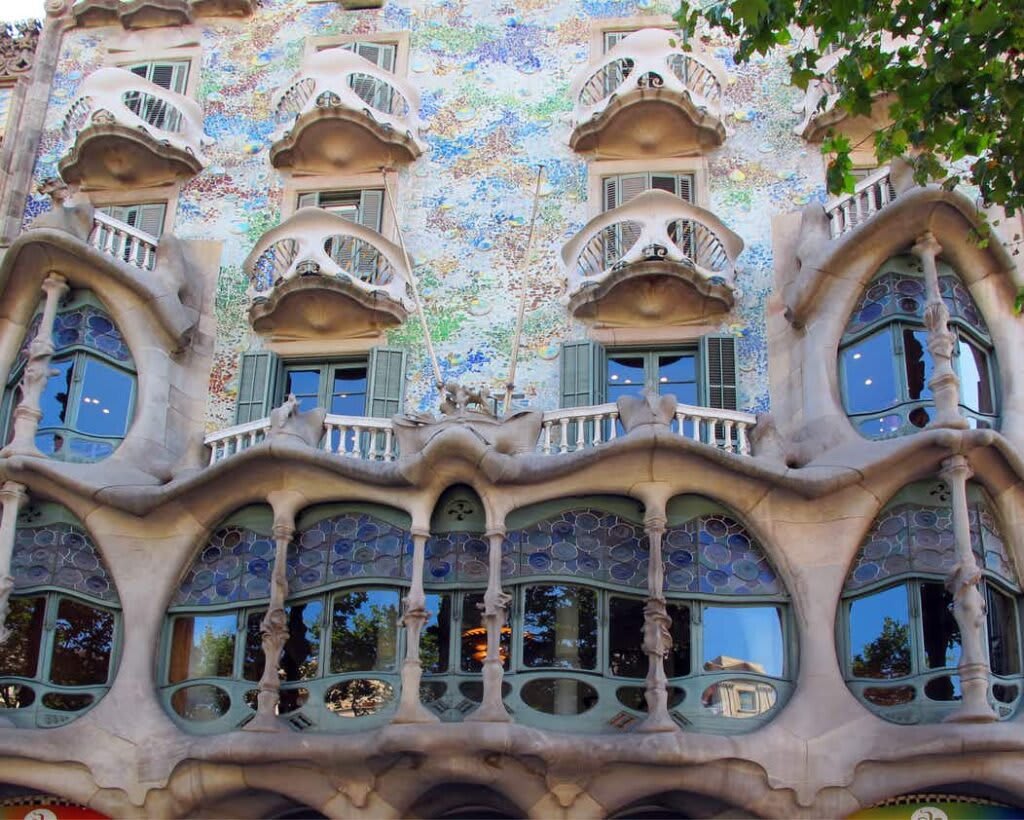
The facade of the House of Batlló is marked by sinuous curves, colorful windows, and a structure that resembles a fairy tale.
Inside, Gaudí created fluid and innovative spaces, with decorative elements inspired by nature and Catalan culture.
The House of Batlló is a masterpiece of Catalan modernism and one of Barcelona's most popular tourist attractions, drawing visitors from around the world to admire its beauty and originality.
The House of Batlló and its Construction
The building was constructed between 1904 and 1906, coinciding with Gaudí's mature architectural period, and is named after the textile entrepreneur Josep Batlló.
In the early 20th century, the Passeig de Gràcia, designed by the urbanist Ildefons Cerdà as one of Barcelona's main axes, became the preferred street of the bourgeoisie.
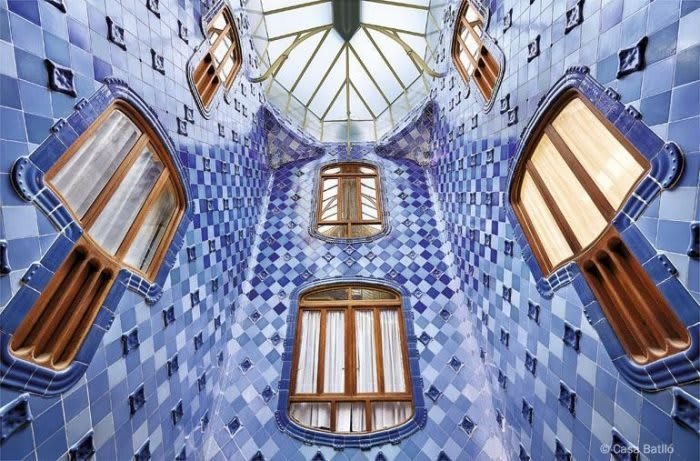
In 1903, one of these industrialists, Josep Batlló, acquired a property built in 1877 by Emili Salas Cortès, who was one of Antoni Gaudí's former professors.
The building's original design, however, contrasted greatly with the spectacular nature of its neighbor, the Casa Amatller, designed by Puig i Cadafalch.
In 1904, Batlló decided to consult Gaudí, who was 52 years old and at the height of his popularity.
Initially, Batlló suggested demolishing the old building and constructing a new plan, but the architect convinced him to maintain its structure and undertake a complete renovation, adding two more levels (an extra floor and an attic) and completely reworking the facade, central courtyard, ground floor, and main floor, where the Batlló family's apartment was located.
These were the origins of the House of Batlló, today an icon of modernism in Barcelona.
The History of the House of Batlló and its Construction
With complete artistic freedom, these sculptural works receive curved, ductile, and organic forms, inspired by the laws of nature, which the attractive and surprising universe of Antoni Gaudí revolves around his work.
The result is an architectural style that combines surprising forms and intense colors that evoke a pleasant sense of movement throughout the building.
As Gaudí was an attentive observer of nature, he combined materials such as stone, glass, ceramics, and iron in such a way that, when the sun hit the facade, a poetic and warm game of light and shadow would be evoked, just like in other works by the architect.