The Maids of Diego Velázquez
The Maids of Diego Velázquez
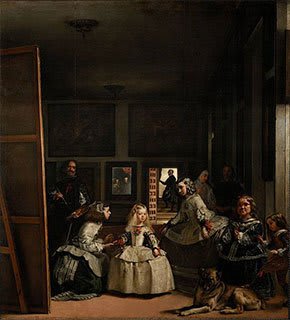
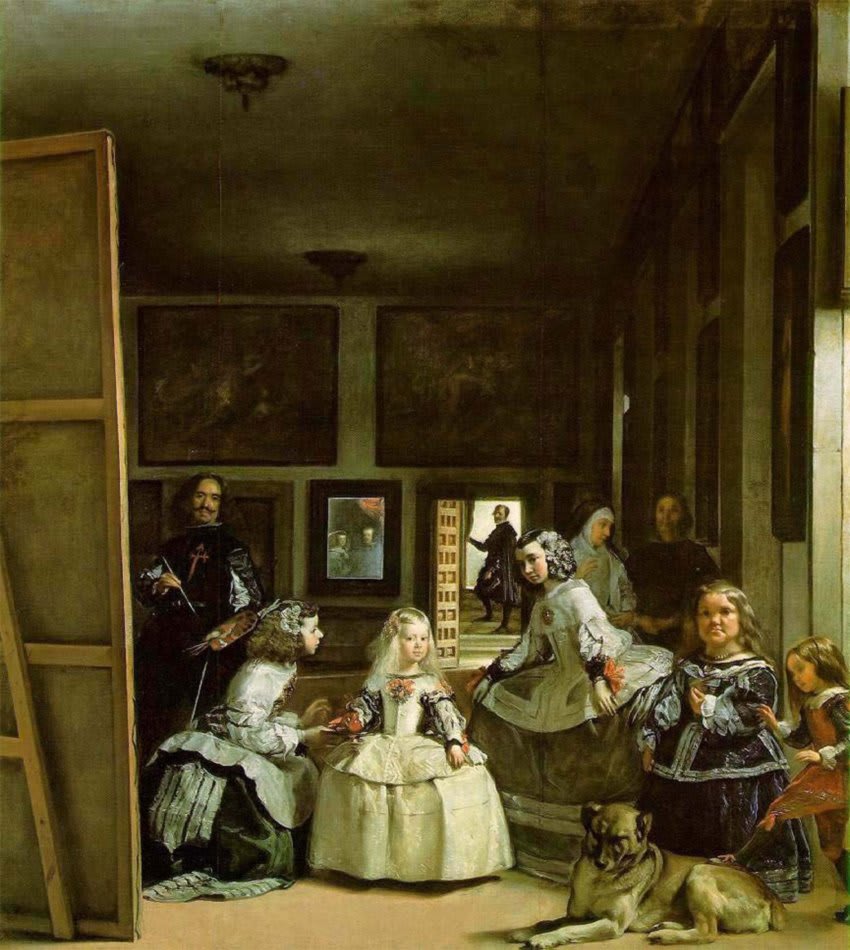
The Maids of Diego Velázquez, one of the most important works in Art History, as well as in the Baroque style. Of gigantic proportions, it is one of the most analyzed and commented works in the art world.
With a very complex composition, The Maids questions what is reality and what could be illusion. There are real and virtual spaces that form a fantastic reality that leads the observer to awaken so much curiosity.
The painting has as its central theme, the infanta Margarita of Austria who was the eldest, the only surviving daughter of the kings, of the numerous children born, but who unfortunately died. Although the painting presents other characters, including the artist himself, Velázquez, let's analyze it:
For Diego Velázquez, who is undoubtedly one of the greatest masters of the Baroque, it was not difficult to resolve the composition problems of space, harmony and other elements, due to the mastery he had of treating colors, especially in the game of light and shadow in colors and tones used, very considered at the time to characterize the different characters in this painting.
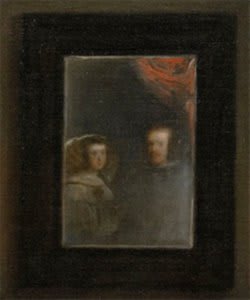
To portray the famous parents of Infanta Margarita, King Philip IV and Mariana of Austria, his wife, the artist chose a mirror that we find at the back of the painting where their images are reflected. According to some historians, the couple could be entering the painting session, or they could be posing like this, and Velázquez could be painting them. In the latter case, it would be the little infanta and her companions who would be contemplating the painting of the kings.
In the background, we find a man who could be entering or leaving the scene, bringing light to the canvas as he moves the existing curtain. The paintings above cannot be forgotten, as they belonged to the palace collection.
They say that Velázquez "painted the air". In fact, he was a deep researcher in books of optics, where he sought knowledge to achieve a better effect of the distances, light and other agents on the forms and colors in his painting.
The painting shows a room in the Palace of the Royal Alcázar of Madrid during the reign of King Philip IV of Spain. Diego Velázquez was the court painter and very close to the king.
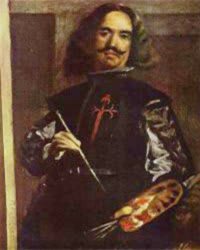
In this work, some of the figures portrayed, are looking out of the painting towards the observer, while others interact with each other. The young princess is surrounded by probable ladies-in-waiting, including a dwarf, a bodyguard and a dog. On the left side of the painting is the artist himself, who places himself in the midst of his work, observing and painting the scene on a large canvas. As we have already commented, it seems that Velázquez has the royal couple as the theme of this painting, and all the figures present in this work are observing the royal couple who is in front of them.
Diego Rodríguez de Silva y Velázquez, born on June 6, 1599, in Seville, Spain. He was an important painter and principal curator of the court of King King Philip IV between the decades of 1640 and 1650. He became known as one of the main portraitists of the Baroque period, which spans the 17th century.
Very respected in Spain for being a great connoisseur of the arts in general. Most of the collection of the Museo del Prado located in Madrid, many paintings of the Renaissance, for example, were acquired during the period in which Velázquez was curator of this famous establishment. He died in the city of Madrid on August 6, 1660.
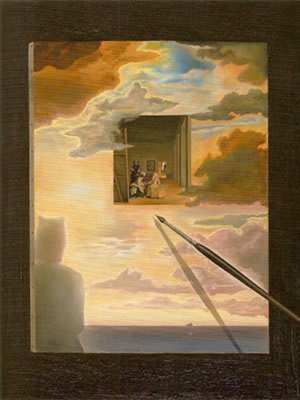
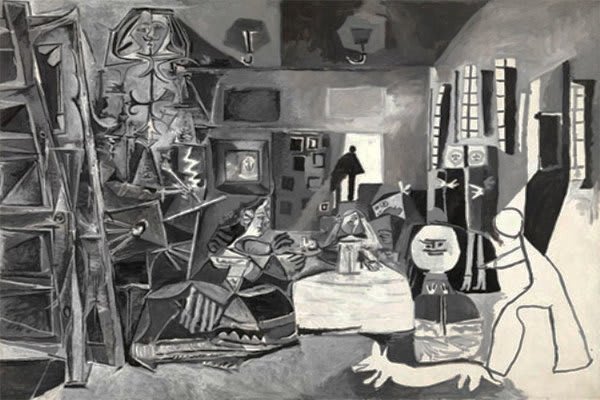
This painting served as inspiration for the recreation of many artists such as, Picasso, Salvador Dali, Edgar Degas, Francisco de Goya, Vik Muniz, and many others, where we highlight: