
Biography of Johannes Vermeer: Birth and Early Years of a Master
Biography of Johannes Vermeer: Birth and Early Years of a Master
Article Index
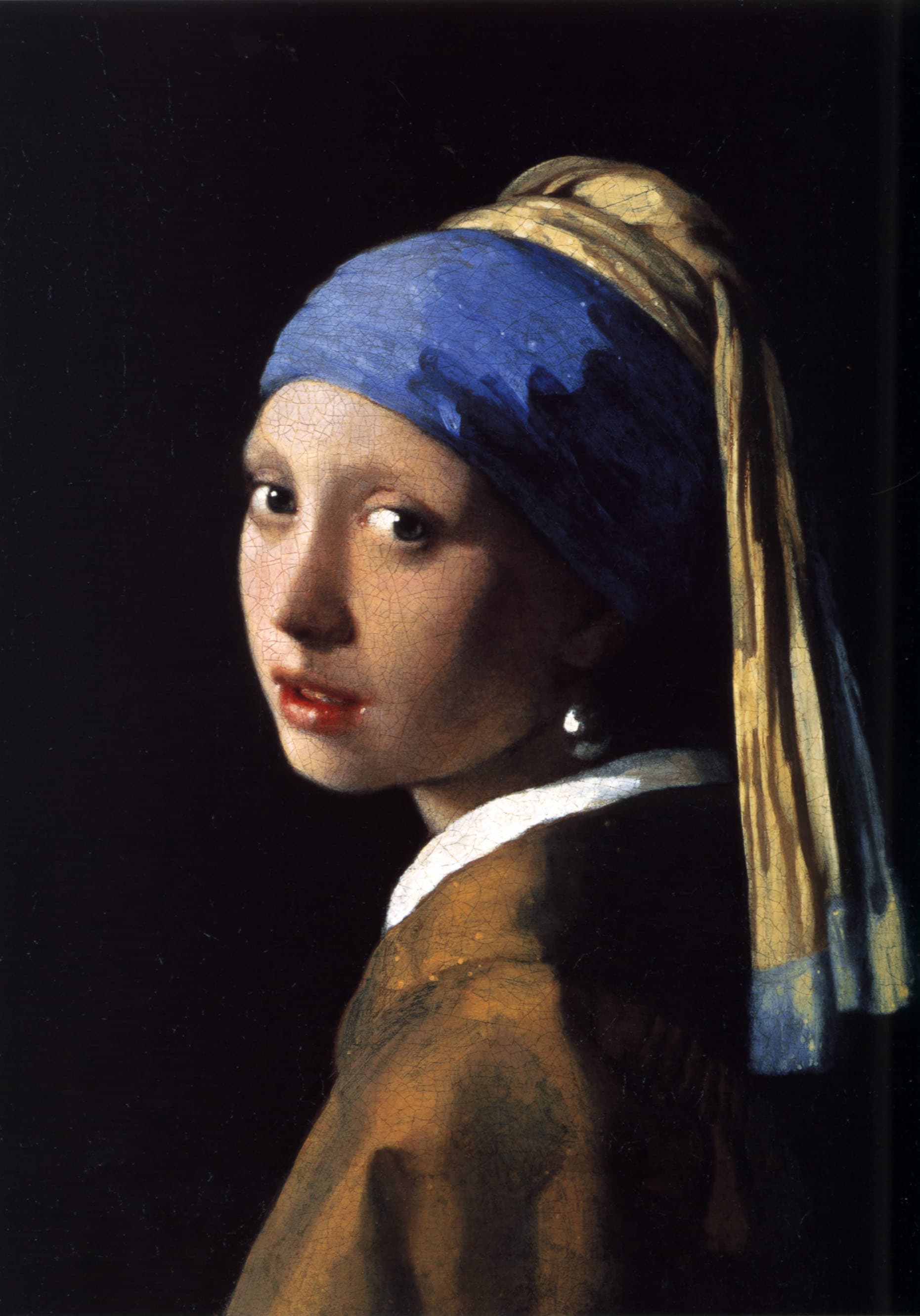
Johannes Vermeer, a prominent artist of the Dutch Baroque, created paintings that are among the most beloved and revered in the history of art. These works are notable for their purity of light and form, qualities that convey a sense of serene and timeless dignity. The artist is also represented as Jan Vermeer.
His art is marked by a unique sensitivity, which captures the essence of everyday life and nature in moments of profound beauty and serenity.
BIOGRAPHY
Johannes Vermeer was born in the Dutch mercantile city of Delft on October 31, 1632, in a family of lower-middle-class. His father, Reijnier Jansz, was a weaver who produced fine silk cloth called caffa and also worked as an art dealer. His mother, Digna Baltus, was a simple homemaker.
In the 1640s, the adolescent Vermeer was enrolled as an apprentice painter whose father was willing to pay high fees to secure a promising future for his son. Due to a lack of proven evidence, it is impossible to name the artist to whom Vermeer was apprenticed, but several historians suggest that the young artist may have been a student of the star Rembrandt , of the painter Carel Fabritius who provided his first training. Others argue that his teacher was the painter Pieter van Groenwegen, also born in Delft.
With his prosperous family able to buy a large house containing an inn in the market square, Vermeer continued to pursue his career as a painter. Following the death of his father in October 1652, the painter inherited the inn and the art dealership.
In 1653, Vermeer married Catherina Bolnes, daughter of a prosperous Catholic family in Delft. Despite both sets of parents resisting the marriage due to opposing Christian beliefs, with Vermeer's family being Protestant, the ceremony was held after Vermeer's conversion to Catholicism. Perhaps in an effort to prove his new devotion, Vermeer created his first painting, titled Cristo na Casa de Marta e Maria, his only known representation of a biblical narrative.
In the same year of his marriage, Vermeer followed in his father's footsteps and enrolled as a master painter in the Guild of Saint Luke, which allowed him to have a wealth of opportunities, patrons, and connections to advance his career. His early works show the influence of masters like Rembrandt and Caravaggio
In 1662, Vermeer became the head of the Guild of Saint Luke, which meant he would have been in close contact with various patrons, artists, and collectors in Delft. The new position established him as a respected painter in his own right, although the few existing paintings have led many scholars to calculate that the artist produced only three or more works per year.
In 1663, a curious event occurred that could have been tragic, when one day while Vermeer was away from home, his absent and aggressive brother-in-law, Willem, returned and physically attacked his sister Catherina, who was pregnant, threatening to stab her. They were saved, mother and unborn child, from this attack when the Vermeer's servant intervened between the brothers. According to the records, Willem was taken and imprisoned until the end of his life. Interestingly, the violent and traumatic episode did not influence Vermeer's art.
The artist was also known for using expensive pigments like lapis lazuli for the skirt of A Leiteira and deep crimson for the dress of A Garota com um Copo de Vinho . Although some have suggested that Vermeer's long-time patron, Pieter van Ruijven, may have purchased and provided the artist with these exclusive ingredients, it may not be surprising that it was during this time that the painter began his own decline into debt.
To understand the rest of this journey, continue to our next article: Biografia de Johannes Vermeer: Morte, Legado e a Redescoberta de um Gênio.


