
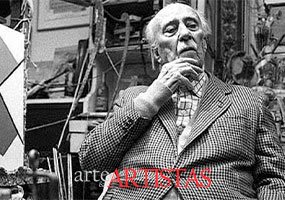
Cícero Dias
Cícero Dias
Cícero Dias was a significant modernist painter. His work is considered one of Brazilian art's main contributions to the surrealist movement.
Brief Biography
Cícero dos Santos Dias was born on March 5, 1907, in the city of Escada, Pernambuco.
From an early age, he showed a talent for drawing and painting. In 1925, he moved to Rio de Janeiro, where he studied Architecture and Painting at the National School of Fine Arts. He held his first solo exhibition in 1928.
During this period, he painted a panel considered his masterpiece – I Saw the World... It Began in Recife – which was exhibited at the Revolutionary Salon of the National School of Fine Arts. The work caused controversy and protest but marked a significant moment in the history of modernism in Brazil. It was created using gouache and watercolor on ocher-colored wrapping paper. The artist explained: "What lived inside me was the dream. Contradictions that nature created: the invisible and the visible."

In 1929, he received a scholarship to study in Paris, where he attended the Académie de la Grande Chaumière and worked as an assistant to the painter Fernand Léger.
In the 1930s, Cícero became renowned for his surrealist works, which blended elements of Northeastern Brazilian popular culture with European modern art.
In 1932, he returned to Brazil, where he began teaching drawing in his studio located in the city of Recife. The following year, he illustrated the first edition of Gilberto Freire's work, Casa Grande & Senzala.
In 1937, he participated in the International Exhibition in Paris, where his work garnered significant attention from critics and the public.
During World War II, he moved to New York, working as an illustrator and interior designer. During this time, his work underwent a stylistic shift, moving from figuration to abstraction.
In 1949, he participated in the Mural Art Exhibition in the city of Avignon, France.
During the 1950s, he participated in the Venice Biennale and, in 1953, in the II São Paulo Biennial. Towards the end of the same decade, he returned to Paris and resumed his career as a painter.
In 1965, he held a retrospective exhibition spanning forty years of his painting at the Venice Biennale.
In the 1970s, he held solo exhibitions in Recife, Rio de Janeiro, and São Paulo.
In 1981, the Museum of Modern Art (MAM-SP) organized a retrospective of his work.
In 1991, he unveiled a 20-meter panel at the Brigadeiro Metro Station in São Paulo.
Throughout his career, he received various awards and honors, such as the title of Knight of the Legion of Honor, granted in 1981 by the French government.
Cícero Dias passed away in Paris on January 28, 2003, at the age of 96, leaving an important artistic legacy for the history of Brazilian art.
GALLERY
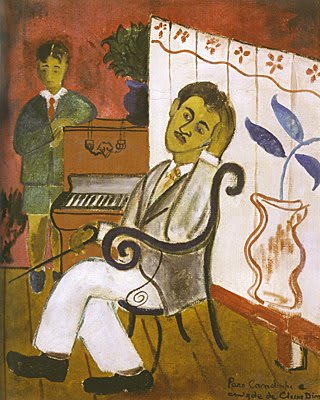
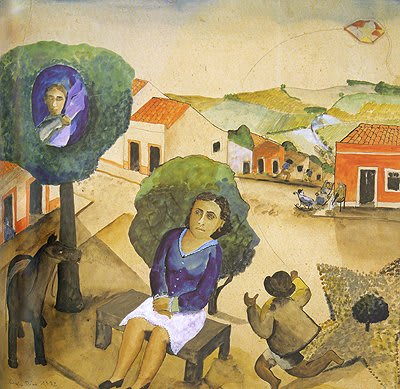
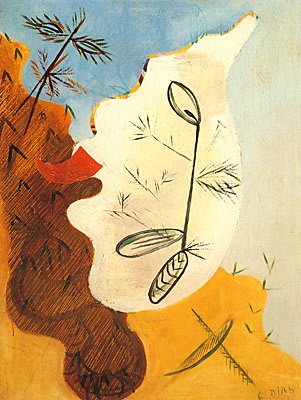
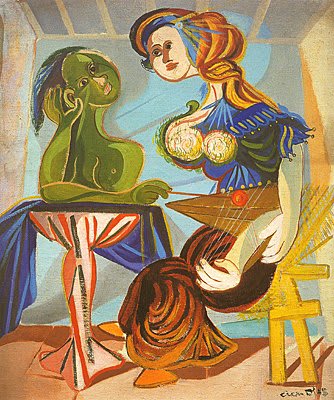
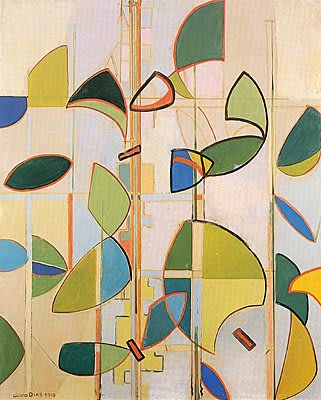
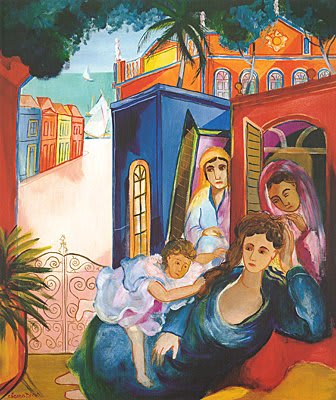
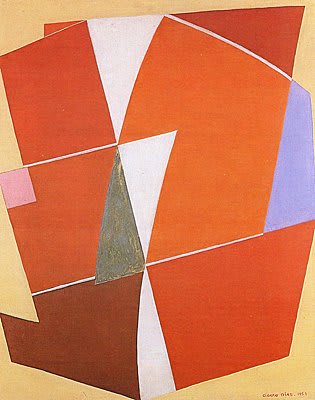
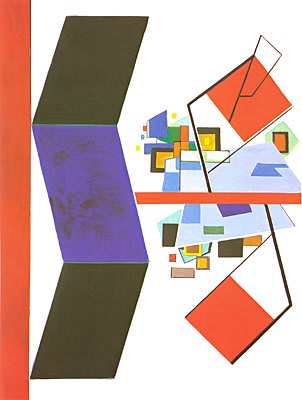
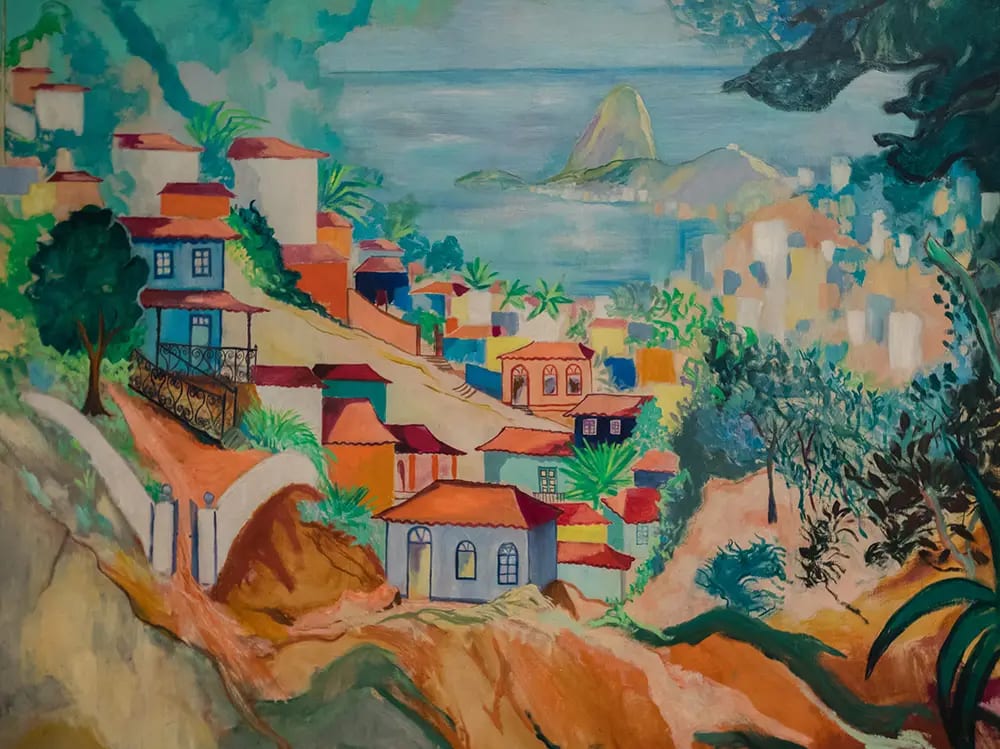
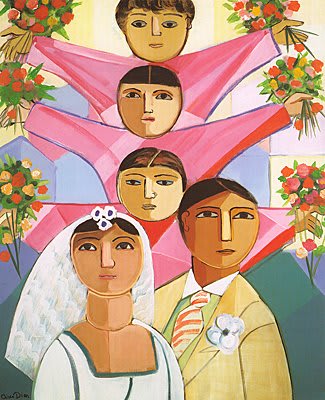

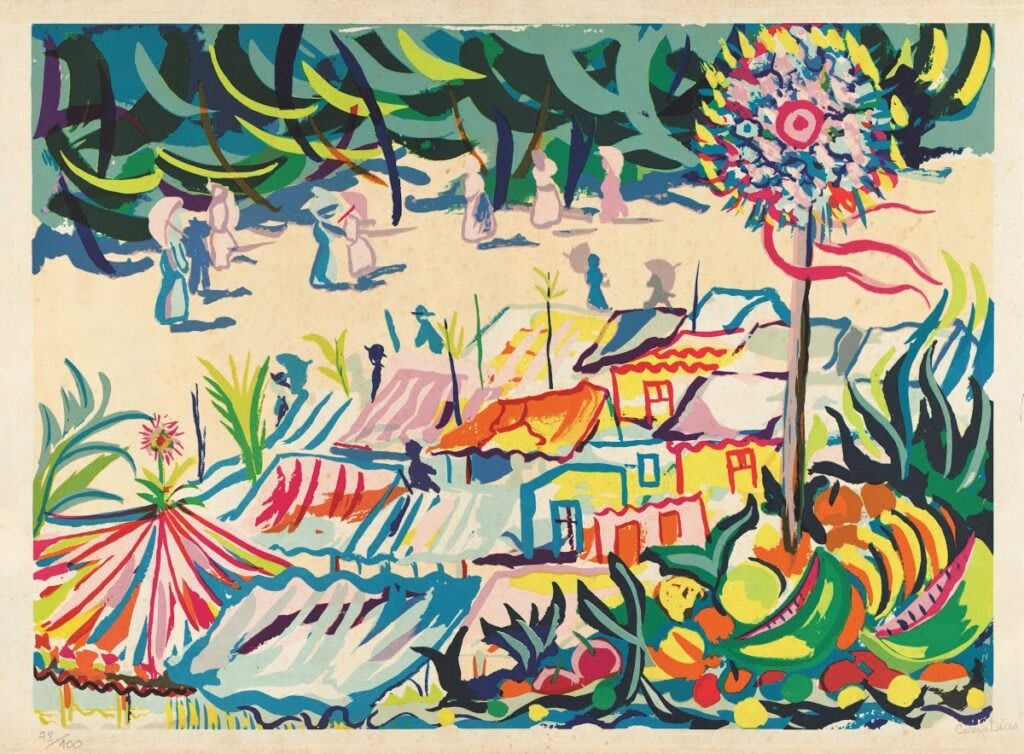
Cícero Dias continued to create worlds. And those worlds, inevitably, began in Recife. He wrote:
"In a strange flash, breaking through everything, with a metallic rustle of their great wings, the powerful archangels paled the corals along the Northeastern coast. Corals and more corals. Beautiful, pink, red. They knew the light of the stars. Shooting stars, so vibrant, showing the path to eternal life. And, sheltered by a celestial sphere, colored with an indigo blue, the shapes and colors adjusted." - Cícero Dias


