
Expressionism: Roots and the Genesis of the Modern Movement
(Sem Penalidade CLS)
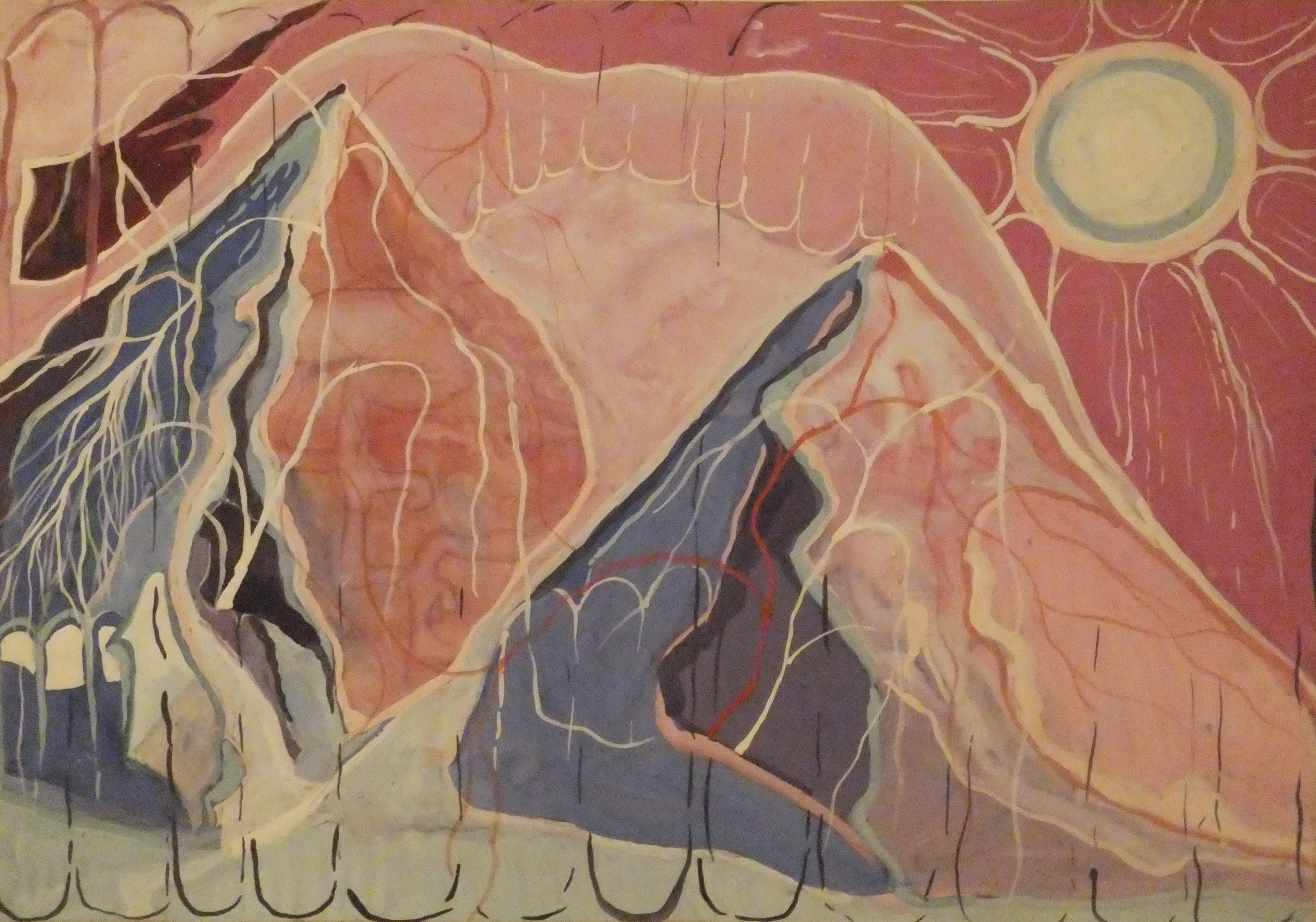
Expressionism was a significant movement that emerged simultaneously in several German cities, responding to a widespread anxiety about humanity's increasingly discordant relationship with the world and the lost feelings of authenticity and spirituality.
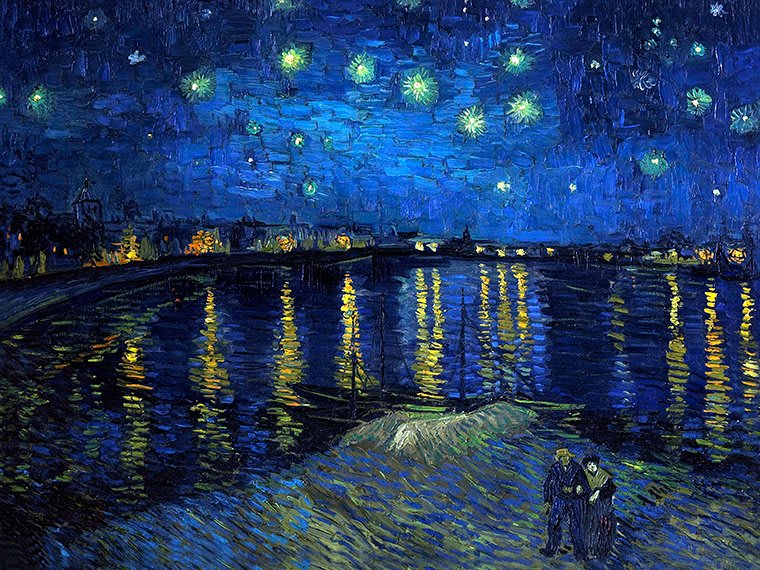
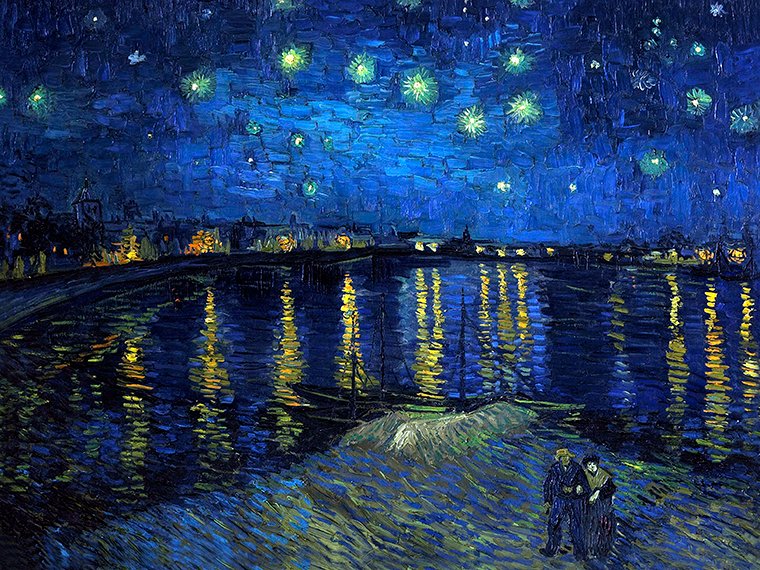
It was partly a reaction against Impressionism, being more strongly inspired by artistic currents of the late 19th century, such as Symbolism and Post-Impressionism. Artists like Vincent van Gogh and Edvard Munch proved particularly influential for the Expressionists, encouraging the distortion of form and the use of strong colors to convey a range of anxieties and yearnings.
(Sem Penalidade CLS)
Surprisingly, these artists, admirers of Edvard Munch's work, aimed to establish a "bridge" between German Neo-Romantic painting and modern painting.
The classical phase of the Expressionist movement lasted approximately from 1905 to 1920 and spread across Europe.
With the turn of the century, shifts in artistic styles and vision erupted in response to profound changes in society's atmosphere.
From 1905 onwards, with the growth of industry in Europe, Expressionists migrated to the cities.
There, they formed groups such as Die Brücke (The Bridge) and Der Blaue Reiter (The Blue Rider), sharing studios, exhibiting together, and publishing their works and writings.
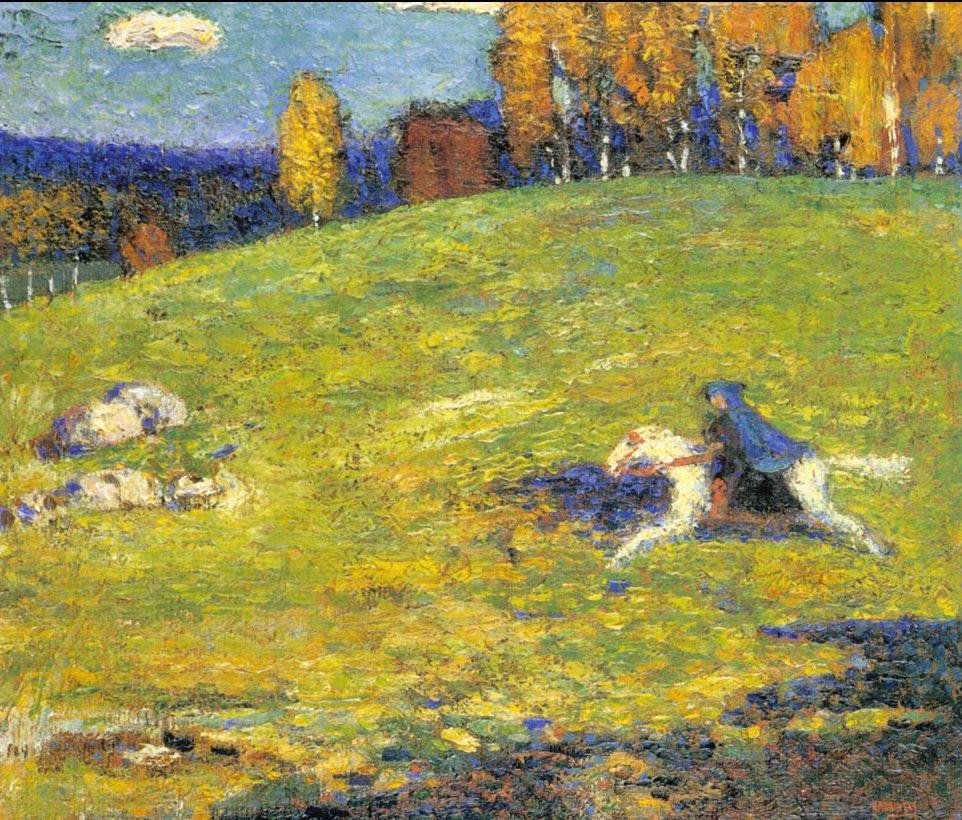
In 1911, a group of like-minded young artists formed Der Blaue Reiter (The Blue Rider) in the city of Munich, following the rejection of Wassily Kandinsky's painting "Angel of the Last Judgment" from a local exhibition.
Besides Kandinsky, the group included Paul Klee, Franz Marc, August Macke, among others.
This Expressionist movement group also sought greater artistic and expressive freedom.
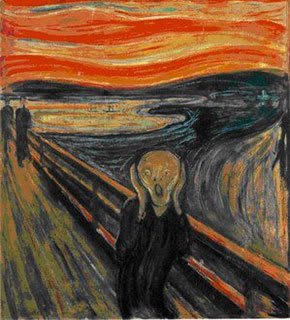
The Expressionist movement, with its various strands and groups, revolutionized the art of its time by prioritizing emotional and subjective expression over realism.
Many members of these groups were in conflict with urban life.
To understand the rest of this journey, continue to our next article: Expressionism: Themes, Artists, and Post-War Legacy.
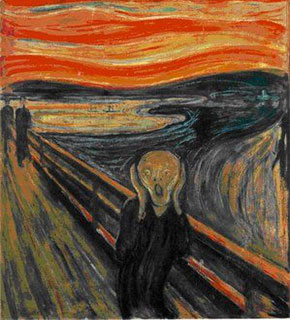
It all began when a group of four German architecture students who wished to become painters - Ernst Ludwig Kirchner, Fritz Bleyl, Karl Schmidt-Rottluff, and Erich Heckel - formed the Die Brücke group in Dresden.
These artists, admirers of Edvard Munch's work, aimed to establish a "bridge" between German Neo-Romantic painting and modern painting.
The four founding members extensively used printmaking as a cheap and fast way to produce art accessible to everyone.
Other artists joined the group, and Emil Nolde was one of them.
Expressionism, in this context, gained strength and visibility.
From 1905 onwards, with the growth of industry in Europe, Expressionists migrated to the cities.
There, they formed groups such as Die Brücke (The Bridge) and Der Blaue Reiter (The Blue Rider), sharing studios, exhibiting together, and publishing their works and writings.
This Expressionist movement had a profound impact on how art was produced and perceived.
With the turn of the century, shifts in artistic styles and vision erupted in response to profound changes in society's atmosphere.
New technologies and massive urbanization efforts altered the individual's worldview, and artists reflected the psychological impact of these developments, moving away from a realistic depiction of what they saw towards an emotional and psychological representation of how the world affected them.
The earliest street scenes depicted in painting often featured compositions filled with nightclubs and affluent theater-goers, as well as scenes of solitude and isolation.
From 1905 onwards, with the growth of industry in Europe, Expressionists migrated to the cities.
There, they formed groups such as Die Brücke (The Bridge) and Der Blaue Reiter (The Blue Rider), sharing studios, exhibiting together, and publishing their works and writings.
This Expressionist movement had a profound impact on how art was produced and perceived.
With the turn of the century, shifts in artistic styles and vision erupted in response to profound changes in society's atmosphere.
New technologies and massive urbanization efforts altered the individual's worldview, and artists reflected the psychological impact of these developments, moving away from a realistic depiction of what they saw towards an emotional and psychological representation of how the world affected them.
The Expressionists, with their diverse strands and groups, revolutionized the art of their time by prioritizing emotional and subjective expression over realism.
With the turn of the century, shifts in artistic styles and vision erupted in response to profound changes in society's atmosphere.
New technologies and massive urbanization efforts altered the individual's worldview, and artists reflected the psychological impact of these developments, moving away from a realistic depiction of what they saw towards an emotional and psychological representation of how the world affected them.
The Expressionists, with their diverse strands and groups, revolutionized the art of their time by prioritizing emotional and subjective expression over realism.

From 1905 onwards, with the growth of industry in Europe, Expressionists migrated to the cities.
There, they formed groups such as Die Brücke (The Bridge) and Der Blaue Reiter (The Blue Rider), sharing studios, exhibiting together, and publishing their works and writings.
This Expressionist movement had a profound impact on how art was produced and perceived.
The Expressionists, with their diverse strands and groups, revolutionized the art of their time by prioritizing emotional and subjective expression over realism.
With the turn of the century, shifts in artistic styles and vision erupted in response to profound changes in society's atmosphere.
New technologies and massive urbanization efforts altered the individual's worldview, and artists reflected the psychological impact of these developments, moving away from a realistic depiction of what they saw towards an emotional and psychological representation of how the world affected them.
The Expressionists, with their diverse strands and groups, revolutionized the art of their time by prioritizing emotional and subjective expression over realism.
With the turn of the century, shifts in artistic styles and vision erupted in response to profound changes in society's atmosphere.
New technologies and massive urbanization efforts altered the individual's worldview, and artists reflected the psychological impact of these developments, moving away from a realistic depiction of what they saw towards an emotional and psychological representation of how the world affected them.
The Expressionists, with their diverse strands and groups, revolutionized the art of their time by prioritizing emotional and subjective expression over realism.
From 1905 onwards, with the growth of industry in Europe, Expressionists migrated to the cities.
There, they formed groups such as Die Brücke (The Bridge) and Der Blaue Reiter (The Blue Rider), sharing studios, exhibiting together, and publishing their works and writings.
This Expressionist movement had a profound impact on how art was produced and perceived.
The Expressionists, with their diverse strands and groups, revolutionized the art of their time by prioritizing emotional and subjective expression over realism.
With the turn of the century, shifts in artistic styles and vision erupted in response to profound changes in society's atmosphere.
New technologies and massive urbanization efforts altered the individual's worldview, and artists reflected the psychological impact of these developments, moving away from a realistic depiction of what they saw towards an emotional and psychological representation of how the world affected them.
The Expressionists, with their diverse strands and groups, revolutionized the art of their time by prioritizing emotional and subjective expression over realism.
With the turn of the century, shifts in artistic styles and vision erupted in response to profound changes in society's atmosphere.
New technologies and massive urbanization efforts altered the individual's worldview, and artists reflected the psychological impact of these developments, moving away from a realistic depiction of what they saw towards an emotional and psychological representation of how the world affected them.
The Expressionists, with their diverse strands and groups, revolutionized the art of their time by prioritizing emotional and subjective expression over realism.
From 1905 onwards, with the growth of industry in Europe, Expressionists migrated to the cities.
There, they formed groups such as Die Brücke (The Bridge) and Der Blaue Reiter (The Blue Rider), sharing studios, exhibiting together, and publishing their works and writings.
This Expressionist movement had a profound impact on how art was produced and perceived.
The Expressionists, with their diverse strands and groups, revolutionized the art of their time by prioritizing emotional and subjective expression over realism.
With the turn of the century, shifts in artistic styles and vision erupted in response to profound changes in society's atmosphere.
New technologies and massive urbanization efforts altered the individual's worldview, and artists reflected the psychological impact of these developments, moving away from a realistic depiction of what they saw towards an emotional and psychological representation of how the world affected them.
The Expressionists, with their diverse strands and groups, revolutionized the art of their time by prioritizing emotional and subjective expression over realism.
With the turn of the century, shifts in artistic styles and vision erupted in response to profound changes in society's atmosphere.
New technologies and massive urbanization efforts altered the individual's worldview, and artists reflected the psychological impact of these developments, moving away from a realistic depiction of what they saw towards an emotional and psychological representation of how the world affected them.
The Expressionists, with their diverse strands and groups, revolutionized the art of their time by prioritizing emotional and subjective expression over realism.
From 1905 onwards, with the growth of industry in Europe, Expressionists migrated to the cities.
There, they formed groups such as Die Brücke (The Bridge) and Der Blaue Reiter (The Blue Rider), sharing studios, exhibiting together, and publishing their works and writings.
This Expressionist movement had a profound impact on how art was produced and perceived.
The Expressionists, with their diverse strands and groups, revolutionized the art of their time by prioritizing emotional and subjective expression over realism.
With the turn of the century, shifts in artistic styles and vision erupted in response to profound changes in society's atmosphere.
New technologies and massive urbanization efforts altered the individual's worldview, and artists reflected the psychological impact of these developments, moving away from a realistic depiction of what they saw towards an emotional and psychological representation of how the world affected them.
The Expressionists, with their diverse strands and groups, revolutionized the art of their time by prioritizing emotional and subjective expression over realism.
With the turn of the century, shifts in artistic styles and vision erupted in response to profound changes in society's atmosphere.
New technologies and massive urbanization efforts altered the individual's worldview, and artists reflected the psychological impact of these developments, moving away from a realistic depiction of what they saw towards an emotional and psychological representation of how the world affected them.
The Expressionists, with their diverse strands and groups, revolutionized the art of their time by prioritizing emotional and subjective expression over realism.
From 1905 onwards, with the growth of industry in Europe, Expressionists migrated to the cities.
There, they formed groups such as Die Brücke (The Bridge) and Der Blaue Reiter (The Blue Rider), sharing studios, exhibiting together, and publishing their works and writings.
This Expressionist movement had a profound impact on how art was produced and perceived.
The Expressionists, with their diverse strands and groups, revolutionized the art of their time by prioritizing emotional and subjective expression over realism.
With the turn of the century, shifts in artistic styles and vision erupted in response to profound changes in society's atmosphere.
New technologies and massive urbanization efforts altered the individual's worldview, and artists reflected the psychological impact of these developments, moving away from a realistic depiction of what they saw towards an emotional and psychological representation of how the world affected them.
The Expressionists, with their diverse strands and groups, revolutionized the art of their time by prioritizing emotional and subjective expression over realism.
With the turn of the century, shifts in artistic styles and vision erupted in response to profound changes in society's atmosphere.
New technologies and massive urbanization efforts altered the individual's worldview, and artists reflected the psychological impact of these developments, moving away from a realistic depiction of what they saw towards an emotional and psychological representation of how the world affected them.
The Expressionists, with their diverse strands and groups, revolutionized the art of their time by prioritizing emotional and subjective expression over realism.
From 1905 onwards, with the growth of industry in Europe, Expressionists migrated to the cities.
There, they formed groups such as Die Brücke (The Bridge) and Der Blaue Reiter (The Blue Rider), sharing studios, exhibiting together, and publishing their works and writings.
This Expressionist movement had a profound impact on how art was produced and perceived.
The Expressionists, with their diverse strands and groups, revolutionized the art of their time by prioritizing emotional and subjective expression over realism.
With the turn of the century, shifts in artistic styles and vision erupted in response to profound changes in society's atmosphere.
New technologies and massive urbanization efforts altered the individual's worldview, and artists reflected the psychological impact of these developments, moving away from a realistic depiction of what they saw towards an emotional and psychological representation of how the world affected them.
The Expressionists, with their diverse strands and groups, revolutionized the art of their time by prioritizing emotional and subjective expression over realism.
With the turn of the century, shifts in artistic styles and vision erupted in response to profound changes in society's atmosphere.
New technologies and massive urbanization efforts altered the individual's worldview, and artists reflected the psychological impact of these developments, moving away from a realistic depiction of what they saw towards an emotional and psychological representation of how the world affected them.
The Expressionists, with their diverse strands and groups, revolutionized the art of their time by prioritizing emotional and subjective expression over realism.
From 1905 onwards, with the growth of industry in Europe, Expressionists migrated to the cities.
There, they formed groups such as Die Brücke (The Bridge) and Der Blaue Reiter (The Blue Rider), sharing studios, exhibiting together, and publishing their works and writings.
This Expressionist movement had a profound impact on how art was produced and perceived.
The Expressionists, with their diverse strands and groups, revolutionized the art of their time by prioritizing emotional and subjective expression over realism.
With the turn of the century, shifts in artistic styles and vision erupted in response to profound changes in society's atmosphere.
New technologies and massive urbanization efforts altered the individual's worldview, and artists reflected the psychological impact of these developments, moving away from a realistic depiction of what they saw towards an emotional and psychological representation of how the world affected them.
The Expressionists, with their diverse strands and groups, revolutionized the art of their time by prioritizing emotional and subjective expression over realism.
With the turn of the century, shifts in artistic styles and vision erupted in response to profound changes in society's atmosphere.
New technologies and massive urbanization efforts altered the individual's worldview, and artists reflected the psychological impact of these developments, moving away from a realistic depiction of what they saw towards an emotional and psychological representation of how the world affected them.
The Expressionists, with their diverse strands and groups, revolutionized the art of their time by prioritizing emotional and subjective expression over realism.
(Sem Penalidade CLS)


