Expressionism: Themes, Artists, and Post-War Legacy
Discover how Expressionism evolved after World War I, its central themes, notable artists, and lasting impact on culture and art.
With the outbreak of World War I in 1914, the bold colors and irregular angles of Expressionism found a new purpose.
Many artists initially supported the war, believing it would lead to the downfall of the middle-class society and its widespread materialism and cultural restrictions.
However, as artists enlisted or were conscripted, their initial optimism was destroyed, leading to many mental breakdowns.
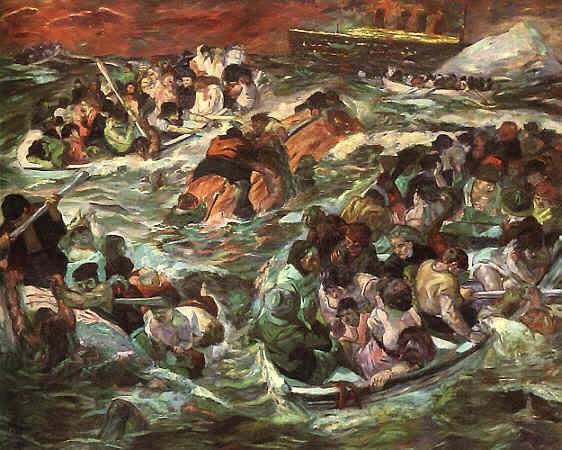
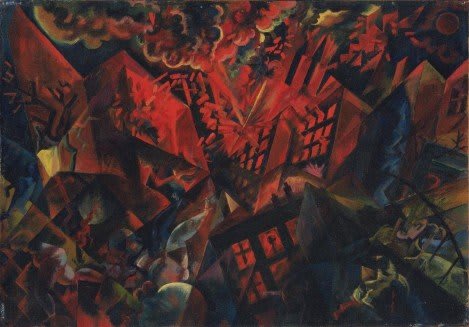
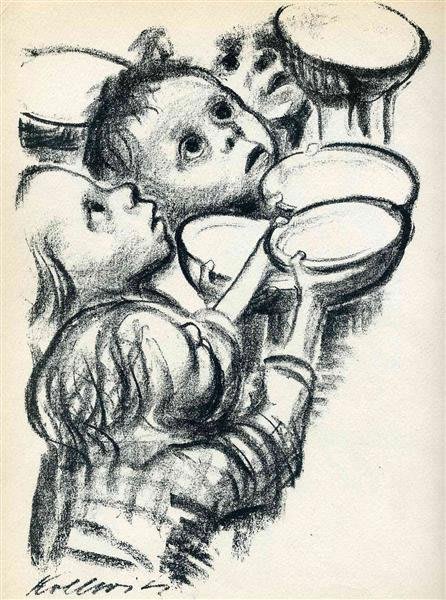
These soldier-artists began creating works that reflected their battered bodies and minds, showcasing a nightmarish vision of the world experienced on the front lines.
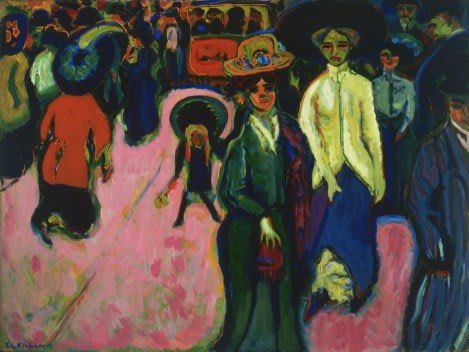
After World War I, artists began seeing the city as an extension of the battlefield, struggling with the devastating effects on their collective psyche and the country's economy.
The Expressionist artist sought to depict the world as they felt it, rather than how it appeared, thereby reviving the authenticity and expressive force of art.
Artists in general rejected the dominant stylistic conventions and the theme of German visual culture at the turn of the 20th century, instead of looking at introspective and colorful paintings by post-impressionists and works by German and Austrian artists who explored the darker side of life and artistic imagination in their work.
Many Expressionists also found initial inspiration in the flat patterns and bold forms of the movement.
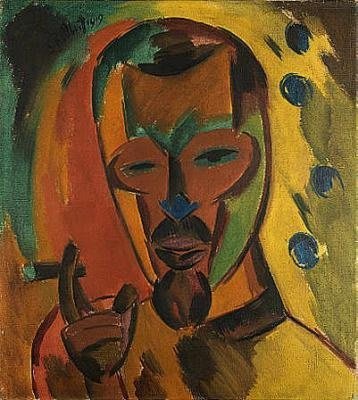
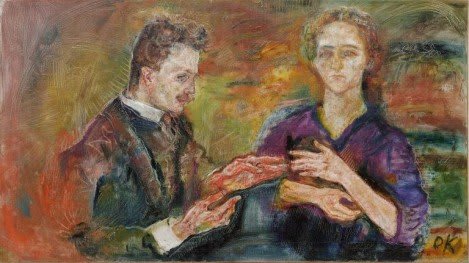
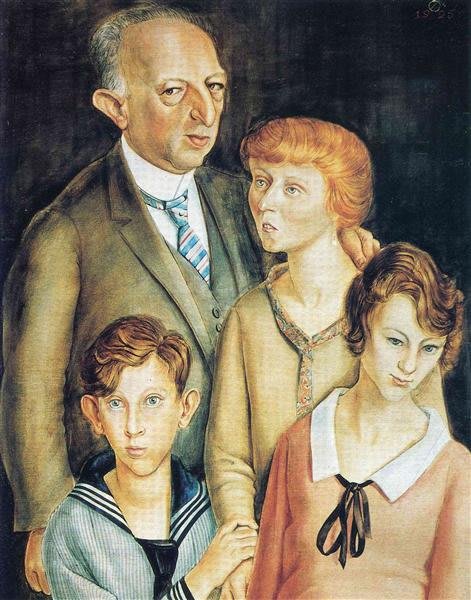
In making portraits and self-portraits, Expressionist artists aimed to convey meaning or emotional experience rather than create a faithful image of themselves or their models.
Working mainly in Germany and Austria during the 1910s and 1920s, and still recovering from the carnage of World War I, they were interested in capturing the psychological states of their subjects.
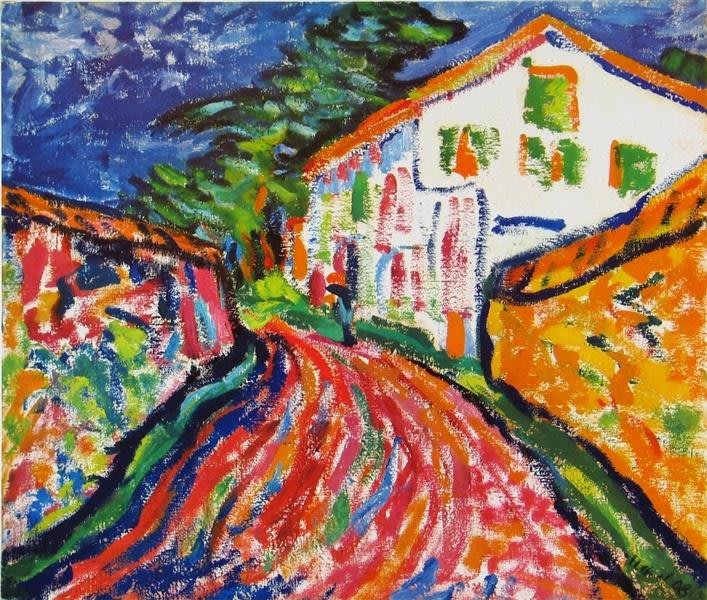
Artists used formal methods to distort colors and uncommon configurations to convey the expression of human feeling.
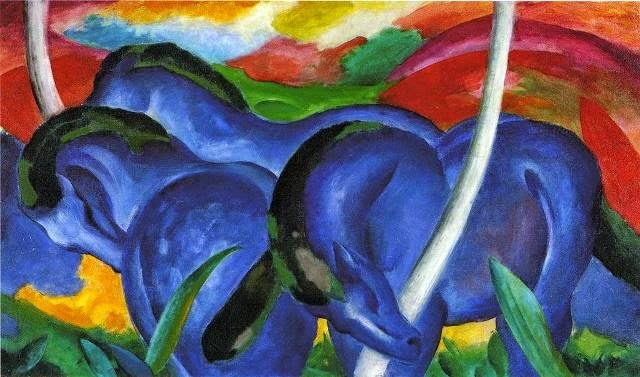
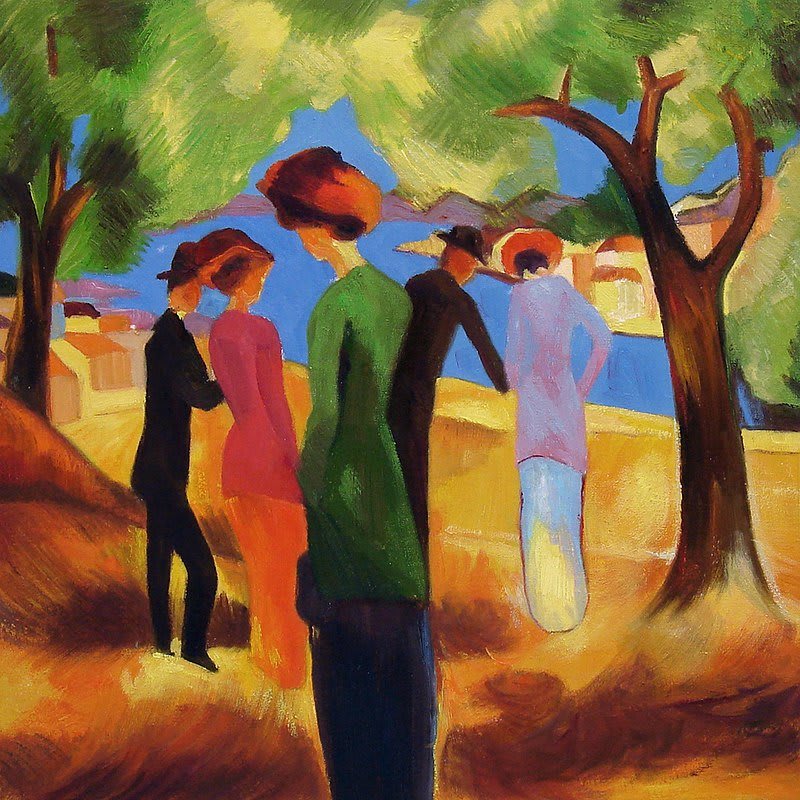
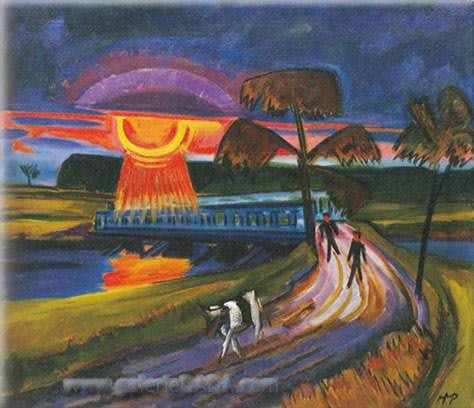
For Expressionist artists, nature represented a therapeutic escape from the crowds and anxiety of the city.
Dissonant colors and aggressive angles led to the backdrop of blues, greens, and earthy tones.
In nature, artists and their subjects could free themselves from inhibitions and celebrate the freedom of mind and body.
The term Expressionism
The term for this movement is believed to have been coined in 1910 by Czech art historian Antonin Matejcek, who intended to denote the opposite of Impressionism.
While impressionists sought to express the majesty of nature and the human form in an objective manner, Expressionists sought only to express inner life, often through painting rough and realistic themes, which was subjective.
However, it should be noted that neither artists involved with Die Brücke nor similar sub-movements ever referred to themselves as Expressionists, and in the early years of the century, the term was widely used to apply to a variety of styles, such as Symbolism and Post-Impressionism.
Degenerate Art
In the 1930s, the Nazi party rose to power in Germany.
Many artists and intellectuals were affected by the suppression of political, individual, and artistic rights.
The Nazis declared that the work of many modern artists was being perverted or degenerate, including Expressionist artists.
Their work was confiscated from German museums and later exhibited in the Exhibition of Degenerate Art held in Munich in 1937.
This exhibition presented a chaotic display of over 650 paintings and sculptures that were confiscated, publications, and paper works, all ridiculed in a series of mocking texts.
Many works were later sold at auctions to private collections or museums; others were burned by Nazi officials.
Over time, the Reich Minister of Propaganda, Josef Goebbels, ordered a more comprehensive investigation of public and private art collections in Germany.
Approximately 16,000 works of art were confiscated in this manner, unfortunately, some were never recovered.
PRINCIPAIS ARTISTAS RELACIONADOS DIRETAMENTE AO EXPRESSIONISMO
- Ernst Ludwig Kirchner, Wassily Kandinsky, Franz Marc, Fritz Bleyl, Karl Schmidt-Rottluff, Erich Heckel, August Macke, Max Beckmann, Oskar Kokoschka, Otto Dix, George Grosz, Käthe Kollwitz, Max Pechstein e Paul Klee
ARTISTAS INFLUENCIADOS
- Egon Schiele; Lasar Segall; Anita Malfatti; Alberto Giacometti; Lyonel Feininger ; František Kupka; Georges Rouault; António Carneiro; Arthur Segal; Max Jacob; Candido Portinari; Gabriele Münter; Max Weber; Amedeo Modigliani; Arturo Souto; Francis Bacon; Aldo Locatelli; Oswaldo Goeldi; entre outros...
Expressionism: GALERIA