
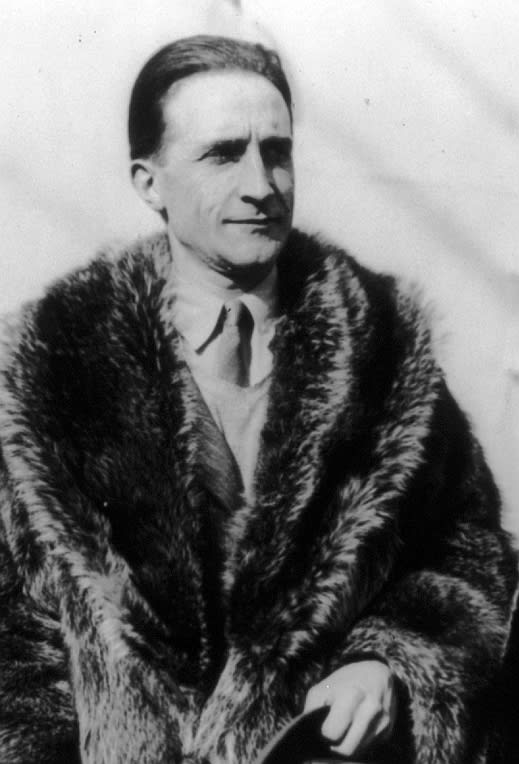
Marcel Duchamp Biography and Key Works: The First Visual Provocations
Marcel Duchamp Biography and Key Works: The First Visual Provocations
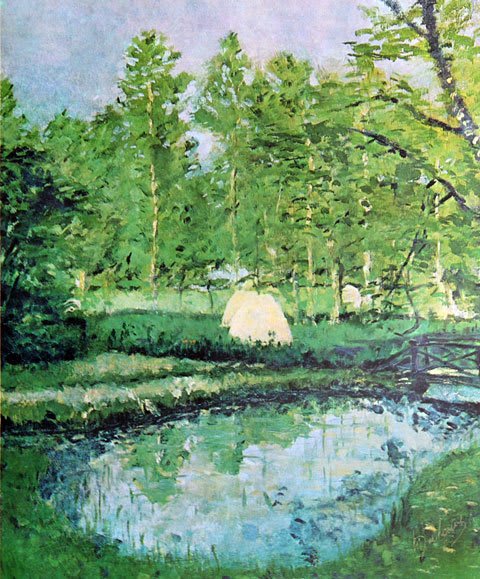
Landscape in Blainville - This is one of his first paintings that depicts his hometown. Painted when the artist was just fifteen years old, it reflected his family's love for Claude Monet.
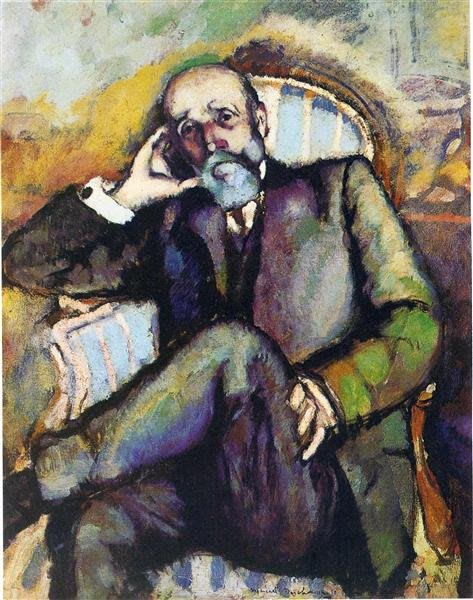
Portrait of the Artist's Father - Duchamp traversed many movements, never adhering to any one style. In this portrait, we see his experience with Fauvism.
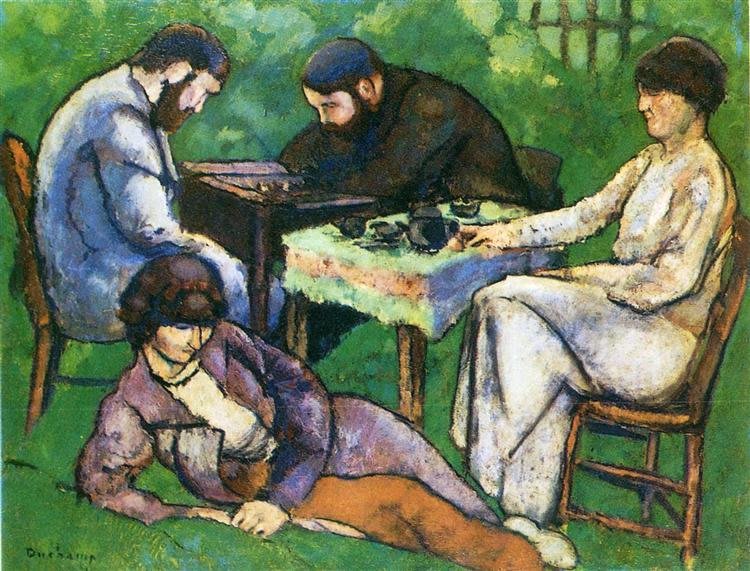
Chess Game - The artist declared: "I am still a victim of chess. It has all the beauty of art and much more. It cannot be commercialized. Chess is much purer than art in its social position"
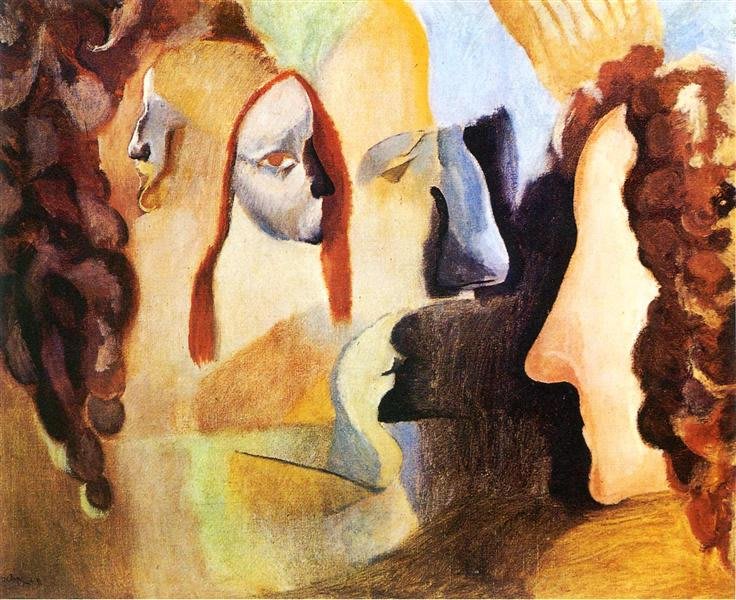
Yvonne and Magdeleine - Duchamp wanted to represent his younger sisters with "floating profiles," emphasizing their Roman noses and characteristic long, curly hair. The different style of the profiles and their placement in the painting remind us of the torn or cut paper pieces used by Pablo Picasso and Georges Braque in their Cubist collages. The artist humorously alludes to the title, suggesting that his sisters were similarly "torn to shreds".
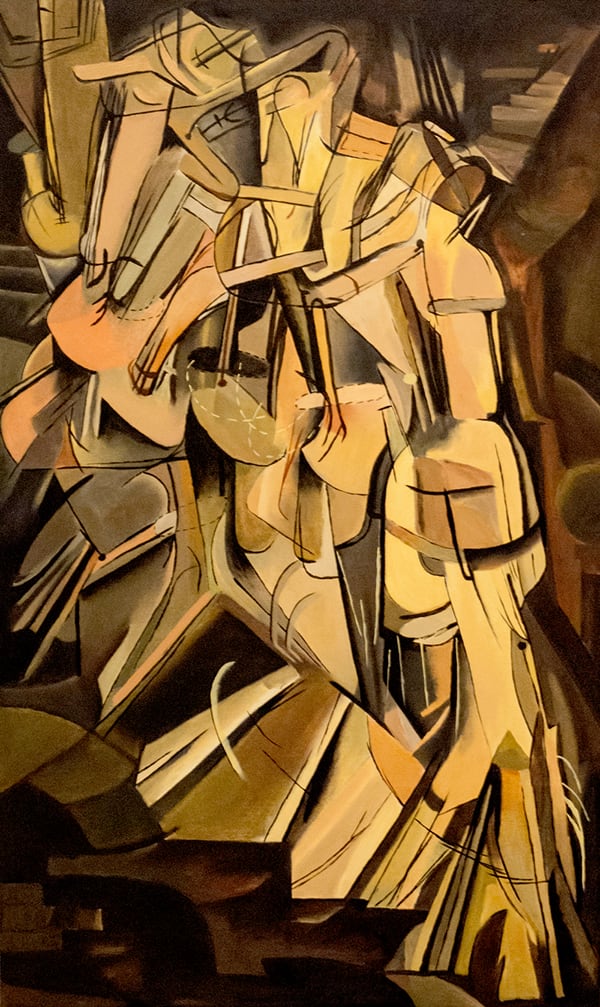
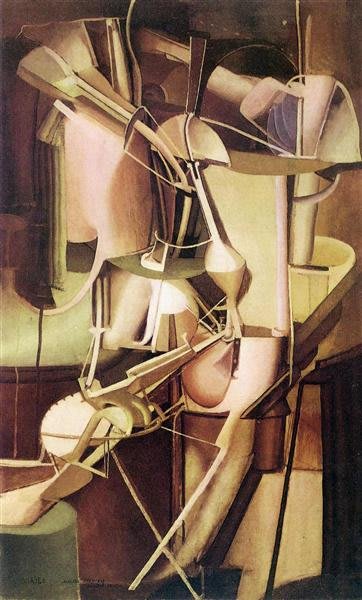
Nude Descending a Staircase - More than a study of the body's movement through space, the work is one of the first figurative exercises in cinematic painting. Along with his painting of the same year, The Passage of the Virgin to the Bride, it marks the end of Duchamp's brief career as a painter. The work initially received an unfavorable response at the Salon of Independents dominated by the Cubist vanguard, which opposed what they considered his Futurist inclinations, but was later exhibited together at the Cubist Art Gallery in Barcelona in the same year and caused a great stir during its exhibition at the Armory Show in New York in 1913.
To understand the rest of this journey, continue to our next article: Marcel Duchamp Biography and Key Works: The Revolution of the Ready-Mades and Étant Donnés.


