
Marcel Duchamp Biography and Major Works: The Genesis of a Genius and First Steps
Marcel Duchamp Biography and Major Works: The Genesis of a Genius and First Steps
Article Index
Marcel Duchamp was a prominent French artist who broke the boundaries between conventional art and everyday objects. His unconventional approach to aesthetics led him to create irreverent works and announce an artistic revolution.
Duchamp is considered one of the main artists who, along with Pablo Picasso and Henri Matisse, innovated art at the beginning of the 20th century.
By challenging the very notion of what art is, his early readymades sent shockwaves throughout the art world that can still be felt today. The artist's ongoing concern with the mechanisms of human desire and sexuality, as well as his fondness for wordplay, aligns his work with the surrealists, although he vehemently refused to affiliate himself with any specific artistic movement.
In his insistence that art should be driven by ideas above all, Duchamp is generally considered the father of conceptual art. His refusal to follow a conventional artistic path, accompanied only by a horror of repetition, explains the relatively small number of works produced in his short career, ultimately leading to his withdrawal from the art world.
BIOGRAPHY
Henri-Robert-Marcel Duchamp was born in the city of Blainville, in France, on July 28, 1887.
Marcel Duchamp, as he came to be known, was raised in Normandy, in a family of artists. His father was the mayor of Blainville and his mother painted landscapes depicting the French interior. The couple had seven children. Marcel spent his time with the family playing chess, reading, painting, and playing music.
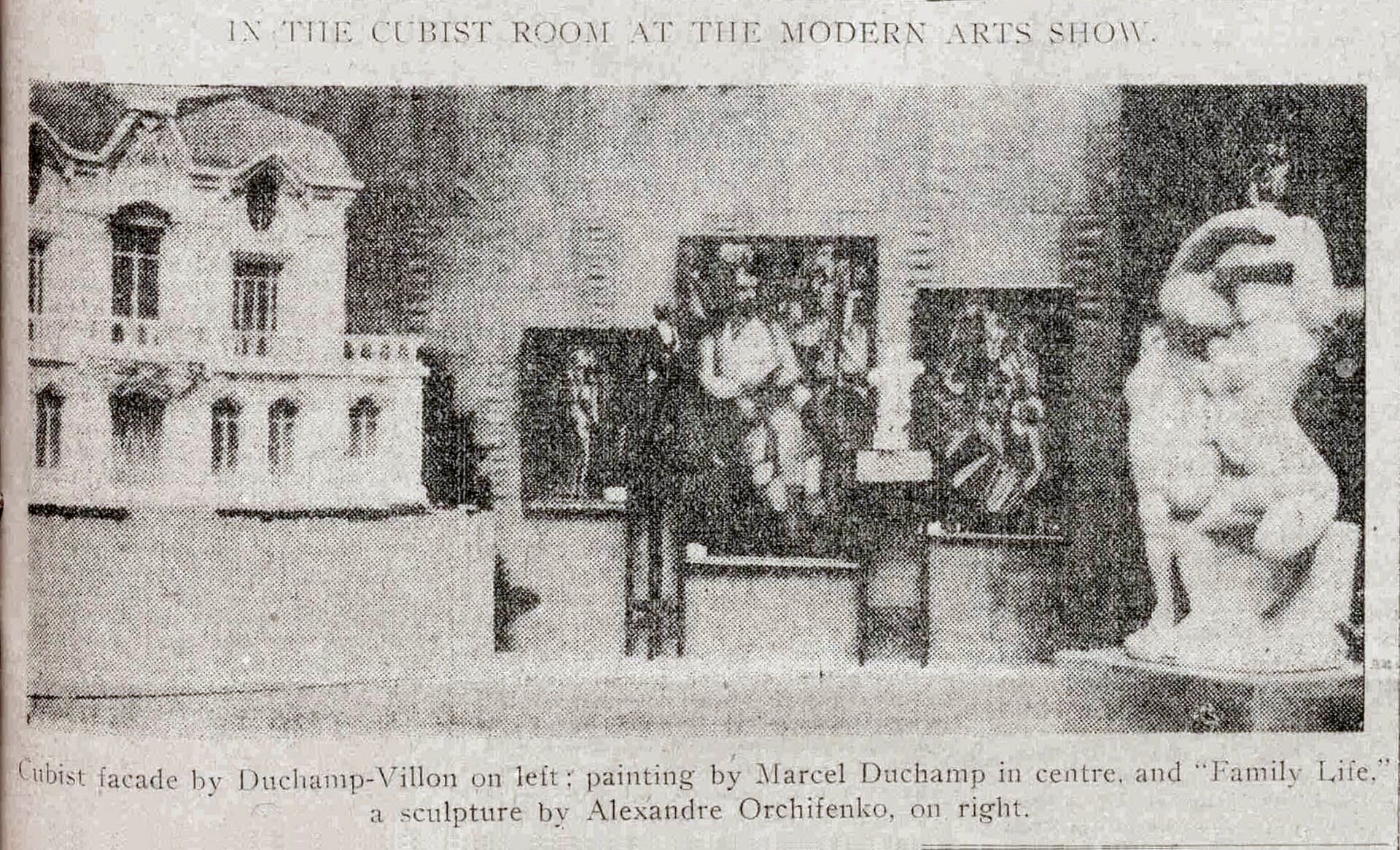
Paris in the early 20th century was the ideal place for the young artist to become familiar with the emergence of modern art. Motivated by this, he studied the new artistic trends and was captivated by approaches to color and structure.
In 1915, the artist emigrated to New York and there conceived and manufactured several readymades. By signing them, Duchamp claimed the discovery of objects, such as a snow shovel, a urinal or a bicycle wheel.
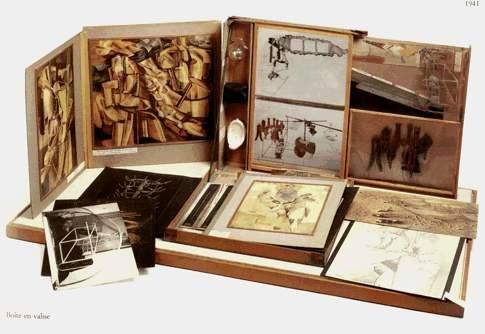
In 1918, he moved to Buenos Aires, where he remained until mid-year. When surrealism became popular in France, Duchamp traveled between New York and Paris, participating in printed textual projects, sculptural installations, and collaborations in all media with the surrealists.
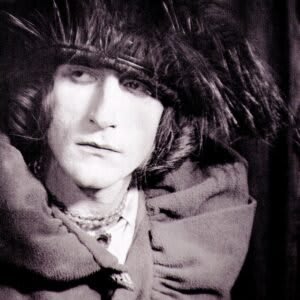
From 1920 onwards, the artist adopted an alternative female persona, presenting himself as Rrose Selavy. This was created to explore the ideas of sexual identity fully.
In 1923, he returned to Paris and from that period, he gradually refined his artistic production and for ten years dealt almost exclusively with chess, reaching high levels.
Marcel Duchamp also experimented with film, acting alongside Man Ray in Entr'acte, of 1924 (opening the window), which can be seen playing chess between them on a Parisian rooftop.
We owe Marcel Duchamp this desire to renew the materials used to create, but also the aesthetic question in Art that will give rise to the Conceptual Art.
Over time, the artist withdrew from the larger art world and remained with a small group of artists, including Man Ray, who photographed him many times throughout his life.
To understand the rest of this journey, continue to our next article: Marcel Duchamp Biography and Major Works: Legacy, Death, and the Essence of Art.


