René Magritte: Biography and Works: In-Depth Analysis of Mature Works and Artistic Legacy
Delve into the masterpieces of René Magritte, discover his unique philosophy and the lasting impact of his art on the surrealist movement and beyond.
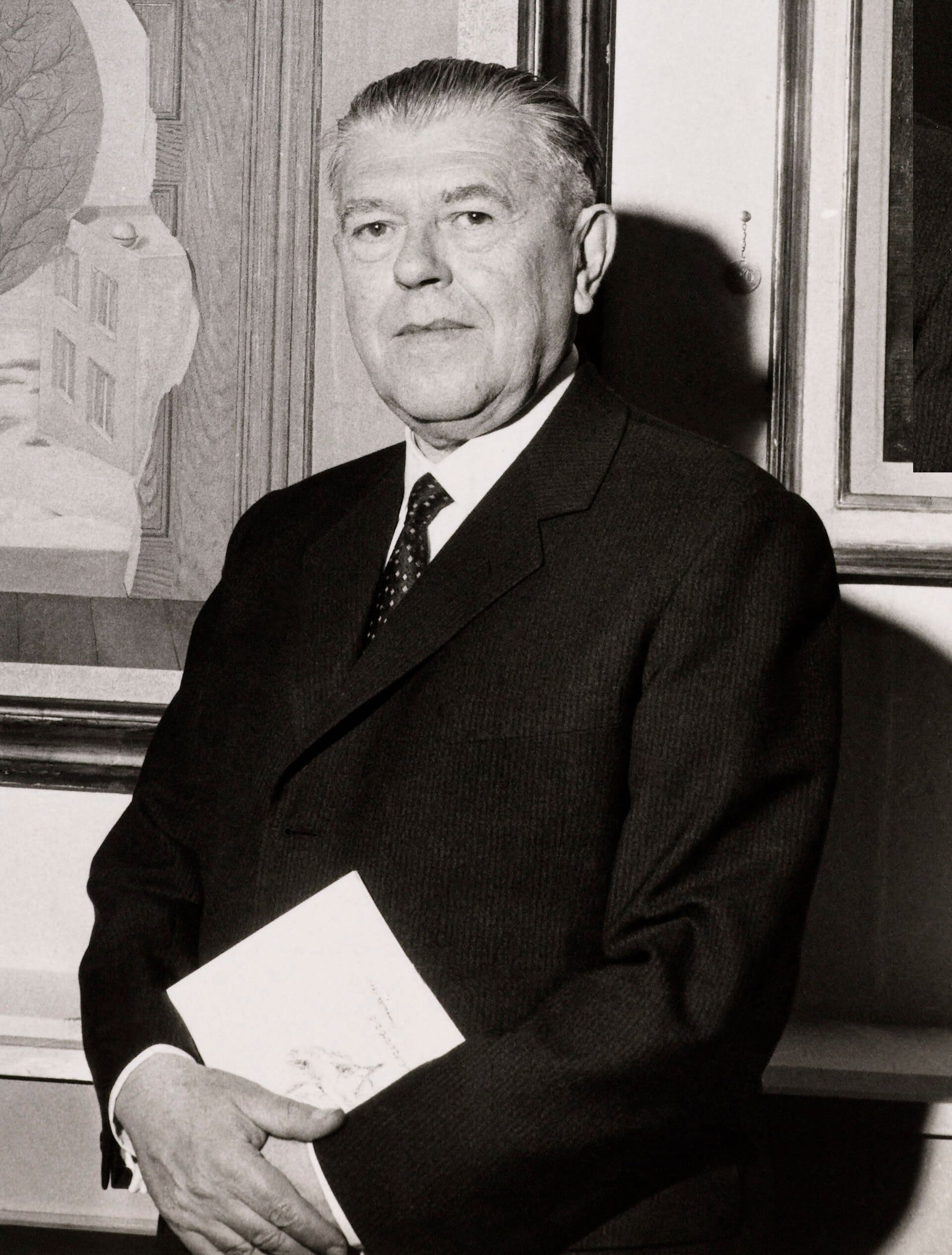
René Magritte was one of the leading figures of the surrealist movement in art.
He was born on November 21, 1898, in Lessines, Belgium, and died on August 15, 1967, in Évian-les-Bains, France.
Magritte’s unique focus on visual perspective often invites comparisons with the technical mastery of earlier artistic traditions. Biography of Johannes Vermeer: In-Depth Analysis of Masterpieces
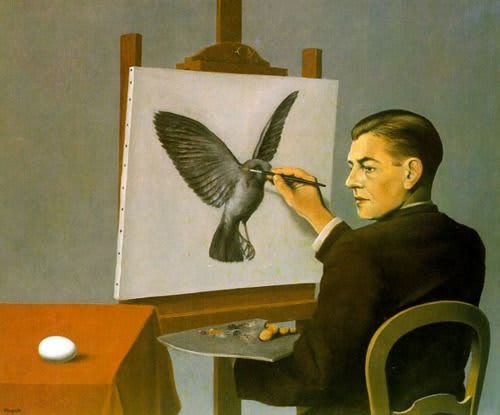
Clarividência - This is a self-portrait of the artist that he challenges the limits of vision.
Surprisingly, he spent more than 4 years working in almost suffocating conditions.
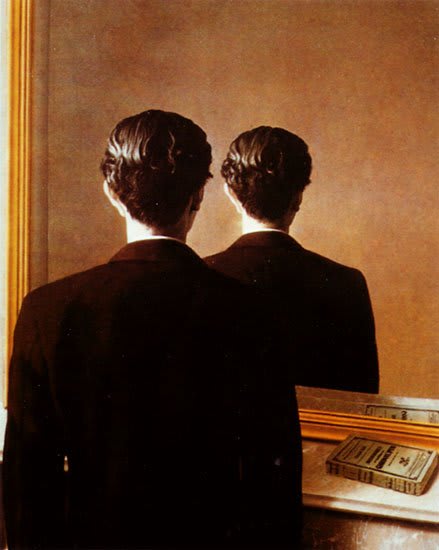
Not to be Reproduced - This is a portrait of Edward James poet and patron of Magritte. This painting was one of the three produced by the surrealist for the ballroom of James' house in London.
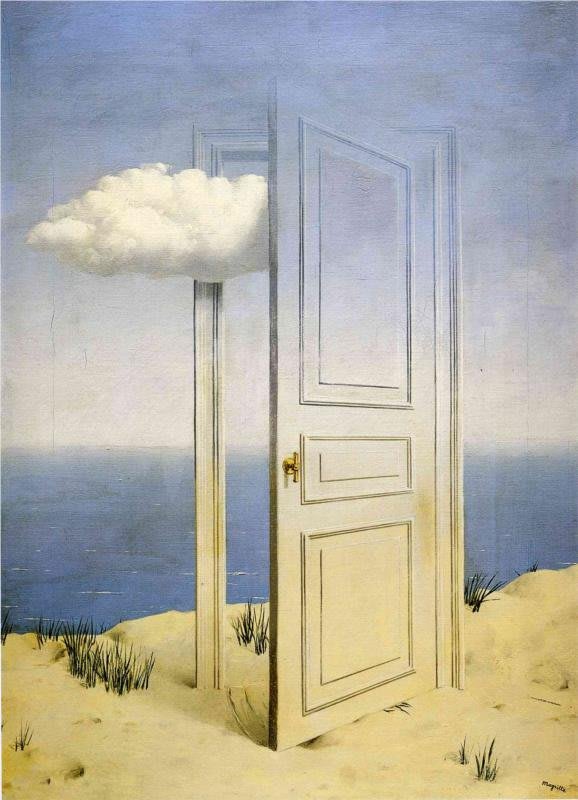
The Victory - Magritte evoked the strangeness and ambiguity latent in reality.
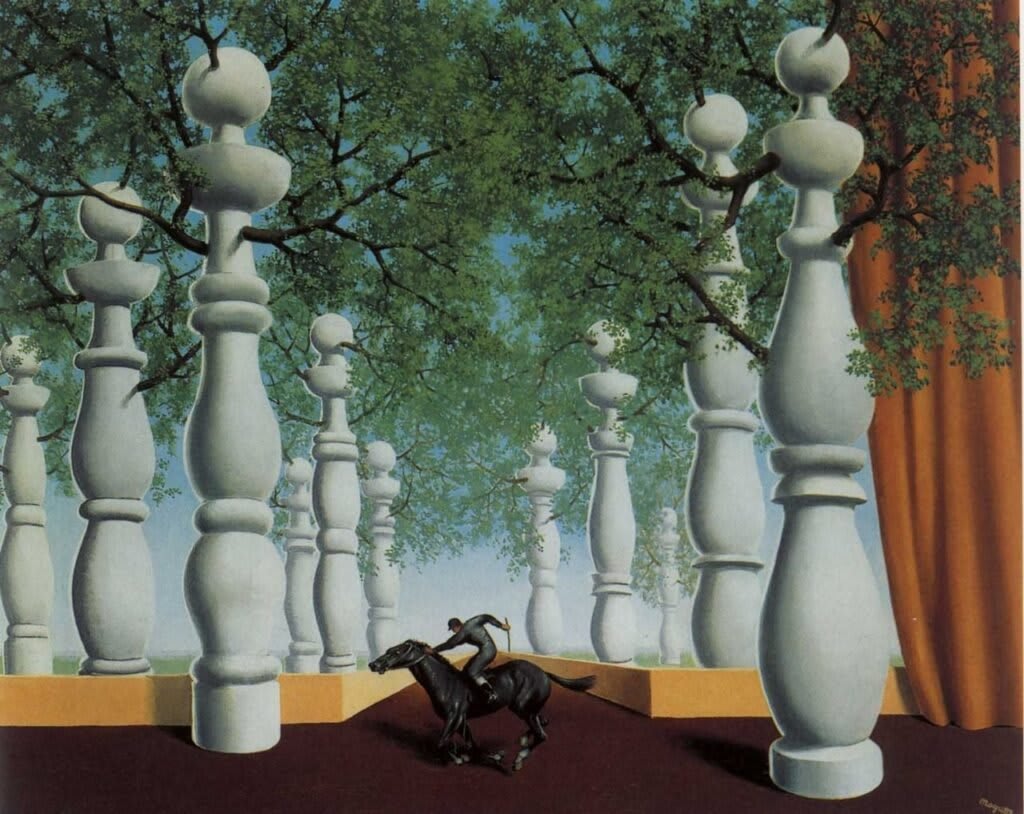
The Lost Jockey - After WWII, Magritte finalized his break with the surrealism of André Breton, when he went through a period of experimentation during which he created loud and provocative paintings that followed before returning to his style.
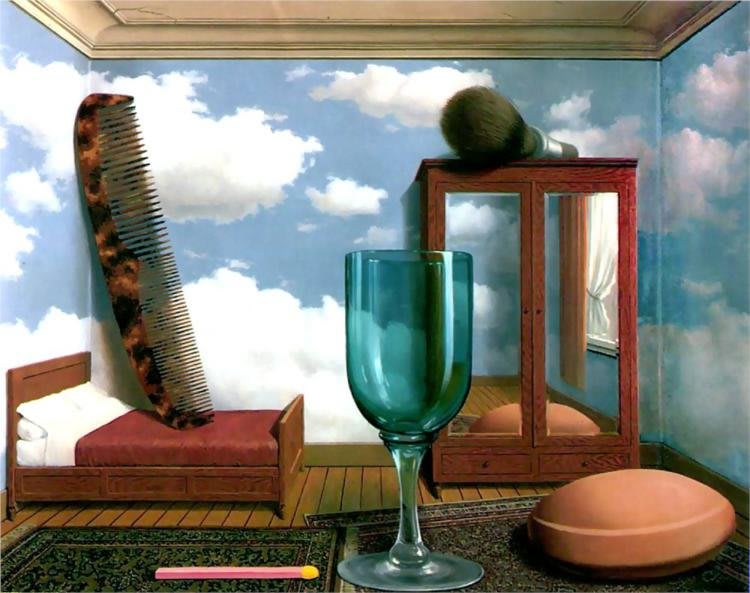
Personal Values - In this painting, Magritte presents a room full of familiar things, but he gives human proportions to these previously unassuming objects of everyday life.
Golconda - The poet Louis Scutenaire, a friend of Magritte, often helped him find names for his paintings.
The surrealist movement's departure from reality is part of a long history of European artists redefining their creative boundaries. Antoine Watteau and the Rococo
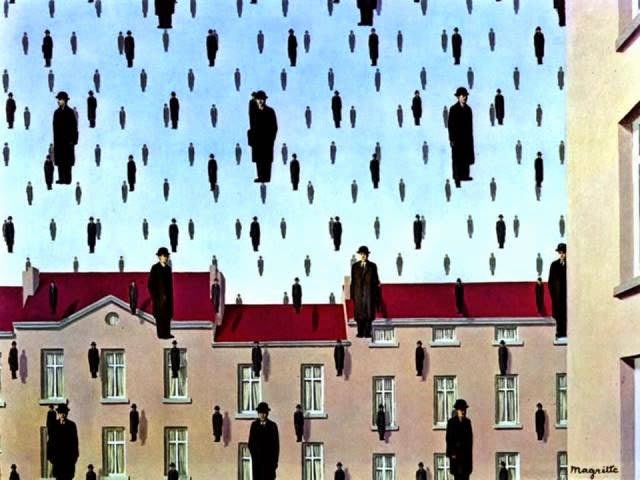
The repetition is also a key part of Magritte's most recurring iconography, the man with the bowler hat.
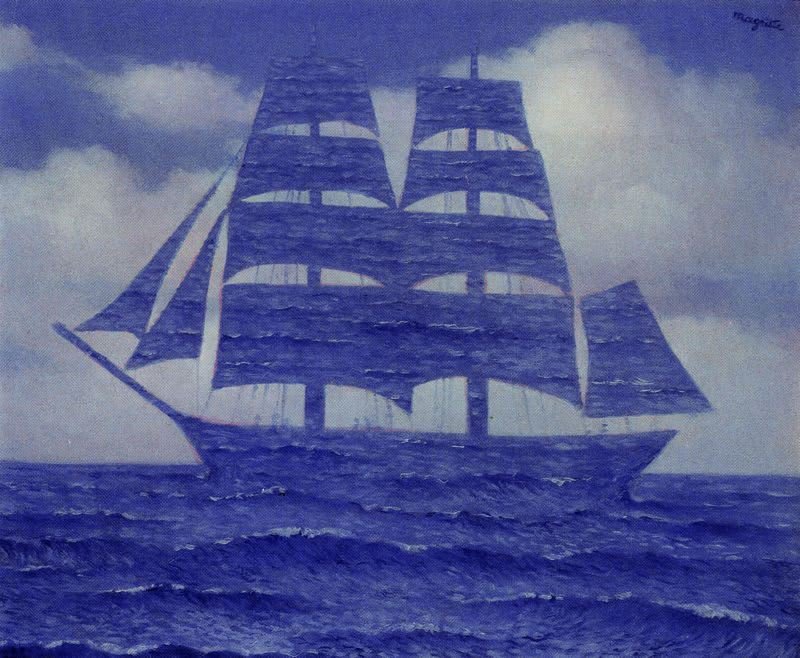
The Seductor - The painting presents a ship that seems to float alone in an ideal sea, surrounded by one of Magritte's favorite motifs, the clouds.
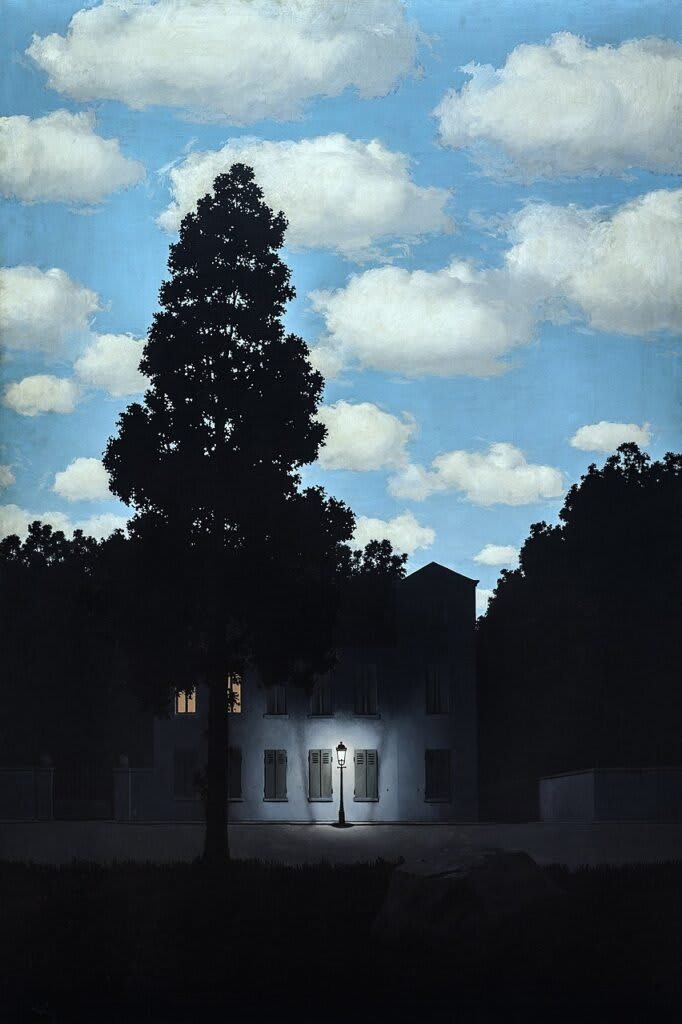
The Empire of Light - In this painting, we can see that the twilight has fallen on the lower half of the image, with a peaceful shining post.
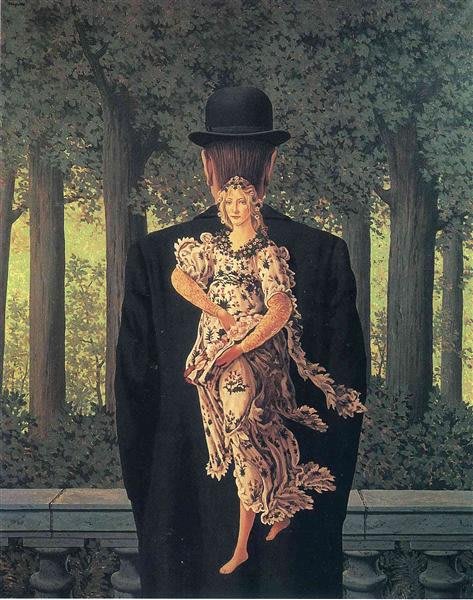
The Prepared Bouquet - The central idea that permeates the work of René Magritte was that the painting should be poetry and that the poetry should evoke mystery.
Examining the poetic mystery within art provides a deeper understanding of how masterpieces from various eras captivate the viewer. The Anatomy Lesson of Dr. Tulp by Rembrandt
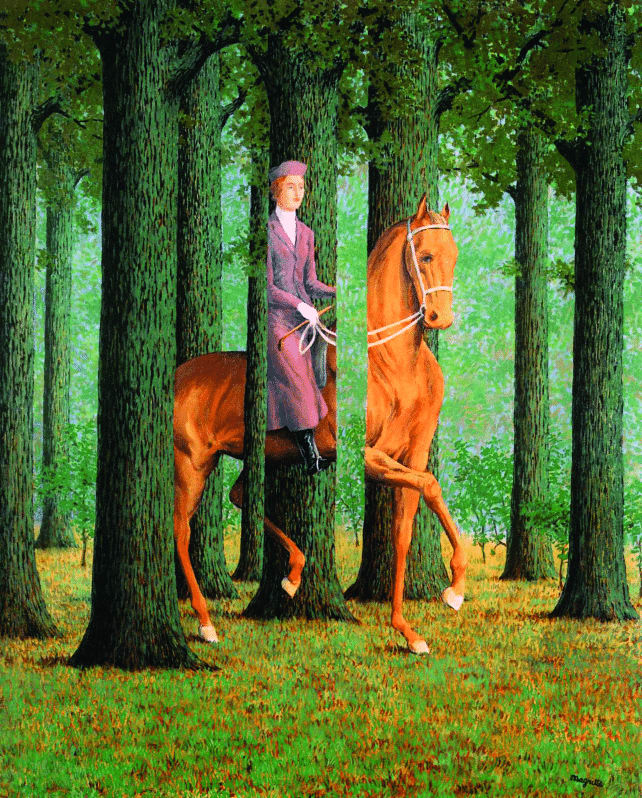
The Blank Signature - In this painting, the horse is cut by a piece of grass from the background and one of the tree trunks is in front of the horse, but its base is behind.
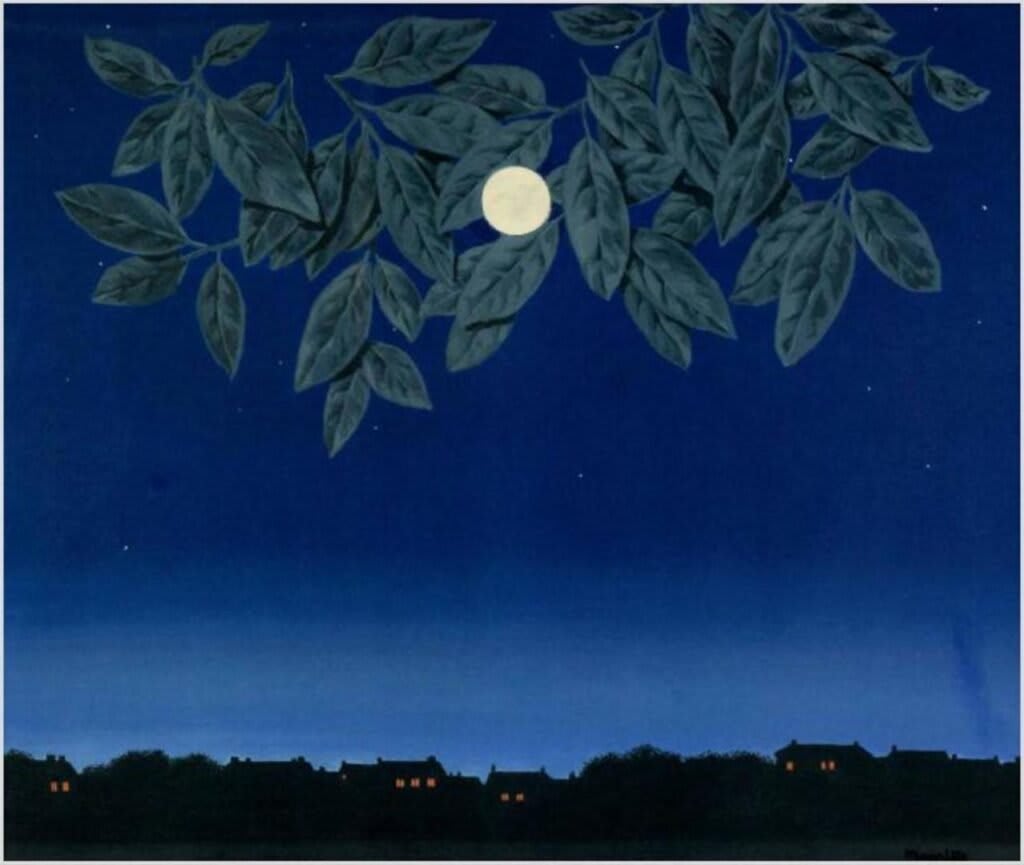
"If we were to see the leaves behind the moon, it would be extraordinary, life would finally be meaningful". (René Magritte)