
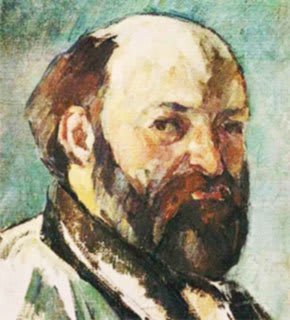
Self-Portraits - Paul Cézanne
Explore the fascinating world of Paul Cézanne's self-portraits, a journey through the artist's mind and soul.
We invite you to delve into the self-portraits of Paul Cézanne, one of the most influential artists in the history of art.
Cézanne's self-portraits are captivating not only for his exceptional technique but also for the way he explored self-representation throughout his career.
By studying Cézanne's self-portraits, you will embark on a journey through the artist's mind and soul, uncovering his insecurities, questions, and relentless pursuit of artistic perfection.
The modernist movements owe a great debt to post-impressionism, particularly the work of Paul Cézanne, a painter considered the precursor to cubism by Pablo Picasso.
He was obstinate in creating an art with its own life, "concretizing" his personal impressions and "realizing the motive", creating a style completely different from his contemporaries, such as impressionists, Monet, and Renoir.
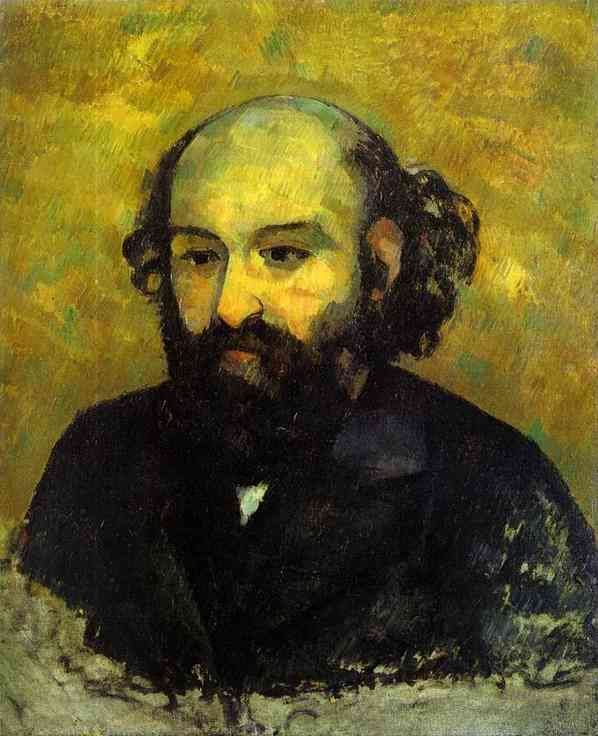
Surprisingly, he took over 4 years to work in almost suffocating conditions.
The discipline of silence and isolation practiced by Cézanne is evident in all his self-portraits.
This one reveals extraordinary energy and a clear tendency towards abstraction and simplification.
The colors are intense, the lines of the face are almost straight, harmonizing with the background. In almost all of his self-portraits, the figure appears impatient, with a firm face, suspicious, and a look of amazement.
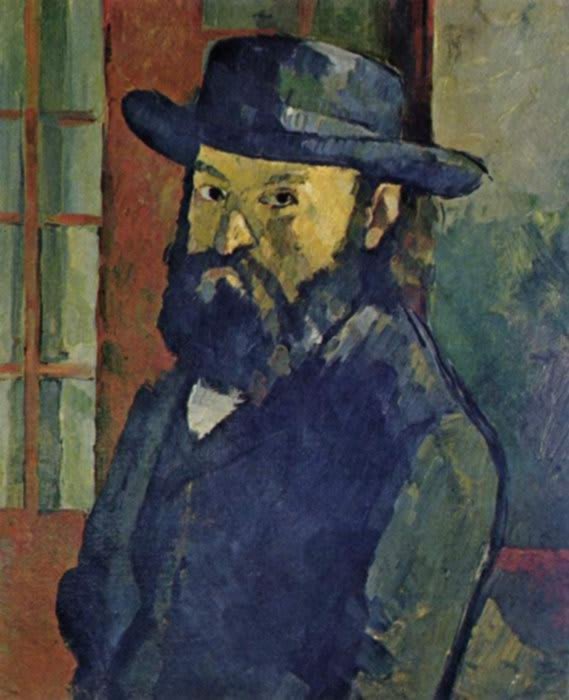
Self-Portrait with Hat. 1879-82. Kunstmuseum (Bern - Switzerland) Kunstmseum (Bern - Switzerland)
Cézanne's self-portraits reflect the passage of time in the artist's life, where he appears sometimes with a full beard and bright eyes, and sometimes with a gray beard and lost look.
It's as if they express the physical and psychological effect of his struggle to accurately reproduce his vision of the world.
"It's all here," he once said, tapping his temples.
And through the change in his appearance, you can see that he thought painting was a very difficult companion.
In one of his self-portraits, Cézanne appears doing what he loved most: painting.
Even in them, the artist leaves his changing concepts about art visible.
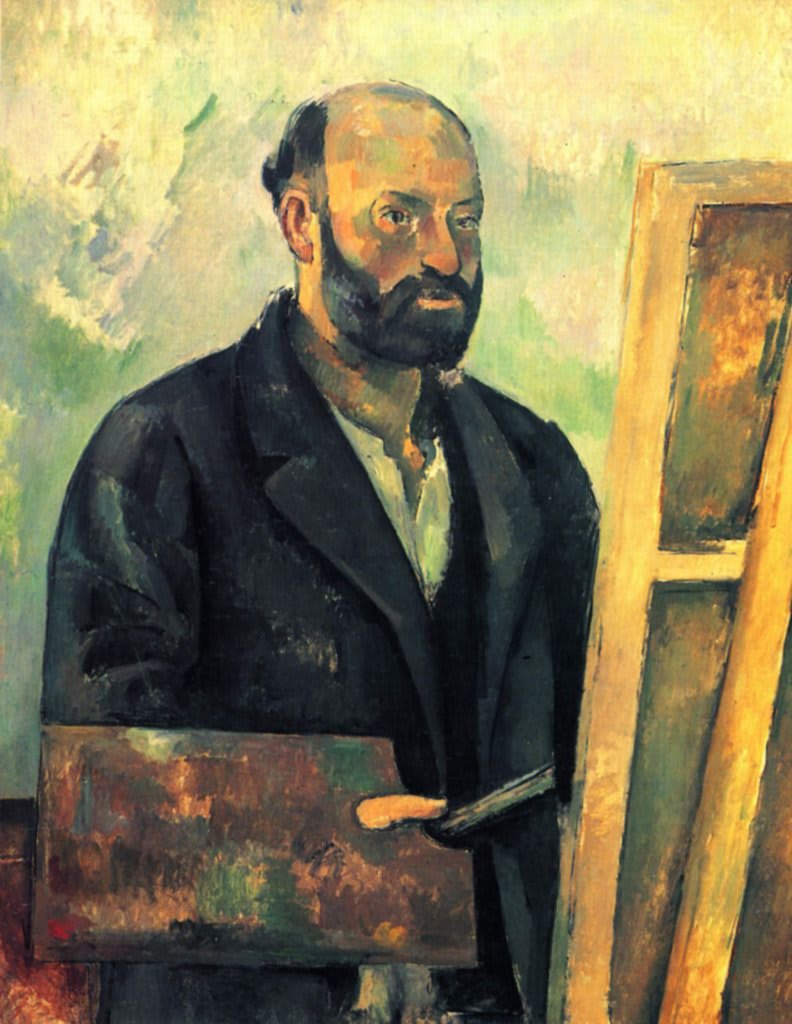
Self-Portrait. Paul Cézanne. 1890
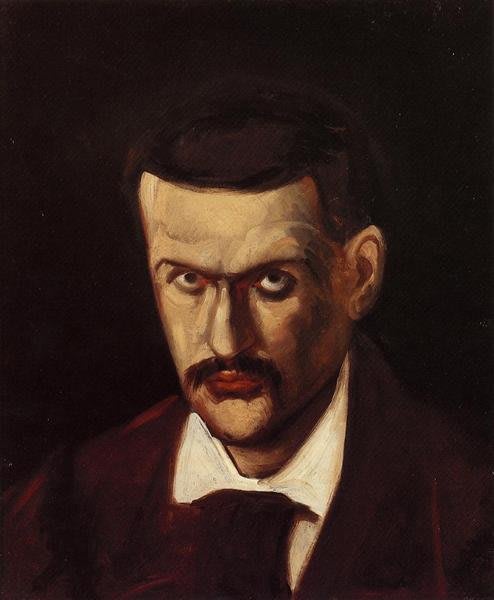
Self-Portrait. Paul Cézanne. 1864
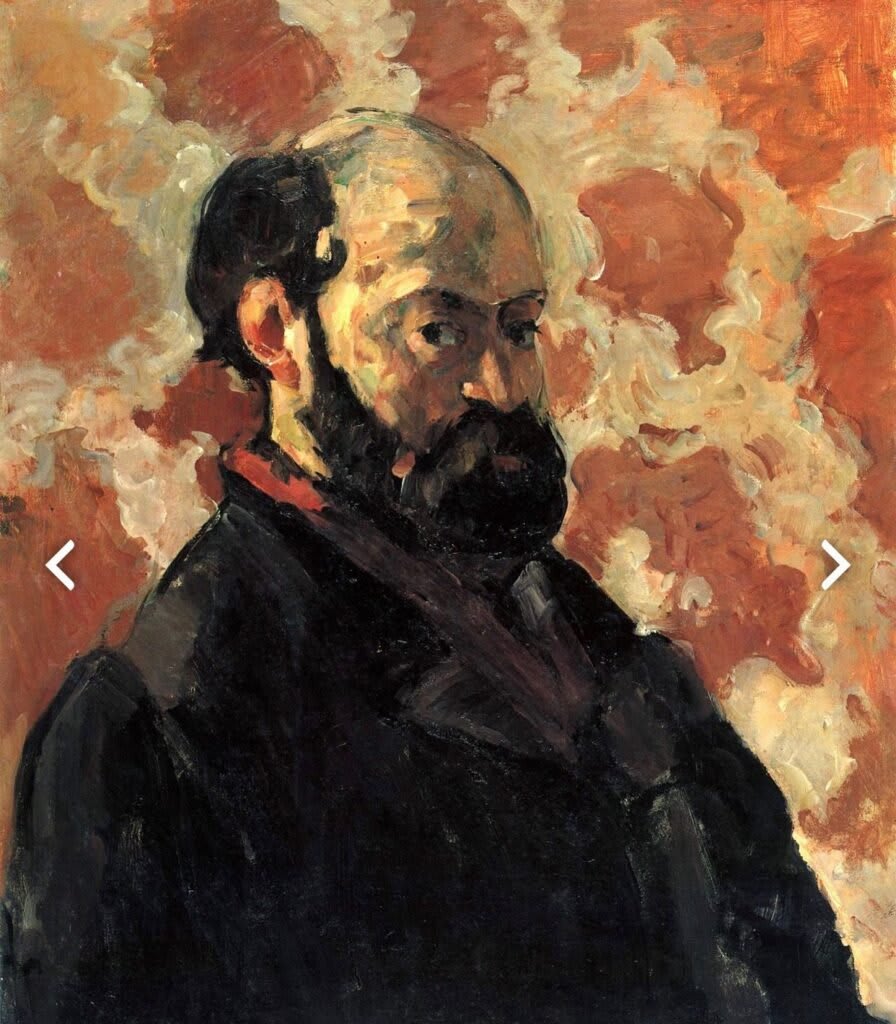
Self-Portrait with Pink Background. Paul Cézanne. 1875
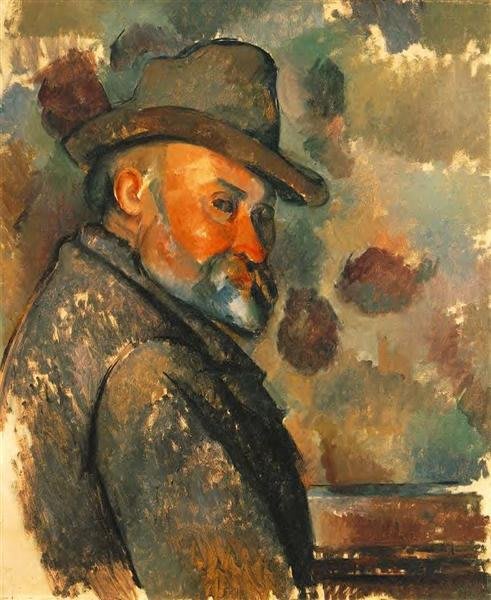
Self-Portrait. Paul Cézanne. 1894
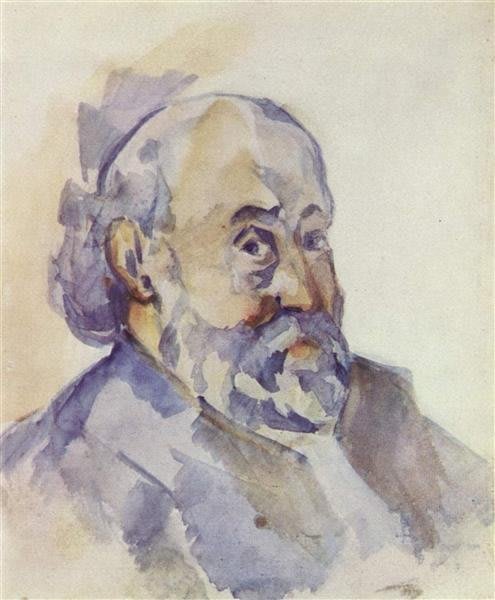
Self-Portrait in Watercolor. Paul Cézanne. 1896


