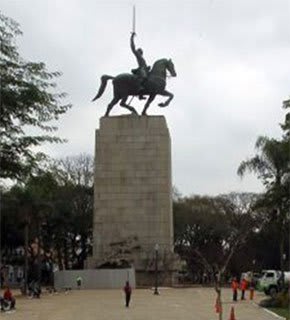
Victor Brecheret's Monument to the Duke of Caxias
Discover the iconic sculpture of the Duke of Caxias by Victor Brecheret, a masterpiece of Brazilian art.
Article Index
We invite you to explore the Monument to the Duke of Caxias by Victor Brecheret, one of the most iconic sculptures in Brazilian art.
Located in Rio de Janeiro, this monument was inaugurated in 1963 in honor of the patron of the Brazilian Army, Luís Alves de Lima e Silva, the Duke of Caxias.
The work depicts the Duke of Caxias riding his horse, in a majestic and imposing pose.
Brecheret successfully captured not only the historical figure but also conveyed a sense of grandeur and respect for the honored character.
The Monument to the Duke of Caxias is one of Brecheret's most important works and represents a milestone in Brazilian public sculpture.
Upon contemplating this sculpture, we are invited to reflect on the history and importance of the Duke of Caxias for Brazil, as well as appreciate the skill and artistic sensitivity of Victor Brecheret.
Location and Inauguration
Located in Princess Isabel Square, in São Paulo, the Monument to the Duke of Caxias is one of the largest monuments in Brazil.
Inaugurated in 1960, five years after the death of its creator, Victor Brecheret.
The Duke of Caxias
Luís Alves de Lima e Silva is one of the great heroes of Brazilian history and patron of the Brazilian Army, or as he is better known, Duke of Caxias, an important figure on the national scene.
He was the only Brazilian to be named duke during the reign of Dom Pedro II. As there was no monument dedicated to Caxias in São Paulo, in 1941, an international sculpture competition was launched, and a commission was formed to choose the best work.
Artists such as Galileo Emendabili, Victor Brecheret, Humberto Cozzo, and Rafael Galvez, participated in the competition.
In December 1941, when the commission met to choose the winner, it was elected our great sculptor Victor Brecheret.
Not only did he have his work built, but he also received a good cash prize.
ABOUT THE MONUMENT:-
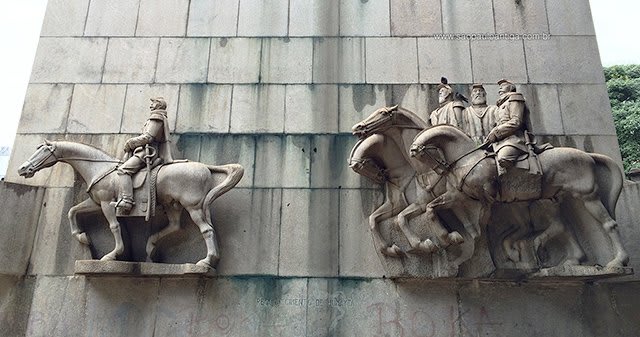
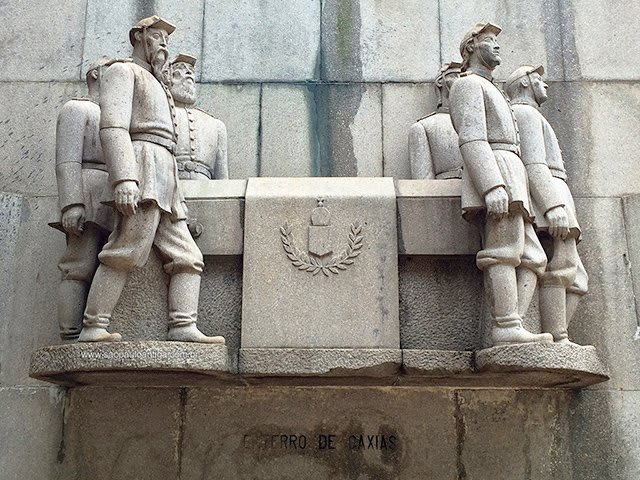
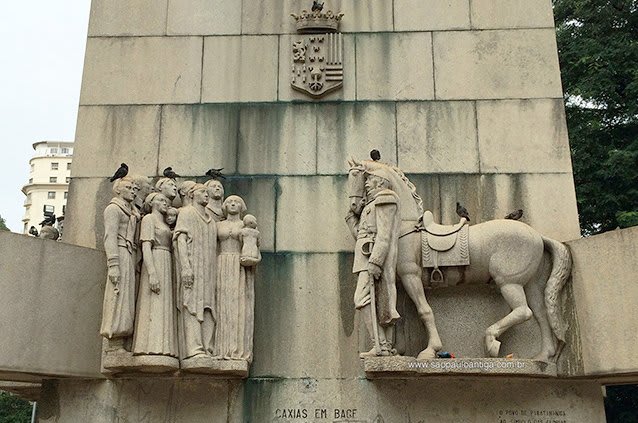
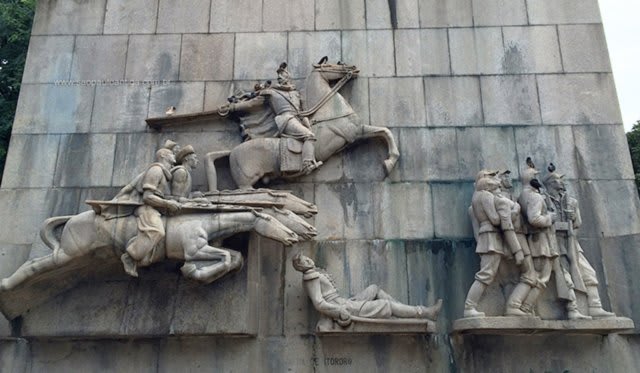
In addition to the bronze structure of the Duke of Caxias riding his horse, the monument's base also features sculptures depicting scenes from the military's trajectory.
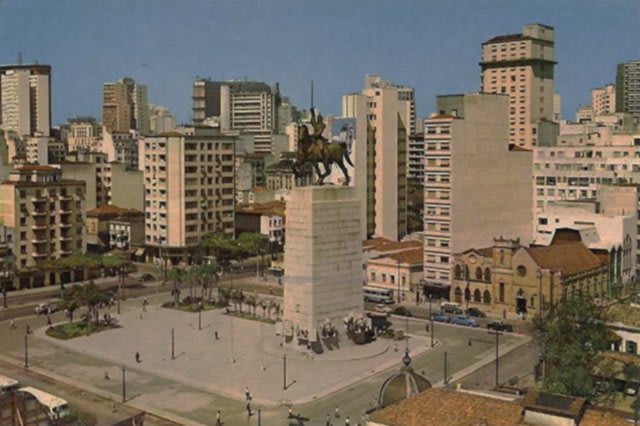
ABOUT THE MONUMENT:-
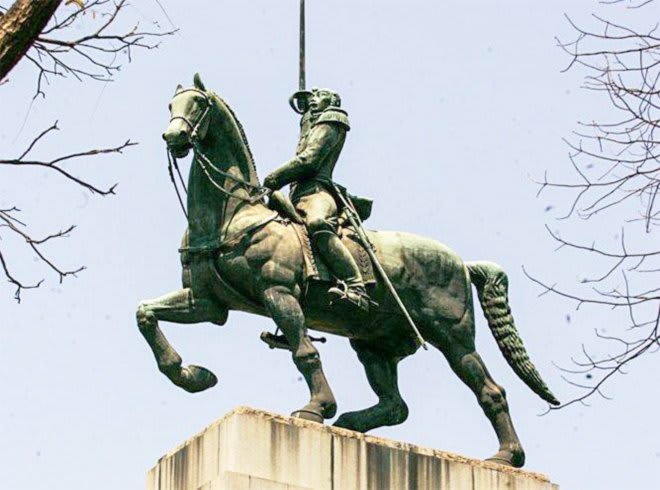
The low reliefs have the following themes: Pacification, Caxias speaking to the people of Bagé, Recognition of Humaitá, Battle of Itororó, and Burial of Caxias.
Follow the details with all the themes of the grand work: