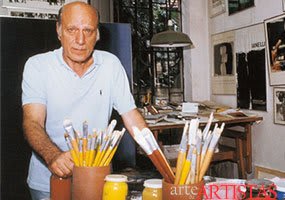
Arcangelo Ianelli
Arcangelo Ianelli was a renowned Brazilian plastic artist, considered one of the main representatives of geometric abstraction in the country.
Arcangelo Ianelli was a renowned Brazilian plastic artist, considered one of the main representatives of geometric abstraction in the country. He was a painter, sculptor, illustrator, and draftsman. Born on June 22, 1922, in São Paulo, Brazil.
Ianelli began his artistic career as self-taught, but in the early 1940s, he decided to join the Paulista Association of Fine Arts to learn and gain notions of perspective.
In 1944, he started attending the atelier of artist Waldemar da Costa, where he came into contact with other artists such as Maria Leontina and Hermelindo Fiaminghi.
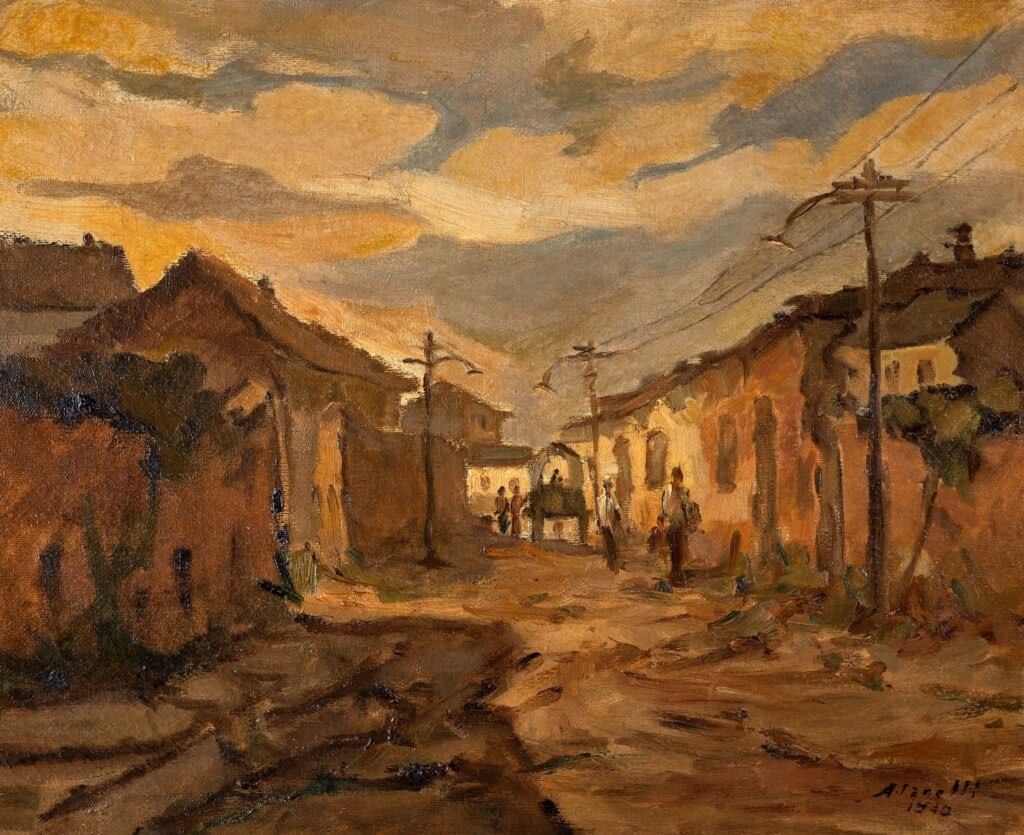
He initiated his artistic production in the 1950s, a period during which his work went through a figurative phase.
During this period, he became part of the Guanabara Group along with Manabu Mabe, Tomoo Handa, among others.
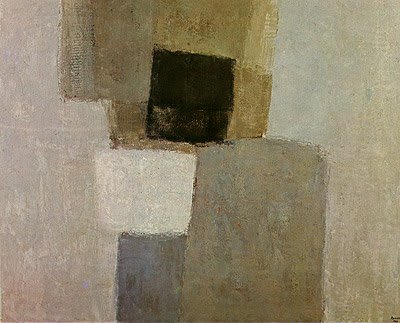
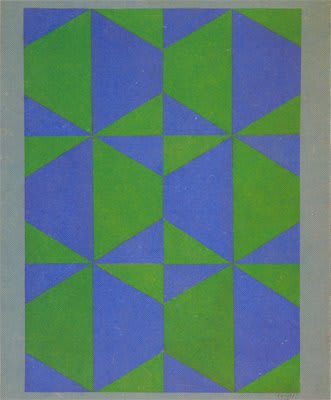
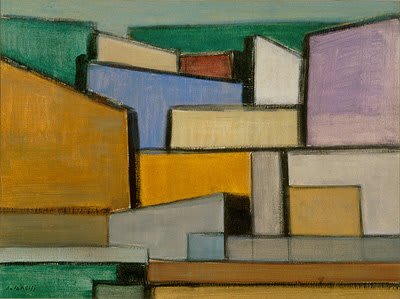
In the 1960s, the artist approached abstraction and developed his characteristic style, marked by geometric forms, vibrant colors, and balanced compositions.
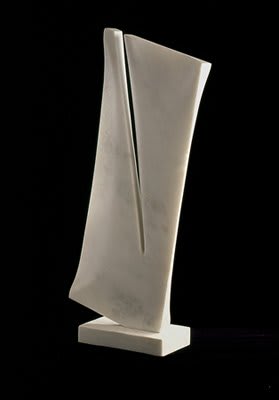
The artist's talent was not limited to canvases. From the 1970s onwards, Ianelli dedicated himself to sculptures using marble and wood to create his works.
His paintings continued to be focused on geometric abstraction, but the forms became overlapped, referring to the concretist movement.
Throughout his artistic career, he held numerous individual exhibitions and participated in important collective shows, both in Brazil and abroad.
His works are present in the collections of museums and private collections around the world.
Arcangelo Ianelli is considered one of the great names of Brazilian contemporary art, and his artistic legacy is valued for his contribution to the development of geometric abstraction in Brazil.
His work is recognized for its harmony of forms and colors, expressiveness of compositions, and the relentless search for creating an art that transcends material reality.
He passed away at 86 years old, on May 26, 2009, in his hometown, São Paulo.
GALLERY - FROM FIGURATIVE TO ABSTRACT
But history holds a strange detail: Ianelli was one of the first artists to experiment with geometric abstraction in Brazil.
He was one of the main representatives of geometric abstraction in the country and his work is recognized for its harmony of forms and colors.

From the 1970s onwards, Ianelli dedicated himself to sculptures using marble and wood to create his works.