
Auguste Rodin: The Immortal Works, Analysis and Legacy (Chapter 3/3)
Auguste Rodin: The Immortal Works, Analysis and Legacy (Chapter 3/3)
The genius dedicated his soul to painting the ceiling of the most famous chapel in the world.
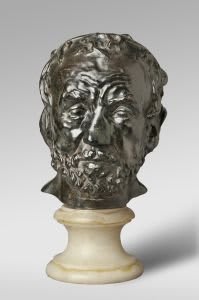
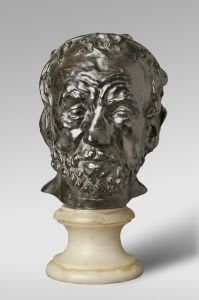
BROKEN NOSE MASK - Rodin used classical notions of beauty for this work, and relied on the face of a local worker.
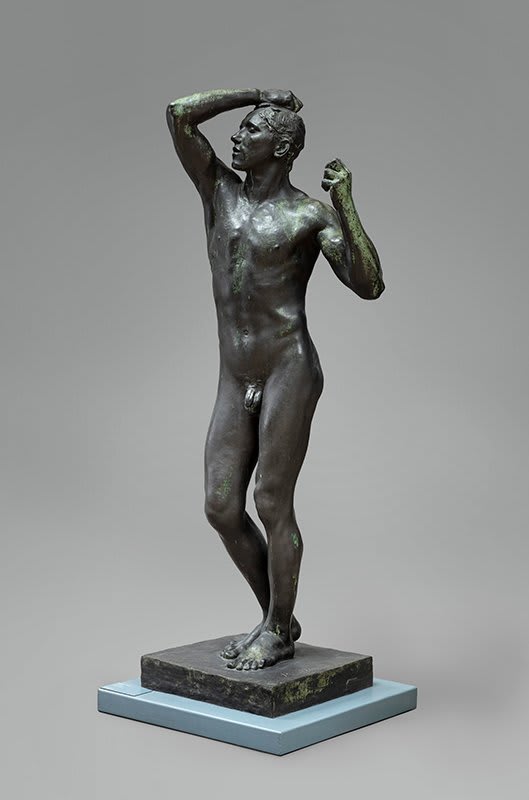
THE AGE OF BRONZE - This is a sculpture of a nude man squeezing his fists, with his right hand on his head. A representation of suffering in the midst of hope for the future.
The focus on raw human emotion and physical tension was a hallmark shared by other influential figures in art history. Biography of El Greco: The Greek Origins and Journey to European Renaissance
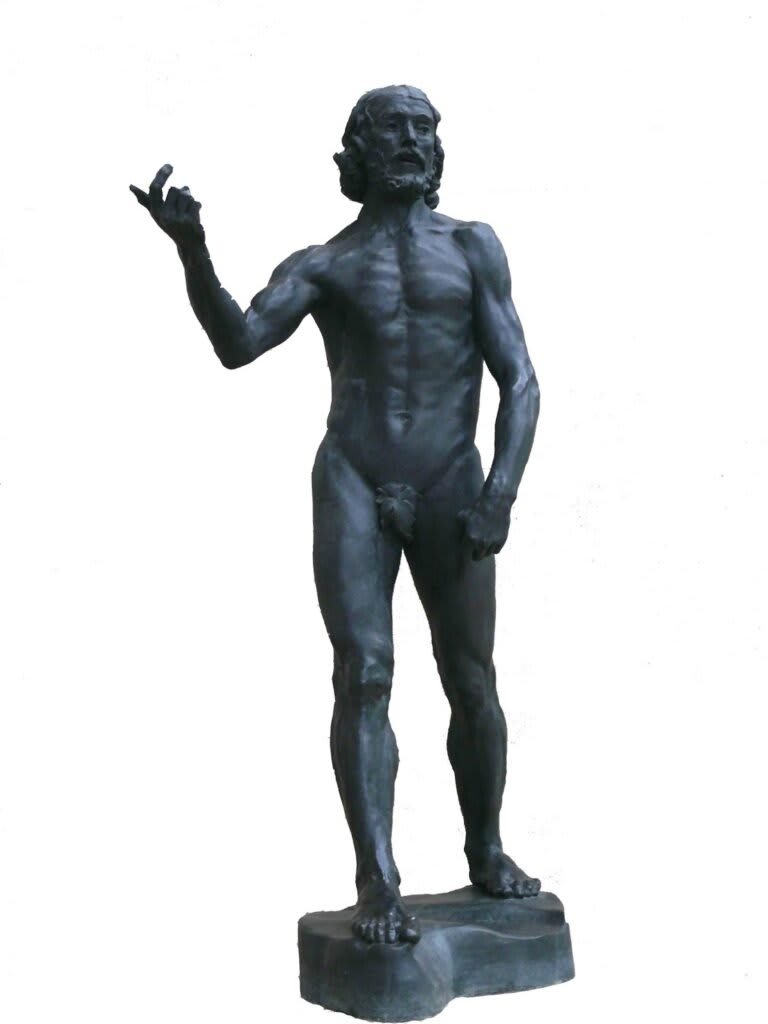
SAINT JOHN THE BAPTIST - The man of the desert, rough, thorny, ascetic, a trembling face of nerves, bones and muscles, the precursor of the Rodin world, as tortured and ardent as his own creator. Exposed in the 1880 salon and had a great success. Finally, Rodin was recognized as a great sculptor. At forty years old, when other artists had already gone their best, Rodin was starting his career.
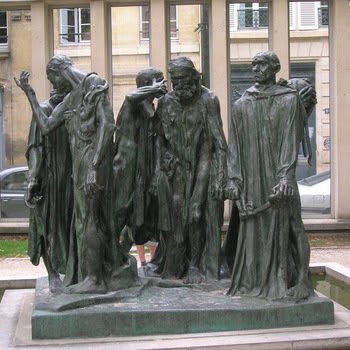
THE BURGUESES OF CALAIS - The work, which includes six human statues, depicts a war story in which six French citizens of Calais were ordered by King Edward III of England to leave their homes and surrender - barefoot and with their heads uncovered, wearing ropes around their necks and holding the keys to the city and the castle in their hands - to the king, who should then order their execution. 'The Burgesses of Calais' is a portrait of the moment when the citizens left the city; the group was later spared from death due to the request of Queen Philippa.
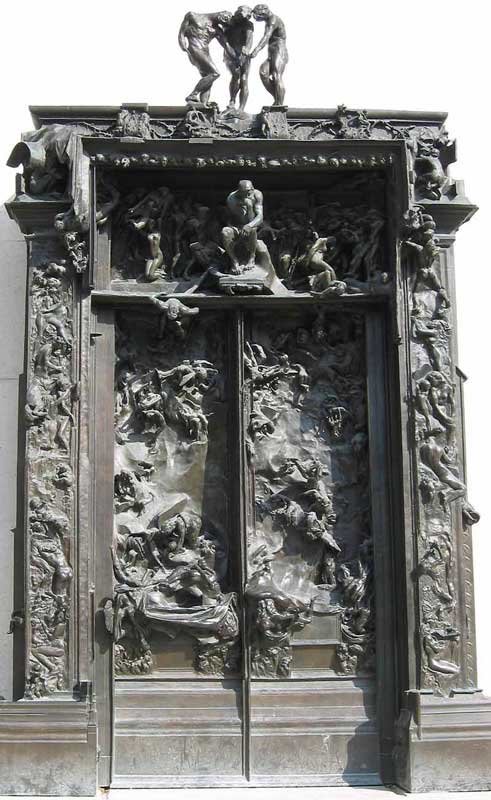
THE GATES OF HELL - A constant reader of the Divine Comedy, which he always carried with him, Rodin creates this monument consisting of several sculpted figures, including the iconic "The Thinker", his peculiar vision of Dante - who meditates, dark in front of the horror of life.
While Rodin captured the human soul in bronze, other masters of his era were reshaping the world with revolutionary architecture. Antoni Gaudí: Biography and Work: The Masterpieces that Shaped Barcelona and the World
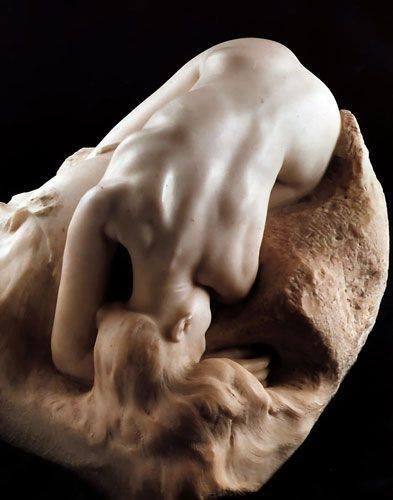
DANAE - The mythological story of Danae is often described in art. With this image, Rodin does not enter so much into the story of the myth, but he created mainly a feminine landscape pointing to the curve of the back and the neck. He shows his desperation; exhausted, she rests her head on her arm, 'like a huge sob',. A beautiful flowing image also called 'Spring'.
The transition from mythological themes to expressive realism is a journey found in the lives of many great painters and sculptors. Albrecht Dürer: Biography and Major Works
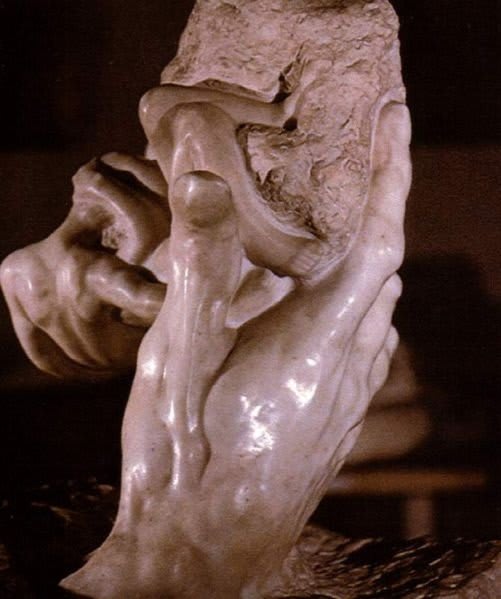
THE HAND OF GOD - Rodin presents the incipient figures of Adam and Eve protected in the hand of God. The composition is a tribute to his revered 'master' Michelangelo, the Renaissance artist whose unfinished figures materializing in raw stone symbolize the artistic creation process. In this work, Rodin courageously equates the generative hand of God with the ingenious hand of the sculptor.


