Djanira da Motta e Silva - Biography and Works
Discover the life and art of Djanira da Motta e Silva, a renowned Brazilian painter.
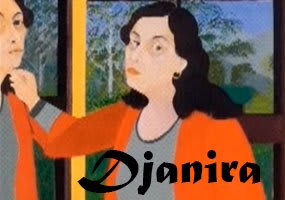
Djanira da Motta e Silva was a prominent Brazilian painter, born in Avaré, São Paulo, in 1914, and passed away in 1979.
A self-taught artist, her work is characterized by a unique style and strong artistic expression.
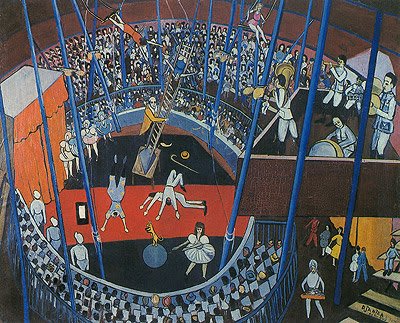
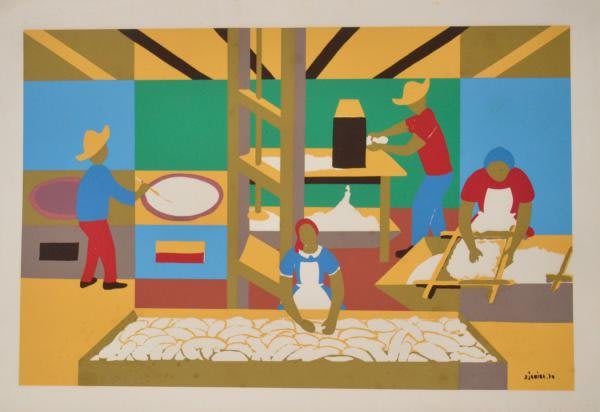
Djanira primarily depicted themes related to Brazilian culture and people, such as folk festivals, everyday scenes, rural workers, and interior landscapes.
Her work is recognized for its intense colors, simple forms, and the way she captured the essence and soul of deep Brazil.
Djanira is considered one of the most important Brazilian artists of the 20th century, and her contribution to national art is widely celebrated and admired.
Djanira da Motta e Silva or simply 'Djanira', is an important artist who belongs to the modernist movement in Brazil.
Djanira's work features a predominantly Brazilian theme.
Her trajectory allows us to understand the condensation of elements presented in her drawings, paintings, and prints.
Djanira was born on June 20, 1914, in the city of Avaré, located in the state of São Paulo, Brazil.
Daughter of a very humble family, her parents were descendants of Austrians and indigenous Brazilians.
In the 1930s, she married Bartolomeu Gomes Pereira, a machinist of the Navy.
Her marriage would last only a few years, as he died during the Second World War.
Before becoming an artist, she worked on a coffee plantation, then as a street vendor in São Paulo, and also managed a boarding house in Rio de Janeiro, which was a temporary home for immigrant artists and writers, who inspired her to pursue an artistic career.
During this period, she received lessons from one of the guests, the famous painter Milton Dacosta.
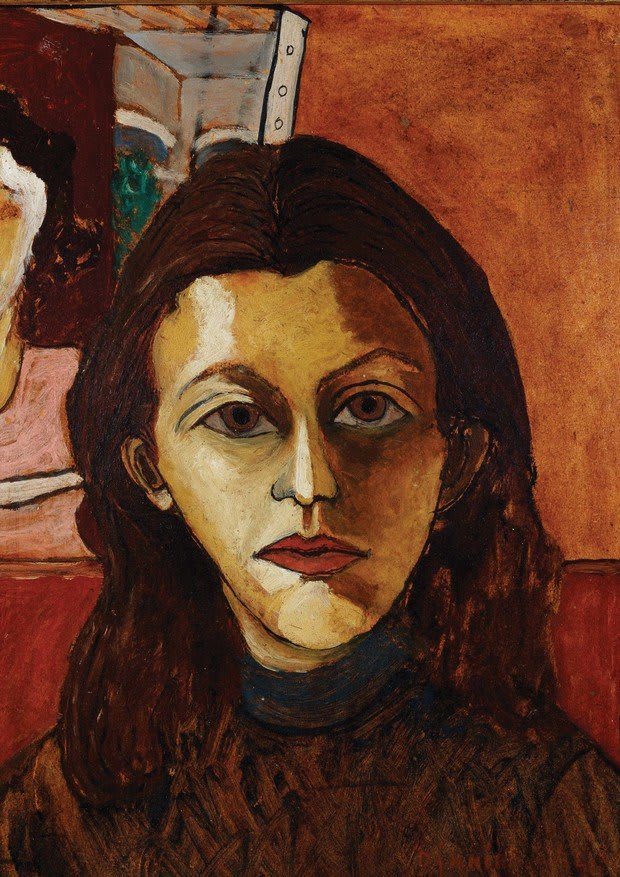
She began her career as self-taught, although she received a very brief education at the Liceu de Artes e Oficio do Rio de Janeiro in 1940.
From 1945 to 1947, she resided in New York, where she came into contact with the work of Pieter Brugel, Joan Miró, and Marc Chagall, artists who deeply influenced her.
Djanira has always been linked to her origins, addressing the theme of everyday life of common Brazilian people, their work, customs, and festivals. As she once said: “Everything I am, I owe to my people. I do not abandon my common roots as a woman and as an artist.”
In 1963, she became a lay sister in the Third Order of Carmelites.
She was also deeply concerned with social justice, so she joined the Communist Party of Brazil after visiting the USSR. In some way, these two realities were not contradictory or exclusive for her.
In 1972, she received through Pope Paul VI at the Vatican, a Medal and Diploma of the Cross “Pro Ecclesia et Pontifice”.
At that time, Djanira gifted the canvas titled Santana to the Vatican Museum.
Her last solo exhibition was held in 1977 at the National Museum of Fine Arts in Rio de Janeiro, where she participated with around 200 works.
Djanira passed away on May 31, 1979, in the city of Rio de Janeiro after suffering a heart attack.
The artist produced for approximately forty years of her life, a short but very productive period. She worked in different artistic modalities: oil and tempera painting, drawings, prints, ceramic tiles, and tapestries for fabric production.
She also illustrated several books and painted murals.
In 2019, the Masp held a show called Djanira: the memory of her people. It presented 90 of her most famous works, with curatorship by Isabella Rjeille and Rodrigo Moura.
The Djanira show inaugurated the programming of the cycle Stories of women, feminist stories, dedicated to women artists, including Tarsila do Amaral.
Djanira da Motta: GALLERY
Djanira presents us in her work, a unique perspective on everything that is Brazilian.
She shows moments of everyday life, where she is able to capture the joys and sorrows typical of the working class. She also documents different ethnic customs of Afro-Brazilians and indigenous tribes.
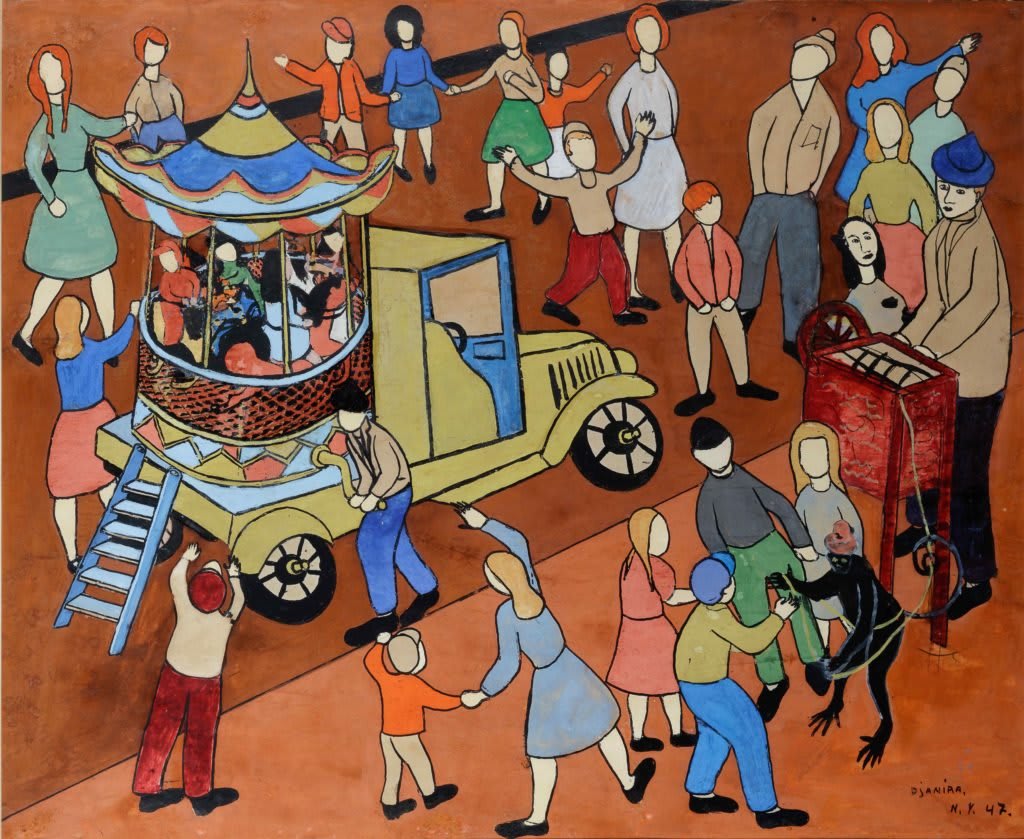
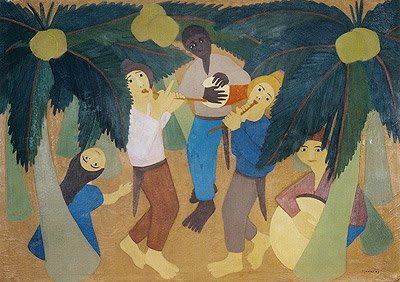
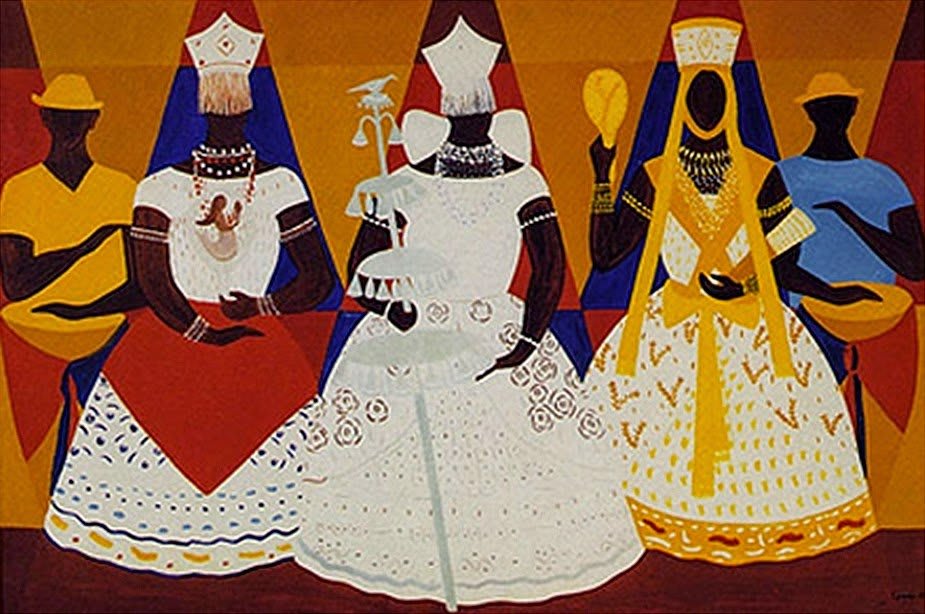
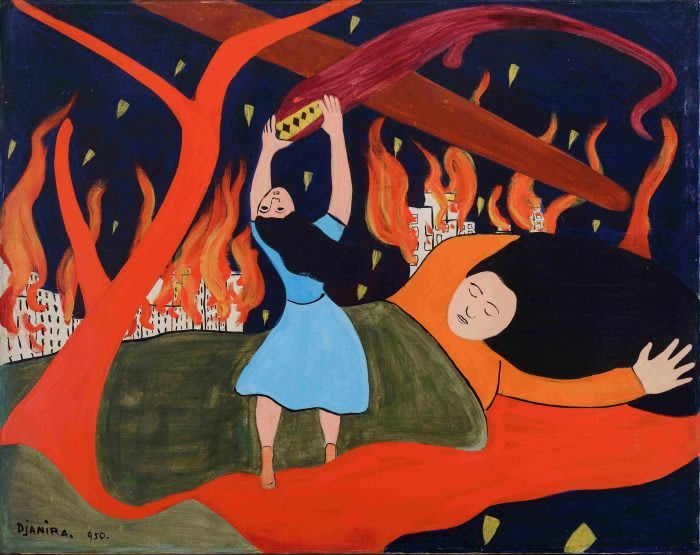
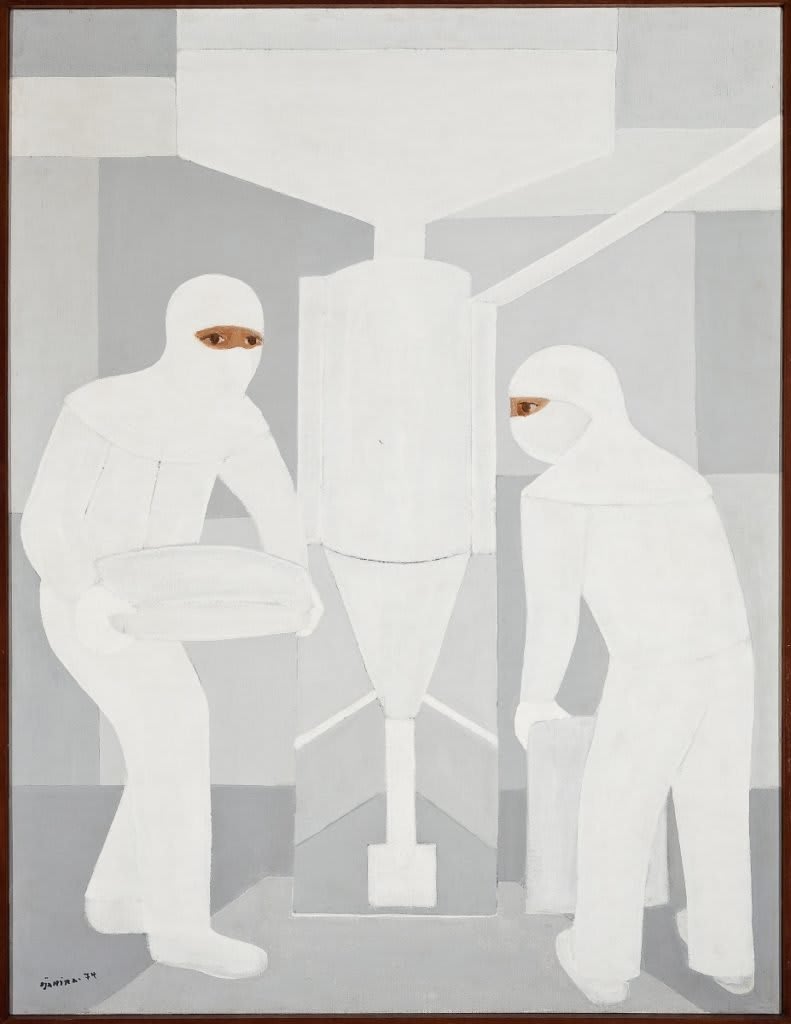
It is common to also find, human forms without facial expressions, without a specific identity.
This is to show that they are humans, but they are strangers to us. We see them only as fishermen, soccer players, factory workers. We do not know what they think, feel, or perceive, only what they do. By removing this, Djanira creates disturbing images of modern beings intertwined in social interactions and repetitive scenes. They are distant, far away, placed by her to make a scene and are not protagonists.
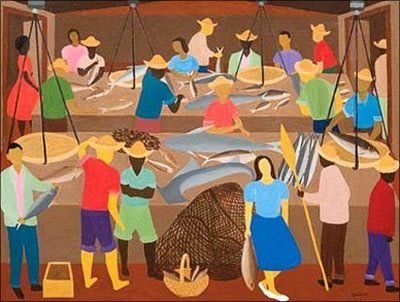
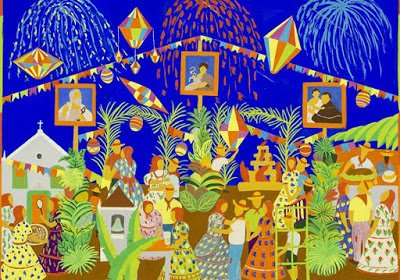
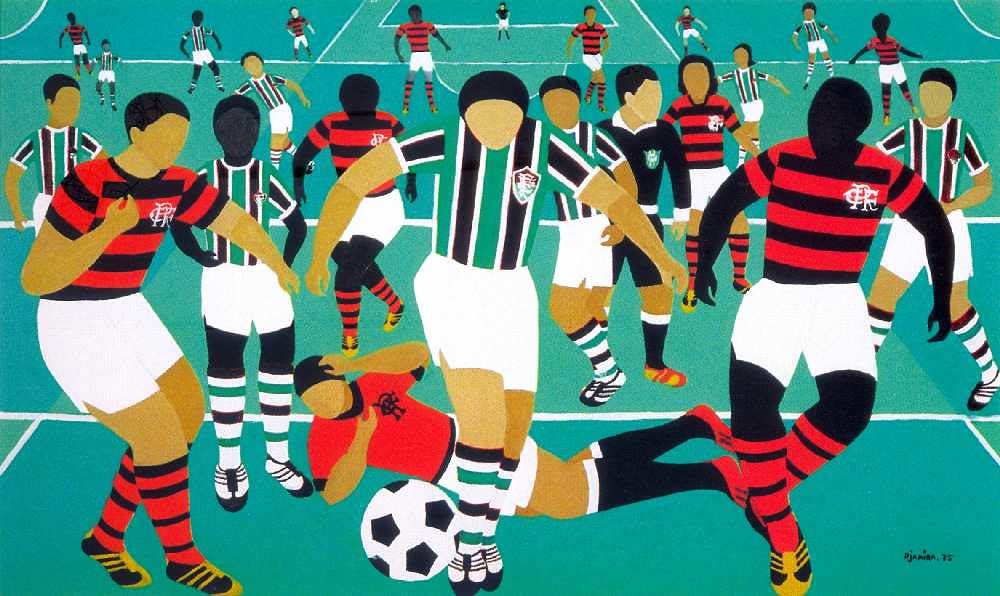
Djanira perceived the social and economic processes that rebuilt the communities in her homeland.
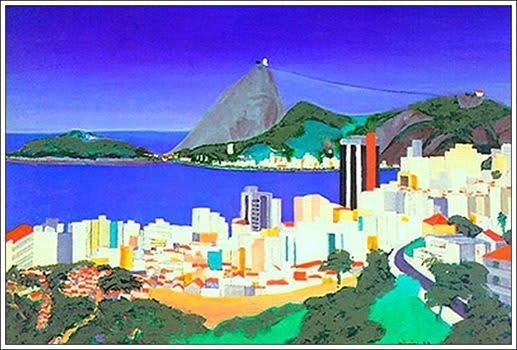
The period of her artistic production coincided with the country undergoing rapid industrialization and urbanization.
The artist also depicted more human moments of leisure and rest typical of city life.