Gustav Klimt: Biography and Artistry - Influences, Personal Life, and Unique Style
(Sem Penalidade CLS)
Gustav Klimt, one of history's greatest artists, left an eternal legacy in universal art.
With a life marked by passion and creativity, Klimt immortalized many women in his paintings, using colors and gold to create a distinct chapter in art history.
(Sem Penalidade CLS)
The creation of a stylized monogram with his initials served as a model for the members of the board of directors of the Vienna Workshop.
The inclusion of these seals in his works became a compositional element.
Square format, diagonal composition, symmetrical arrangement, geometric stylization, mosaics, gold and silver leaf, alongside strong erotic content.
These are the predominant characteristics in Gustav Klimt's art, accompanied by his very particular concepts about the essence of the Universe: life, love, and death.
Before him, Austrian painting was considered provincial.
Portraits of the bourgeoisie engaged in daily activities were prevalent.
His valorization of spirit, along with his pictorial and decorative style, initiated Art Nouveau, with its focus stemming from the Secession.
At the beginning of the 20th century, Klimt combined his experience with irrational and subjectivist symbolism with a more universal language.
The three paintings created for the Great Hall of the University of Vienna — *Philosophy*, *Medicine*, and *Jurisprudence* — were criticized in his homeland but acclaimed in Paris.
They represent the essence of Klimt's artistic vision: the intimate life of the individual, their instincts and sensations stripped bare of social values.
To understand the rest of this journey, continue to our next article: Gustav Klimt: Biography and Works: The Most Famous Pieces and His Eternal Legacy.
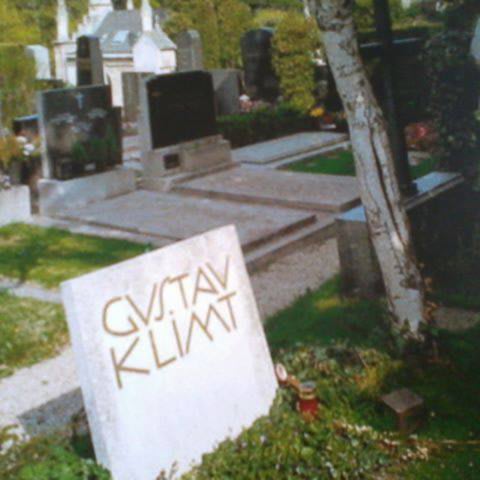
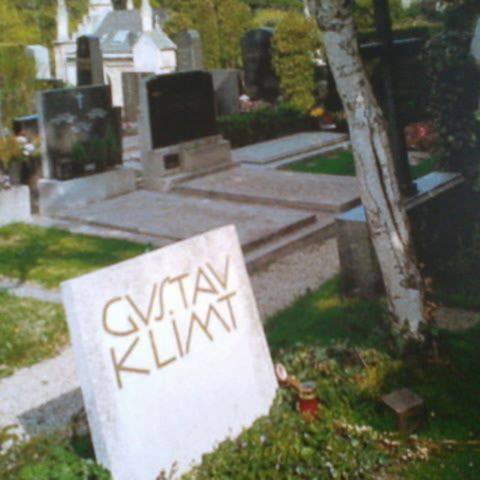
Gustav Klimt's tomb in Hietzing Cemetery, Vienna. His family declined the offer to inter him in an honorary grave erected by the local municipality.
KLIMT AND HIS LOVE LIFE
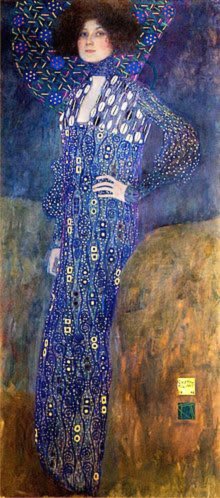
Gustav Klimt immortalized many women in his paintings, with his use of colors and gold becoming a distinct chapter in the history of universal art.
Though he was never officially married, he lived his passions without restriction.
It is said that after his death, fourteen children emerged, all claiming their share of the inheritance, but only four were recognized.
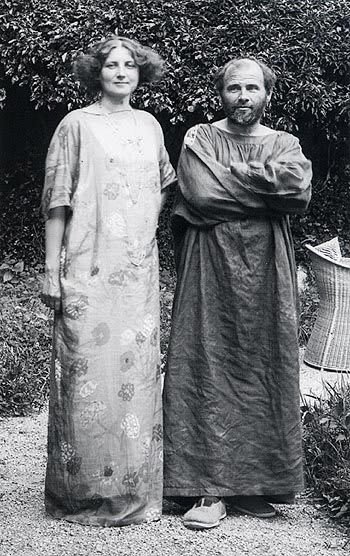
Emilie Flöge (1874-1952), born in Vienna into a bourgeois family.
In 1891, her sister Helene married Gustav Klimt's brother, Ernst.
A friendship formed between Emilie and the painter, who was 12 years her senior, as soon as they met.
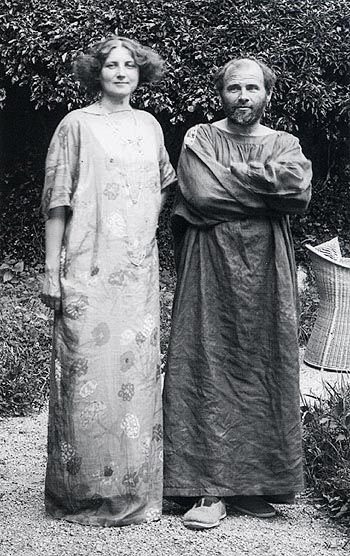
One of the enigmas in Klimt's biography is the complex relationship he maintained with Emilie, with whom he shared long summer seasons.
It appears Klimt fell in love with her, but he never proposed marriage.
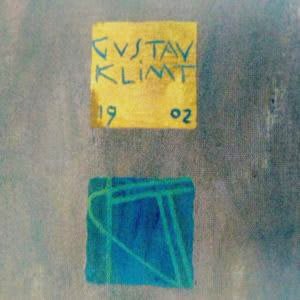
Just as Japanese painters used seals to sign their works, Klimt created a stylized monogram with his initials.
This creation served as a model for the members of the board of directors of the Vienna Workshop.
The inclusion of these seals in his works became a compositional element.
MEDICINE
At the beginning of the 20th century, Klimt combined his experience with irrational and subjectivist symbolism with a more universal language.
The three paintings created for the Great Hall of the University of Vienna — *Philosophy*, *Medicine*, and *Jurisprudence* — were criticized in his homeland but acclaimed in Paris.
They represent the essence of Klimt's artistic vision: the intimate life of the individual, their instincts and sensations stripped bare of social values.

KLIMT AND HIS LOVE LIFE

Gustav Klimt immortalized many women in his paintings, with his use of colors and gold becoming a distinct chapter in the history of universal art.
Though he was never officially married, he lived his passions without restriction.
It is said that after his death, fourteen children emerged, all claiming their share of the inheritance, but only four were recognized.
Emilie Flöge (1874-1952), born in Vienna into a bourgeois family.
In 1891, her sister Helene married Gustav Klimt's brother, Ernst.
A friendship formed between Emilie and the painter, who was 12 years her senior, as soon as they met.
One of the enigmas in Klimt's biography is the complex relationship he maintained with Emilie, with whom he shared long summer seasons.
It appears Klimt fell in love with her, but he never proposed marriage.
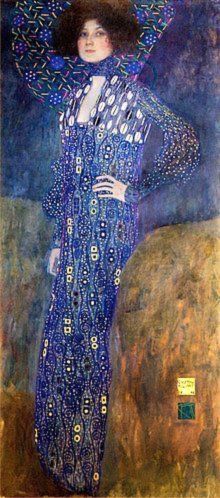
Portrait of Emilie Flöge - Against a somber background, the painter enveloped Emilie's silhouette with resplendent light, drawing the eye to her dress.
The two forms at the edge of the figure, as undefinable as the space of the scene, serve the same function.
And from his warm friendship with Emilie, Klimt collaborated with her in establishing a boutique, whose clothing line achieved enormous success among Klimt's clients and in his so-called Vienna Workshop.
THE GK LOGO
Just as Japanese painters used seals to sign their works, Klimt created a stylized monogram with his initials.
This creation served as a model for the members of the board of directors of the Vienna Workshop.
The inclusion of these seals in his works became a compositional element.
His Work Laid the Foundation for Art Nouveau
Square format, diagonal composition, symmetrical arrangement, geometric stylization, mosaics, gold and silver leaf, alongside strong erotic content.
These are the predominant characteristics in Gustav Klimt's art, accompanied by his very particular concepts about the essence of the Universe: life, love, and death.
Before him, Austrian painting was considered provincial.
Portraits of the bourgeoisie engaged in daily activities were prevalent.
His valorization of spirit, along with his pictorial and decorative style, initiated Art Nouveau, with its focus stemming from the Secession.
MEDICINE
At the beginning of the 20th century, Klimt combined his experience with irrational and subjectivist symbolism with a more universal language.
The three paintings created for the Great Hall of the University of Vienna — *Philosophy*, *Medicine*, and *Jurisprudence* — were criticized in his homeland but acclaimed in Paris.
They represent the essence of Klimt's artistic vision: the intimate life of the individual, their instincts and sensations stripped bare of social values.
KLIMT AND HIS LOVE LIFE
Gustav Klimt immortalized many women in his paintings, with his use of colors and gold becoming a distinct chapter in the history of universal art.
Though he was never officially married, he lived his passions without restriction.
It is said that after his death, fourteen children emerged, all claiming their share of the inheritance, but only four were recognized.
Emilie Flöge (1874-1952), born in Vienna into a bourgeois family.
In 1891, her sister Helene married Gustav Klimt's brother, Ernst.
A friendship formed between Emilie and the painter, who was 12 years her senior, as soon as they met.
One of the enigmas in Klimt's biography is the complex relationship he maintained with Emilie, with whom he shared long summer seasons.
It appears Klimt fell in love with her, but he never proposed marriage.
Portrait of Emilie Flöge - Against a somber background, the painter enveloped Emilie's silhouette with resplendent light, drawing the eye to her dress.
The two forms at the edge of the figure, as undefinable as the space of the scene, serve the same function.
And from his warm friendship with Emilie, Klimt collaborated with her in establishing a boutique, whose clothing line achieved enormous success among Klimt's clients and in his so-called Vienna Workshop.
THE GK LOGO
Just as Japanese painters used seals to sign their works, Klimt created a stylized monogram with his initials.
This creation served as a model for the members of the board of directors of the Vienna Workshop.
The inclusion of these seals in his works became a compositional element.
His Work Laid the Foundation for Art Nouveau
Square format, diagonal composition, symmetrical arrangement, geometric stylization, mosaics, gold and silver leaf, alongside strong erotic content.
These are the predominant characteristics in Gustav Klimt's art, accompanied by his very particular concepts about the essence of the Universe: life, love, and death.
Before him, Austrian painting was considered provincial.
Portraits of the bourgeoisie engaged in daily activities were prevalent.
His valorization of spirit, along with his pictorial and decorative style, initiated Art Nouveau, with its focus stemming from the Secession.
MEDICINE
At the beginning of the 20th century, Klimt combined his experience with irrational and subjectivist symbolism with a more universal language.
The three paintings created for the Great Hall of the University of Vienna — *Philosophy*, *Medicine*, and *Jurisprudence* — were criticized in his homeland but acclaimed in Paris.
They represent the essence of Klimt's artistic vision: the intimate life of the individual, their instincts and sensations stripped bare of social values.
KLIMT AND HIS LOVE LIFE
Gustav Klimt immortalized many women in his paintings, with his use of colors and gold becoming a distinct chapter in the history of universal art.
Though he was never officially married, he lived his passions without restriction.
It is said that after his death, fourteen children emerged, all claiming their share of the inheritance, but only four were recognized.
Emilie Flöge (1874-1952), born in Vienna into a bourgeois family.
In 1891, her sister Helene married Gustav Klimt's brother, Ernst.
A friendship formed between Emilie and the painter, who was 12 years her senior, as soon as they met.
One of the enigmas in Klimt's biography is the complex relationship he maintained with Emilie, with whom he shared long summer seasons.
It appears Klimt fell in love with her, but he never proposed marriage.
Portrait of Emilie Flöge - Against a somber background, the painter enveloped Emilie's silhouette with resplendent light, drawing the eye to her dress.
The two forms at the edge of the figure, as undefinable as the space of the scene, serve the same function.
And from his warm friendship with Emilie, Klimt collaborated with her in establishing a boutique, whose clothing line achieved enormous success among Klimt's clients and in his so-called Vienna Workshop.
THE GK LOGO
Just as Japanese painters used seals to sign their works, Klimt created a stylized monogram with his initials.
This creation served as a model for the members of the board of directors of the Vienna Workshop.
The inclusion of these seals in his works became a compositional element.
His Work Laid the Foundation for Art Nouveau
Square format, diagonal composition, symmetrical arrangement, geometric stylization, mosaics, gold and silver leaf, alongside strong erotic content.
These are the predominant characteristics in Gustav Klimt's art, accompanied by his very particular concepts about the essence of the Universe: life, love, and death.
Before him, Austrian painting was considered provincial.
Portraits of the bourgeoisie engaged in daily activities were prevalent.
His valorization of spirit, along with his pictorial and decorative style, initiated Art Nouveau, with its focus stemming from the Secession.
MEDICINE
At the beginning of the 20th century, Klimt combined his experience with irrational and subjectivist symbolism with a more universal language.
The three paintings created for the Great Hall of the University of Vienna — *Philosophy*, *Medicine*, and *Jurisprudence* — were criticized in his homeland but acclaimed in Paris.
They represent the essence of Klimt's artistic vision: the intimate life of the individual, their instincts and sensations stripped bare of social values.
KLIMT AND HIS LOVE LIFE
Gustav Klimt immortalized many women in his paintings, with his use of colors and gold becoming a distinct chapter in the history of universal art.
Though he was never officially married, he lived his passions without restriction.
It is said that after his death, fourteen children emerged, all claiming their share of the inheritance, but only four were recognized.
Emilie Flöge (1874-1952), born in Vienna into a bourgeois family.
In 1891, her sister Helene married Gustav Klimt's brother, Ernst.
A friendship formed between Emilie and the painter, who was 12 years her senior, as soon as they met.
One of the enigmas in Klimt's biography is the complex relationship he maintained with Emilie, with whom he shared long summer seasons.
It appears Klimt fell in love with her, but he never proposed marriage.
Portrait of Emilie Flöge - Against a somber background, the painter enveloped Emilie's silhouette with resplendent light, drawing the eye to her dress.
The two forms at the edge of the figure, as undefinable as the space of the scene, serve the same function.
And from his warm friendship with Emilie, Klimt collaborated with her in establishing a boutique, whose clothing line achieved enormous success among Klimt's clients and in his so-called Vienna Workshop.
THE GK LOGO
Just as Japanese painters used seals to sign their works, Klimt created a stylized monogram with his initials.
This creation served as a model for the members of the board of directors of the Vienna Workshop.
The inclusion of these seals in his works became a compositional element.
His Work Laid the Foundation for Art Nouveau
Square format, diagonal composition, symmetrical arrangement, geometric stylization, mosaics, gold and silver leaf, alongside strong erotic content.
These are the predominant characteristics in Gustav Klimt's art, accompanied by his very particular concepts about the essence of the Universe: life, love, and death.
Before him, Austrian painting was considered provincial.
Portraits of the bourgeoisie engaged in daily activities were prevalent.
His valorization of spirit, along with his pictorial and decorative style, initiated Art Nouveau, with its focus stemming from the Secession.
MEDICINE
At the beginning of the 20th century, Klimt combined his experience with irrational and subjectivist symbolism with a more universal language.
The three paintings created for the Great Hall of the University of Vienna — *Philosophy*, *Medicine*, and *Jurisprudence* — were criticized in his homeland but acclaimed in Paris.
They represent the essence of Klimt's artistic vision: the intimate life of the individual, their instincts and sensations stripped bare of social values.
KLIMT AND HIS LOVE LIFE
Gustav Klimt immortalized many women in his paintings, with his use of colors and gold becoming a distinct chapter in the history of universal art.
Though he was never officially married, he lived his passions without restriction.
It is said that after his death, fourteen children emerged, all claiming their share of the inheritance, but only four were recognized.
Emilie Flöge (1874-1952), born in Vienna into a bourgeois family.
In 1891, her sister Helene married Gustav Klimt's brother, Ernst.
A friendship formed between Emilie and the painter, who was 12 years her senior, as soon as they met.
One of the enigmas in Klimt's biography is the complex relationship he maintained with Emilie, with whom he shared long summer seasons.
It appears Klimt fell in love with her, but he never proposed marriage.
Portrait of Emilie Flöge - Against a somber background, the painter enveloped Emilie's silhouette with resplendent light, drawing the eye to her dress.
The two forms at the edge of the figure, as undefinable as the space of the scene, serve the same function.
And from his warm friendship with Emilie, Klimt collaborated with her in establishing a boutique, whose clothing line achieved enormous success among Klimt's clients and in his so-called Vienna Workshop.
THE GK LOGO
Just as Japanese painters used seals to sign their works, Klimt created a stylized monogram with his initials.
This creation served as a model for the members of the board of directors of the Vienna Workshop.
The inclusion of these seals in his works became a compositional element.
His Work Laid the Foundation for Art Nouveau
Square format, diagonal composition, symmetrical arrangement, geometric stylization, mosaics, gold and silver leaf, alongside strong erotic content.
These are the predominant characteristics in Gustav Klimt's art, accompanied by his very particular concepts about the essence of the Universe: life, love, and death.
Before him, Austrian painting was considered provincial.
Portraits of the bourgeoisie engaged in daily activities were prevalent.
His valorization of spirit, along with his pictorial and decorative style, initiated Art Nouveau, with its focus stemming from the Secession.
MEDICINE
At the beginning of the 20th century, Klimt combined his experience with irrational and subjectivist symbolism with a more universal language.
The three paintings created for the Great Hall of the University of Vienna — *Philosophy*, *Medicine*, and *Jurisprudence* — were criticized in his homeland but acclaimed in Paris.
They represent the essence of Klimt's artistic vision: the intimate life of the individual, their instincts and sensations stripped bare of social values.
KLIMT AND HIS LOVE LIFE
Gustav Klimt immortalized many women in his paintings, with his use of colors and gold becoming a distinct chapter in the history of universal art.
Though he was never officially married, he lived his passions without restriction.
It is said that after his death, fourteen children emerged, all claiming their share of the inheritance, but only four were recognized.
Emilie Flöge (1874-1952), born in Vienna into a bourgeois family.
(Sem Penalidade CLS)