
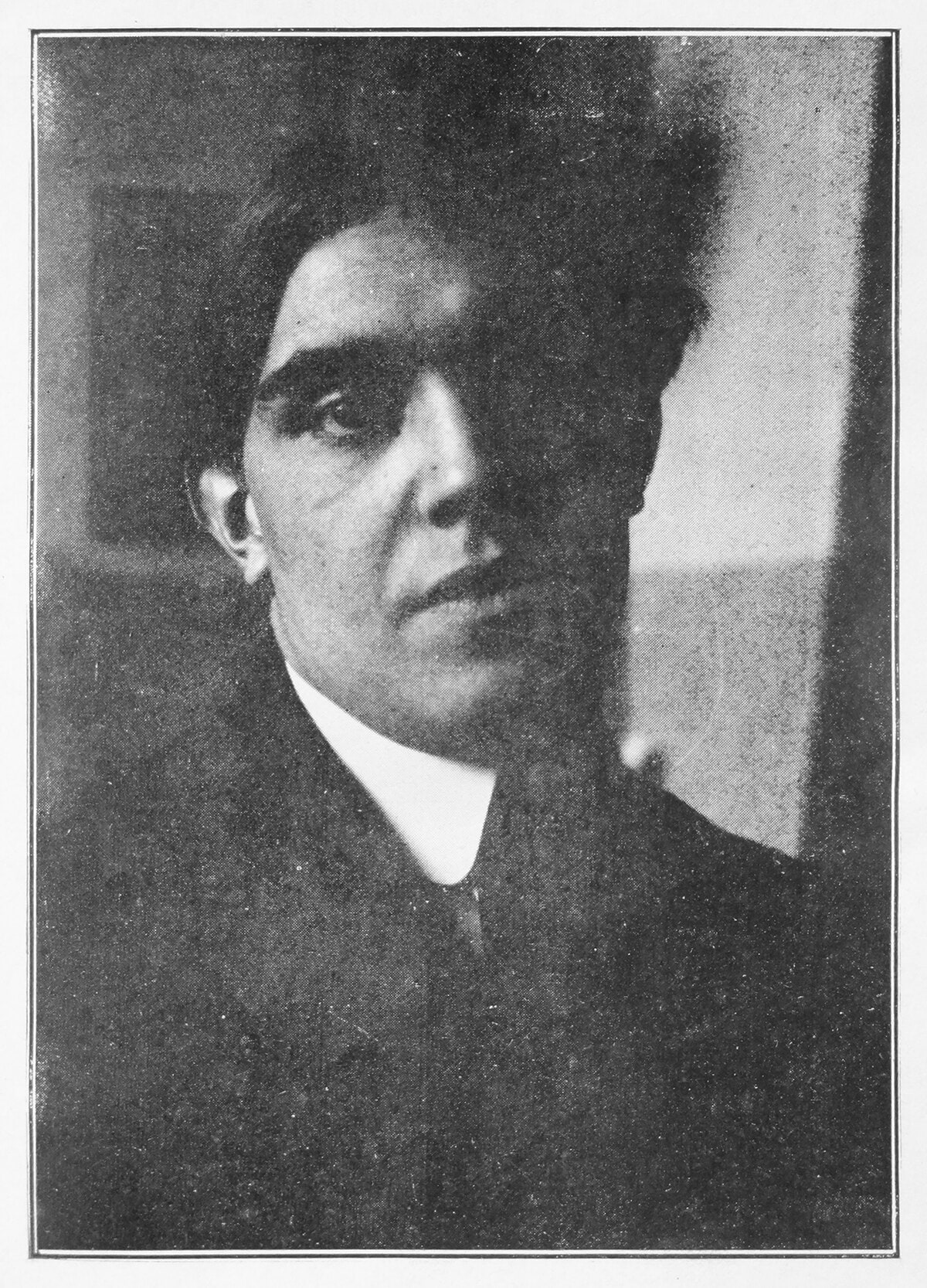
Juan Gris: Challenges, Triumphs, and the Legacy of a Master Cubist
Juan Gris: Challenges, Triumphs, and the Legacy of a Master Cubist
Article Index
With the outbreak of World War I, his personal and professional life became turbulent, as it did with other artists.
The war disrupted his commercial relationship, and he relied on financial aid from Gertrude Stein. He also spent time with Matisse in his studio in Collioure, in southern France, near the Spanish border.
A New Contract and New Works
In 1916, he signed a new contract with the French art dealer Leonce Rosenberg, a highly influential collector of modern art.
The work of this period features objects with shadows and reintroduces complex, intersecting planes, rich colors, and sumptuous textures.
A Period of Change
As the war drew to a close, he spent several months in Touraine, the birthplace of his French wife Josette.
This period, unique in his art, focuses on representations of traditional peasant figures, linking him to a broader shift among European artists during and after the war.
Increasingly, these artists moved away from the ruptures of avant-garde movements and reinterpretations of form that marked the beginning of the 1910s, and instead approached traditional techniques and subjects with renewed interest that would persist throughout the rest of his career.
A Return to Paris
In Paris in 1919, although he had periods of illness and financial difficulties during the war years, his reputation was constantly increasing.
He was awarded his first major exhibition by Rosenberg.
The following year, he participated in the last major exhibition of cubist painters at the Salon des Independents.
A Winter in Bandol
In 1920, despite being very ill with pleurisy, a lung inflammation that was mistaken for tuberculosis, he painted prolifically during and after the war.
In an attempt to recover, he spent the winter in Bandol, on the southeastern coast of France.
While there, he spent time with the Russian ballet impresario Sergei Diaghilev, and the two discussed ideas about staging and costumes for upcoming productions.
His conversations eventually led to a complete collaboration, with the painter designing costumes and sets for the Balé Russo.
A Peak of Popularity
Between 1922 and 1924, major exhibitions of his work took place in Paris and Berlin.
It was during these years that he reached the peak of popularity and renown that he would know in his life.
He was also making his most forceful articulation of his artistic theory and aesthetic.
In it, he described his belief that a painting was not merely a representation of an object from reality, but something that the artist recreates and reinterprets through his craft.
A Tragic End
Unfortunately, he was unable to enjoy the success he had achieved for long, due to continuous health problems.
In 1925, he moved from the center of Paris to the suburban area of Boulogne-sur-Seine, in the hope that a more rural and tranquil atmosphere would alleviate his chronic asthma.
From the end of the same year onwards, he struggled against consistent kidney and heart diseases.
LEGACY
Juan Gris established himself as one of the most distinctive figures of cubism during his relatively short life.
His paintings combine different viewpoints of a subject in an image, drawing attention to the limitations of traditional perspective and striving for a new way of seeing that reflects the complexity of the modern era.
His incorporation of brand logos and newspaper typography also anticipates the Pop art movement in the years following World War II, particularly in the works of artists such as Andy Warhol and Roy Lichtenstein.
By elevating popular culture to the realm of high art, he is an important precursor to the Dada and Pop artists, among them Marcel Duchamp.
COMMENTED ART
To understand the rest of this journey, continue to our next article: Juan Gris: Analysis of Works and the Planar and Colorful Architecture of Cubism.


