
Paul Klee: Biography and Work – Discovering the Avant-Garde and the Color Revolution
Dive into the life and art of Paul Klee, exploring his pivotal role in the discovery of the avant-garde movement and his profound impact on the revolution of color in modern art.
In 1912, he participated in the 2nd Der Blaue Reiter exhibition, where he encountered works by avant-garde artists such as Georges Braque, Pablo Picasso and Robert Delaunay. That same year in Paris also exposed him to the ferment of Cubism and the pioneering examples of "pure painting," an early term for abstract art.
This exhibition heralded a new era for the art world, with artists like Klee feeling inspired to delve into fresh forms and techniques.
He was also influenced by other contemporary artists, such as Henri Matisse and André Derain, who were likewise experimenting with novel artistic expressions.
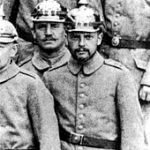
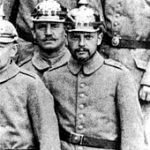
In 1916, with the outbreak of World War I, despite being called to duty, and thanks to his father's behind-the-scenes maneuvering, Klee was spared from frontline service. Instead, he was assigned to paint camouflage on airplanes and work as a clerk. Even so, he continued to paint his works throughout the war.
This experience brought a fresh perspective to Klee, who began to explore themes of war and violence in his artwork.
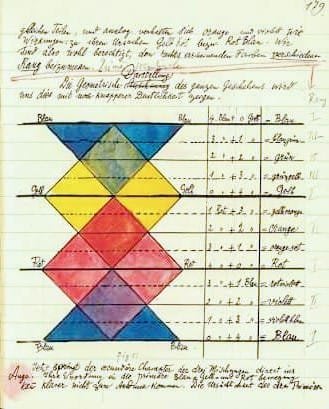
The war also sparked his interest in color theory and its relationship to art.
By 1917, Klee's work was selling well, and art critics acclaimed him as the finest among Germany's new artists.
This boosted his confidence in his abilities, prompting him to experiment with novel techniques and styles.
Yet, the war also deeply affected him, leading him to question the nature and purpose of art itself.
In 1918, the November Revolution failed, and Paul returned to Switzerland.
This left him feeling isolated and adrift, prompting him to question his own identity and purpose.
However, he also began to develop an interest in art theory and its relationship to society.
In 1920, the renowned Bauhaus art school in Weimar extended an invitation for him to teach, which he accepted.
The Bauhaus was a highly influential school of industrial design and architecture that strived to provide students with a foundation across all visual arts.
Klee was influenced by the Bauhaus's experimental approach and began to explore new forms of art and design.
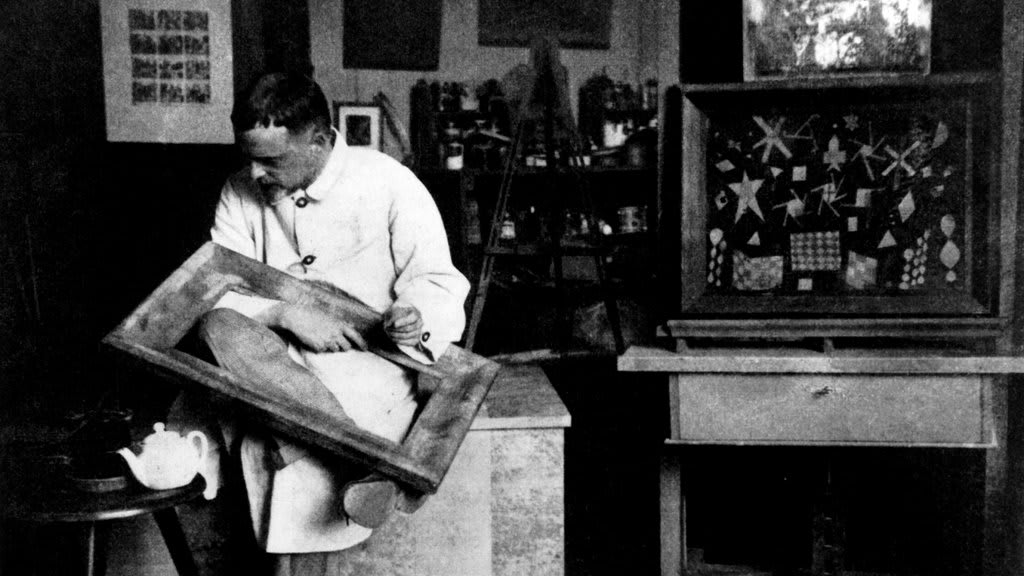
He taught at the institution for 10 years, moving with the Bauhaus from Weimar to Dessau in 1925.
Klee painted stained-glass windows and conducted bookbinding workshops.
His detailed lecture series on visual form was instrumental in assessing his influence as a teacher.
Paul Klee visited Egypt in 1928, an experience that impressed him less than Tunisia had.
In 1929, the first major monograph on his work was published, authored by Will Grohmann.
This monograph helped establish Klee as one of the era's leading artists.
To understand the remainder of this journey, continue to our next article: Paul Klee: Biography and Work: The Bauhaus Period and the Struggle against Oppression.


