
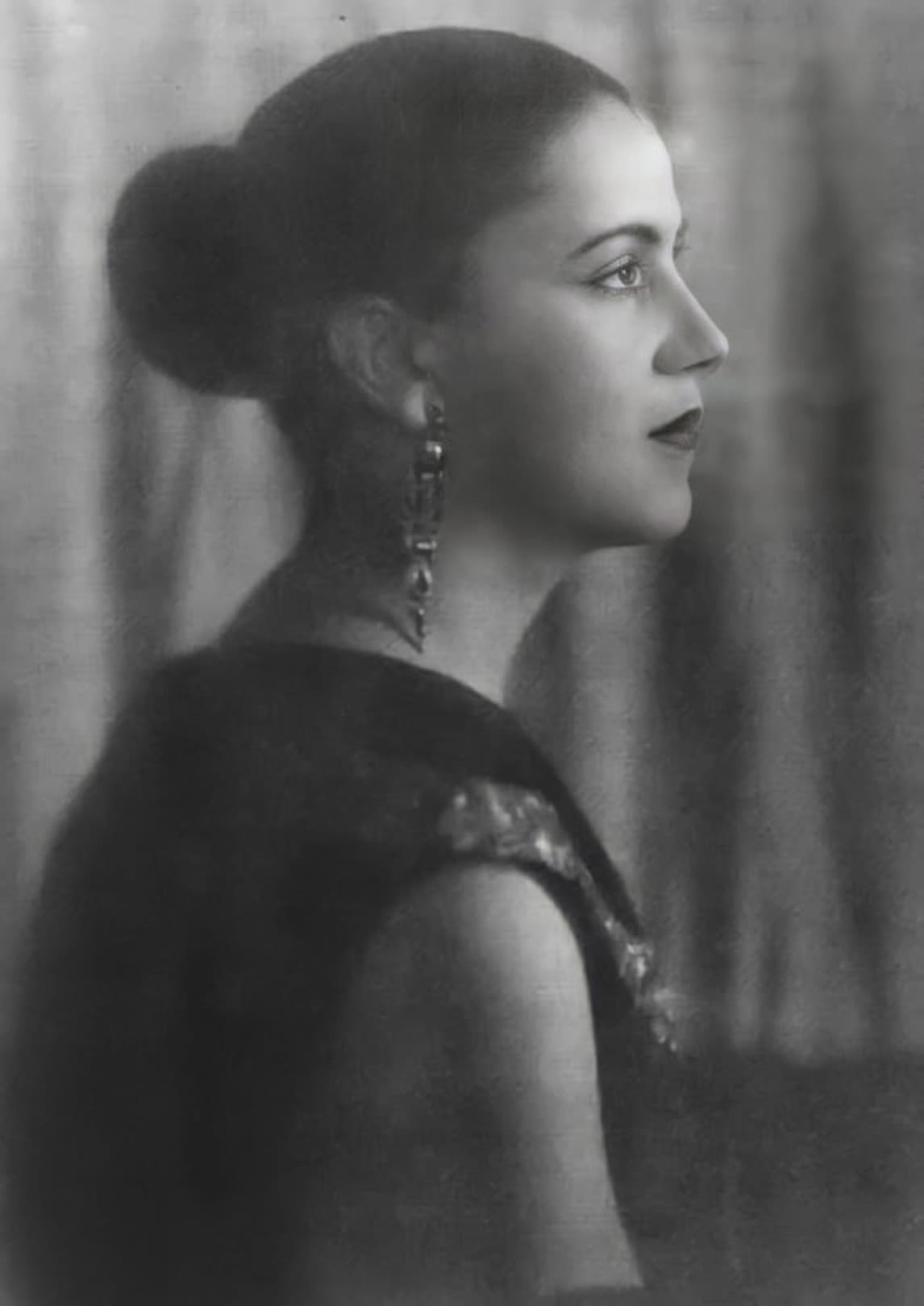
Pintura a óleo de Tarsila do Amaral retratando cena de dança modernista com cores vibrantes e linhas geométricas em tons de azul e amarelo.
Obras de Arte Arquivo

Tarsila do Amaral: Iconic Works, Legacy, and the Post-Anthropophagic Phase

Tarsila do Amaral: Iconic Works, Legacy, and the Post-Anthropophagic Phase

A

Arthur

Curadoria Histórica

Compartilhar:
Publicidade (Active View 100%)Espaço AdSense em LazyLoad
(Sem Penalidade CLS)

Towards the end of her life, Tarsila suffered from severe back problems, which confined her to a wheelchair.

She passed away on January 17, 1976, at the age of 86, in São Paulo, and was buried in the Consolação Cemetery.

Patrocínio
Publicidade (Active View 100%)Espaço AdSense em LazyLoad
(Sem Penalidade CLS)

Throughout her career as an artist, 2132 works were cataloged.

Beyond paintings, there were five sculptures, hundreds of drawings, illustrations, prints, and murals.

Most importantly, she introduced Brazilian arts to global modernism and helped develop a unique, genuinely Brazilian style.

But history holds a peculiar detail: Tarsila was a student of the renowned painter Fernand Léger in Paris.

When she finished painting A Negra, it impressed him so much that he showed it to all his students, calling it an exceptional work.

This painting features Cubist elements in the background and is also considered a precursor to Anthropophagy in the artist's work.

This Black woman with large breasts was part of Tarsila do Amaral's childhood; her father was a prominent farmer, and Black women, typically daughters of formerly enslaved people, served as "amas-secas," a type of nanny or wet nurse who cared for the children.

A Negra by Tarsila do Amaral, 1923

Carnival in Madureira - Tarsila transports the Eiffel Tower from Paris to Rio de Janeiro, intending to record her travel memories and the time she lived there. Similarly, we also find the famous dirigible and the stones from the farm where she was born, recalling her childhood and experiences up to that point, all set in Madureira, a bohemian neighborhood and a stronghold of the famous Rio Carnival.
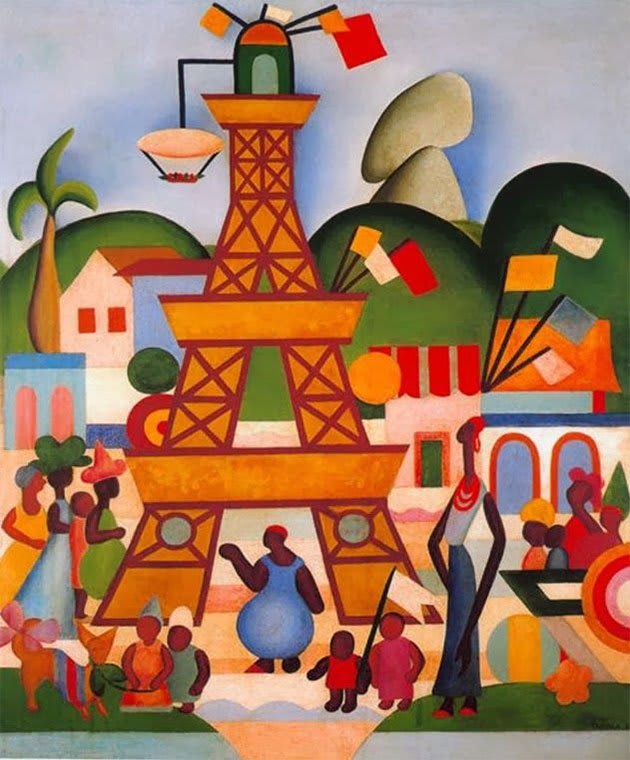
Carnival in Madureira by Tarsila do Amaral

Tarsila declared about one of her most famous works: "A Cuca embodies Brazilianness, our culture. I invented the Cuca, as I imagine her. I mixed several animals from our fauna and used colors that, before this painting phase, I did not use."
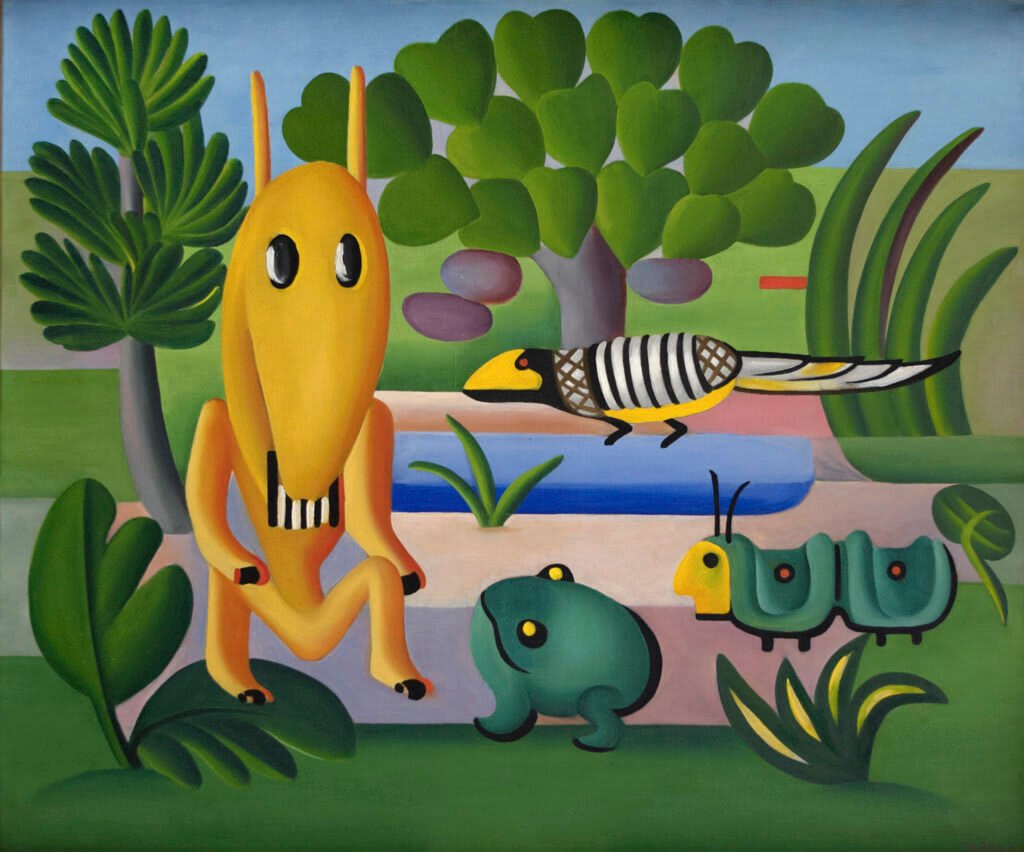
A Cuca by Tarsila do Amaral

The Fruit Seller - This painting transports us to a lyrical world of a tropical country, abundant in fruits and gentle landscapes.

The character depicted in the foreground, with their large hat, symbolizes agricultural labor.
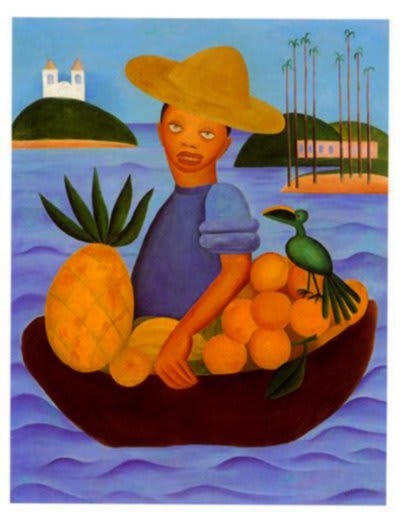
The Fruit Seller by Tarsila do Amaral

The Moon - Tarsila gifted this painting to her husband at the time, the writer Oswald de Andrade.

Observing this painting, one notices that natural elements like the moon and the cactus are depicted in a stylized manner, just as the entire composition evokes the painter's dreams and reveries.
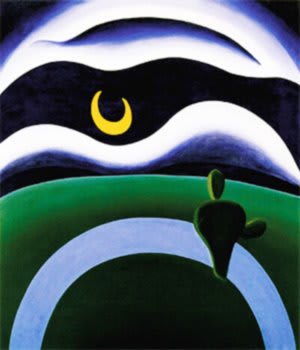
The Moon by Tarsila do Amaral

POSTCARD - In this 1929 canvas, we see the stunning city of Rio de Janeiro, Brazil's greatest postcard.

The monkey is an Anthropophagic creature by Tarsila that forms part of this beautiful work.
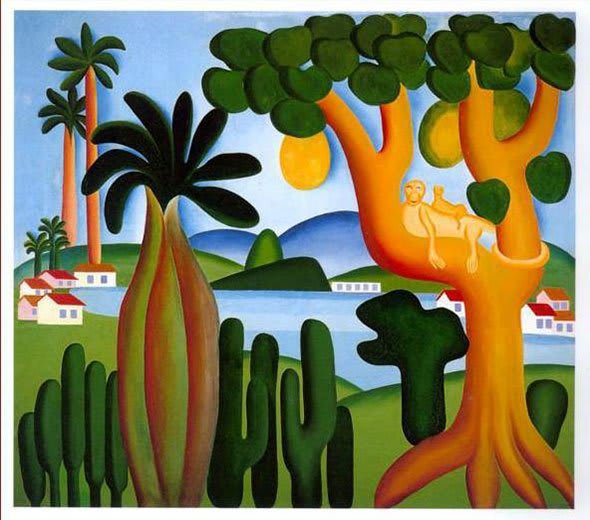
Postcard by Tarsila do Amaral

NEO PAU BRASIL PHASE - From the 1950s onwards, Tarsila revisited the themes of her Pau Brasil phase, producing "A Fazenda" and continuing with beautiful paintings characteristic of this period.
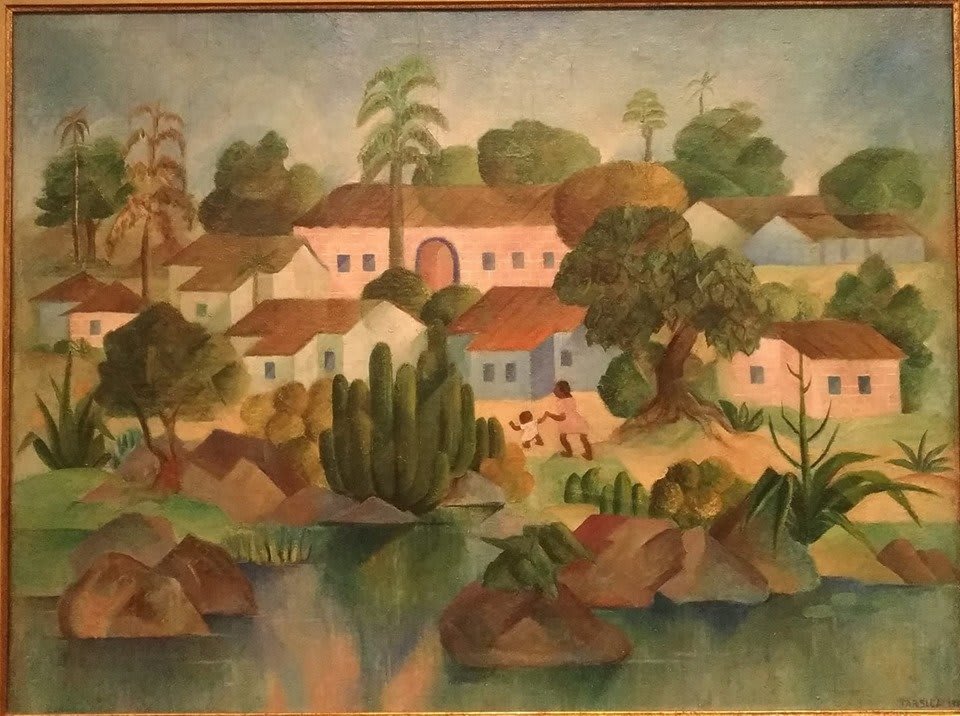
A Fazenda by Tarsila do Amaral

NEO PAU BRASIL PHASE

From the 1950s onwards, Tarsila revisited the themes of her Pau Brasil phase, producing "A Fazenda" and continuing with beautiful paintings characteristic of this period.

A Fazenda by Tarsila do Amaral, 1950

NEO PAU BRASIL PHASE

From the 1950s onwards, Tarsila revisited the themes of her Pau Brasil phase, producing "A Fazenda" and continuing with beautiful paintings characteristic of this period.

A Fazenda by Tarsila do Amaral, 1950

NEO PAU BRASIL PHASE

From the 1950s onwards, Tarsila revisited the themes of her Pau Brasil phase, producing "A Fazenda" and continuing with beautiful paintings characteristic of this period.

A Fazenda by Tarsila do Amaral, 1950

NEO PAU BRASIL PHASE

From the 1950s onwards, Tarsila revisited the themes of her Pau Brasil phase, producing "A Fazenda" and continuing with beautiful paintings characteristic of this period.

A Fazenda by Tarsila do Amaral, 1950

NEO PAU BRASIL PHASE

From the 1950s onwards, Tarsila revisited the themes of her Pau Brasil phase, producing "A Fazenda" and continuing with beautiful paintings characteristic of this period.

A Fazenda by Tarsila do Amaral, 1950

NEO PAU BRASIL PHASE

From the 1950s onwards, Tarsila revisited the themes of her Pau Brasil phase, producing "A Fazenda" and continuing with beautiful paintings characteristic of this period.

A Fazenda by Tarsila do Amaral, 1950

NEO PAU BRASIL PHASE

From the 1950s onwards, Tarsila revisited the themes of her Pau Brasil phase, producing "A Fazenda" and continuing with beautiful paintings characteristic of this period.

A Fazenda by Tarsila do Amaral, 1950

NEO PAU BRASIL PHASE

From the 1950s onwards, Tarsila revisited the themes of her Pau Brasil phase, producing "A Fazenda" and continuing with beautiful paintings characteristic of this period.

A Fazenda by Tarsila do Amaral, 1950

NEO PAU BRASIL PHASE

From the 1950s onwards, Tarsila revisited the themes of her Pau Brasil phase, producing "A Fazenda" and continuing with beautiful paintings characteristic of this period.

A Fazenda by Tarsila do Amaral, 1950

NEO PAU BRASIL PHASE

From the 1950s onwards, Tarsila revisited the themes of her Pau Brasil phase, producing "A Fazenda" and continuing with beautiful paintings characteristic of this period.

A Fazenda by Tarsila do Amaral, 1950

NEO PAU BRASIL PHASE

From the 1950s onwards, Tarsila revisited the themes of her Pau Brasil phase, producing "A Fazenda" and continuing with beautiful paintings characteristic of this period.

A Fazenda by Tarsila do Amaral, 1950

NEO PAU BRASIL PHASE

From the 1950s onwards, Tarsila revisited the themes of her Pau Brasil phase, producing "A Fazenda" and continuing with beautiful paintings characteristic of this period.

A Fazenda by Tarsila do Amaral, 1950

NEO PAU BRASIL PHASE

From the 1950s onwards, Tarsila revisited the themes of her Pau Brasil phase, producing "A Fazenda" and continuing with beautiful paintings characteristic of this period.

A Fazenda by Tarsila do Amaral, 1950

NEO PAU BRASIL PHASE

From the 1950s onwards, Tarsila revisited the themes of her Pau Brasil phase, producing "A Fazenda" and continuing with beautiful paintings characteristic of this period.

A Fazenda by Tarsila do Amaral, 1950

NEO PAU BRASIL PHASE

From the 1950s onwards, Tarsila revisited the themes of her Pau Brasil phase, producing "A Fazenda" and continuing with beautiful paintings characteristic of this period.

A Fazenda by Tarsila do Amaral, 1950

NEO PAU BRASIL PHASE

From the 1950s onwards, Tarsila revisited the themes of her Pau Brasil phase, producing "A Fazenda" and continuing with beautiful paintings characteristic of this period.

A Fazenda by Tarsila do Amaral, 1950

NEO PAU BRASIL PHASE

From the 1950s onwards, Tarsila revisited the themes of her Pau Brasil phase, producing "A Fazenda" and continuing with beautiful paintings characteristic of this period.

A Fazenda by Tarsila do Amaral, 1950

NEO PAU BRASIL PHASE

From the 1950s onwards, Tarsila revisited the themes of her Pau Brasil phase, producing "A Fazenda" and continuing with beautiful paintings characteristic of this period.

A Fazenda by Tarsila do Amaral, 1950

NEO PAU BRASIL PHASE

From the 1950s onwards, Tarsila revisited the themes of her Pau Brasil phase, producing "A Fazenda" and continuing with beautiful paintings characteristic of this period.

A Fazenda by Tarsila do Amaral, 1950

NEO PAU BRASIL PHASE

From the 1950s onwards, Tarsila revisited the themes of her Pau Brasil phase, producing "A Fazenda" and continuing with beautiful paintings characteristic of this period.

A Fazenda by Tarsila do Amaral, 1950

NEO PAU BRASIL PHASE

From the 1950s onwards, Tarsila revisited the themes of her Pau Brasil phase, producing "A Fazenda" and continuing with beautiful paintings characteristic of this period.

A Fazenda by Tarsila do Amaral, 1950

NEO PAU BRASIL PHASE

From the 1950s onwards, Tarsila revisited the themes of her Pau Brasil phase, producing "A Fazenda" and continuing with beautiful paintings characteristic of this period.

A Fazenda by Tarsila do Amaral, 1950

NEO PAU BRASIL PHASE

From the 1950s onwards, Tarsila revisited the themes of her Pau Brasil phase, producing "A Fazenda" and continuing with beautiful paintings characteristic of this period.

A Fazenda by Tarsila do Amaral, 1950

NEO PAU BRASIL PHASE

From the 1950s onwards, Tarsila revisited the themes of her Pau Brasil phase, producing "A Fazenda" and continuing with beautiful paintings characteristic of this period.

A Fazenda by Tarsila do Amaral, 1950

NEO PAU BRASIL PHASE

From the 1950s onwards, Tarsila revisited the themes of her Pau Brasil phase, producing "A Fazenda" and continuing with beautiful paintings characteristic of this period.

A Fazenda by Tarsila do Amaral, 1950

NEO PAU BRASIL PHASE

From the 1950s onwards, Tarsila revisited the themes of her Pau Brasil phase, producing "A Fazenda" and continuing with beautiful paintings characteristic of this period.

A Fazenda by Tarsila do Amaral, 1950

NEO PAU BRASIL PHASE

From the 1950s onwards, Tarsila revisited the themes of her Pau Brasil phase, producing "A Fazenda" and continuing with beautiful paintings characteristic of this period.

A Fazenda by Tarsila do Amaral, 1950

NEO PAU BRASIL PHASE

From the 1950s onwards, Tarsila revisited the themes of her Pau Brasil phase, producing "A Fazenda" and continuing with beautiful paintings characteristic of this period.

A Fazenda by Tarsila do Amaral, 1950

NEO PAU BRASIL PHASE

From the 1950s onwards, Tarsila revisited the themes of her Pau Brasil phase, producing "A Fazenda" and continuing with beautiful paintings characteristic of this period.

A Fazenda by Tarsila do Amaral, 1950

NEO PAU BRASIL PHASE

From the 1950s onwards, Tarsila revisited the themes of her Pau Brasil phase, producing "A Fazenda" and continuing with beautiful paintings characteristic of this period.

A Fazenda by Tarsila do Amaral, 1950

NEO PAU BRASIL PHASE

From the 1950s onwards, Tarsila revisited the themes of her Pau Brasil phase, producing "A Fazenda" and continuing with beautiful paintings characteristic of this period.

A Fazenda by Tarsila do Amaral, 1950

Publicidade
Publicidade (Active View 100%)Espaço AdSense em LazyLoad
(Sem Penalidade CLS)

Follow us on Instagram

@arteeartistas
© 2016 - 2026 Arte e Artistas desenvolvido por Agência WEB Solisyon • Todos os direitos reservados.